What Most People Miss About The 1967 Chevrolet Chevelle
The 1967 Chevrolet Chevelle is often remembered simply as another great American muscle car. But its real appeal goes beyond horsepower and aggressive styling. Several details surrounding its design, performance, and place in Chevrolet's history are easy to overlook.
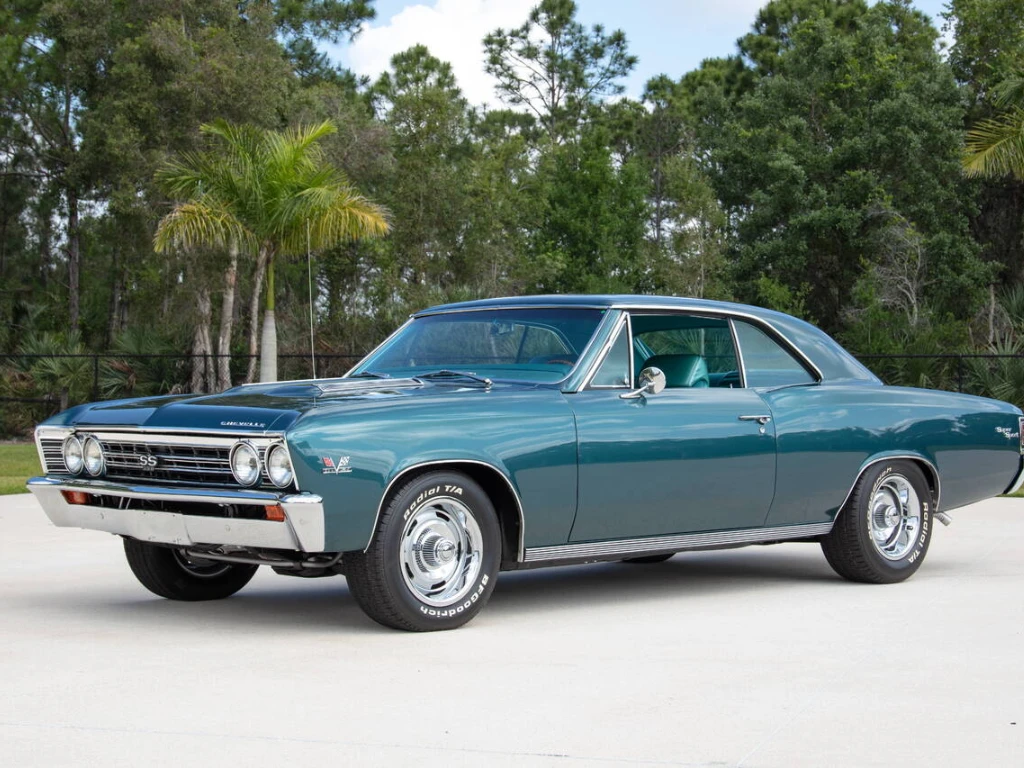
The Chevelle Was More Than a Muscle Car
When enthusiasts hear 1967 Chevrolet Chevelle, many immediately think about the SS models and powerful V8 engines.
That reputation is understandable, but it represents only part of the story. The Chevelle was Chevrolet's midsize offering, designed to combine everyday usability with increasingly available performance.
That balance helped make the Chevelle particularly important. It could function as a family car during the week while offering enough power and attitude to satisfy performance-minded buyers on the weekend.
The muscle-car image eventually became dominant, but the Chevelle's broader appeal was always part of its identity.
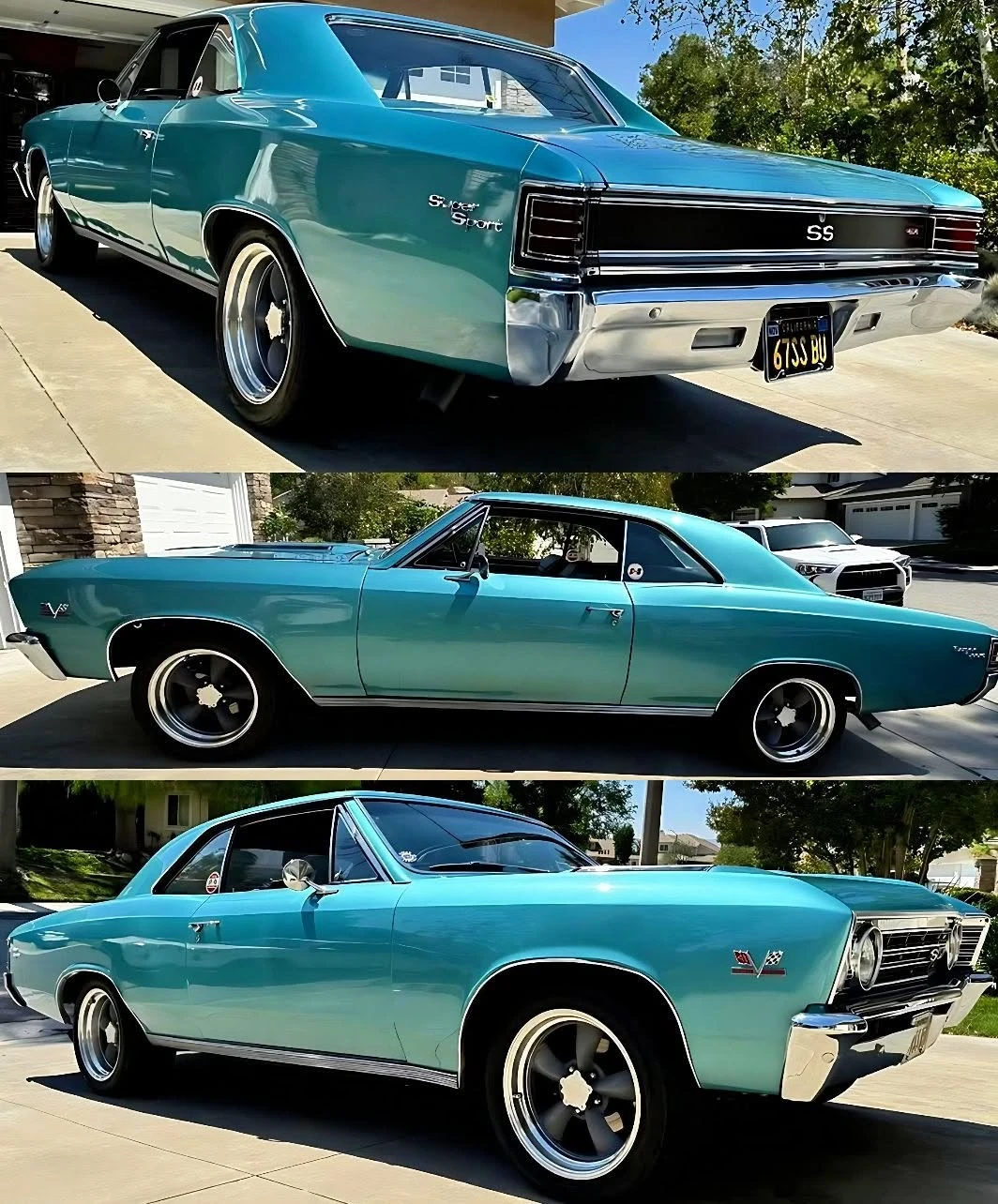
The SS Badge Doesn't Tell the Whole Story
One of the biggest things people miss about the 1967 Chevrolet Chevelle is how much attention is placed on the SS badge.
Collectors know that the badge itself isn't enough to determine what a particular car really is. Original equipment, drivetrain specifications, factory documentation, and production details all matter.
Over the decades, many Chevelles have been modified. Engines have been replaced, interiors upgraded, body panels changed, and SS-style components added to ordinary cars.
That means a car can look like an impressive SS while having a very different history underneath.
1967 Was an Interesting Year for Performance
The 1967 Chevrolet Chevelle arrived during a period when Chevrolet was rapidly developing its performance lineup.
The company was experimenting with increasingly powerful engines and performance packages across its range. The Chevelle benefited from this growing focus, helping establish the model as a serious contender in the midsize performance market.
However, the 1967 car shouldn't simply be judged by later Chevelle legends. Its importance comes partly from its position in the evolution of Chevrolet's muscle-car strategy.
It sits between the earlier development of the Chevelle SS and the increasingly extreme performance cars that followed.
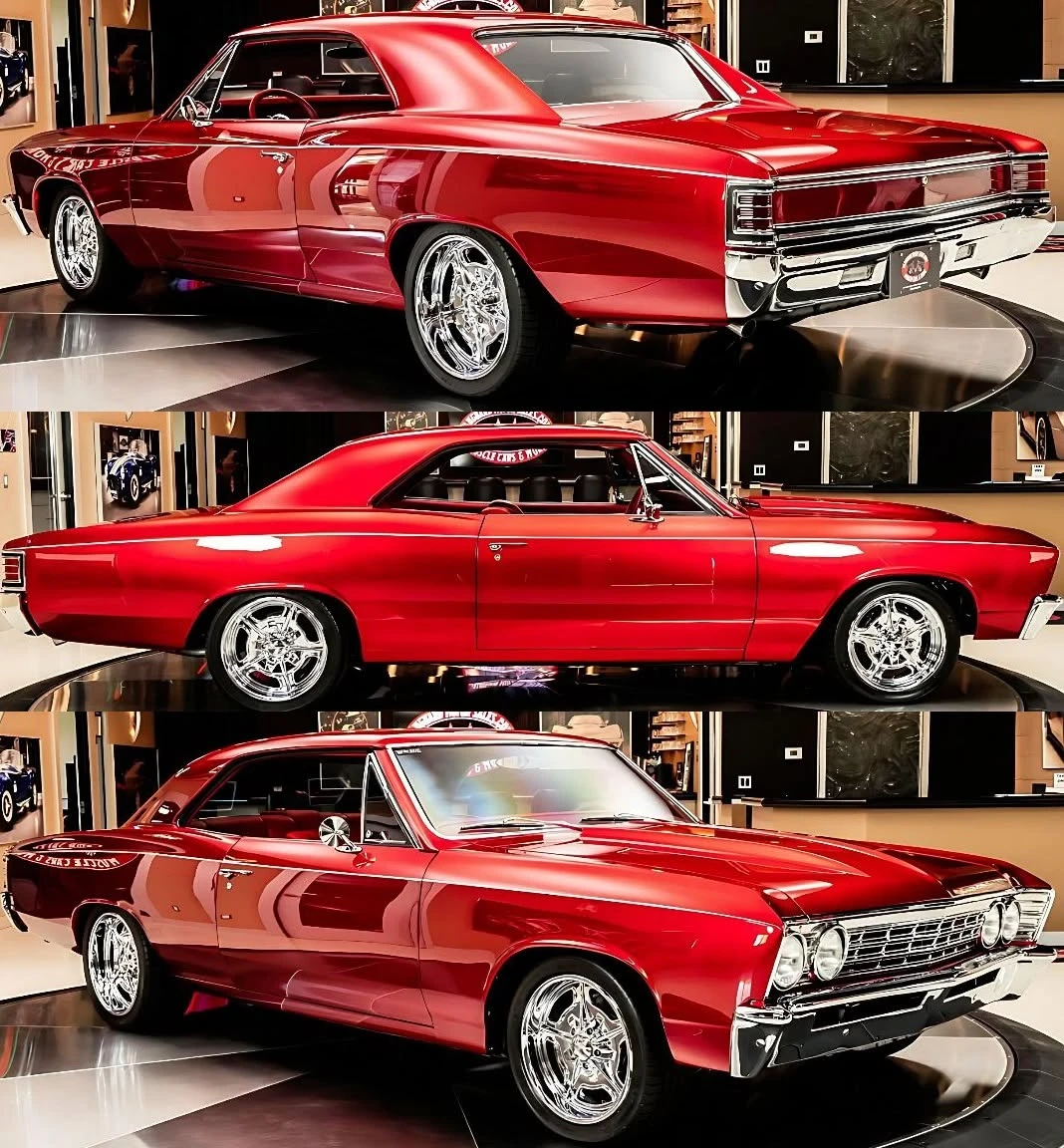
The Body Design Is Easier to Overlook Than the Engine
The engine usually gets all the attention, but the design of the 1967 Chevrolet Chevelle deserves a closer look.
Its proportions were carefully balanced. The long hood, compact passenger compartment, broad stance, and sculpted body sides gave the car a muscular appearance without making it excessively dramatic.
That restraint has helped the design age well.
Even today, a clean 1967 Chevelle can look aggressive without relying on oversized wheels or modern modifications. Its factory proportions do much of the visual work.
Originality Can Be More Important Than Extra Horsepower
Another detail many buyers overlook is originality.
A heavily modified 1967 Chevrolet Chevelle may produce substantially more horsepower than it did when new, but that doesn't automatically make it more desirable to collectors.
Factory-correct colors, trim, drivetrain components, interior details, and documentation can carry significant importance.
For someone buying a Chevelle as a collector car, understanding what the vehicle originally was can be more valuable than simply asking how powerful it is today.
Rust Can Change The Entire Buying Decision
The beautiful appearance of a restored 1967 Chevrolet Chevelle can sometimes hide serious structural problems.
Buyers should inspect the floors, rocker panels, wheel arches, trunk, lower body sections, and frame carefully. Fresh paint can make an otherwise questionable car look far more valuable than it really is.
Previous repairs deserve particular attention. Poorly repaired rust can create expensive problems after the purchase.
A solid, complete Chevelle with an honest history is often a smarter investment than a cheaper car with impressive cosmetics but questionable structure.
Why The 1967 Chevelle Still Matters
The 1967 Chevrolet Chevelle occupies an interesting position in American automotive history.
It wasn't simply about creating the most powerful car possible. Chevrolet was learning how to combine performance, style, practicality, and mass-market appeal in one package.
That formula would become central to the muscle-car era.
For collectors today, the appeal is therefore not limited to the engine bay. The Chevelle represents a moment when American manufacturers were discovering just how much performance buyers wanted from an everyday midsize car.
Conclusion
The 1967 Chevrolet Chevelle deserves attention for more than its muscle-car reputation. Its balanced design, evolving performance identity, collector-focused originality, and place in Chevrolet's history reveal why this classic remains so fascinating. Sometimes, the details people overlook are exactly what make the car worth remembering.
1971 Pontiac Grand Prix For Sale: What Buyers Should Know
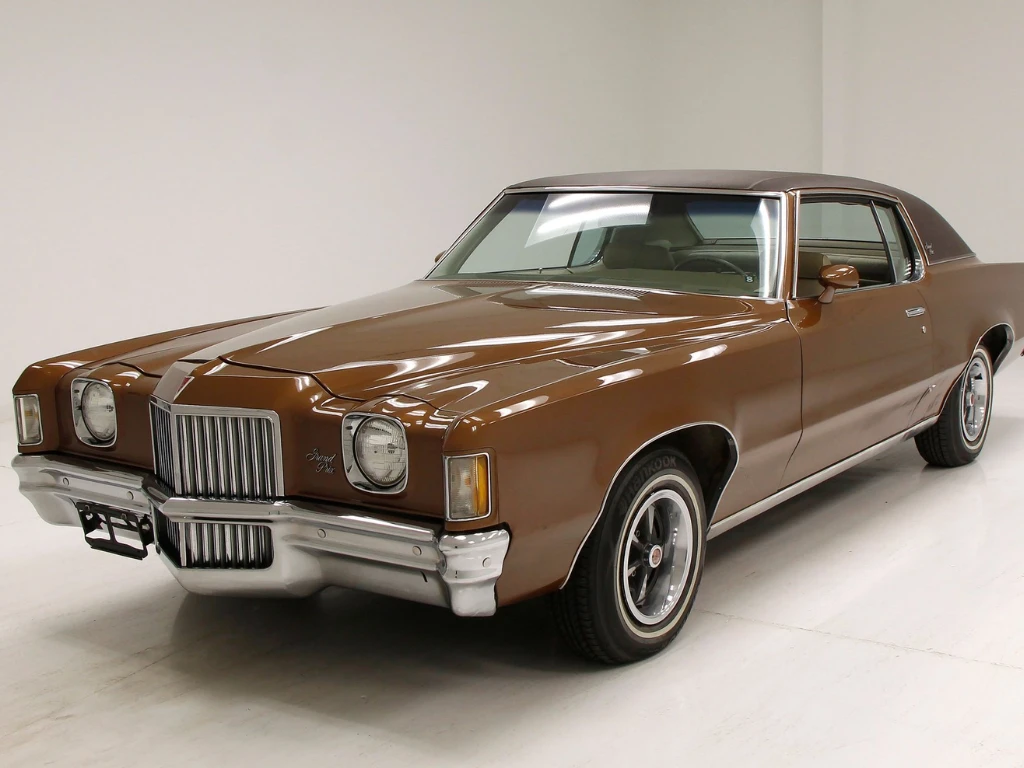
1971 Pontiac Grand Prix For Sale: What Buyers Should Know
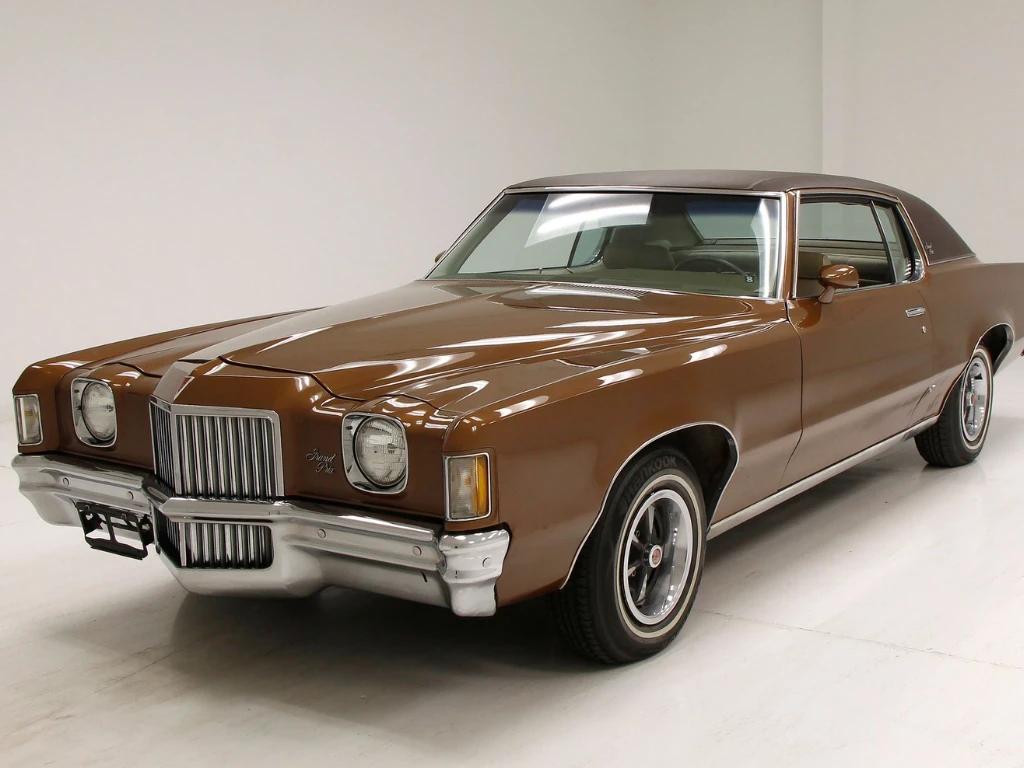
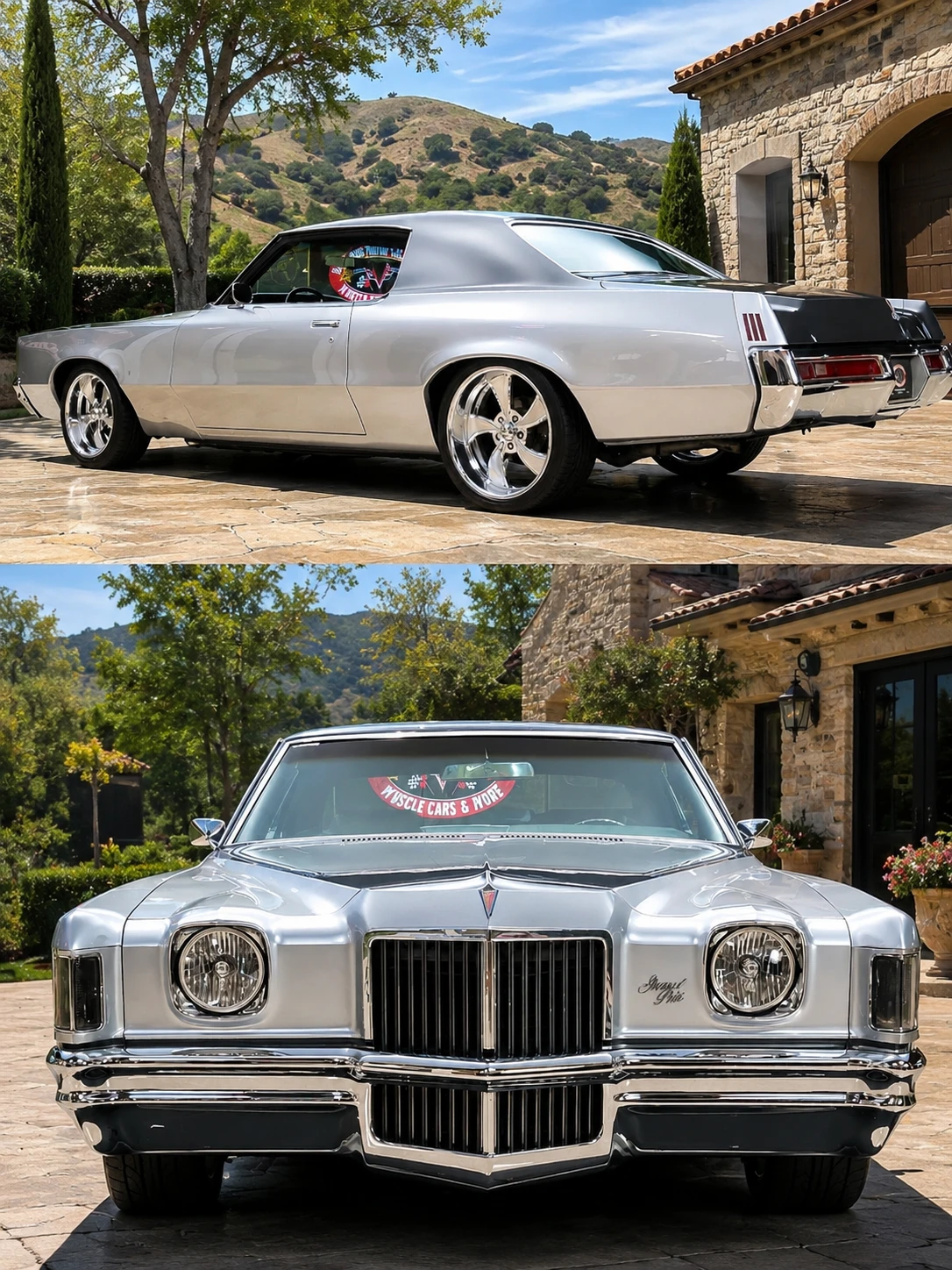
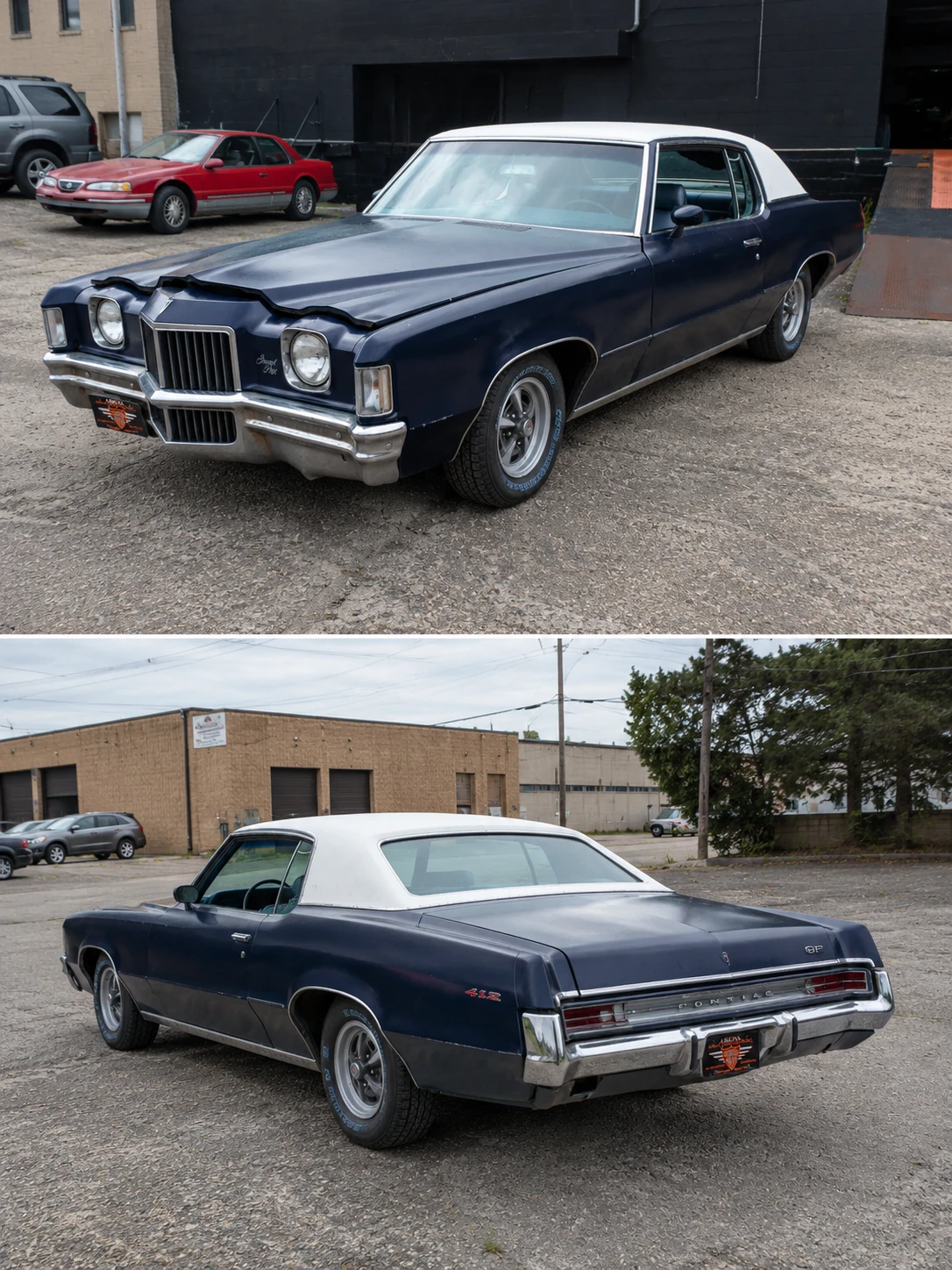
A 1971 Pontiac Grand Prix for sale can be an unusual find in today's classic-car market. It doesn't carry the same muscle-car reputation as a GTO, yet it offers something different: dramatic styling, a spacious cabin, strong V8 character, and the unmistakable attitude of an early-1970s Pontiac. For buyers who want a classic that feels substantial without following the usual Camaro or Chevelle crowd, the 1971 Grand Prix deserves a closer look.
Comments 0