The Beatles spent barely a decade together, yet their music continues to influence generations of musicians and listeners. From unforgettable melodies and innovative songwriting to groundbreaking studio experiments, The Beatles transformed what a popular band could achieve. Their legacy is not simply about record sales or worldwide fame. It is about how four musicians from Liverpool changed the way bands write songs, make albums, express themselves, and connect with audiences. More than half a century after their breakup, their work remains a benchmark against which many great bands are measured.
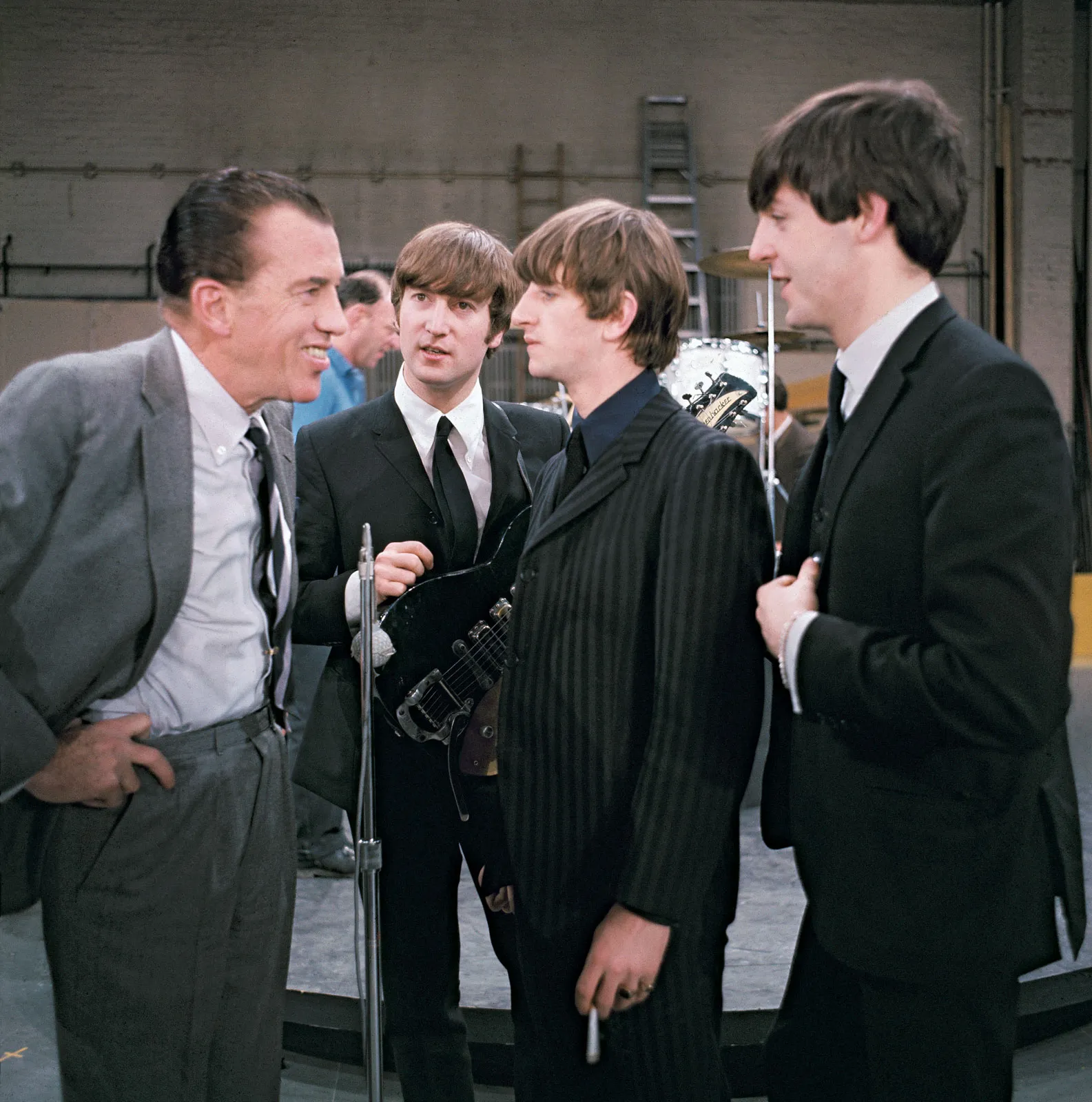
They Changed What a Band Could Be
Before The Beatles reached worldwide fame, pop groups were often expected to perform songs written by professional songwriters. The Beatles helped change that expectation by becoming a major group known for writing and performing much of its own material. John Lennon and Paul McCartney formed one of popular music's most influential songwriting partnerships, while George Harrison increasingly contributed distinctive compositions and Ringo Starr brought a recognizable rhythmic personality to their recordings.
Their success helped demonstrate that a band could have its own creative identity rather than simply perform material chosen by others. The members could write songs, shape arrangements, contribute ideas in the studio, and develop a recognizable sound together. This model became an important reference point for countless artists who wanted greater control over their music.
Their influence also extended beyond songwriting. The Beatles helped change the relationship between musicians and their audiences, showing that a band could evolve publicly as its members grew older and explored new ideas. Their early image as energetic pop stars gradually gave way to a more adventurous artistic identity.
That transformation is one reason The Beatles remain such an important standard today. They did not merely succeed within the expectations of their era. They helped expand those expectations for everyone who followed.
Their Songs Combined Simplicity With Lasting Emotional Power
One of the most remarkable qualities of The Beatles is how their songs can sound immediately accessible while revealing new details with repeated listening. A melody might be simple enough to remember after one hearing, yet the harmony, lyrics, arrangement, or structure can make the song feel richer over time.
Consider “Yesterday,” with its intimate melody and restrained arrangement, or “Hey Jude,” which gradually builds into a communal singalong. “Let It Be” offers a direct emotional message, while “Eleanor Rigby” tells a stark story of loneliness through an arrangement dominated by strings. These songs approach different subjects and moods, but each has a clear musical identity.
The band also understood that memorable songwriting did not require every song to follow the same formula. “A Hard Day's Night” bursts with energy, “Norwegian Wood” introduces a different instrumental color, and “Strawberry Fields Forever” creates a dreamlike atmosphere through unusual sounds and arrangement choices.
This balance between accessibility and experimentation is difficult to achieve. Music can become too predictable when artists repeat a successful formula, but experimentation can lose listeners when it sacrifices emotional connection. The Beatles frequently found ways to make adventurous ideas feel natural within a compelling song.
For modern bands, that remains a valuable lesson: technical skill and originality matter, but a song still needs a reason for people to return to it.
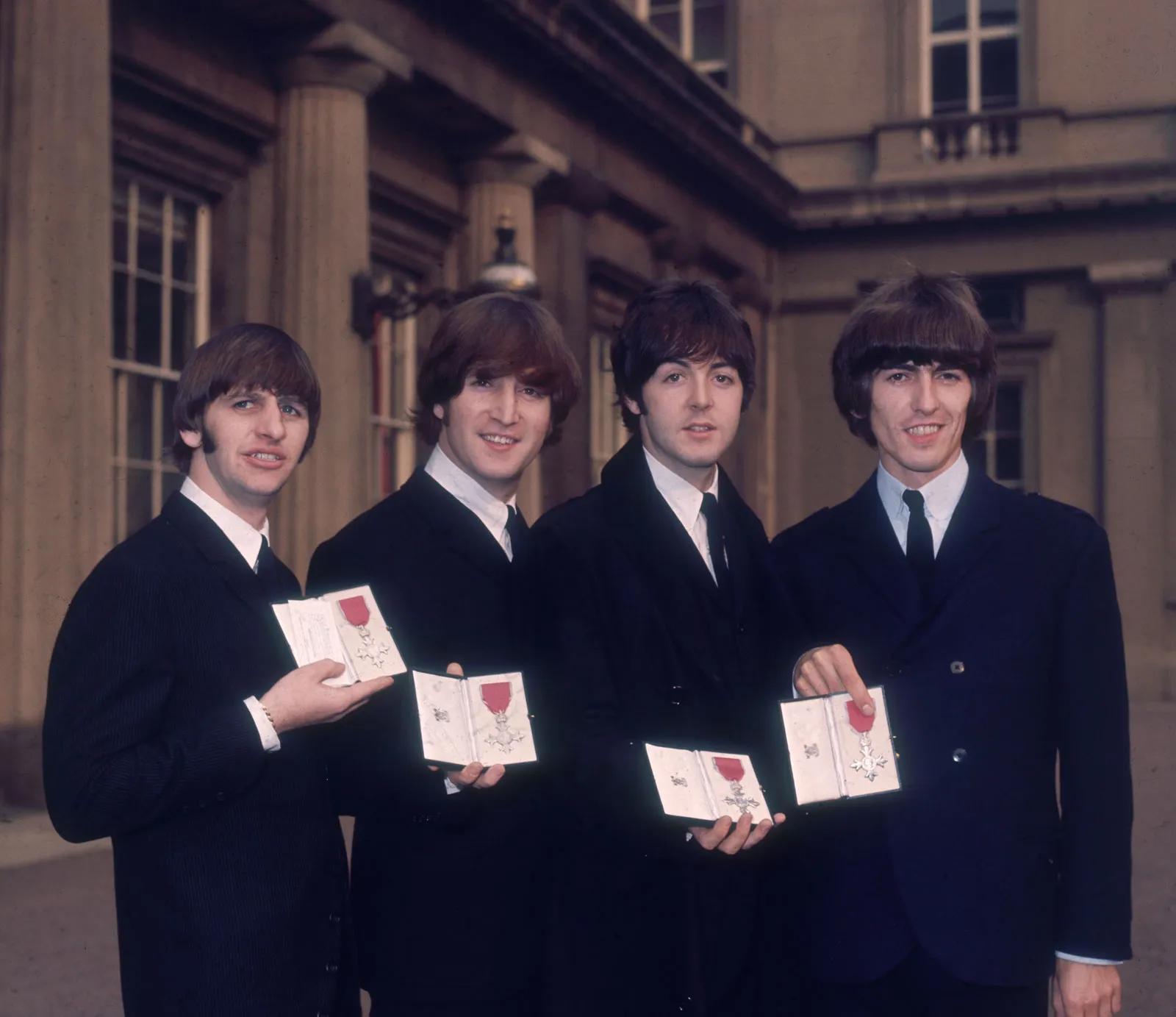
They Treated the Recording Studio as a Creative Instrument
The Beatles' musical development became especially striking when they moved away from constant touring and devoted more attention to recording. Albums such as Rubber Soul, Revolver, and Sgt. Pepper's Lonely Hearts Club Band showed how the studio could become part of the creative process rather than merely a place to capture a live performance.
Working with producer George Martin and skilled recording engineers, the group explored unusual instrumentation, layered vocals, tape manipulation, orchestral arrangements, and unconventional sound effects. They were willing to experiment with recording techniques to achieve an artistic result that might have been difficult or impossible to reproduce onstage.
“Tomorrow Never Knows,” from Revolver, used looping sounds and an unusual vocal treatment to create a hypnotic musical landscape. “A Day in the Life” combined contrasting sections into a dramatic composition, including orchestral passages that expanded the song far beyond a conventional pop arrangement. On Sgt. Pepper, the band further explored the possibilities of constructing a musical experience in the studio.
These innovations did not emerge from technology alone. They depended on the group's willingness to question familiar methods, collaborate with experienced professionals, and keep searching for sounds that served the music.
Abbey Road Studios records that The Beatles recorded 190 of their 210 songs there between 1962 and 1970. Their sessions helped push the studio's engineers and equipment into new creative territory.
The lesson for modern musicians is not that every band must imitate the sounds of the 1960s. It is that recording can be an active part of songwriting, allowing artists to discover possibilities they might never find by simply playing a song from beginning to end.
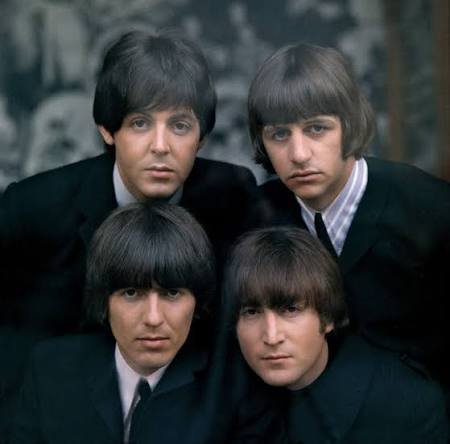
Four Distinct Personalities Created One Unmistakable Sound
The Beatles were not influential because all four members sounded alike. Their strength came partly from their differences.
John Lennon brought a sharp, questioning voice and an interest in unusual lyrical perspectives. Paul McCartney often gravitated toward melodic invention, emotional ballads, and varied musical styles. George Harrison developed into a distinctive songwriter whose work incorporated spiritual themes and influences beyond conventional British and American rock. Ringo Starr contributed a steady, expressive drumming style that served the songs without needing to dominate them.
Their individual qualities helped make the band's catalog remarkably varied. The group could move from exuberant rock and roll to delicate ballads, from playful pop to psychedelic experimentation, without losing its identity.
Their relationship was not always easy, and their creative differences contributed to tensions as their careers progressed. But those differences also made the music more interesting. The Beatles' sound emerged from the interaction of four distinct musicians, not from one person controlling every element.
This is an important distinction for bands today. A successful group does not necessarily need four members with identical tastes or personalities. It needs musicians who can contribute individual strengths while serving a shared creative purpose.
The Beatles showed how different musical instincts could become complementary when the collaboration worked.
Their Albums Told a Story of Constant Evolution
Many bands become known for a particular sound and then spend years trying to reproduce it. The Beatles, by contrast, changed remarkably quickly during their active years.
Their early recordings, including Please Please Me and A Hard Day's Night, captured the urgency of a young rock and roll group. Rubber Soul introduced more varied arrangements and reflective songwriting. Revolver pushed further into studio experimentation, while Sgt. Pepper's Lonely Hearts Club Band presented a more elaborate and conceptually adventurous album experience.
Later releases continued to explore different approaches. The White Album moved between acoustic songs, hard rock, experimental pieces, and intimate performances. Abbey Road combined polished production with some of the band's most memorable musical arrangements.
This progression gave listeners the sense that the group was discovering something new rather than simply repeating its previous successes. It also created a catalog that rewards exploration. Someone who knows only the early hits can still encounter an entirely different musical world on the later albums.
For contemporary bands, the example is compelling. Artistic growth does not mean abandoning everything that made an audience care in the first place. It means allowing a musical identity to develop rather than treating the past as a limit.
The Beatles made change part of their legacy, and that is one reason their music continues to feel alive.
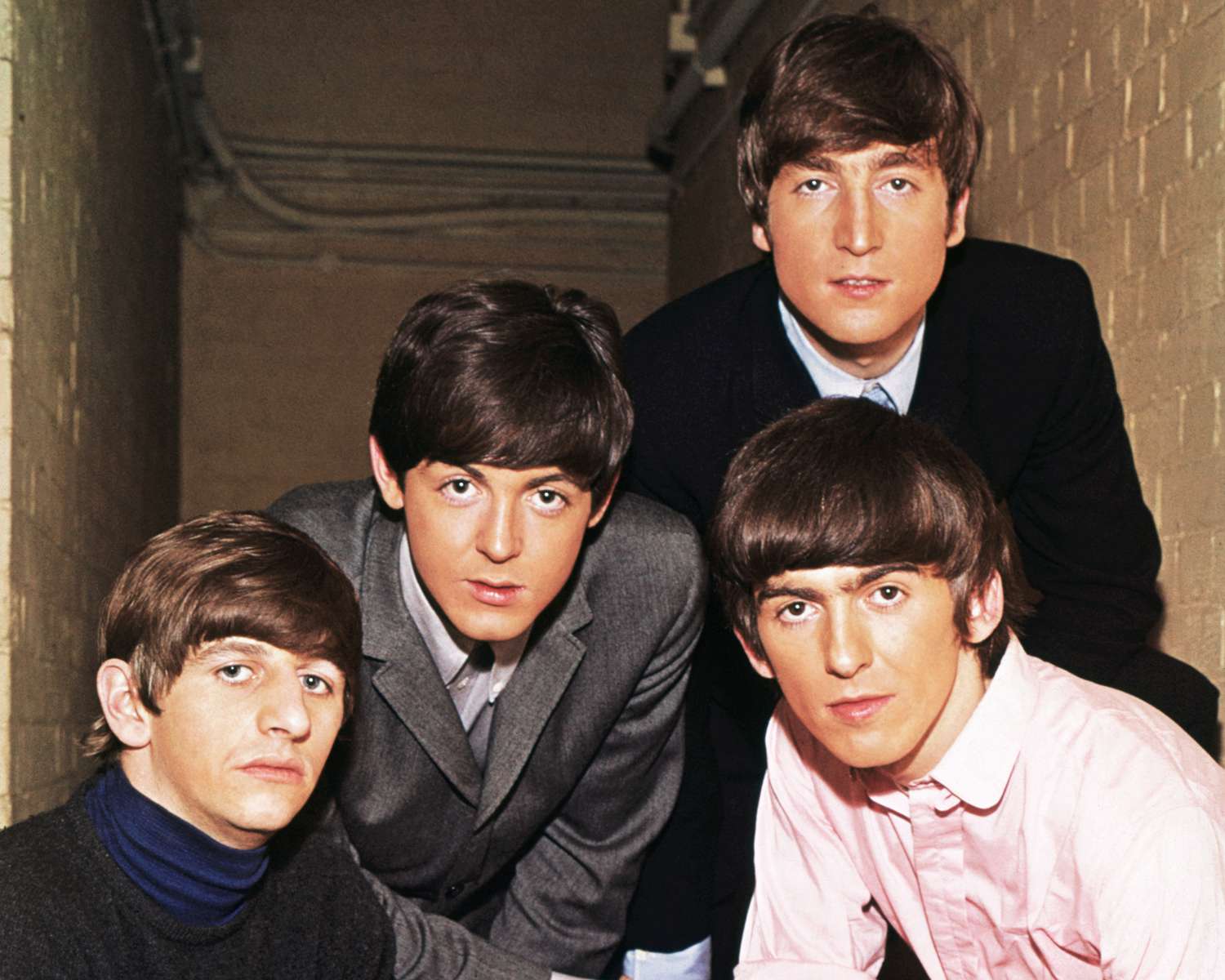
Their Cultural Influence Went Beyond the Music
The Beatles changed more than the sound of popular music. Their hairstyles, clothing, humor, interviews, and public image became part of a worldwide cultural phenomenon. Their arrival in the United States in 1964 helped fuel the British Invasion, bringing British bands to the forefront of American popular music.
Their success also demonstrated the growing power of television, international touring, fan culture, and mass media. They were musicians, but they were also cultural figures whose choices could influence fashion and public conversation.
As their music developed, their public image changed with it. They moved from matching suits and coordinated performances toward more individual styles and increasingly adventurous artistic expressions. Their evolution reflected a wider cultural shift during the 1960s, although the band's influence was only one part of that much larger transformation.
The scale of their impact helped establish a new model of the modern music star: an artist whose work, image, personal identity, and public statements could all become part of a larger cultural conversation.
Today, artists operate in a very different media environment, shaped by streaming platforms and social networks. Yet the underlying challenge remains familiar. Bands still need to create a distinctive identity that makes audiences care about more than an individual song.
The Beatles demonstrated how music and personality could combine to create a lasting cultural presence.
Their Influence Continues Across Generations
The Beatles' legacy is not confined to older listeners who experienced Beatlemania firsthand. Their songs continue to reach new audiences through films, streaming services, cover versions, family playlists, and cultural references. Younger listeners can discover the band without needing to have lived through the decade in which it became famous.
Their influence can also be heard in the way later musicians approach songwriting, vocal harmonies, album sequencing, and studio production. Artists across rock, pop, indie, and other genres have drawn inspiration from different parts of the Beatles' catalog. Some respond to the directness of the early songs, while others look to the experimentation of their later recordings.
Their 2023 single “Now and Then,” completed using technology to work with John Lennon's old recording, offered another reminder of the group's continuing public presence. It reached number one on the UK Official Singles Chart, extending the band's record as the British act with the most UK number-one singles. The release also connected the surviving members with the voices and memories of their former bandmates.
This continuing interest does not mean that every new band must sound like The Beatles or that no other group can equal their achievements. Music history is too broad and varied for a single universal ranking to capture everything that matters.
But their catalog remains a useful point of comparison because it combines strong songwriting, distinctive musicianship, artistic growth, and a willingness to experiment. Those qualities continue to matter regardless of the decade or genre.
Why The Beatles Still Set the Standard for Great Bands Today
Ultimately, The Beatles remain a benchmark because they brought together qualities that are difficult to sustain at the same time: unforgettable songs, four distinctive musical personalities, ambitious studio work, cultural influence, and constant creative development. Their time together was relatively short, but they changed what audiences expected a band to sound like and what musicians believed a band could become. Their legacy is not a rule that every group must follow. It is proof that lasting greatness comes from combining craft, curiosity, collaboration, and the courage to evolve.
Why Kevin Costner Hesitated to Speak at Whitney Houston’s Funeral
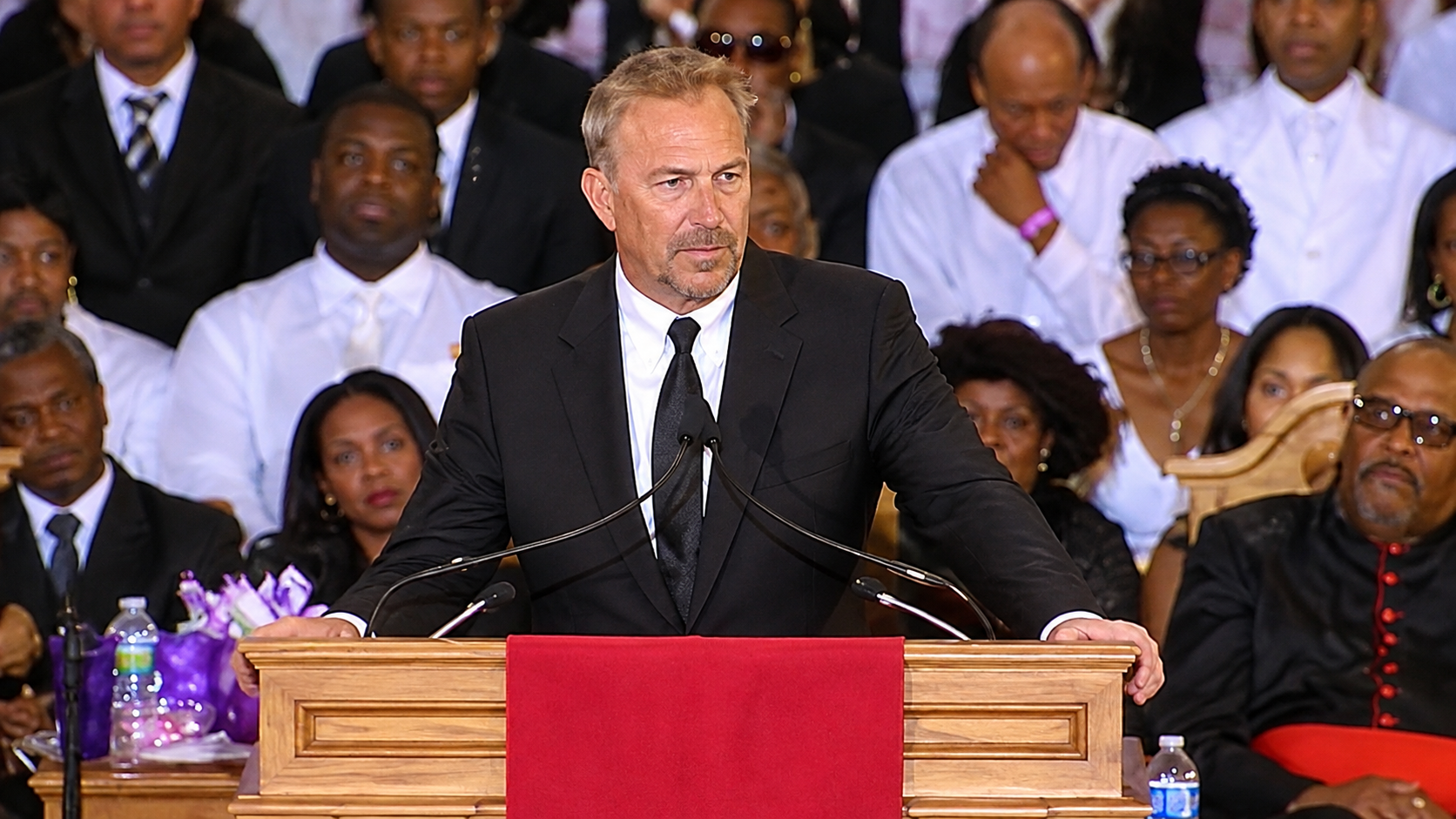
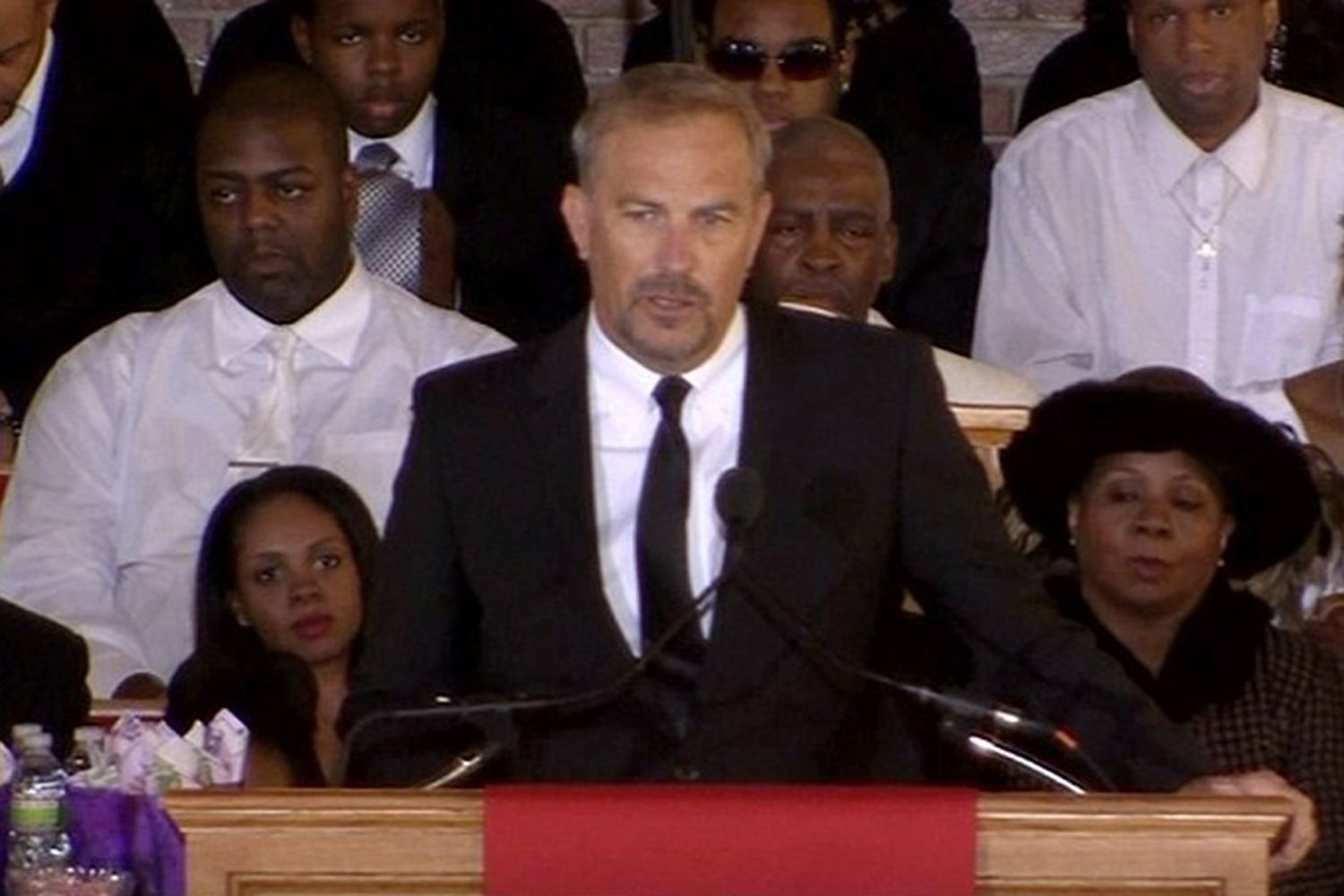
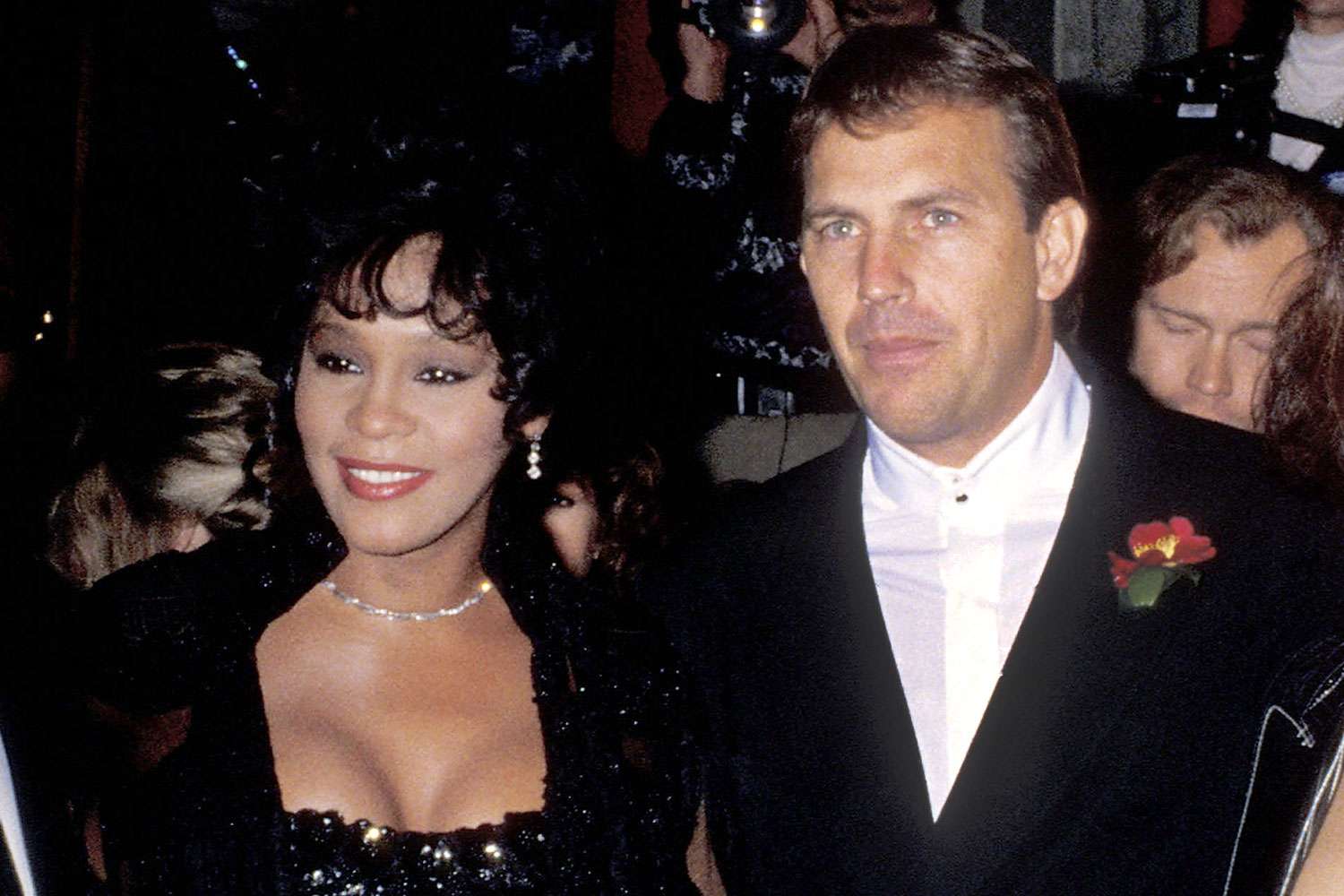
Whitney Houston’s Funeral brought together family, friends, and music legends to remember one of the greatest voices of her generation. Among those asked to speak was Kevin Costner, her co-star in The Bodyguard and a longtime friend. Yet, despite their meaningful connection, Costner initially questioned whether he was the right person to deliver a tribute. A heartfelt phone call from Dionne Warwick ultimately changed his mind, leading to one of the most memorable moments of the service.


Comments 0