Ghosting: The Modern Disappearing Act We All Experience
Few relationship experiences feel as confusing—or as painful—as being ghosted. One day, messages flow easily. The next, silence. No explanation. No closure. Just absence.
According to a psychologist interviewed by Newsweek, ghosting isn’t always about cruelty or indifference. More often, it’s rooted in fear, emotional overload, and the way modern communication has rewired how we handle discomfort.
In a digital world where disappearing is easier than explaining, ghosting has become a common—if deeply unsettling—social behavior.
Image: A person staring at a phone with unread messages, expression confused and hurt
What Is Ghosting, Really?
Ghosting occurs when someone suddenly cuts off communication without explanation—no texts, no calls, no replies—despite an established emotional or social connection.
Common Situations Where Ghosting Happens
-
Dating and romantic relationships
-
Friendships drifting into conflict
-
Workplace or professional connections
-
Family relationships under emotional strain
What makes ghosting uniquely painful is not just rejection—but ambiguity. The brain struggles more with unanswered questions than with clear endings.
The Psychology Behind Ghosting
It’s Not (Always) About You
The psychologist cited by Newsweek emphasizes that ghosting is usually self-protective, not aggressive.
People ghost because they are trying to:
-
Avoid emotional discomfort
-
Escape confrontation
-
Protect themselves from guilt or shame
In other words, ghosting often says more about the ghoster than the ghosted.
Fear of Confrontation: The Primary Driver


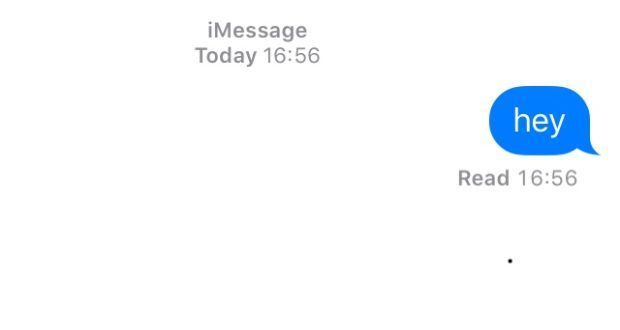

Many people were never taught how to end relationships respectfully. Difficult conversations can trigger:
-
Anxiety
-
Guilt
-
Fear of hurting someone
-
Fear of being perceived as “the bad person”
Ghosting becomes a shortcut: silence replaces honesty.
“For some people, disappearing feels safer than saying something that might cause pain or conflict,” the psychologist explains.
Emotional Overload and Decision Paralysis
Modern relationships move fast. Dating apps, social media, and constant messaging can create emotional burnout.
When Ghosting Becomes an Escape Valve
-
Too many conversations at once
-
Emotional intimacy forming too quickly
-
Pressure to respond perfectly
Instead of choosing what to say, some people choose to say nothing at all.
Image: Overwhelmed person scrolling through multiple message notifications
Avoidant Attachment Styles Play a Role
Psychologists often connect ghosting to avoidant attachment styles—patterns formed early in life.
People with avoidant tendencies:
-
Value independence over emotional closeness
-
Feel suffocated by vulnerability
-
Withdraw when intimacy increases
When a relationship starts to feel “too real,” ghosting can feel like relief.
Technology Made Ghosting Easy—and Normalized It


In the past, disappearing required effort. Today, it’s one tap away.
How Technology Encourages Ghosting
-
No shared social consequences
-
Infinite dating options
-
Low accountability
-
Easy blocking and muting
Digital distance reduces empathy. When someone exists mainly as a profile or chat bubble, their pain can feel abstract.
Ghosting as a Form of Emotional Self-Preservation
Contrary to popular belief, ghosting isn’t always malicious. In some cases, it’s driven by:
-
Mental health struggles
-
Emotional exhaustion
-
Trauma triggers
-
Lack of emotional skills
For someone already overwhelmed, explaining feelings can feel impossible.
That doesn’t make ghosting healthy—but it makes it understandable.
Why Being Ghosted Hurts So Much
The Brain Hates Uncertainty
Neurological studies show that ambiguous loss—loss without explanation—creates more distress than clear rejection.
Being ghosted can trigger:
-
Self-blame (“What did I do wrong?”)
-
Rumination
-
Anxiety and lowered self-esteem
The lack of closure leaves the nervous system stuck in a loop, searching for answers that never come.
Image: Person sitting alone at night, phone glowing, unread message visible
Ghosting vs. Healthy Boundaries: Where’s the Line?
Not all silence is ghosting.
Silence Can Be Healthy When:
-
There was no established relationship
-
Safety is a concern
-
Boundaries were clearly stated beforehand
It Becomes Ghosting When:
-
Emotional investment existed
-
Communication stopped abruptly
-
No explanation was offered
The difference lies in context and responsibility.
Why Some People Ghost Even When They Care
One of the most surprising insights from the psychologist is this:
People sometimes ghost because they care.
They fear:
-
Seeing disappointment
-
Being unable to explain their feelings
-
Confronting their own emotional confusion
So they disappear—not out of indifference, but incapacity.
Cultural Shifts and the Decline of Closure
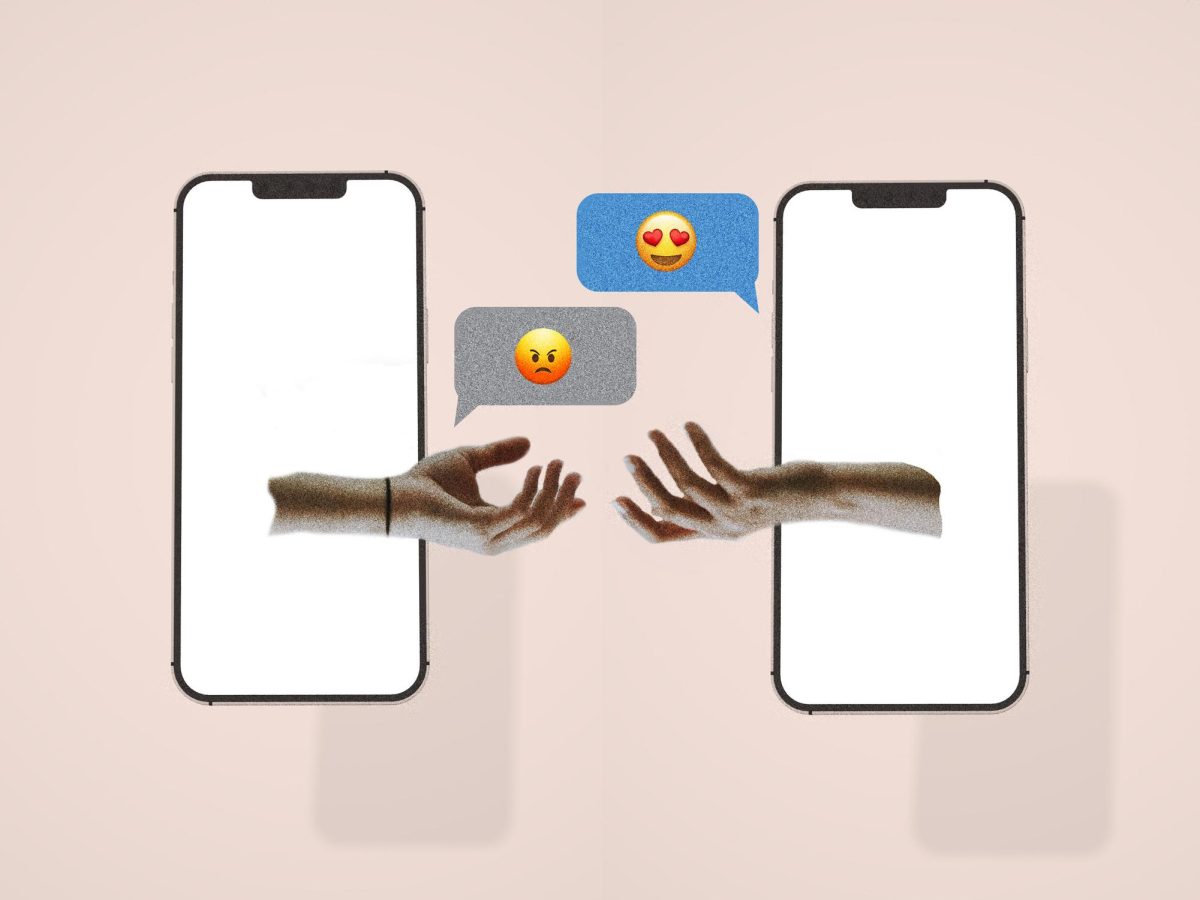
Modern culture prioritizes:
-
Speed
-
Efficiency
-
Emotional self-protection
Closure, by contrast, requires:
-
Time
-
Emotional labor
-
Vulnerability
In a culture that rewards quick exits, ghosting becomes socially tolerated—even expected.
The Long-Term Emotional Cost of Ghosting
While ghosting may feel easier in the moment, psychologists warn it carries long-term consequences.
For the Ghoster:
-
Avoidance patterns deepen
-
Emotional communication skills weaken
-
Guilt may linger unresolved
For the Ghosted:
-
Trust issues in future relationships
-
Increased fear of abandonment
-
Emotional hypervigilance
Ghosting doesn’t eliminate pain—it simply transfers it.
Healthier Alternatives to Ghosting
Even short, imperfect honesty is better than silence.
Examples of Respectful Closure
-
“I don’t feel the connection I was hoping for.”
-
“I’m not in the right headspace to continue this.”
-
“I need to step back, but I wish you well.”
These messages take seconds—but spare weeks of confusion.
If You’ve Been Ghosted: How to Heal
Psychologists recommend:
-
Don’t personalize the silence
-
Resist chasing explanations
-
Create your own closure
-
Reframe ghosting as information, not rejection
Someone who disappears under discomfort is showing you their emotional limits—not your worth.
If You’ve Ghosted Someone: What to Reflect On
Ask yourself:
-
What was I afraid of saying?
-
What emotion was I avoiding?
-
How could I handle this differently next time?
Growth begins when avoidance is replaced with awareness.
Final Thoughts: Ghosting Is a Symptom, Not the Disease
Ghosting isn’t just a dating trend—it’s a reflection of how modern life handles discomfort, vulnerability, and emotional responsibility.
As the psychologist interviewed by Newsweek makes clear, ghosting thrives where communication skills are underdeveloped and emotional safety feels scarce.
But it doesn’t have to be this way.
With greater self-awareness, empathy, and courage, silence can be replaced with honesty—and disappearing can give way to dignity, for everyone involved.
The Surprising Way People in Your Life Could Be Making You Age Faster, According to Science

The Surprising Way People in Your Life Could Be Making You Age Faster, According to Science
Most people know that poor diet, lack of sleep, and chronic stress can accelerate aging. But emerging research suggests another surprising factor may be quietly influencing how quickly your body ages: the difficult people in your life.




Comments 0