The phrase “Diddy baby oil” became a viral shorthand for a much larger federal case involving Sean "Diddy" Combs. The detail spread because it was unusual, easy to repeat, and tied to a celebrity criminal case that was already drawing intense attention. But the public conversation often blurred together search evidence, allegations, testimony, and online rumors.
This explainer follows the record in chronological order. It focuses on what federal agents said they found, what prosecutors alleged, what witnesses testified to, what the defense argued, and what the jury ultimately decided. It also separates verified facts from claims that circulated online without support.
Where the Diddy Baby Oil Story Started
The public discussion of Diddy baby oil began after federal agents searched properties associated with Combs in March 2024. Those searches were part of a broader federal investigation that later led to criminal charges in the Southern District of New York. The searches themselves did not prove any crime, but they did produce evidence that prosecutors later discussed in court.
The baby oil detail did not become widely known from the search alone. It gained attention through later reporting, charging documents, and courtroom testimony. That sequence matters, because the viral version often compresses months of legal developments into one simplified image.
In other words, the Diddy baby oil story did not begin with a single sensational claim. It developed as part of a larger case involving searches, witness accounts, and prosecutors’ theory of the evidence. Readers need that timeline to understand why the detail mattered at all.
Why Authorities Mentioned More Than 1,000 Bottles
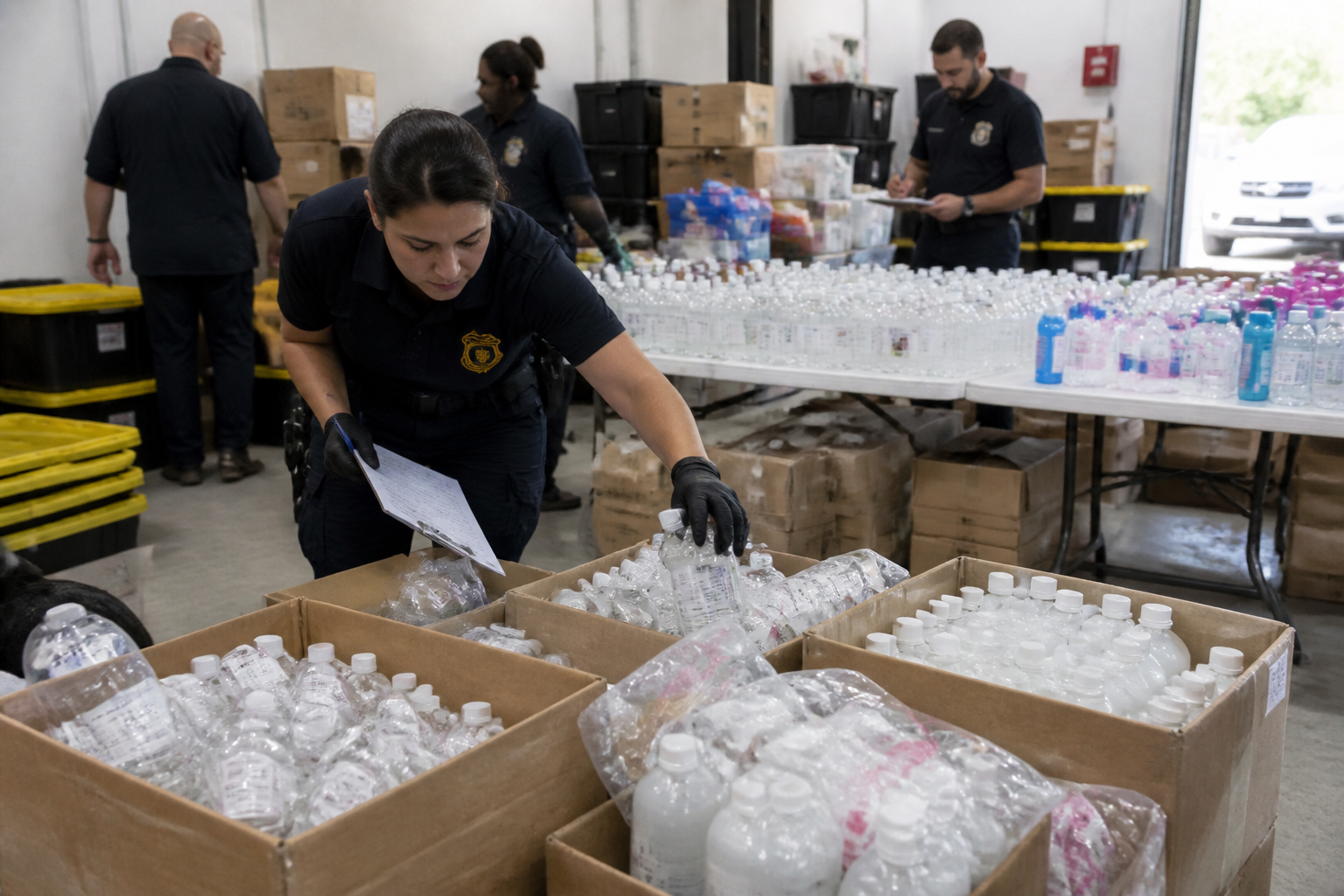
The figure that spread most widely was the report that authorities found more than 1,000 bottles of baby oil and lubricant. In the reporting that popularized the number, that total referred to items said to have been recovered across searched properties. It was not a count from one room or one closet.
That distinction matters because later accounts also described smaller amounts found in specific places. A reference to bottles in a particular room is not the same thing as the overall seizure total. The numbers should not be mixed together, because they refer to different contexts.
Once the Diddy baby oil figure began circulating, it took on a life of its own. But the count was only one part of a much larger evidentiary picture. By itself, it was unusual, not criminal.
What Prosecutors Said the Baby Oil Was Used For
According to prosecutors, the baby oil and lubricant were connected to alleged sexual encounters they described as “Freak Offs.” In the government’s account, those events were arranged or facilitated by Combs and involved women, male escorts, travel, hotel rooms, and supplies gathered in advance. Those are allegations, not findings of fact.
Prosecutors argued that the Diddy baby oil and lubricant were part of that alleged preparation. In their telling, the items were not random household goods. They were evidence that fit a broader theory about planning and control. The court still had to decide whether the evidence supported that theory.
It is also important to keep the term “Freak Offs” in context. It is a prosecutorial label for alleged events described in the case. The label does not settle disputed issues such as consent, coercion, or the meaning of the conduct described in testimony.
On its own, the Diddy baby oil detail did not prove a crime. Prosecutors used it as part of a larger narrative about how they said the alleged encounters were organized. The legal weight of that argument depended on the rest of the evidence.
What Witnesses Said During the Trial
During trial, witnesses and investigators described what they saw, seized, or learned during the investigation. Some testimony placed Diddy baby oil and lubricant in the context of searches of Combs’s properties. Other testimony discussed supplies that prosecutors said were associated with the alleged encounters. Those statements are evidence for the jury to weigh, not automatic proof of the government’s theory.
Cassie Ventura’s testimony drew especially wide coverage. Reporting described her as a witness who testified about her relationship with Combs and about alleged events prosecutors said were part of the case. Where Diddy baby oil came up in that testimony, it was within that broader account, not as a stand-alone fact that settled the whole dispute.
Other witnesses and agents described items recovered during the investigation and the circumstances around them. That helped explain why prosecutors kept returning to the Diddy baby oil detail. They argued it fit their larger story about planning and logistics. The jury still had to decide whether to accept that interpretation.
The trial record included several layers. There were the search results, the prosecution’s interpretation, the witnesses’ accounts, and the defense’s objections. The internet often collapses those layers into one story. The courtroom did not.

What Diddy’s Defense Argued
Combs and his attorneys disputed key parts of the prosecution’s portrayal. The defense argued that some of the sexual activity described in the case was consensual and that prosecutors were turning private adult behavior into a criminal narrative. They also challenged the idea that the presence of sexual supplies, including Diddy baby oil, proved trafficking or coercion.
That defense matters because it addresses the core legal dispute. An unusual quantity of baby oil may seem striking, but unusual is not the same as illegal. The defense argued that the government was asking the jury to infer too much from lifestyle evidence, hotel records, and contested testimony.
The defense position did not concede the prosecution’s version of events. It was a direct challenge to the way prosecutors framed the evidence. The lawyers argued that the jury should separate allegations from proof and should not treat every disputed sexual encounter as criminal.
Did the Baby Oil Contain Drugs?
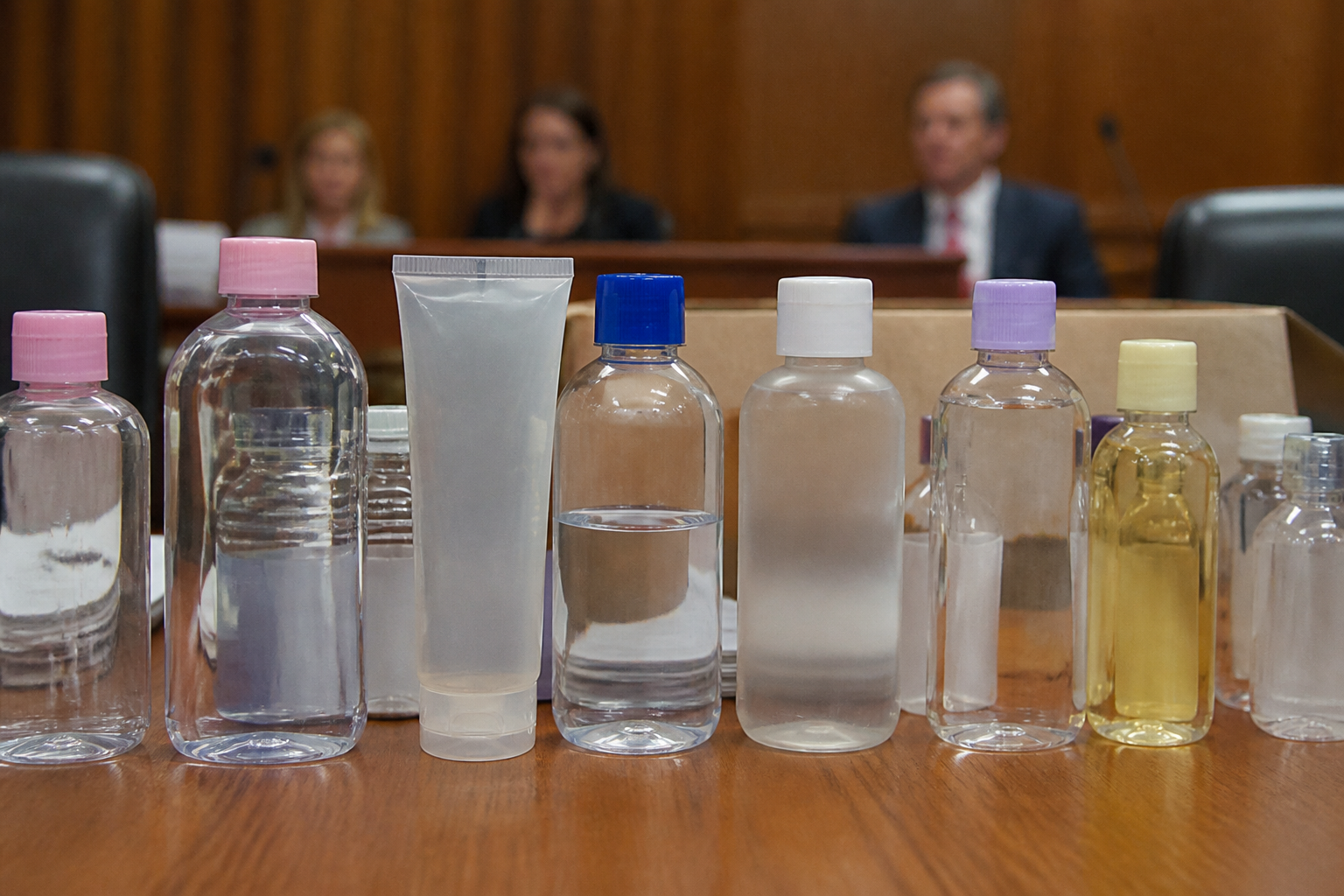
Social media also circulated claims that the Diddy baby oil or lubricant contained GHB, sedatives, or other drugs. That claim should not be treated as fact unless supported by reliable reporting, lab evidence, or court records. In the material summarized here, the baby oil was discussed as baby oil and lubricant, not as a confirmed drug mixture.
This is a common pattern in viral legal stories. Once one detail becomes famous, speculation often adds a darker layer to it. But speculation is not evidence. If a claim is not backed by credible sourcing, it should be labeled as unverified.
That distinction matters legally and ethically. A household product mentioned in an investigation is not the same as a laboratory-confirmed controlled substance. The record reviewed here supports the first statement, not the second.
How Diddy Baby Oil Became an Internet Meme
The Diddy baby oil detail became a meme because it was concrete, strange, and easy to repeat. The reported quantity sounded shocking, and the item itself was ordinary enough to invite jokes. That made it perfect internet material.
The case already involved a celebrity, federal investigators, serious criminal allegations, and intense media coverage. In that environment, one vivid detail could travel faster than a careful explanation of search warrants and trial evidence. Social media reduced a complex case to one memorable image.
That process also stripped away nuance. Viral jokes often imply certainty where the record is still contested. The meme version of Diddy baby oil was not the same as the courtroom version.
What the Court Ultimately Decided
Reliable reporting on the verdict indicated a mixed result. Combs was convicted on some counts and acquitted on others. That means the jury accepted part of the government’s case and rejected other parts.
The final outcome should be stated count by count, not as an all-or-nothing summary. A conviction on some charges does not confirm every allegation that appeared during the investigation or online. An acquittal on other counts does not erase the evidence heard at trial.
For readers trying to understand the Diddy baby oil story, the verdict is important because it shows the limits of the prosecution’s case. The trial ended with a narrower legal result than the internet often suggested.

Why the Baby Oil Detail Became So Famous
The Diddy baby oil detail became famous because it sat at the intersection of celebrity, criminal allegations, and internet humor. It was a physical object that people could easily picture, count, and repeat. That made it more memorable than many of the legal issues surrounding it.
It also worked as shorthand for a much larger case. People used Diddy baby oil to symbolize the prosecution’s theory, the defense’s objections, and the public’s fascination with the story. Symbolism can be useful, but it can also mislead when it is treated as proof.
The most accurate way to understand the story is to keep its parts separate. Searches produced evidence. Prosecutors made allegations.
Witnesses testified. The defense argued back. The jury reached a mixed verdict. Then the internet turned Diddy baby oil into one of the case’s most recognizable memes.
How David Bowie Reinvented Himself and Changed Music Forever

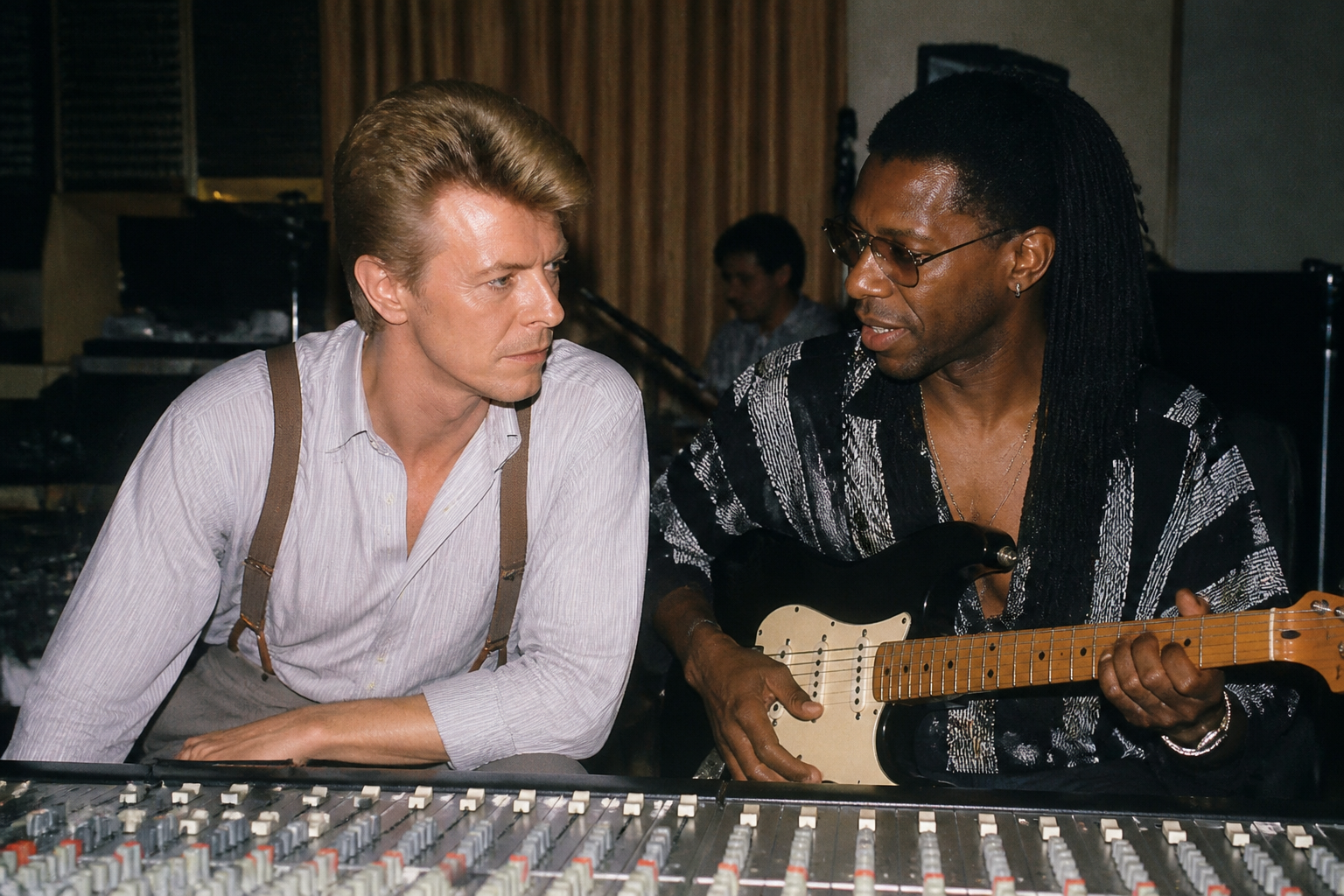
David Bowie made reinvention part of his artistic identity, and popular music has never quite looked the same. Across five decades, he treated image, sound, and performance as connected pieces of one creative vision. That approach made him one of the clearest examples of how a single artist could reshape an era without staying in one place for long.



Comments 0