Introduction: Why Elvis Presley’s Last Concert Still Matters
Elvis Presley’s last concert was not designed to be a farewell. It was another night on a demanding schedule, another stop in a career that had already become larger than life. Yet when he stepped onstage for the final time, the moment would later take on a weight no one in the room fully understood.
That is what makes the story of Elvis Presley’s last concert so compelling. It sits at the intersection of fame, fatigue, devotion, and myth. The performance itself was brief in historical terms, but its meaning has only grown with time, especially for fans who still study every detail of his final months.
To understand that night, you have to look beyond the stage lights. You have to see the pressure of the road, the strain on his body, and the emotional distance between the legend the world saw and the man living inside it. 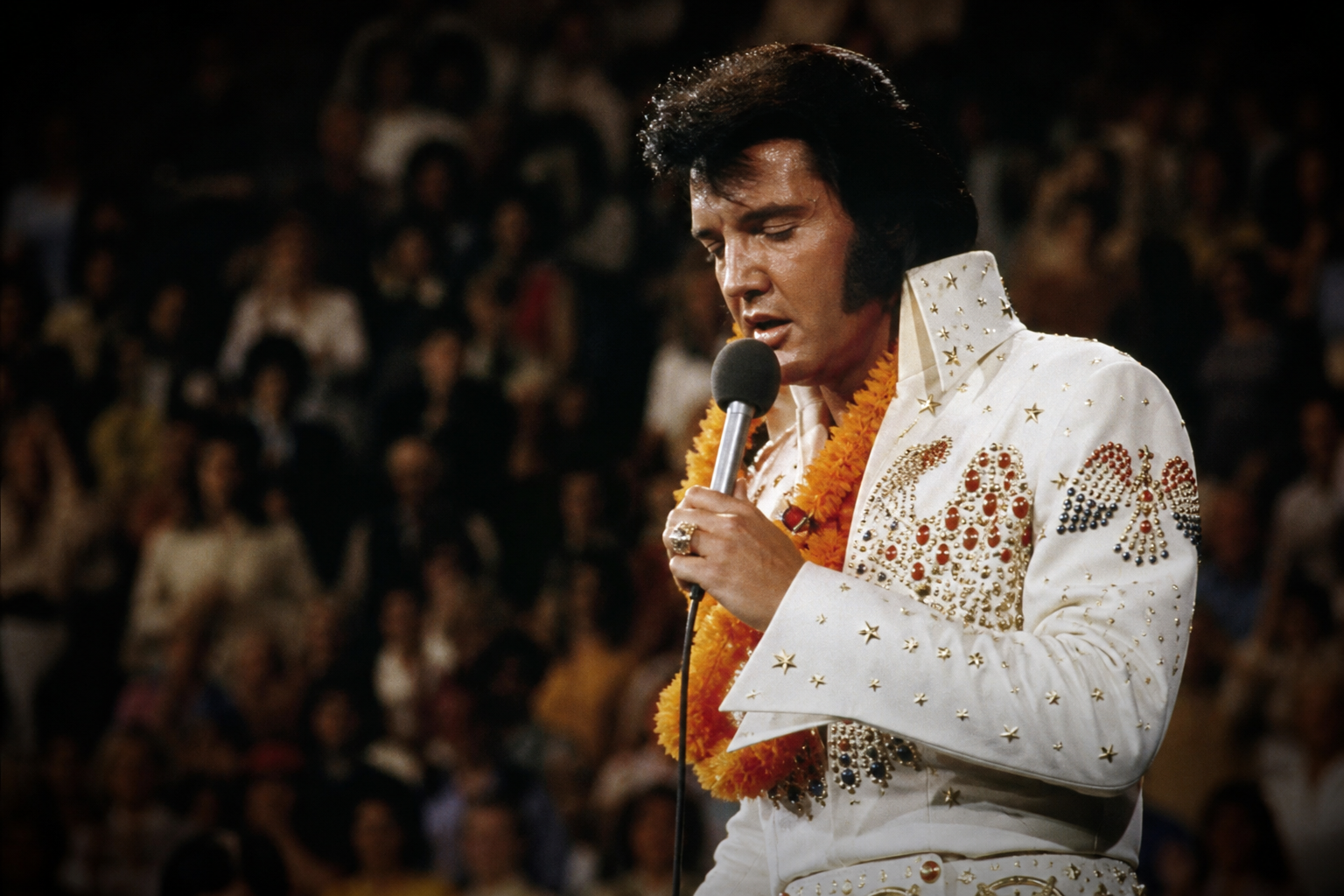
Background: The King Before the Final Tour
By the mid-1970s, Elvis Presley was already an American institution. He had transformed rock and roll, crossed into film, and built a stage persona that blended power with vulnerability. Even after years away from the center of pop culture, he remained one of the biggest live draws in the world.
But the Elvis of the 1970s was not the lean young performer who shocked television audiences in the 1950s. He was older, heavier, and carrying the burden of nonstop touring. His Las Vegas years had restored his live reputation, yet they also intensified the demands on his health and schedule.
The public often saw the glittering side of that era. Fans remember the jumpsuits, the dramatic entrances, and the deep voice that still carried authority. Behind the scenes, however, the pace was punishing, and those close to him knew he was fighting exhaustion more often than he let on.
That tension shaped the final chapter of his career. The Elvis Presley’s last concert story is not only about one performance. It is about a man trying to hold together an image that had become almost impossible to sustain. For readers interested in broader music history, it belongs in the same cultural conversation as The Beatles Break Up: What Really Happened In Their Final Meetings? and other defining endings in popular music.
Main Story: The Road to Elvis Presley’s Last Concert
The final tour months
In 1977, Elvis was still traveling and performing, but the strain was increasingly visible. Concert dates were spaced across the country, and each stop required the same discipline, energy, and public presence. Friends, crew members, and fans all noticed that his movements were slower and his voice sometimes less steady than before.
Still, he kept going. That persistence was part pride and part obligation. Elvis had built his identity around giving audiences what they came to see, even when his own condition made that difficult. He remained determined to appear professional, and that determination is one reason the final concert feels so heartbreaking in hindsight.
There were good nights and difficult ones. Some shows showed flashes of the old brilliance, with powerful phrasing and a magnetic command of the room. Others revealed how much effort it took simply to finish the set. The contrast made every appearance feel more fragile and more human.
The Indianapolis performance
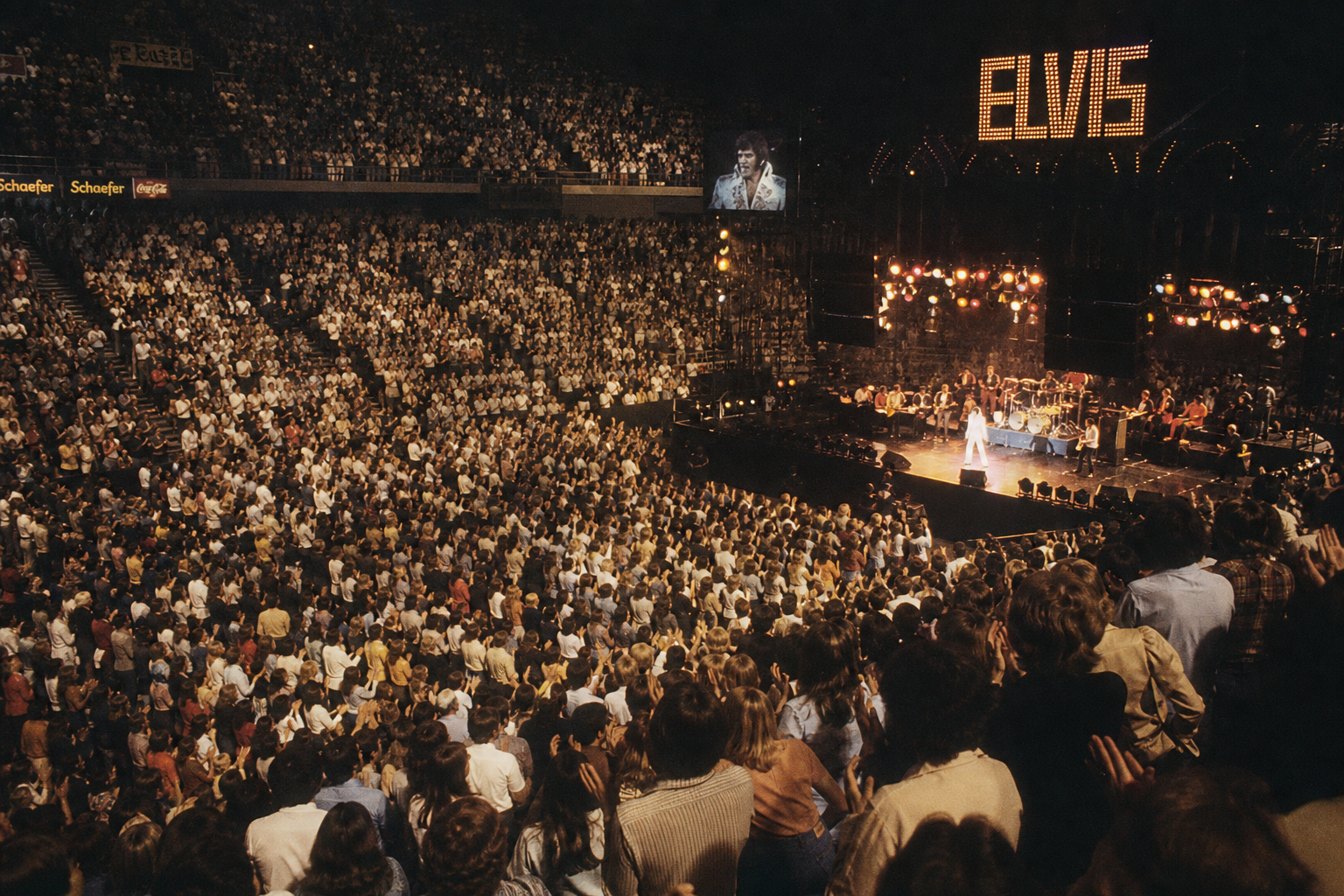
Elvis Presley’s last concert took place on June 26, 1977, at Market Square Arena in Indianapolis, Indiana. The show was part of a summer tour, and for the audience, it seemed like another chance to see a living legend. Few people in the building would have guessed they were watching the final chapter of his performing life.
The crowd response was immediate and emotional. Elvis was still Elvis to them, and the room reacted to his presence with the kind of excitement that only a true icon can generate. He moved through the set with the professionalism that had defined him for decades, but the performance carried an extra layer of poignancy that is easier to recognize now than it was then.
One of the most moving aspects of the night was its normalcy. There was no dramatic announcement, no ceremonial goodbye, and no sense that history was being officially recorded. It was simply a concert, which is exactly why it feels so powerful today. The final performance was not staged as an ending; it became one because time turned it into a final statement.
That final song, “Can’t Help Falling in Love,” has become inseparable from the memory of the night. It was a familiar closer, but in this context it feels almost unbearably fitting. Its gentle melody and emotional directness gave the concert a soft landing, even as the larger story around it was beginning to darken. 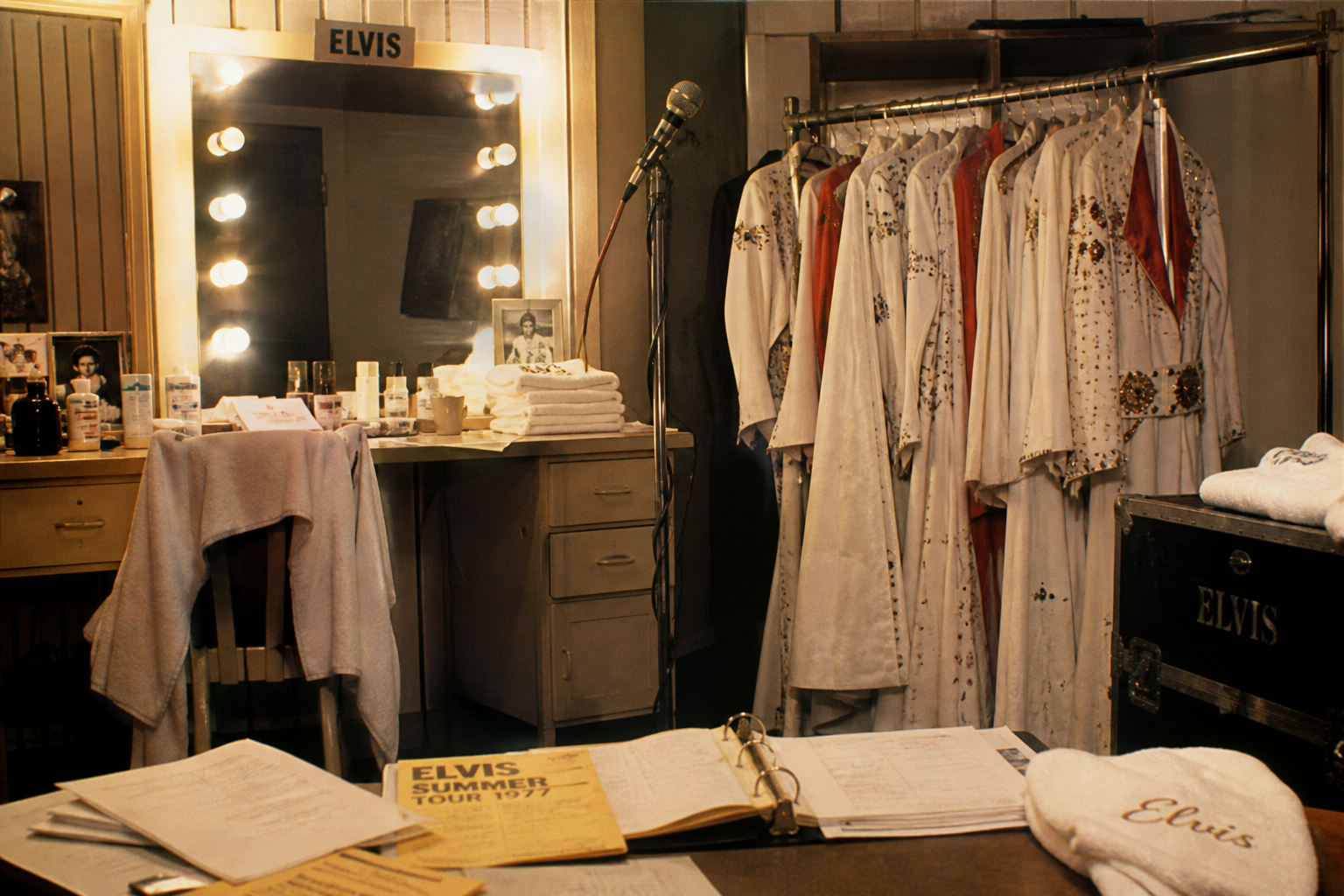
Behind the scenes and the emotional weight
Backstage, the atmosphere was likely more complicated than the audience realized. Touring life can be isolating even for healthy performers, and Elvis was dealing with the added pressure of public scrutiny. Every appearance was examined, every pause interpreted, and every rumor magnified.
Those close to him often described a mix of discipline, humor, and weariness. He could still connect with people in a room, but the effort required was greater than it had once been. That human cost is part of what makes the story of Elvis Presley’s last concert so memorable. It reminds us that legends are also vulnerable people with limits.
In the broader world of performance history, final shows often become emotional touchstones. They are remembered not just for what happened onstage, but for what they reveal about the artist’s life at that moment. Fans who study iconic endings often compare them to other major cultural performances, such as Whitney Houston’s Iconic Star-Spangled Banner Performance, where the emotional impact eventually became as important as the music itself.
The days that followed
After Indianapolis, Elvis did not return for another concert. His death on August 16, 1977, gave his final show a tragic permanence. What had been a routine tour stop became the last time millions would ever see him perform live.
That fact changed how fans and historians viewed the concert. Details that once seemed ordinary now carried symbolic meaning. The pauses, the phrasing, the physical effort, and the closing song all became part of a larger narrative about decline, loyalty, and the stubborn professionalism that defined him to the end.
It is easy to romanticize the final performance, but the truth is more complex. Elvis was not presenting a farewell. He was working. He was fulfilling an obligation to his audience and to the persona he had built. That honesty makes the concert more moving, not less.
For a performer whose influence stretched across genres, this final chapter also reflects the emotional power of live music itself. Like other legendary artists whose careers ended in public view, Elvis left behind a final performance that fans return to again and again. In that sense, his story belongs alongside other enduring music narratives, including Top 5 Joe Cocker Songs That Defined His Legendary Career and the long legacy of John Lennon: Life, Music, Activism, and Lasting Legacy.
Legacy: Why Elvis Presley’s Last Concert Endures
The legacy of Elvis Presley’s last concert is tied to both memory and meaning. It captures a moment when the King of Rock and Roll was still performing, still giving, and still reaching for connection. That final show reminds audiences that greatness is not always polished; sometimes it is most powerful when it is fragile.
His final concert also deepened the mythology around Elvis. Fans continue to revisit the set list, the footage, and the stories from people who were there. The performance has become a historical marker, not because it was flawless, but because it was real.
Elvis’s influence did not end with his death. His vocal style, stagecraft, and cultural image continue to shape music, fashion, and celebrity performance. New generations still discover his work through recordings, documentaries, and tributes that keep his image in circulation.
The final concert also serves as a reminder of how live performance creates lasting memory. People do not just remember songs; they remember the atmosphere, the body language, and the emotional temperature of a room. That is why the story remains powerful decades later. It feels personal, even to listeners who were never there.
In a broader cultural sense, the concert represents the closing of an era. Elvis was one of the defining figures of 20th-century popular music, and his final performance marked the end of a chapter that had begun with a cultural revolution. His death, and the concert that preceded it, helped cement his place as both artist and legend. The same kind of lasting public memory can be seen in other musical turning points, including songs and performances that continue to shape American music history.
His final show also reflects the emotional cost of fame. Success gave Elvis extraordinary reach, but it also created expectations that never loosened. The last concert is therefore not only a music story. It is a human story about endurance, pressure, and the difficulty of stepping out of a role that the world refuses to release.
Conclusion: The Meaning of the Final Performance
Elvis Presley’s last concert matters because it was both ordinary and historic. It was a scheduled performance in a touring life that had become routine, yet it later revealed itself as the final public expression of one of music’s greatest voices. That contrast gives the story its lasting power.
When people look back on the night in Indianapolis, they are not only remembering a set list. They are remembering the final moment when an icon stood before an audience and delivered what he could, as best he could. That is why the story still resonates.
The untold truth behind Elvis Presley’s last concert is that it was never meant to be a legend. It became one because of what came after. In the end, the performance stands as a moving reminder that even the brightest stars leave behind quiet final moments, and those moments can become the ones history never forgets. 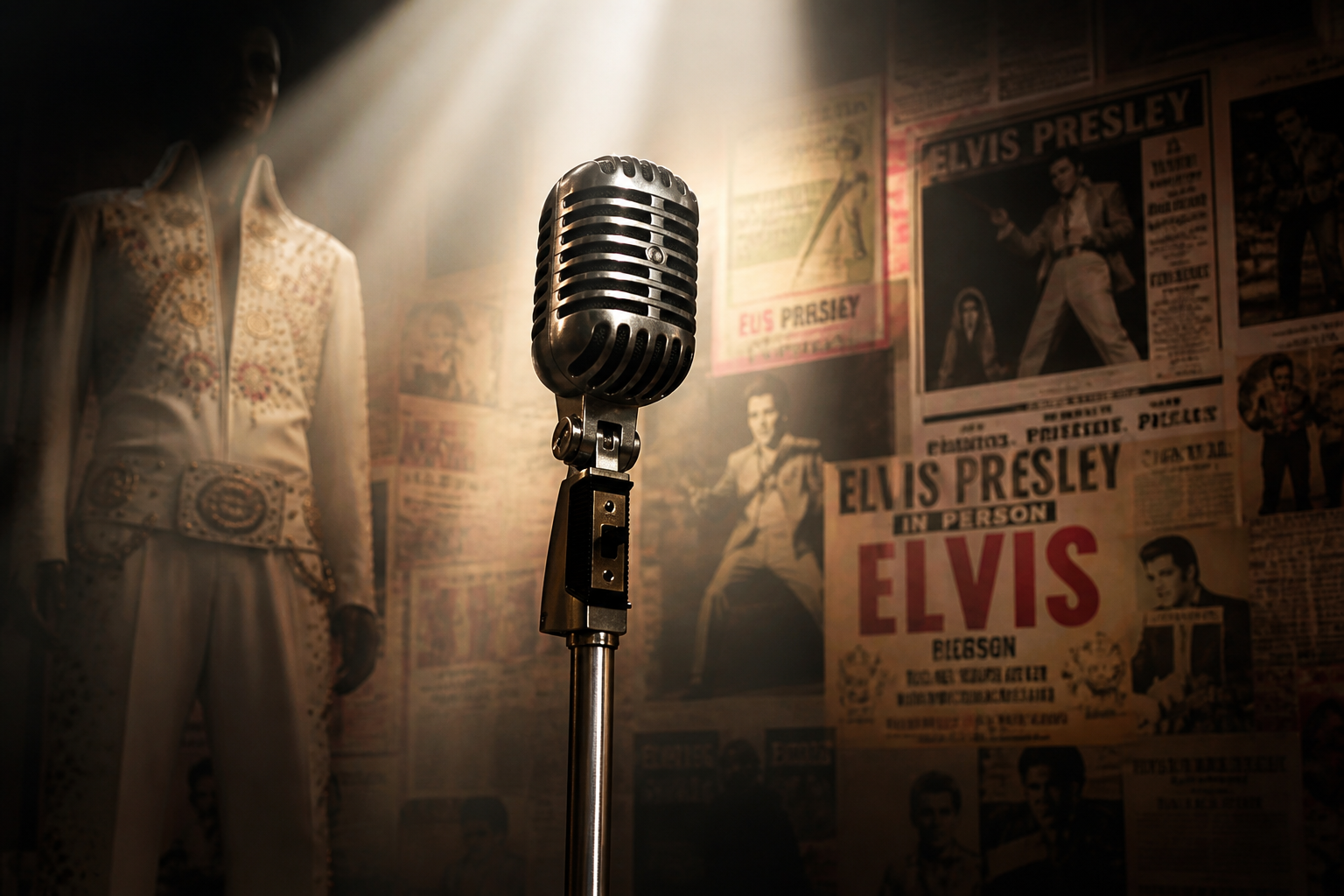
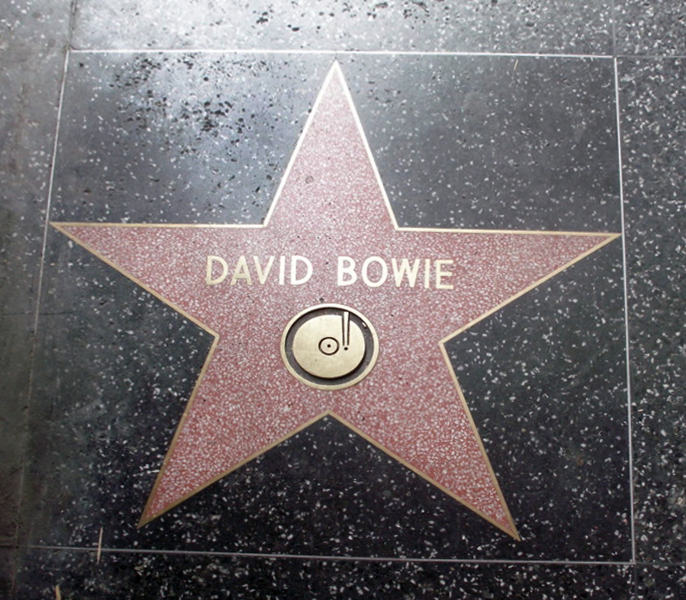
How David Bowie Reinvented Himself and Changed Music Forever

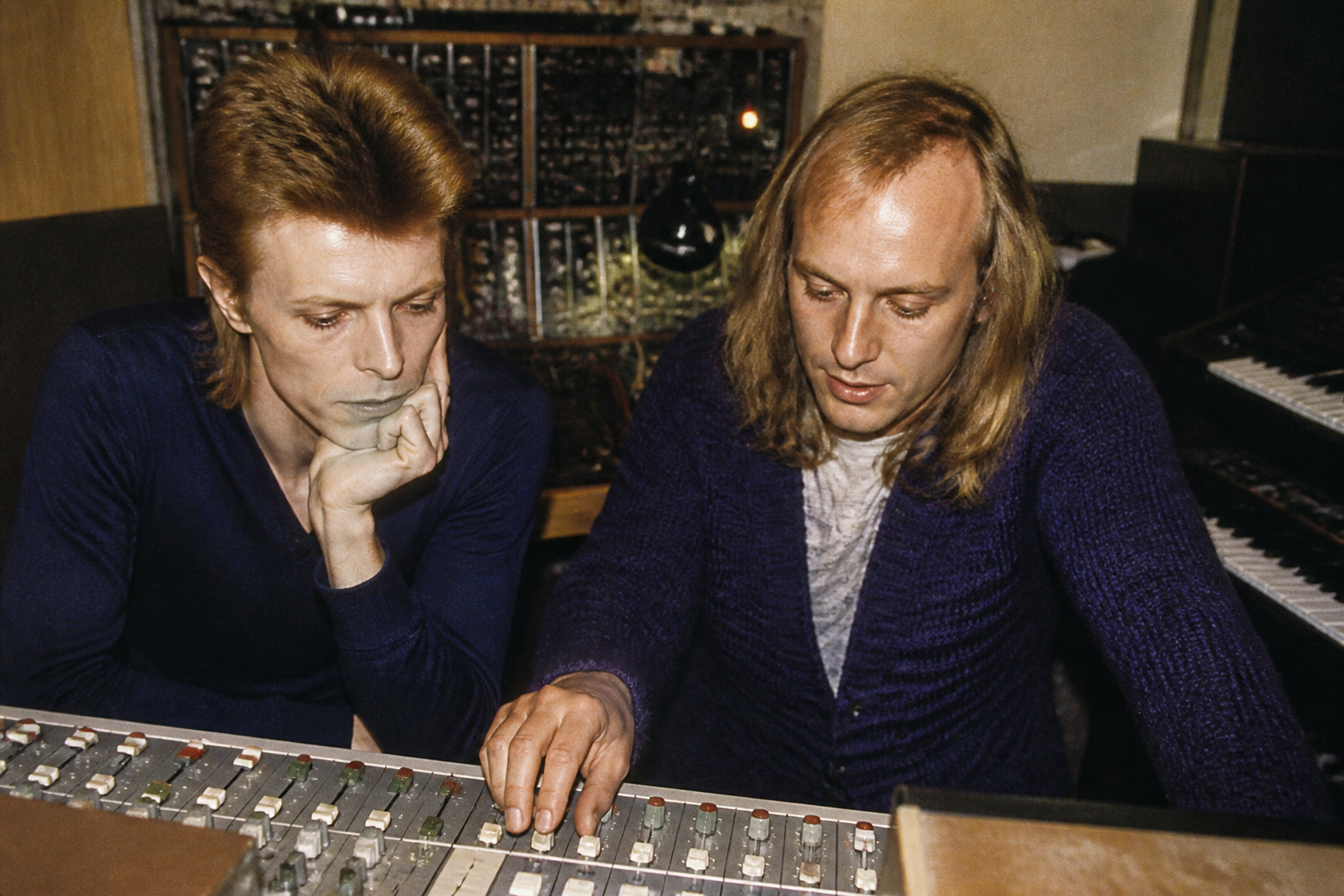
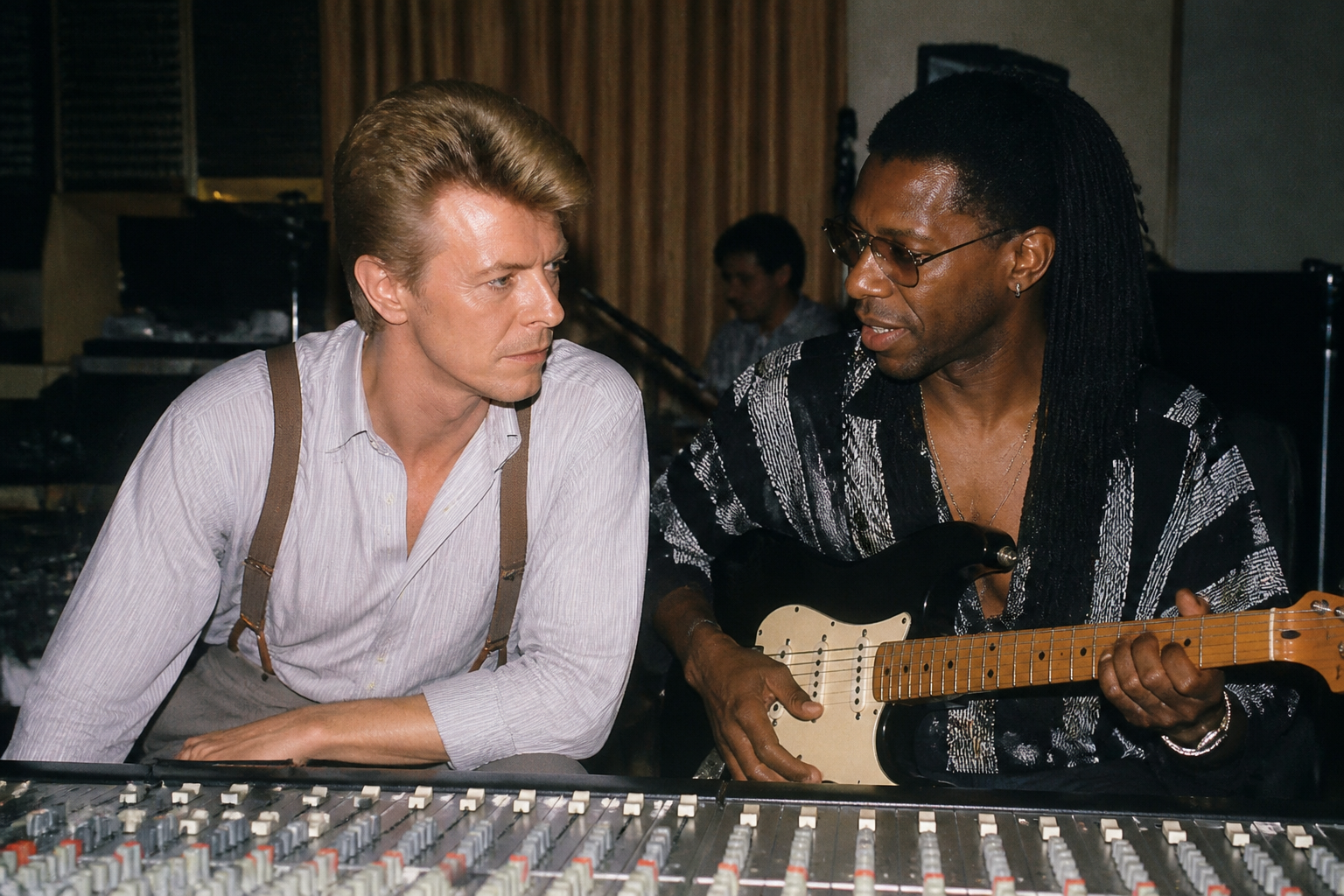
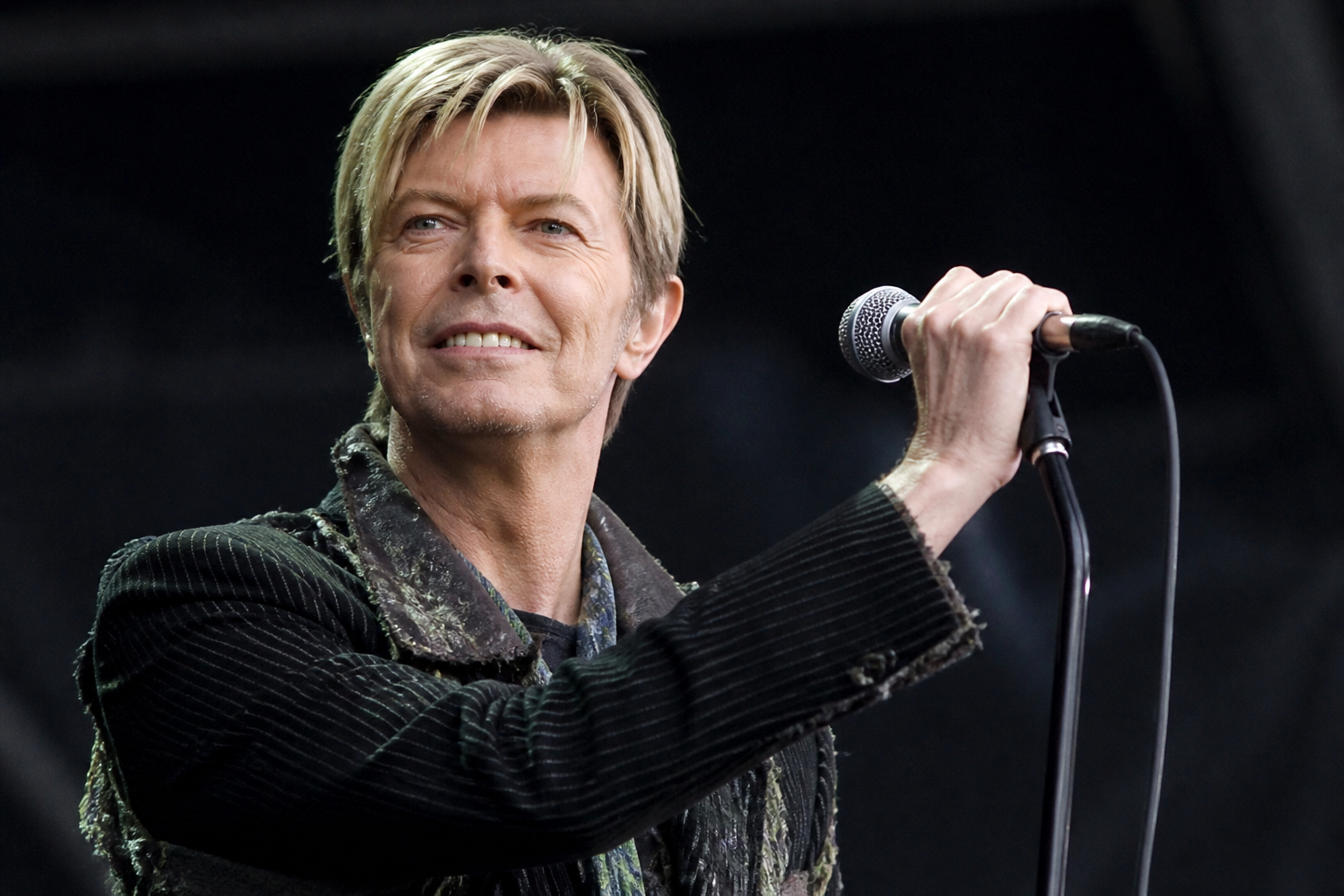
David Bowie made reinvention part of his artistic identity, and popular music has never quite looked the same. Across five decades, he treated image, sound, and performance as connected pieces of one creative vision. That approach made him one of the clearest examples of how a single artist could reshape an era without staying in one place for long.
Comments 0