By the final months of 1977, Elvis Presley was still drawing packed arenas, but the pattern around him had narrowed into a punishing circuit of hotels, airports, and stage dates. The last tour leg of his career now reads as more than a list of shows; it is a record of a star who kept working while the public sensed the end was near.
The phrase Elvis Presley and the words “last tour dates” are usually paired with hindsight. In real time, fans knew only that the schedule kept moving, the performances kept happening, and the strain on the center of the show was becoming harder to ignore.
Elvis Presley’s final tour dates in 1977
Elvis Presley’s final tour dates in 1977 came during a year that began with a January Las Vegas engagement and ended with his death on August 16, 1977, at Graceland in Memphis. The last concert tour began in April and wound through the Midwest and South, with one final stretch in June that now carries outsized weight in Presley history.
The tour schedule included shows in April, May, and June, and the closing pair of performances took place on June 29 in Indianapolis, Indiana, and on June 30 in Rapid City, South Dakota. Those dates mattered because they were the final documented concerts Presley ever gave, and because they show a performer who could still command an audience even as his health and energy visibly fluctuated.
The final tour dates were not a farewell tour in the formal sense. Presley did not announce a final run, and the public was not told that the June concerts would be the last. The significance comes from what happened later, when the calendar stopped with no next booking to follow.
Elvis Presley’s last tour in the context of 1977
Elvis Presley’s last tour in 1977 followed years of relentless live work and a long dependence on road dates as the center of his career. After the 1968 television comeback and the Las Vegas residencies of the 1970s, touring became less about reinvention and more about keeping the machine moving.
Presley’s live format in the 1970s was familiar by design. The concerts leaned on hits, gospel, ballads, and the theatrical structure his audience expected, and the shows were supported by a large band, backing singers, and the traditional opening and closing rituals that framed an Elvis appearance.
The 1977 tour also reflected the way Presley’s public life had become increasingly managed around travel and stage time. He spent much of the year moving between commitments in Las Vegas, Memphis, and selected tour stops, and the concert schedule gave his team a framework that was still commercially powerful.
For readers interested in the larger career arc, Presley’s 1968 comeback special remains an essential reference point, because it marked the transition into the live era that dominated his later years. The path from television return to late touring helps explain why the 1977 dates mattered so much.
The strange calm before the end
The strange calm before the end came from the contrast between what the audience saw and what time has since revealed. Onstage, Presley could still deliver recognizable, crowd-pleasing performances. Offstage, the broader picture was one of fatigue, medical concern, and a pace that had become difficult to sustain.
That calm is not a myth, but it should be described carefully. Some concerts from 1977 are remembered for uneven vocals or visible difficulty, while other moments show Presley in workable form, following his set and engaging the room. The record is mixed because the final year was mixed.
The atmosphere around those shows also came from routine. Presley’s touring life had acquired a kind of sameness: arrive, rest, rehearse, perform, leave. In 1977, that routine continued even as the stakes around each appearance rose because of the growing awareness that his condition was unstable.
Public memory often turns the final year into a single tragic picture, but the documentation is more complicated. Presley was still an active performer, and the final tour dates were part of his working life, not a stage-managed epilogue written in advance.
June 29 in Indianapolis and June 30 in Rapid City
June 29 in Indianapolis and June 30 in Rapid City were the final documented concerts of Elvis Presley’s life. Those two nights are central because they are the last points in the live record where the full Presley concert experience can still be described as current history rather than retrospective legend.
The Indianapolis show at Market Square Arena and the Rapid City show at the Rushmore Plaza Civic Center are often discussed together because they form the closing pair of the road schedule. The dates are firmly established, and they anchor any honest account of the last tour without drifting into speculation.
The performances themselves should be understood as part of a working tour, not isolated marvels. Presley sang, the band played, the audience responded, and the machinery of the concert business kept going through the final night in South Dakota.
For a broader sense of what Presley still represented in the market, his later live performances remain tied to the same brand of spectacle that made him a national figure in the first place. The surviving record of the 1977 shows is valuable because it documents how that spectacle looked at the end.
Elvis Presley’s stage record in the final year
Elvis Presley’s stage record in the final year includes both strength and visible decline, and both parts matter. A factual account cannot flatten the year into either triumph or collapse, because the surviving evidence supports neither extreme.
The concerts of 1977 still drew attention because Presley’s stage persona remained instantly recognizable. He used the same formal concert structure that had defined his 1970s appearances, and audiences came expecting familiar songs, signature gestures, and the presence that had made him a live event for decades.
At the same time, reports from the year documented concern over his physical condition and stamina. Those concerns were public, and they shaped how later listeners and historians interpret the footage, recordings, and eyewitness accounts from the last tour dates.
This tension is what gives the final year its unsettling quality. Presley was not absent from the stage, and he was not reduced to a single bad night. He was still visible, still working, and still part of the touring circuit right up to the end.
Readers who want the larger context can compare the late tour dates with the broader story of his career at Elvis Presley. The contrast between the icon and the exhausted worker is one reason the 1977 material continues to matter.
Why the final tour dates still matter
The final tour dates still matter because they capture the last functioning version of a monumental live career. Presley had been a record-breaking performer long before 1977, but the last tour shows how a huge public image can keep operating even when the person inside it is under strain.
The dates also matter because they mark the end of an era in a clean, factual way. There is no need for rumor or embellishment when the record already provides the conclusion: June 30, 1977, was the last time Elvis Presley performed a concert.
That fact gives the final tour a particular emotional force. Every later story about Presley’s final summer, death, and posthumous legacy begins with the knowledge that the road ended in South Dakota after Indianapolis the night before.
The clean chronology also explains why these concerts remain a recurring subject in music history. They sit at the intersection of performance, celebrity, and mortality, and they show how the public often sees the ending only after the schedule has already closed.
For readers interested in how the live career was packaged by the industry, Elvis Presley remains the basic reference point, while the later tour dates offer the most direct evidence of his final working weeks.
What is documented, and what is not
What is documented about Elvis Presley’s final tour dates is straightforward: he toured in 1977, he played his final two concerts on June 29 and June 30, and he died on August 16, 1977, at Graceland. Those facts are stable and widely recorded.
What is not documented in any single tidy way is a simple final motive or a single private explanation for why he kept working as long as he did. Historians can describe the schedule, the public appearances, and the visible strain, but they cannot honestly reduce the last year to one private sentence.
That distinction matters because Presley’s final months have attracted years of commentary and mythmaking. A careful profile has to keep the documented timeline separate from interpretation, even when the interpretation is emotionally tempting.
The most responsible reading of the last tour dates is therefore modest and direct. Elvis Presley kept performing until the end of June 1977, and the final stretch of that work became part of the enduring record of American popular music.
The result is a story with no need for invention. The dates, the cities, the sequence, and the ending are enough to show why the last tour continues to draw attention, and why the calm around it feels so strange in retrospect.
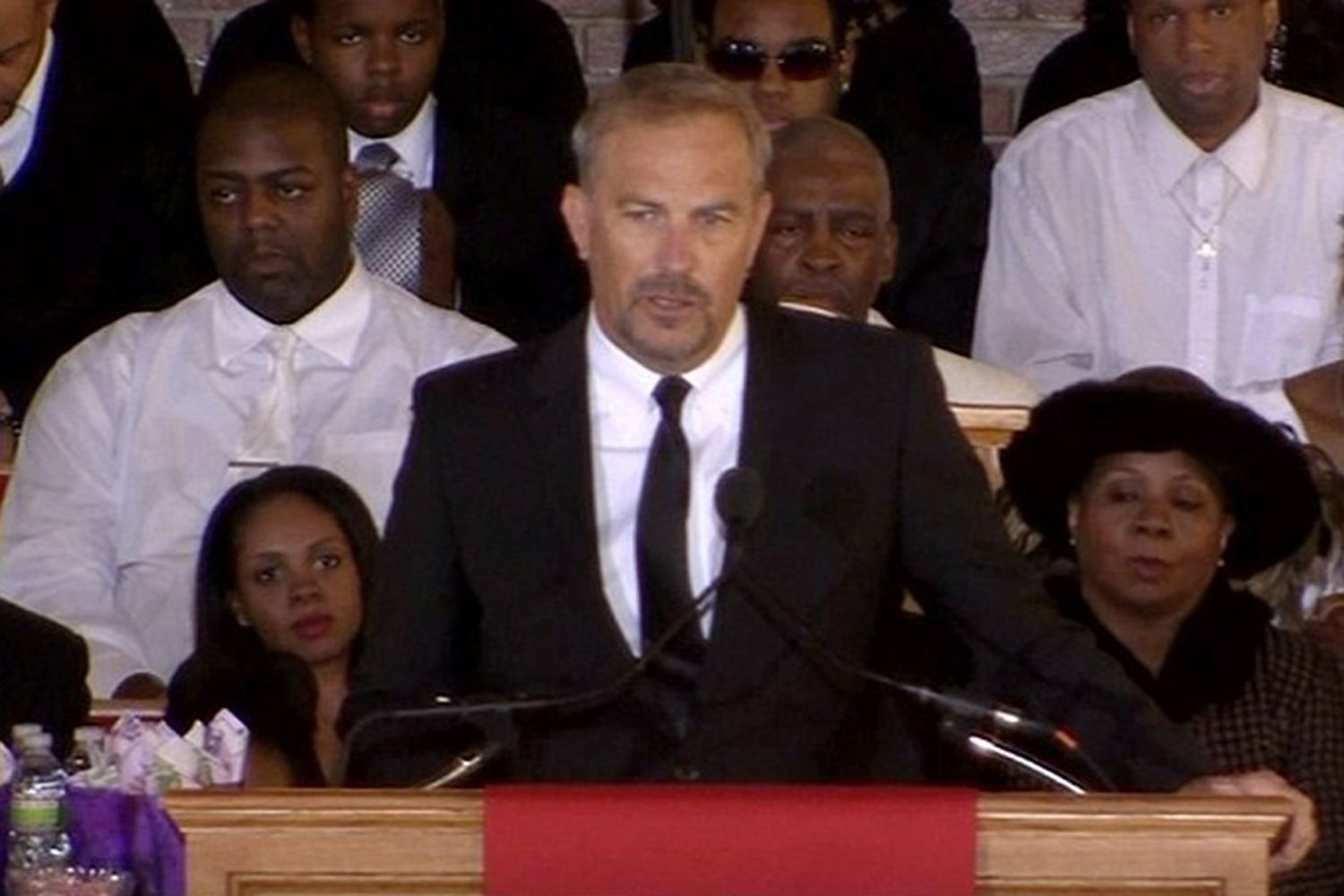
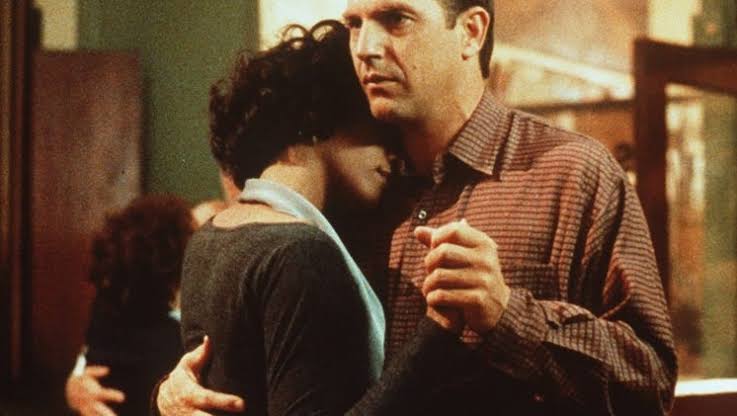
Why Kevin Costner Hesitated to Speak at Whitney Houston’s Funeral
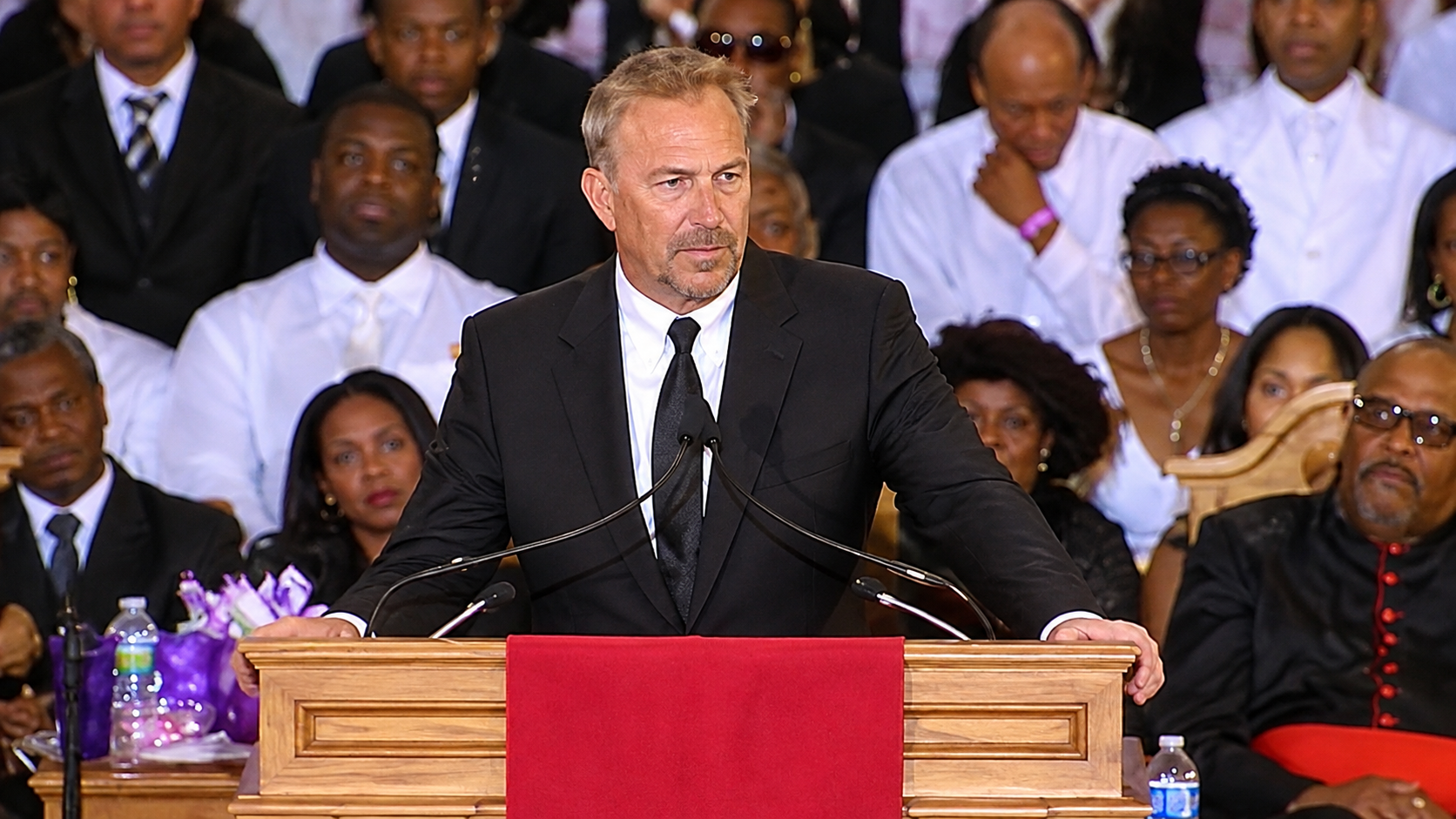
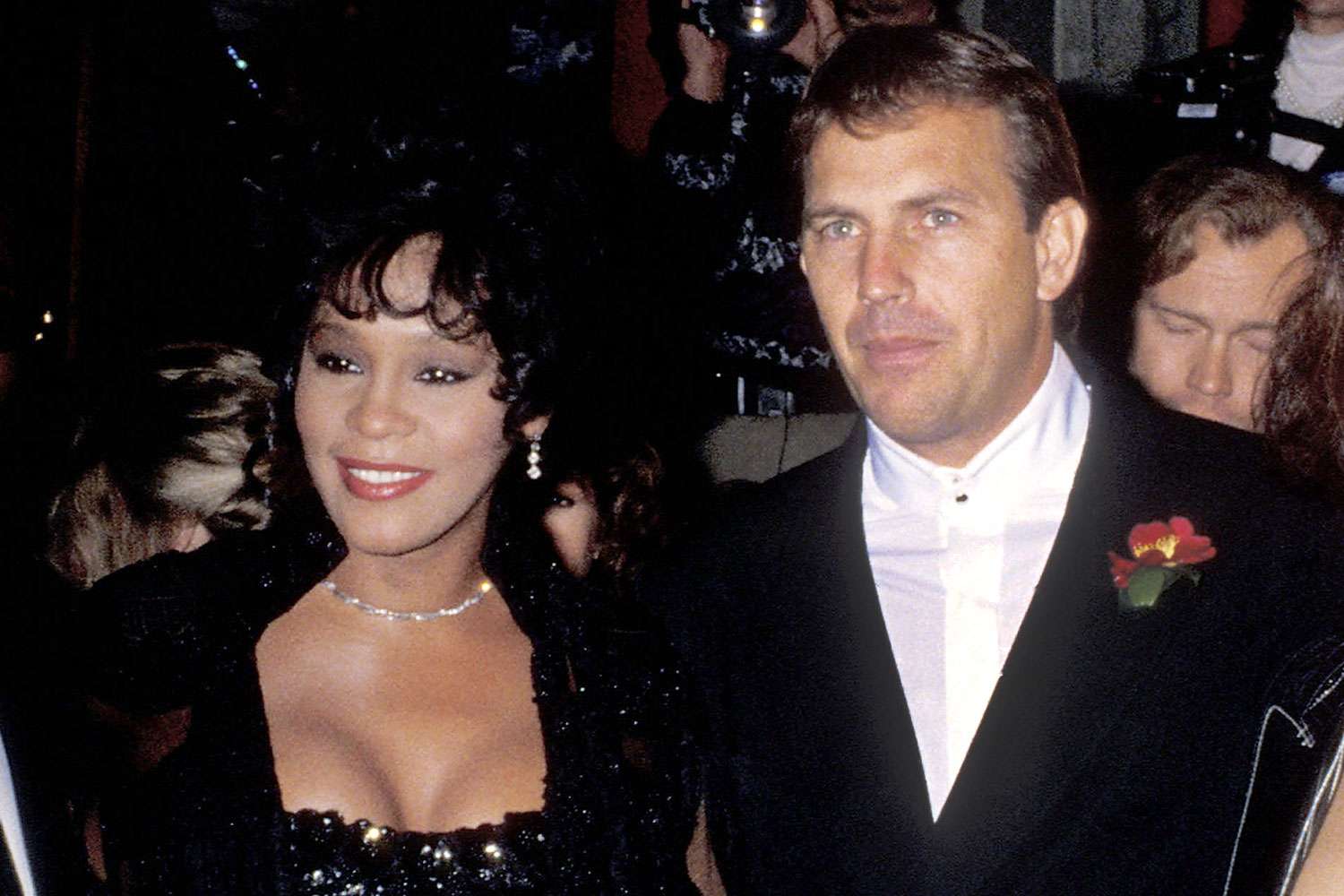
Whitney Houston’s Funeral brought together family, friends, and music legends to remember one of the greatest voices of her generation. Among those asked to speak was Kevin Costner, her co-star in The Bodyguard and a longtime friend. Yet, despite their meaningful connection, Costner initially questioned whether he was the right person to deliver a tribute. A heartfelt phone call from Dionne Warwick ultimately changed his mind, leading to one of the most memorable moments of the service.
Comments 0