Elvis Presley spent August 16, 1977 at Graceland, where a quiet morning turned into one of the most studied moments in music history. The day mattered because it showed Elvis Presley in a private setting, surrounded by routine, just before the emergency that shocked the world. It remains a powerful story because the facts are clear, the setting is familiar, and the outcome changed popular culture overnight.
By that time, Elvis Presley was living with serious strain that had built over many years. His health had declined, his sleep patterns were irregular, and the demands of fame had taken a visible toll. To understand the day properly, it helps to look at his condition, the people around him, and the ordinary rhythm of Graceland.
What led up to Elvis Presley’s final day
In the weeks before August 16, Elvis Presley was moving through a difficult personal and professional period. He was still working, but he was also isolated in ways that worried people close to him. Friends, family members, and staff had noticed fatigue, pain, and the effects of long-term medication use.
The public image of Elvis Presley often suggested constant energy, but life at Graceland was more limited and private. He spent time resting, reading, and following a schedule far removed from his busiest touring years. Household staff, security, and close companions handled much of the daily routine around him.
He was still thinking about future work and still had business matters in motion. That matters because August 16 was not the day of a planned public event or a final concert appearance. It was a normal day in a life already shaped by pressure, which made the later emergency feel even more sudden.
For historians, the larger context is essential. Elvis Presley was living with long-running health concerns, a demanding legacy, and expectations that came with being one of the most important figures in Entertainment. His final day cannot be separated from that broader reality.
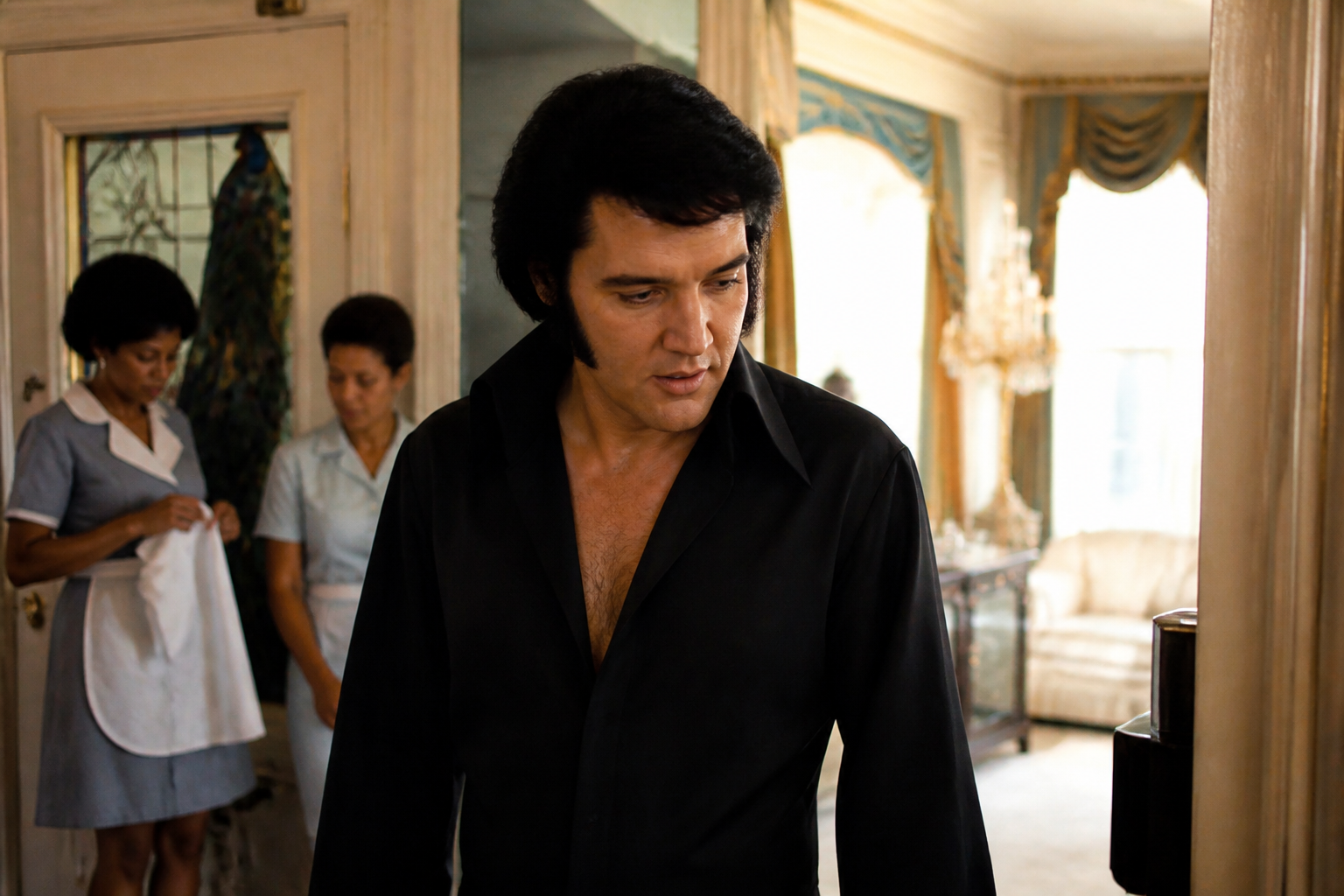
Elvis Presley’s condition in mid-August 1977
Elvis Presley had returned to Memphis and was spending much of his time at Graceland. Reports from the period suggest he struggled with insomnia and often stayed awake at unusual hours. That pattern affected his daily routine and the people who managed the house around him.
In practical terms, his days could start late and stretch far into the night. He usually lived with a small inner circle, and the staff adjusted to his habits. On August 16, that routine shaped the hours before he was discovered unresponsive.
His plans for the day were private and ordinary. He had home activities and other personal matters ahead of him, not a public appearance or major performance. The quiet start to the day is part of why the later emergency was so shocking.
Elvis Presley was still a working artist in the broader sense, even if his career had changed. His place in Entertainment was already historic, but he remained an active figure rather than a finished memory. That is why the final hours are remembered as the end of a living career, not just a postscript.
Elvis Presley’s last morning at Graceland
The morning of August 16 was later reconstructed from accounts given by the people in the house. Elvis Presley had stayed up late, and the final morning followed a pattern that did not resemble a normal sleep schedule. He remained at home, and several household members were moving through familiar routines.
He spent part of the night with people in his inner circle, including his fiancée, Ginger Alden, who was at Graceland during the final day. Other staff members were nearby as well, and the house continued to operate around Elvis Presley’s unusual rhythm. That close setting is central to how the day unfolded.
According to the commonly accepted timeline, Elvis Presley eventually went into the bathroom shortly before he was found unresponsive. Before that, there were small signs of a day that seemed ordinary. He had spoken with people in the house and was not in public view.
The importance of that last morning lies in its normality. Nothing about it announced itself as historic at the time, which is often how turning points unfold. In the story of Elvis Presley’s final day, the calm before the emergency is what makes the timeline so memorable.
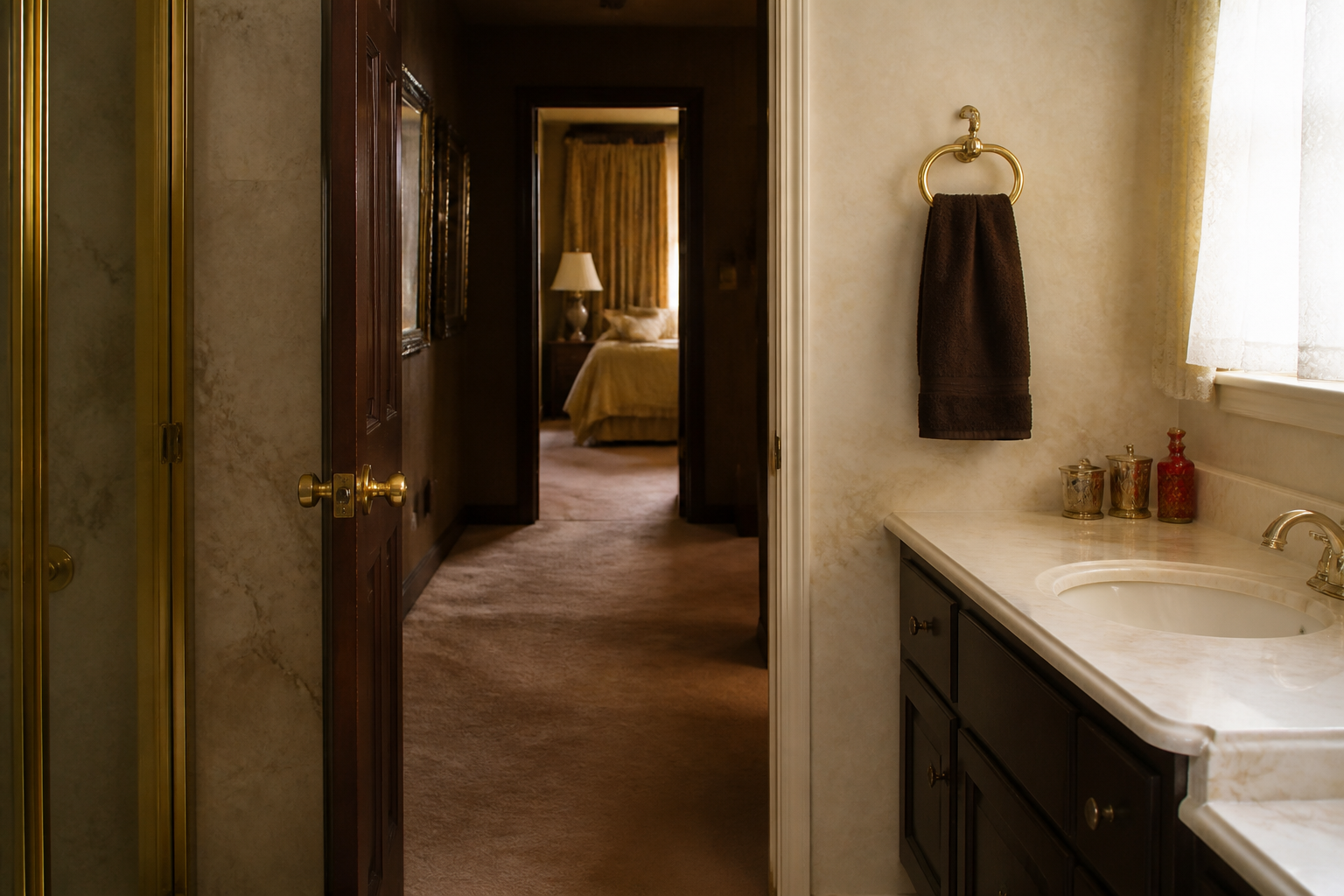
Events at Graceland on August 16, 1977
Graceland was both a home and a refuge for Elvis Presley, which made the setting especially meaningful. On August 16, 1977, the Memphis mansion held the quiet movements of staff, family, and close companions. It was a private space, not a public stage, and that distinction shaped the emotional weight of the day.
By late morning, concern grew when Elvis Presley did not appear as expected. He had gone into the bathroom, and after enough time passed, those nearby began to check on him. That decision led to the discovery that changed the day from routine to emergency.
Ginger Alden was among the first people to realize something was wrong. The accounts from that moment describe alarm inside the house and an immediate attempt to respond. Staff members rushed to help, and Graceland shifted quickly from quiet domestic life to crisis.
The setting matters because it shows that Elvis Presley’s final day was not a performance or a public event. It happened in the intimate space of his own home, surrounded by people who knew his habits but could not stop the outcome. That private location is one reason the story still feels personal.
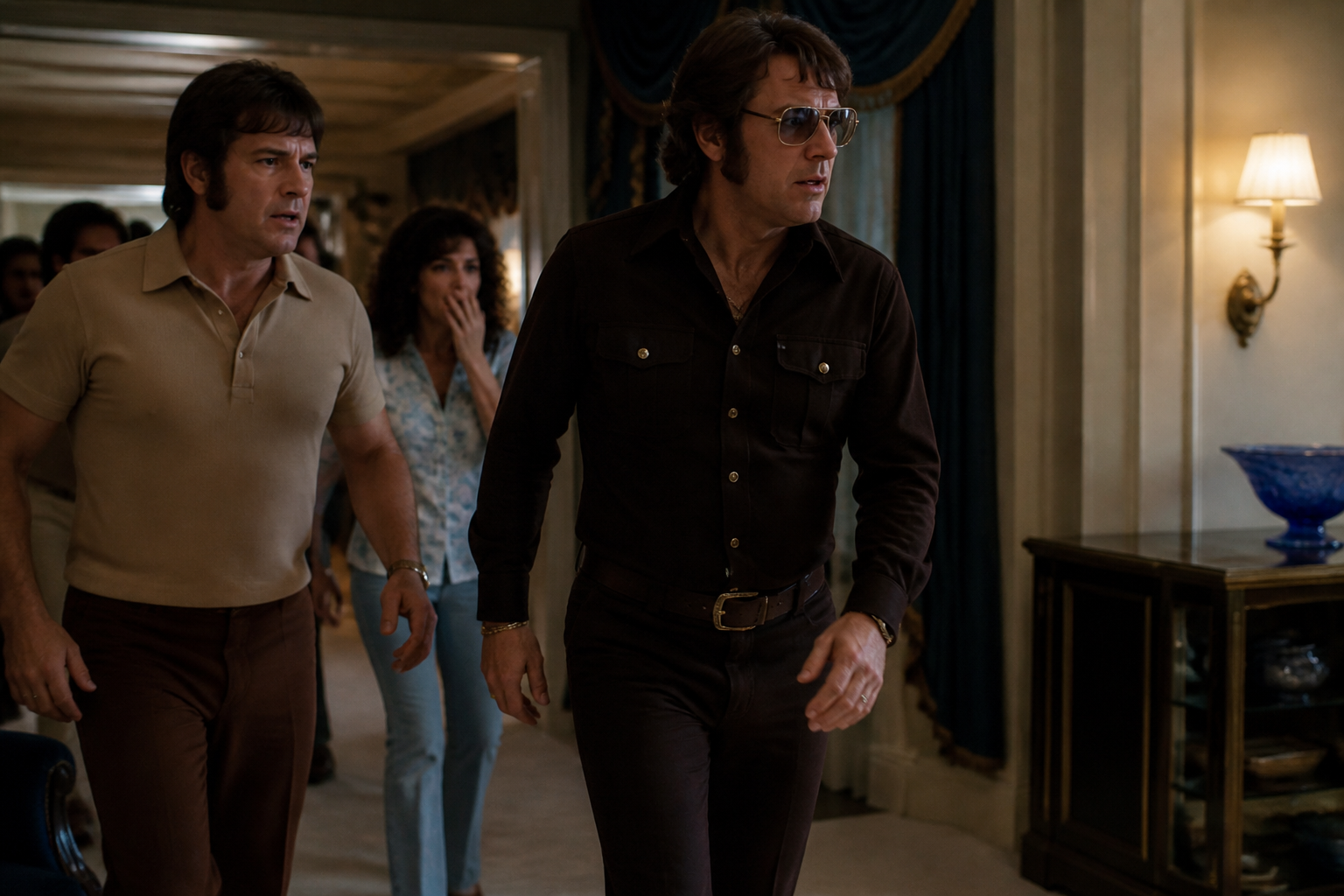
The discovery and emergency response
Once Elvis Presley was found unresponsive, the response was immediate and frantic. People inside the house tried to help, and emergency services were called quickly. Those first minutes became part of the public record because they marked the final attempt to save him.
Medical personnel arrived and attempted resuscitation. Elvis Presley was then transported to Baptist Memorial Hospital in Memphis, where further efforts were made to revive him. Despite those efforts, he was pronounced dead later that day.
This part of the timeline matters because it separates fact from rumor. The record shows a fast-moving emergency, not a long silence or secret delay. For anyone studying Elvis Presley’s final day, the official response provides the clearest anchor.
Family, staff, hospital workers, and officials all played roles during the emergency. Their work was procedural, urgent, and human rather than theatrical. In stories like this, the ordinary mechanics of emergency care matter as much as the famous name attached to them.

The people around Elvis Presley on his final day
Several people were with Elvis Presley during his last hours, and their presence gives the day a human shape. Ginger Alden was there, along with members of his household staff and support circle. The house was not crowded, but it was occupied by people familiar with his unusual schedule.
That close circle included people who managed practical details, maintained the home, and kept the routine moving. Their roles may seem secondary, yet they mattered because Elvis Presley’s life at Graceland depended on them. On August 16, they were the first witnesses to the shift from normality to crisis.
Famous death stories often focus only on the star, but that leaves out important context. Here, the people around Elvis Presley help establish the timeline and make the account more complete. They also remind readers that final days are lived in company, not in abstraction.
The presence of those close to him also underscores the private nature of the event. Elvis Presley was not alone in a public place, but in his own home with people who cared for him. That detail gives the day a more intimate and grounded feel than a headline alone can convey.
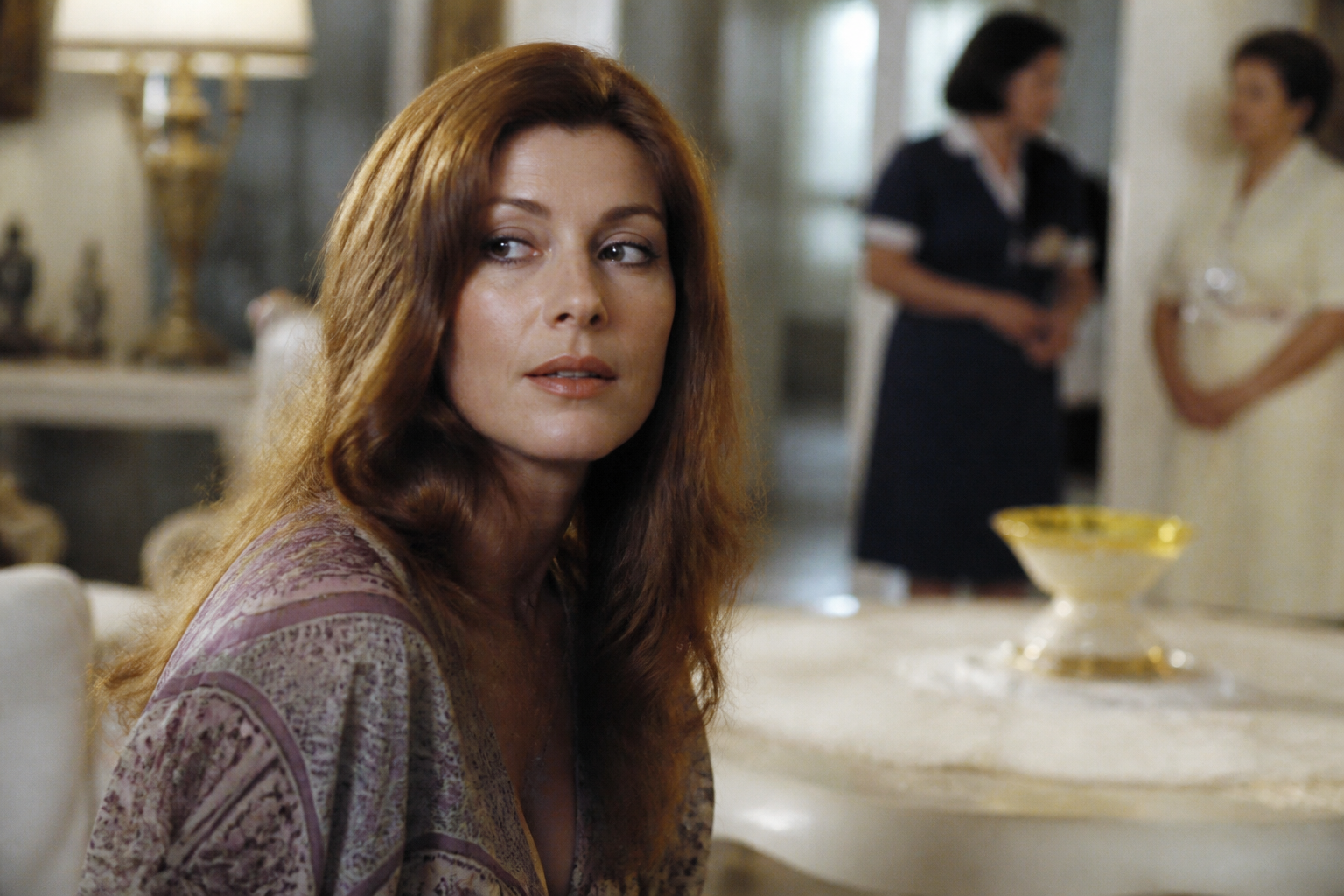
The official announcement and the public reaction
Elvis Presley’s death was announced to the world on the afternoon of August 16, 1977. The news spread quickly through media outlets, and the reaction was immediate. For many fans, it felt impossible that such a central figure in modern music was suddenly gone.
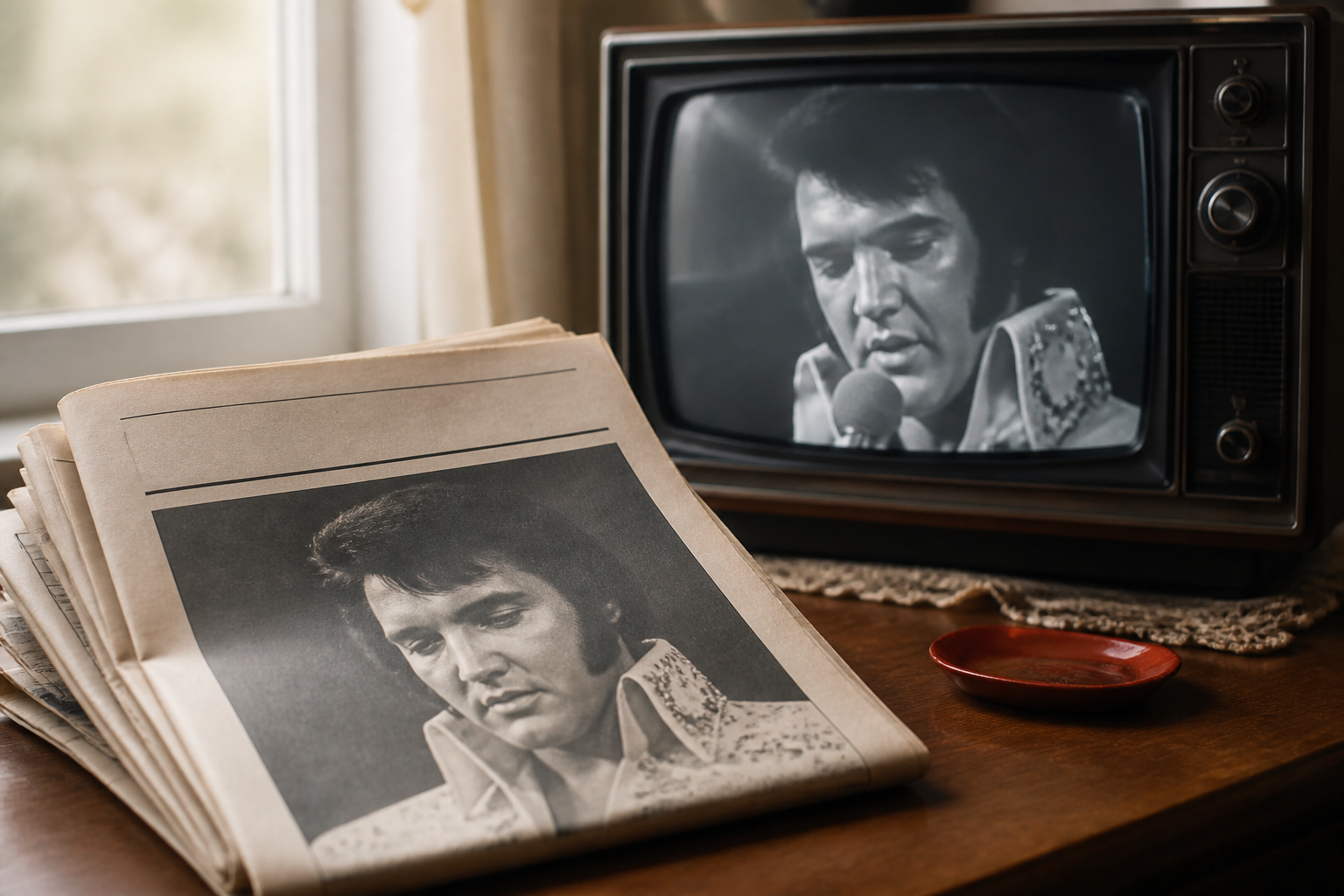
The announcement triggered shock far beyond Memphis. Radio stations interrupted programming, newspapers prepared special coverage, and television networks treated the story as major breaking news. The reaction showed how deeply Elvis Presley had entered everyday culture.
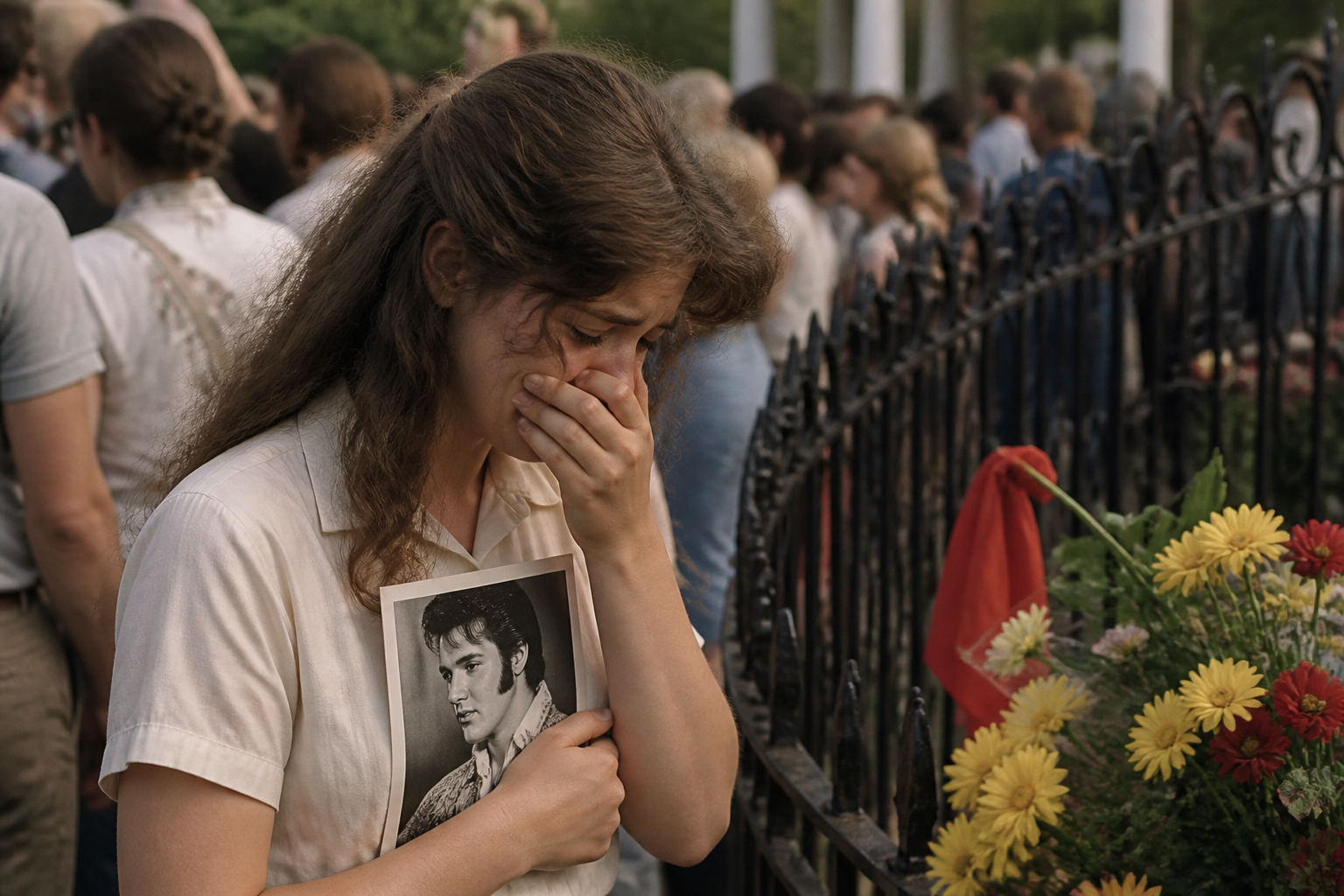
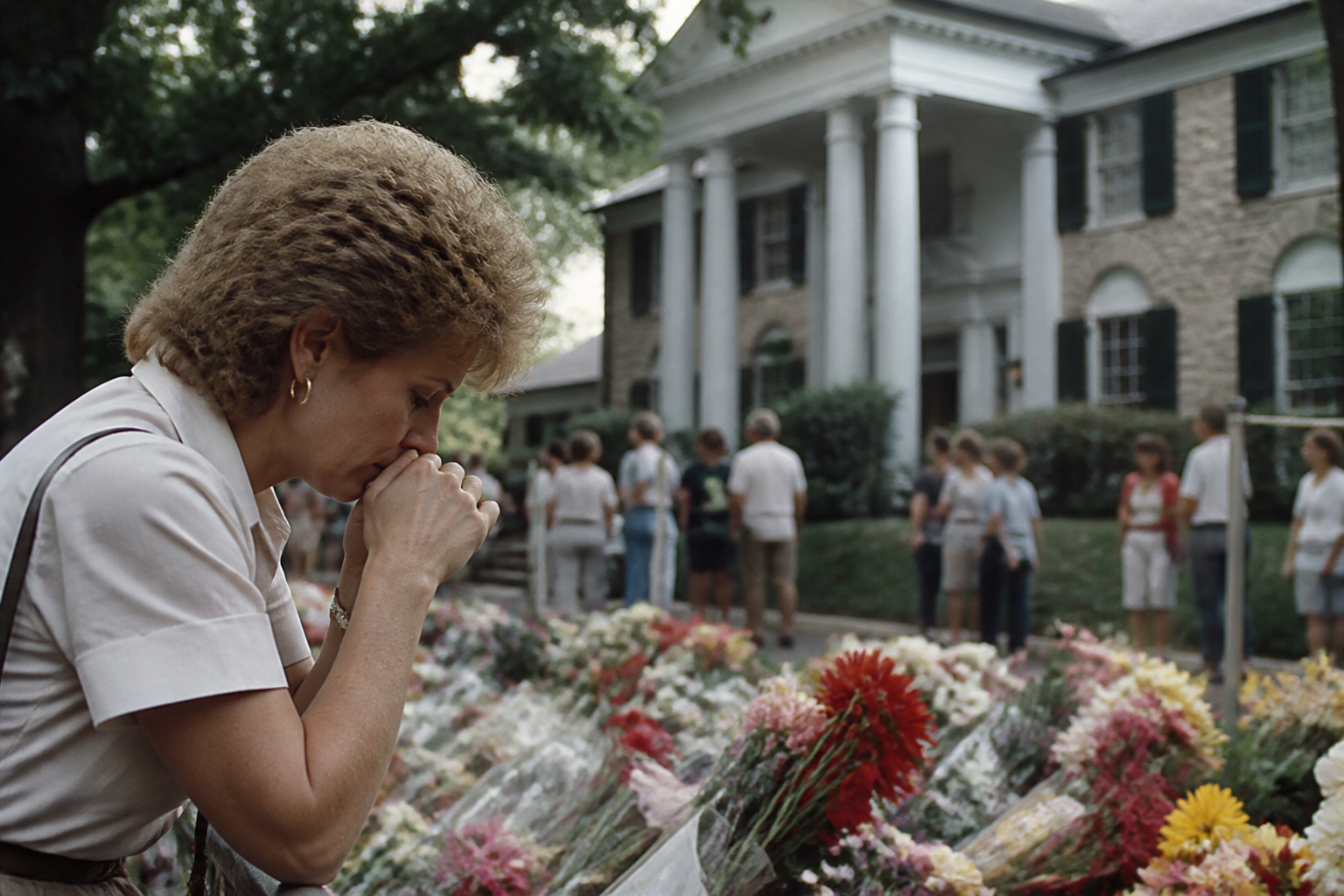
Fans gathered outside Graceland and near the hospital almost at once, and grief became visible in real time. Longtime followers reacted with disbelief, while younger listeners often learned the news as a historic rupture. The response was about sadness, but it was also about the end of an era.
Because Elvis Presley was so important to Entertainment, the announcement had unusual force. It was not only the death of a performer, but the loss of an icon whose image had shaped multiple generations. That is why the public reaction remains part of the story of the day.
How fans, musicians, and the press responded
The fan response was deeply emotional and often immediate. Many people traveled to Memphis or gathered in groups to hear updates, while others followed the story through radio and television. Mourning became visible in public spaces, which made the day feel larger than a private tragedy.
Musicians and entertainers also reacted with disbelief and respect. Elvis Presley had influenced singers across genres, and his death prompted reflection on his role in shaping modern music. That response is one reason his final day remains part of Entertainment history.
The press quickly shifted from breaking news to remembrance. Reporters focused on Elvis Presley’s career, his legacy, and the abruptness of his passing. The immediate human response was just as significant, because it revealed how many lives he had touched.
For historians, the public reaction is part of the event itself. A death becomes historically meaningful not only because it happens, but because of what people do with the news. On August 16, 1977, the scale of reaction confirmed Elvis Presley’s place in modern culture.
Why Elvis Presley’s final day still matters
Elvis Presley’s final day remains important because it joins private detail with public memory. The documented facts show a man at home, surrounded by a small circle, while the world was about to receive shocking news. That contrast between the intimate and the global is part of what makes the day endure.
The date is also historically significant because it marked the end of a career that had already transformed music. Elvis Presley was not just another celebrity whose death made headlines. He was a foundational figure in American popular culture, and his passing became a symbol of change.
Many people return to August 16, 1977 because it shows how history can feel personal. Fans remember where they were when they heard the news, and researchers study the timeline to understand the final hours. Both reactions are valid, and both reflect the same lasting significance.
Elvis Presley’s final day also matters because it is so closely tied to Graceland. The home became part of the historical record, not only as a residence but as the site of a defining event. That association continues to shape how visitors and readers think about his legacy.
The historical impact of August 16, 1977
August 16, 1977 changed the way the public spoke about Elvis Presley. From that point forward, his life was discussed as completed history rather than living presence. The music remained, but the person who made it had become part of cultural memory.
The day also influenced the language of celebrity mourning. Media coverage of famous deaths in later decades often drew comparisons to the response to Elvis Presley. The scale of the reaction helped establish a model for how major public loss could be covered.
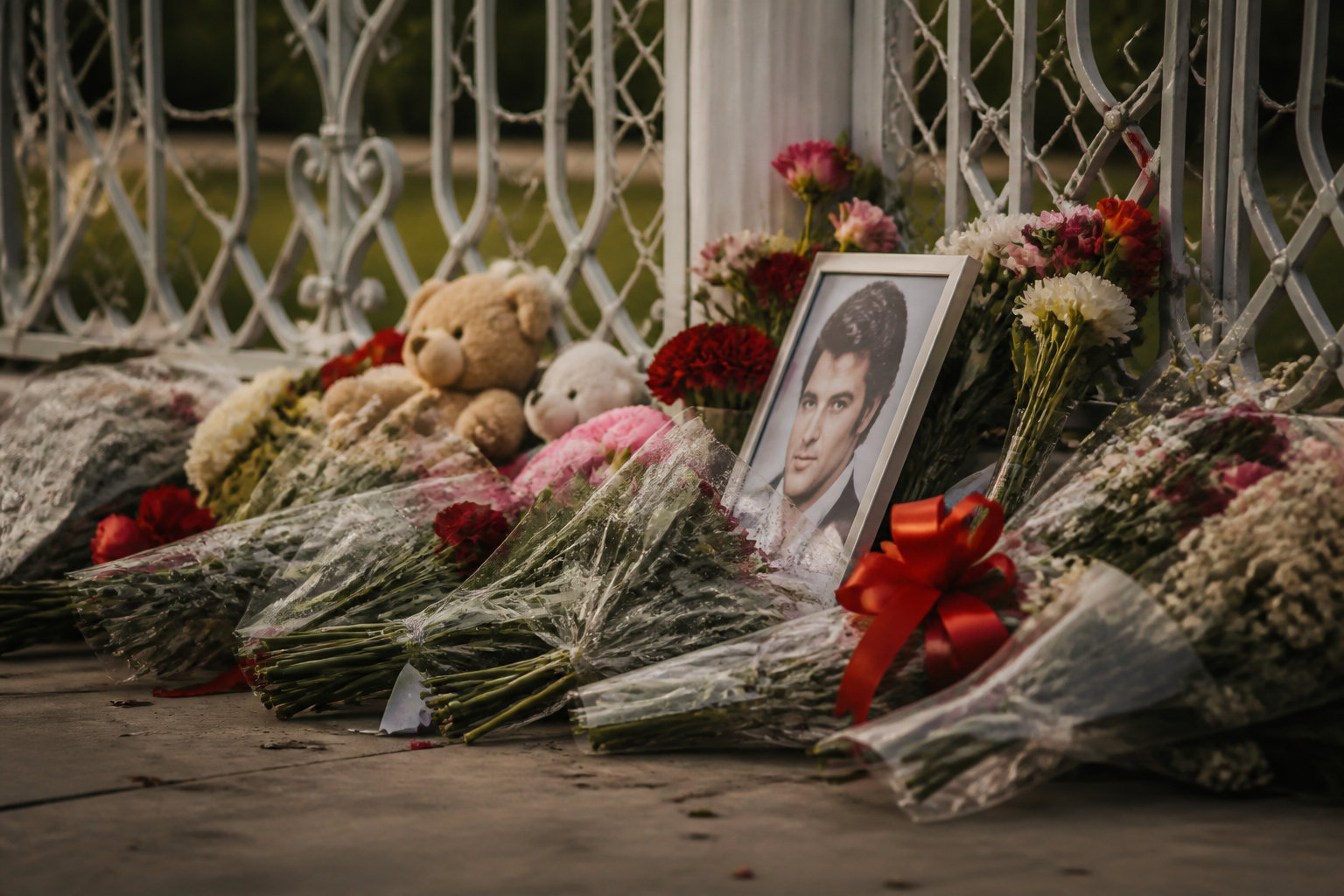
At Graceland, the aftermath turned the house into a place of pilgrimage. Fans continued to visit because the home had become linked with the final chapter of Elvis Presley’s life. In that sense, his final day did not end on August 16; it entered a longer historical afterlife.
The event remains relevant because it captures the meeting point of fame, vulnerability, and memory. Elvis Presley was one of the most famous people in the world, yet his last hours were shaped by the same human limits that affect everyone. That truth gives the day lasting emotional force.
What the record shows about Elvis Presley’s final hours
When people search for Elvis Presley’s final day, they usually want a precise timeline. The record provides a clear outline: a late and difficult morning, a discovery inside Graceland, emergency response, and a public announcement later that day. Those facts are widely accepted and form the backbone of the story.
What the record does not support are sensational claims that ignore the documented timeline. The most responsible way to tell the story is to stay close to what is known and avoid speculation. That approach respects both the historical record and the people who experienced the day.
This is also why August 16, 1977 remains such a strong historical subject. The story does not depend on rumor. The facts are already powerful enough on their own, and the consequences were immediate and enormous.
For that reason, the best reading of Elvis Presley’s final day is not as mystery, but as history. It was the final morning of a world-famous performer, the moment a private emergency became global news, and the point at which a living legend became memory.

Conclusion
Elvis Presley’s final day before his death on August 16, 1977 remains unforgettable because it was both ordinary and historic. The details are specific: Graceland, a small circle of people, a private morning, and a sudden emergency. Those facts have endured because they capture the final chapter of a life that shaped music history.
The reaction that followed showed the scale of Elvis Presley’s cultural presence. Fans mourned, the press covered every detail, and the world registered the end of an era. That immediate response helped turn the date into one of the most remembered moments in popular culture.
Looking back now, the significance of the day lies in its human scale. Elvis Presley’s final day was not a performance, but a real and fragile moment at home. That is why August 16, 1977 continues to resonate, and why it remains essential to the story of music history.
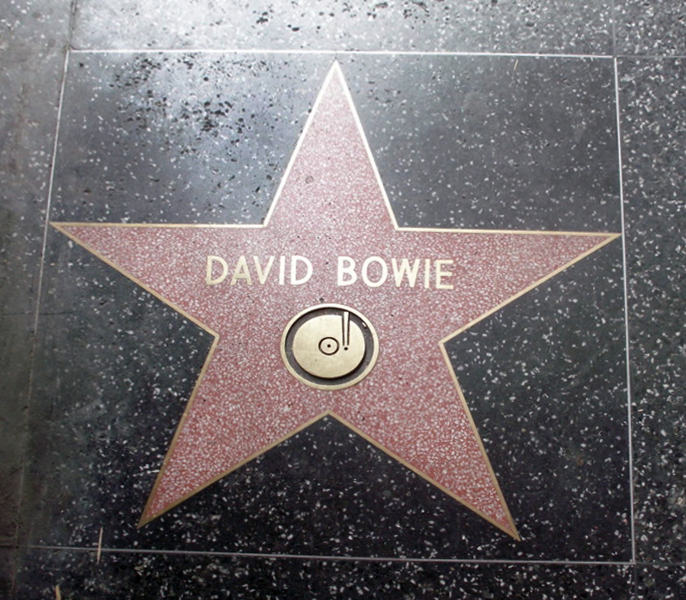
How David Bowie Reinvented Himself and Changed Music Forever

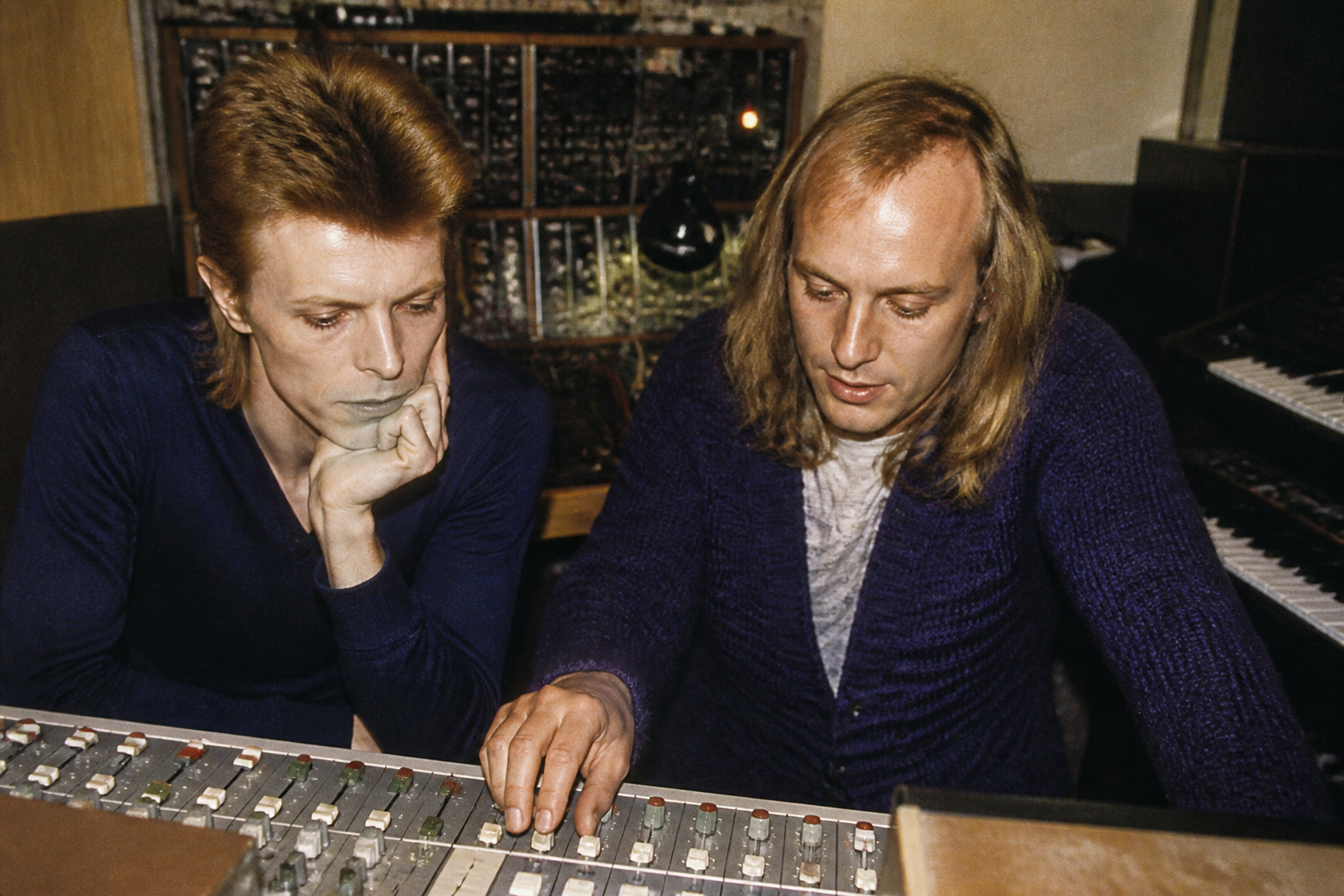
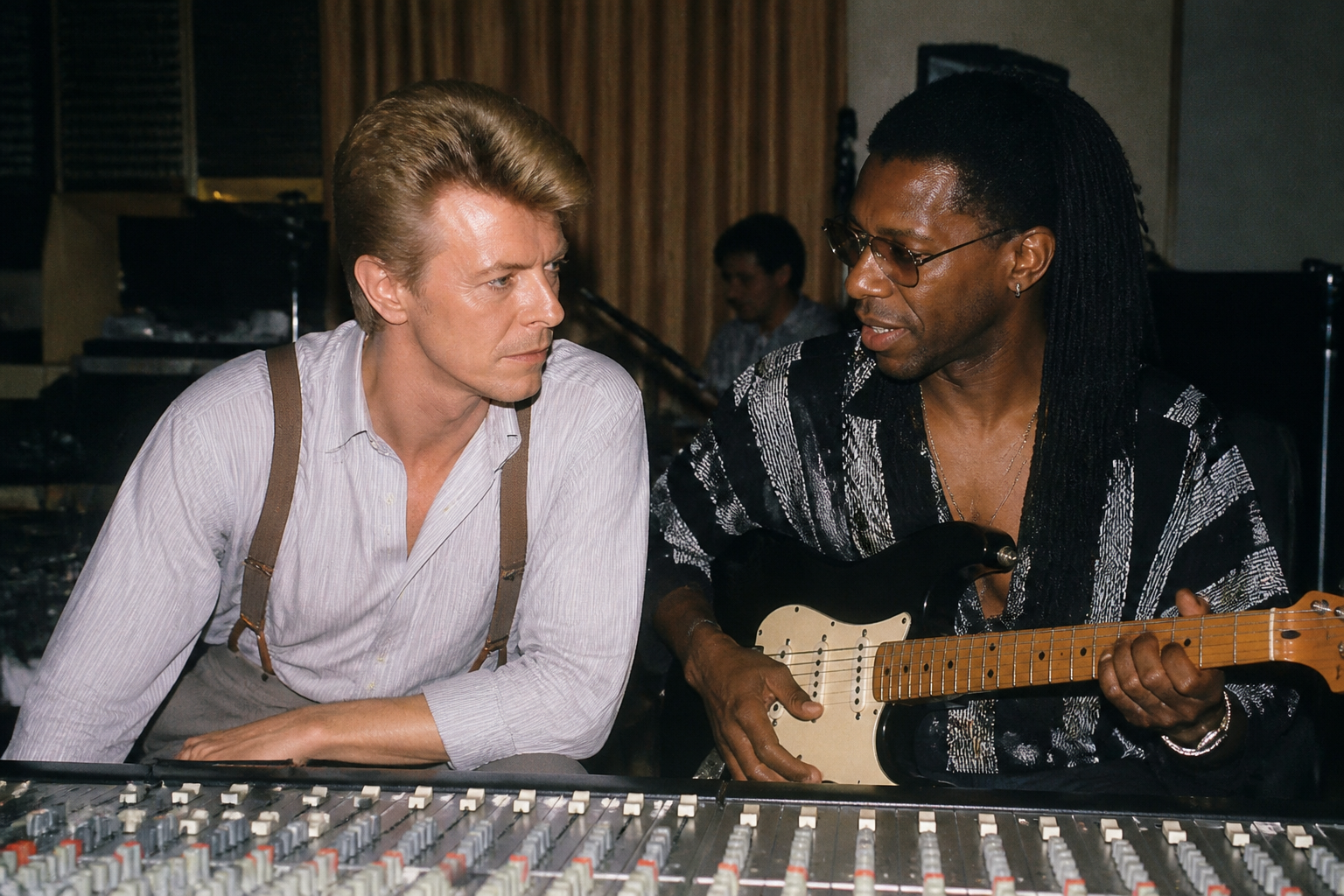
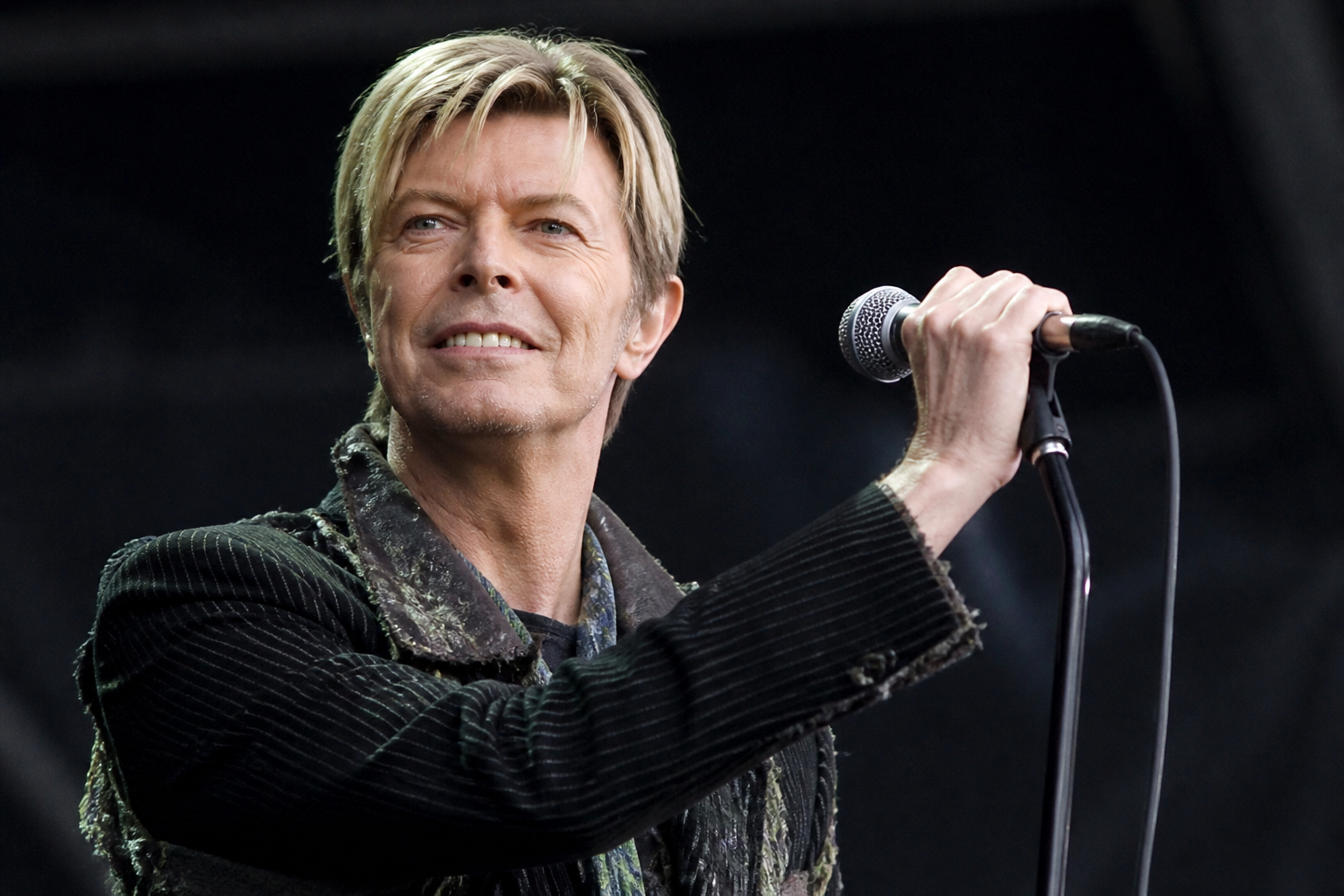
David Bowie made reinvention part of his artistic identity, and popular music has never quite looked the same. Across five decades, he treated image, sound, and performance as connected pieces of one creative vision. That approach made him one of the clearest examples of how a single artist could reshape an era without staying in one place for long.
Comments 0