John Lennon was assassinated on December 8, 1980, outside The Dakota in New York City. The killing stunned fans, musicians, and the wider public because it happened at the moment he seemed to be settling into a quieter life. He had returned to recording, spoken openly about family, and appeared to be entering a new phase.
To understand why the event still carries such force, it helps to place it in context. Lennon was not only a former Beatle. He was also a solo artist who had spent the 1970s reshaping his public identity in New York, far from the frenzy that had followed him in the 1960s. His death ended a story that had already moved through fame, protest, retreat, and renewal.
The assassination also marked a turning point in the public memory of popular music. Lennon’s final day was documented in unusual detail, from a morning interview to a photo session with Annie Leibovitz. Those surviving records make the loss feel even sharper, because they show a man still engaged with work and family.
For readers who want the larger frame, Lennon’s life cannot be separated from
How David Bowie Reinvented Himself and Changed Music Forever

David Bowie made reinvention part of his artistic identity, and popular music has never quite looked the same. Across five decades, he treated image, sound, and performance as connected pieces of one creative vision. That approach made him one of the clearest examples of how a single artist could reshape an era without staying in one place for long.
Reinvention as a career strategy
Born David Robert Jones in London in 1947, he began recording in the 1960s before finding a lasting public identity. Early singles and albums did not make him an immediate star, but they showed an artist searching for a form that could hold many styles. His breakthrough came because he refused to settle for a single lane.
His career shifts were visible in the way genres and presentation changed together. He moved through folk, art pop, glam rock, soul, electronic music, and dance-oriented sounds without treating those turns as side projects. Each change was tied to a new visual language, a new stage persona, or a new studio method.
He also understood that performance could be part of composition. He often built records around characters, narratives, and atmospheres rather than around a fixed version of himself. That choice set him apart from many contemporaries, because the public was not only hearing songs but also entering a deliberately designed artistic world.
Ziggy Stardust and the power of persona
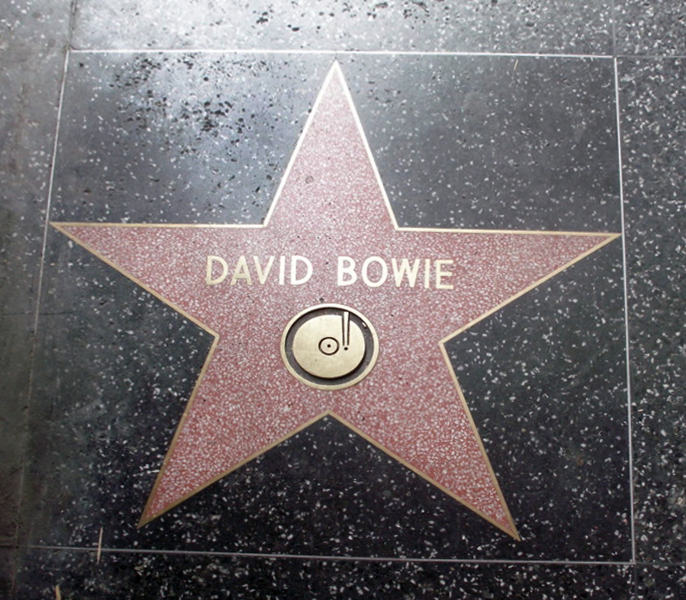
His most famous persona was Ziggy Stardust, the androgynous rock star introduced with the 1972 album The Rise and Fall of Ziggy Stardust and the Spiders from Mars. The record told a loose science-fiction story about a doomed messenger from another world, and he expanded the idea through theatrical stagecraft and striking costumes. Ziggy made him feel less like a conventional singer and more like a cultural event.
He did not keep Ziggy as a permanent mask. He retired the persona in 1973, after the character had become bigger than his earlier identity. That move mattered because it showed that reinvention was not a publicity tactic for him; it was the work itself.
The Ziggy period also changed what rock stardom could look like. His presentation challenged expectations about gender, performance, and celebrity without reducing the music to a slogan. The songs remained central, but the persona gave them a larger frame and helped push glam rock into the mainstream.
His theatrical instincts were not limited to one alter ego. He later used personas such as the Thin White Duke, and each one signaled a new emotional and musical register. The public record shows a performer who kept testing how far identity could be stretched onstage.
Reinvention through albums, not just images
His records show that the changes were grounded in musical craft, not only fashion. Hunky Dory in 1971 displayed a writer able to move between piano-driven pop, character studies, and plainspoken reflection. Songs such as “Changes” became shorthand for his career, but the album’s deeper strength was its range.
Aladdin Sane in 1973 pushed glam rock into harder and more unstable territory. The album linked the Ziggy era to a more fragmented sound, and its title track, with its uneasy piano figure, suggested that he was already moving beyond straightforward theatrical rock. He was not repeating a formula; he was exposing its edges.
Young Americans in 1975 marked another sharp turn. He worked with soul and R&B textures, and the record produced “Fame,” a song co-written with John Lennon and Carlos Alomar. The collaboration with Lennon is well documented, and it showed him working in dialogue with other major artists rather than trying to stand apart from them.
Station to Station in 1976 took him into a colder, more minimalist space. The title track stretched into a long, dramatic introduction before opening into the song’s body, and the album became a bridge between the soul-inflected sound of Young Americans and the experimental path ahead. His public image changed, but the record also proved that the music itself was in motion.
Berlin and experimental music
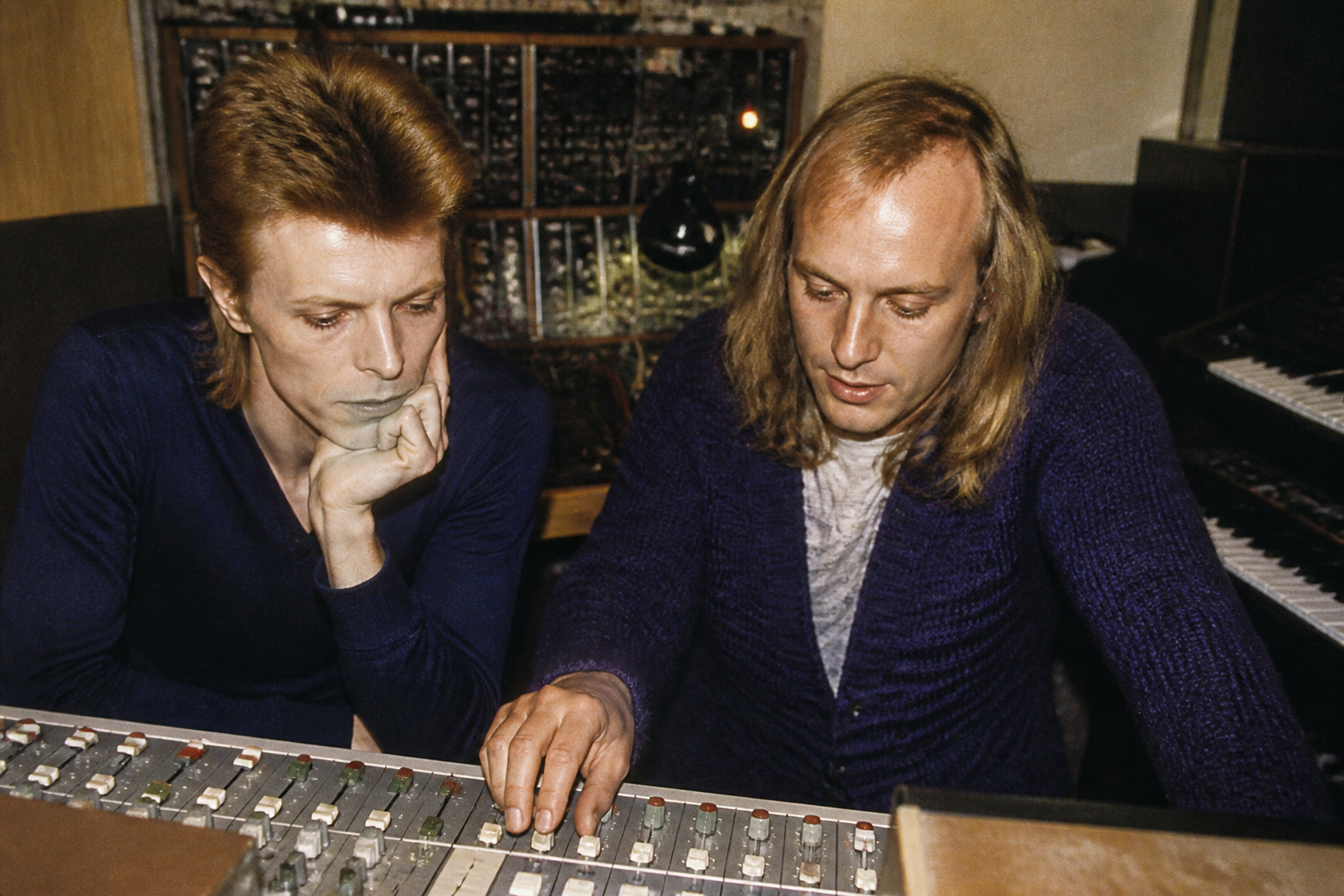
The Berlin period is one of the clearest examples of an artist using change to regain focus. In the late 1970s, he made albums with Brian Eno and the producer Tony Visconti that drew on electronic textures, ambient ideas, and European art-rock traditions. Low, “Heroes”, and Lodger are often grouped as the Berlin Trilogy, even though the work was not all recorded in Berlin in a literal sense.
He and Brian Eno built songs that often resisted standard verse-chorus expectations. The music could feel fragmented, spacious, or emotionally distant, yet it remained accessible enough to influence mainstream listeners. That balance helped later artists see that experimentation did not have to mean withdrawal from popular music.
“Heroes,” released in 1977, became one of his defining recordings. The title is simple, but the track gained power through repetition, intensity, and a sense of hard-won lift. Its reputation later grew well beyond its initial context, and it remains one of the best-known songs in his catalog.
The Berlin-era work also showed a practical side of reinvention. He was not only changing costumes; he was changing collaborators, studio methods, and sonic priorities. That combination gave his career unusual durability, because each reinvention had a measurable musical outcome.
Performance, fashion, and visual impact
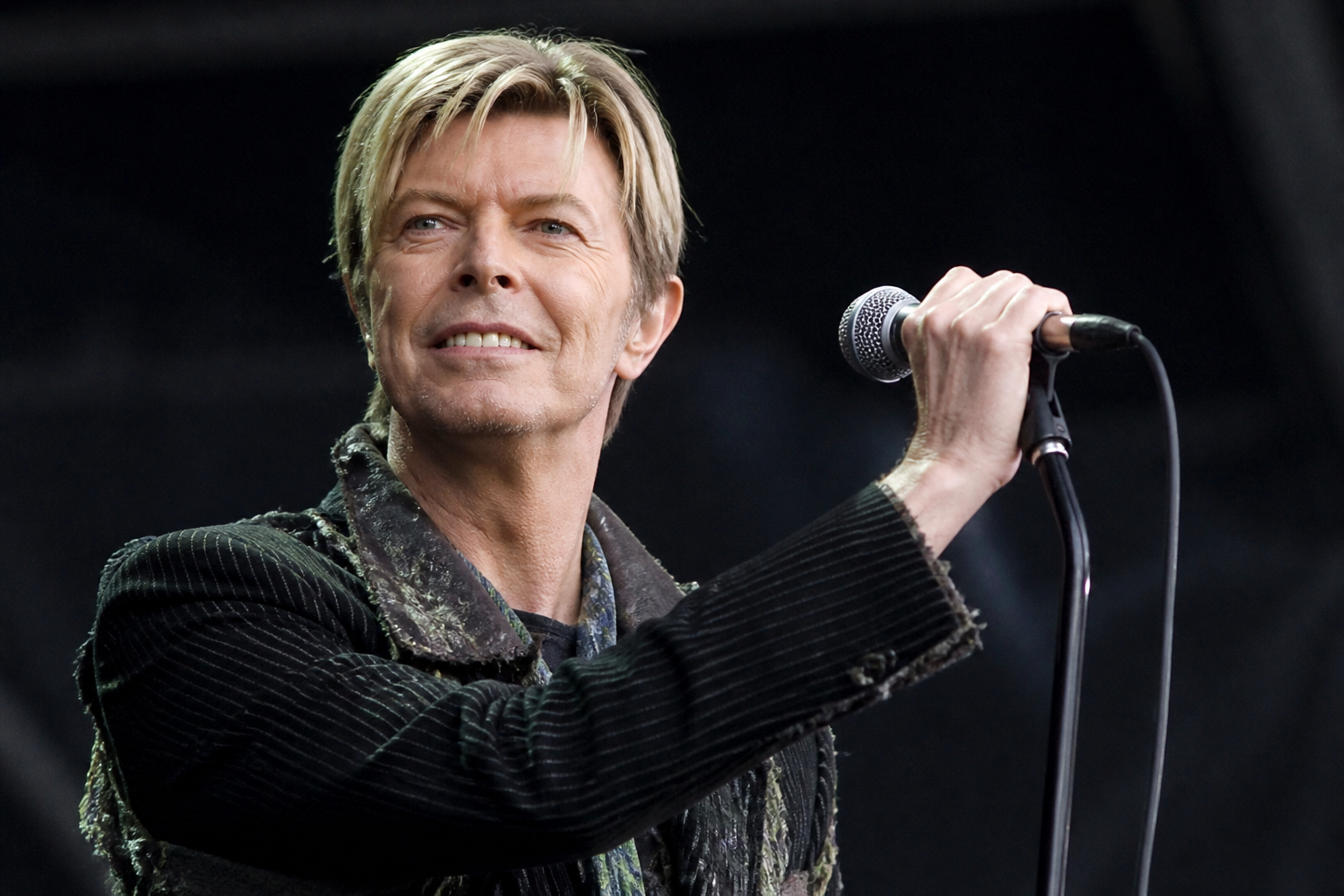
He treated live performance as a complete visual and musical statement. His stage clothes, makeup, and movement were not decorative extras; they were part of how the songs were understood. In glam rock, that attitude mattered because it helped move performance away from rock’s older image of unadorned authenticity.
His fashion influence spread beyond music because he blurred the line between concert attire and art-world experimentation. Designers, photographers, and future pop stars borrowed from his silhouettes, his use of makeup, and his willingness to appear unstable, glamorous, or alien. The impact was not limited to any one decade.
His performances also mattered because he understood that restraint could be as powerful as spectacle. He could use a single gesture, a held note, or a precise pose to sharpen the meaning of a song. That skill made his concerts feel designed rather than improvised, even when they retained a sense of risk.
His visual reinvention was especially important in the early 1970s, when rock culture often relied on masculine certainty. He made ambiguity visible, and he did so without turning the ambiguity into a slogan. The result was a style that future performers could adopt in many different forms.
Collaboration and adaptation
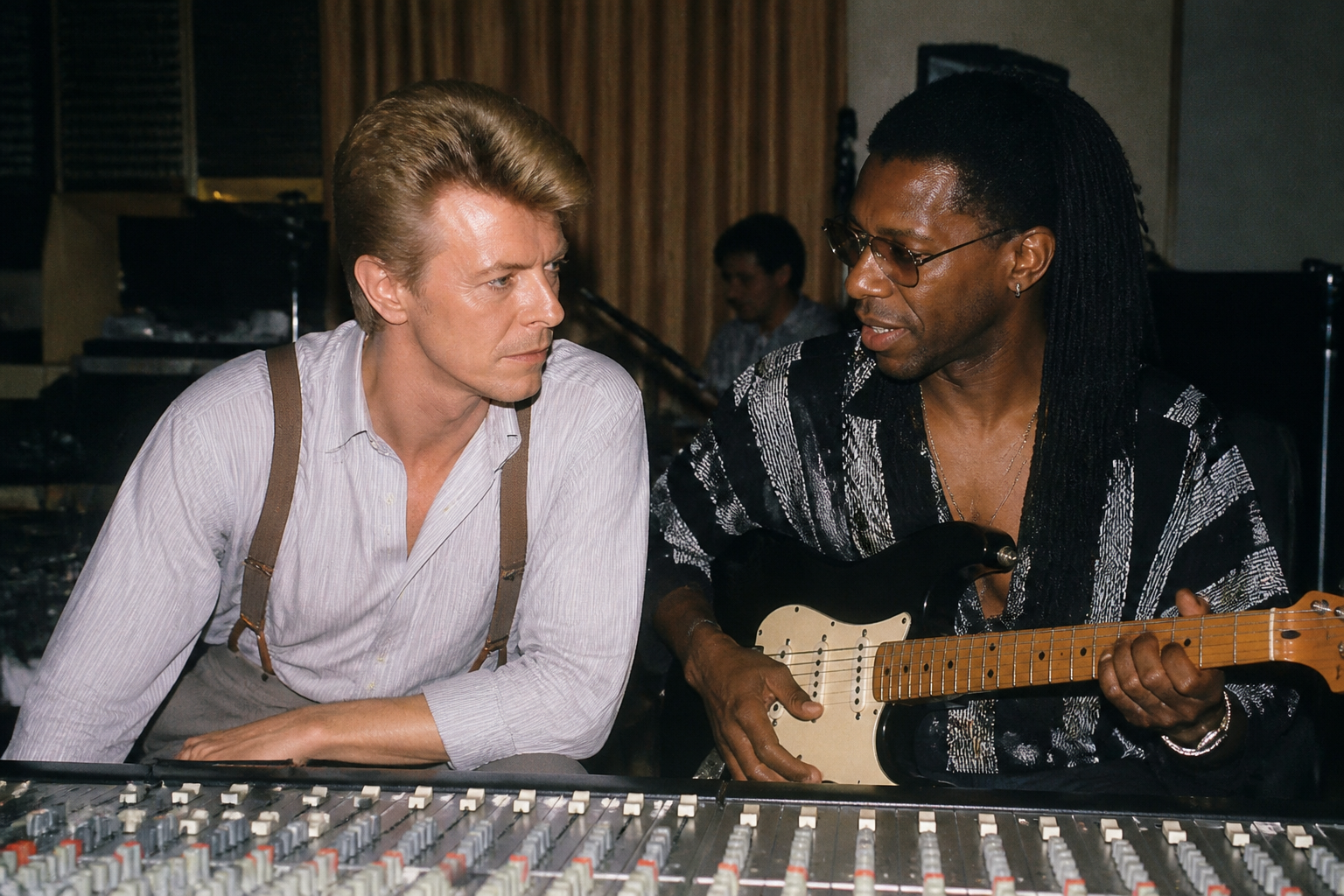
His career was also shaped by the people he chose to work with. The Spiders from Mars, Mick Ronson, Carlos Alomar, Brian Eno, Nile Rodgers, and many other collaborators helped define different chapters of his sound. Those partnerships show that his reinvention was not isolation; it was conversation.
His 1983 album Let’s Dance demonstrated another kind of adaptation. Produced by Nile Rodgers, it became one of his biggest commercial successes and brought him into the center of pop and dance music in the MTV era. The title track, “China Girl,” and “Modern Love” showed how he could absorb contemporary sounds without sounding trapped by them.
The work in the 1980s sometimes drew criticism for being more commercially direct, but even those records belong to the reinvention story. He was willing to move toward mainstream visibility when the material suited him, then move away again when a different artistic need took priority. That flexibility was part of his lasting influence.
He also crossed into acting, appearing in films such as The Man Who Fell to Earth, Labyrinth, and Merry Christmas, Mr. Lawrence. Those roles reinforced the sense that he was more than a musician, because he approached screen work with the same attention to persona and transformation. The acting and the music often seemed to come from the same creative logic.
A model for later artists
His influence is visible in the work of artists who treat identity as something editable and public. Pop stars, alternative musicians, and performance artists have drawn from his example when they build eras, alter visual styles, or use albums as conceptual worlds. The lesson was not simply to change; it was to make change meaningful.
He also helped broaden the idea of what a rock or pop star could do in public. He showed that experimentation, theatricality, and accessibility could coexist in the same career. That combination shaped later music scenes, from art pop to glam revival to electronic-influenced mainstream pop.
His influence can be heard in the way later artists think about sequencing, costuming, and reinvention as part of a long-term project. Many singers now launch distinct eras with clear visual identities, but he helped make that strategy seem natural rather than exceptional. He turned the album cycle into a stage for transformation.
His standing as an innovator also rests on how often his changes led to durable songs. A reinvention that produced only spectacle would have faded sooner. His legacy lasts because the persona changes were backed by writing, arrangement, and performance that still hold up on their own.
Legacy and lasting importance
He died in New York City in 2016, two days after the release of his final studio album, Blackstar. The timing gave the record immediate historical weight, but its significance was already built into its music and presentation. Even at the end of his career, he was still shaping an exit through art.
His legacy continues because he made reinvention look disciplined rather than random. He did not change for change’s sake; he changed to open new creative territory, and he often did so with remarkable clarity. That is why his work remains a reference point for artists who want to evolve without losing artistic identity.
He changed music forever by showing that a popular artist could be a storyteller, a stylist, a collaborator, and an experimenter at once. He left behind a body of work that still feels open-ended, which may be the deepest sign of success for an artist devoted to transformation. In his case, reinvention was not a phase. It was the method that made the legacy possible.
Report this article
Select a reason for reporting:
Comments 0