Few singers sounded like Joe Cocker. His rough, trembling voice could turn a familiar song into something deeply personal, as if every lyric had been lived rather than simply sung. From his breakthrough with “With a Little Help From My Friends” to the Oscar and GRAMMY-winning “Up Where We Belong,” Cocker built a career around emotion, imperfection and an unmistakable voice that could never be confused with anyone else's.

Joe Cocker Never Needed a Perfect Voice
Joe Cocker was born in Sheffield, England, and rose to international attention in the late 1960s. His breakthrough came with his extraordinary interpretation of the Beatles' “With a Little Help From My Friends.”
The song was already familiar to millions, but Cocker transformed it. His vocal sounded strained, soulful and almost vulnerable, giving the lyrics a completely different emotional character.
That became the foundation of his career. Cocker did not sing as though he were trying to make every note beautiful. He sang as though the emotion mattered more than perfection.
Woodstock Changed Everything
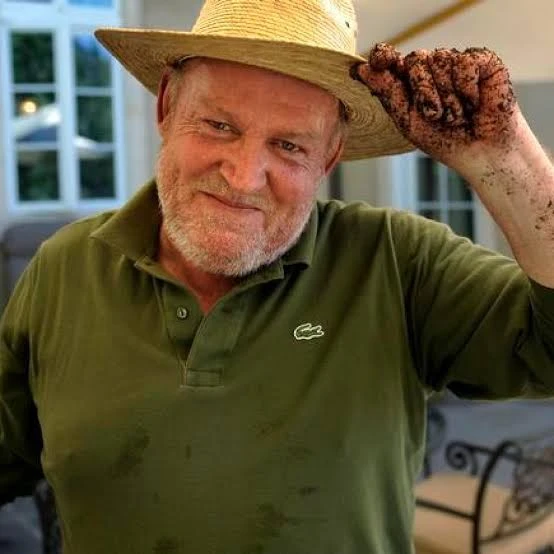
Cocker's performance of “With a Little Help From My Friends” at Woodstock in 1969 became one of the defining performances of his career.
For many listeners, that appearance introduced them to an artist whose voice seemed almost physically connected to the music. His movements, raspy vocals and intense delivery created a performance that felt spontaneous rather than carefully manufactured.
The Recording Academy later recognized the recording itself as historically significant. “With a Little Help From My Friends” was inducted into the GRAMMY Hall of Fame in 2001.
“You Are So Beautiful” Revealed Another Side of Him
Cocker's career was not built entirely on explosive performances. He could also make a quiet love song feel incredibly vulnerable.
His 1974 recording of “You Are So Beautiful” became one of his most enduring songs. Unlike the frantic energy associated with his early performances, this track allowed the fragility in his voice to become the emotional center.
The Recording Academy later inducted the recording into the GRAMMY Hall of Fame in 2016, recognizing its lasting significance. That contrast was part of what made Cocker special. He could sound almost broken on one song and completely triumphant on another.
Joe Cocker Found Another Defining Moment
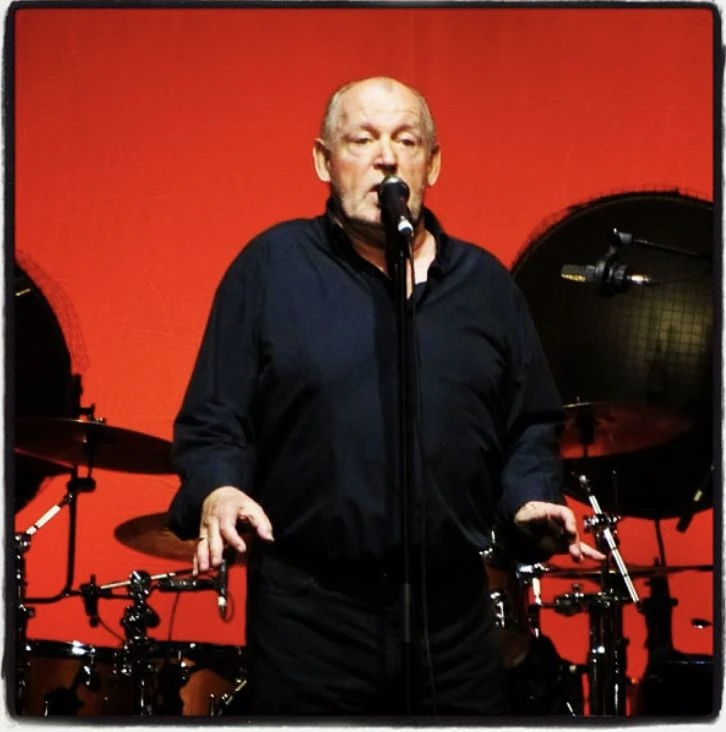
In 1982, Cocker recorded “Up Where We Belong” with Jennifer Warnes for An Officer and a Gentleman. The song became a No. 1 hit on the Billboard Hot 100 and won both an Academy Award and a GRAMMY for the performers.
The collaboration gave Cocker a new generation of listeners. It also demonstrated that his distinctive voice could work beautifully within a polished romantic ballad. His weathered vocals contrasted with Warnes' voice, creating a duet that remains closely associated with the era's greatest movie songs.
A Career Built on Emotional Honesty
Cocker received one GRAMMY win and seven nominations during his career. His nominations included recognition for songs and albums such as Mad Dogs & Englishmen, “Unchain My Heart,” “When the Night Comes” and “You Can Leave Your Hat On.”
But awards only tell part of his story. What made Joe Cocker memorable was the feeling behind his performances. He could take songs written by other artists and make listeners believe that the words had somehow become his own.
That ability is difficult to manufacture. It comes from interpretation, instinct and a voice with a personality of its own.
Joe Cocker's Final Years
Joe Cocker continued recording and performing for decades after his breakthrough. He remained a respected figure in rock, blues and soul-influenced music, even as musical trends changed around him.
Cocker died on December 22, 2014, at the age of 70 after battling lung cancer. The Recording Academy described him as a GRAMMY-winning singer-songwriter whose career had produced a remarkable series of enduring recordings.
His death marked the end of a career that had lasted for almost five decades.
Why Joe Cocker Is Still Remembered
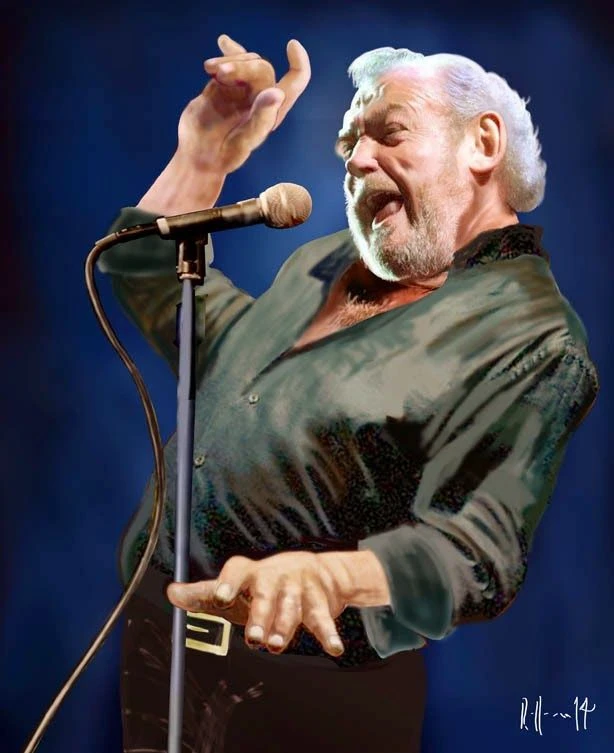
In my view, Joe Cocker's greatest strength was that he never sounded overly polished. His voice carried rough edges, cracks and tension. Yet those imperfections were precisely what made his performances believable. When he sang about friendship, love or heartbreak, there was a sense that he was not merely performing the words, he was carrying them.
That is why his most famous songs continue to resonate. Joe Cocker did not have to sound perfect to sound unforgettable. He simply had to open his mouth and let that unmistakable voice tell the story.
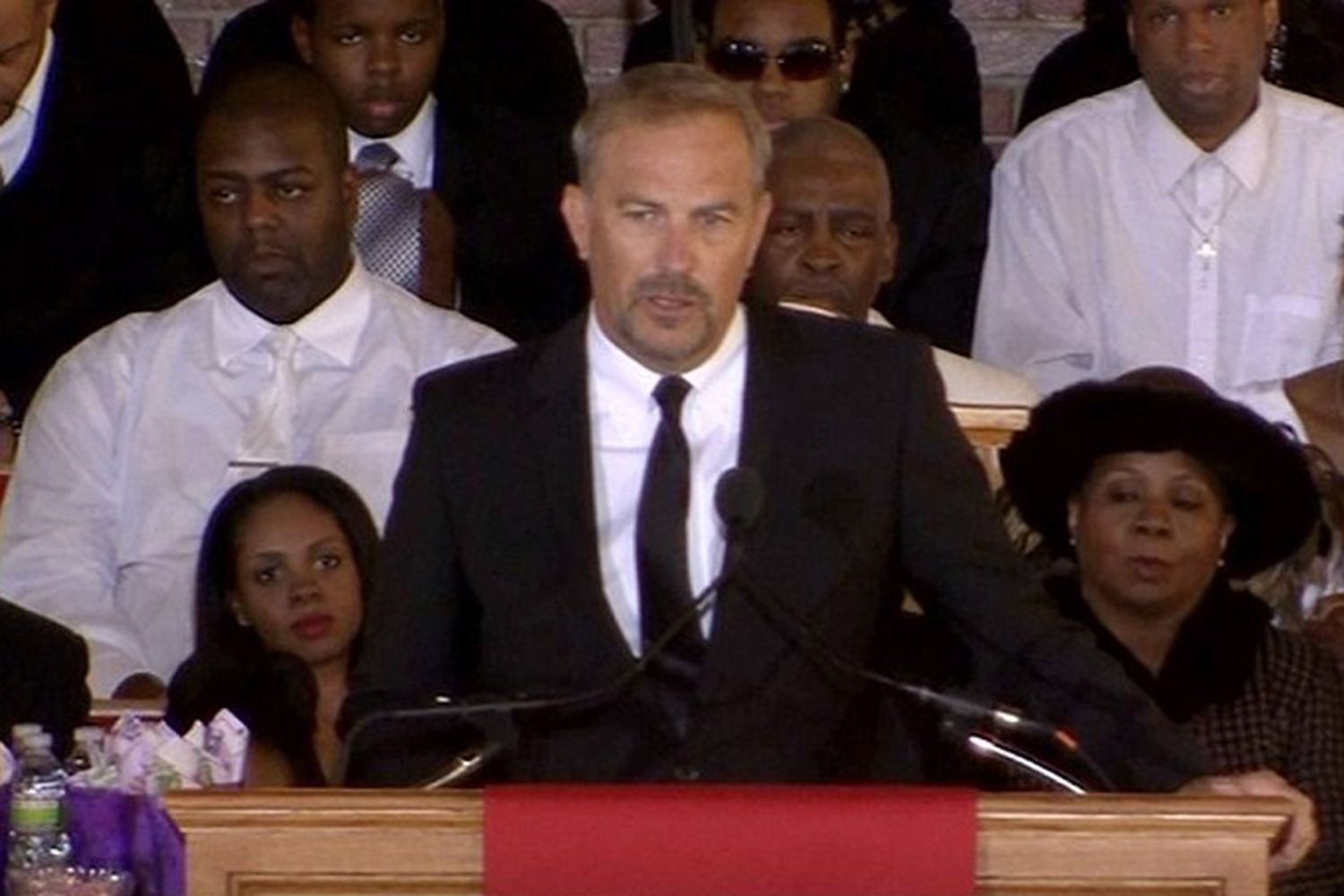
Why Kevin Costner Hesitated to Speak at Whitney Houston’s Funeral
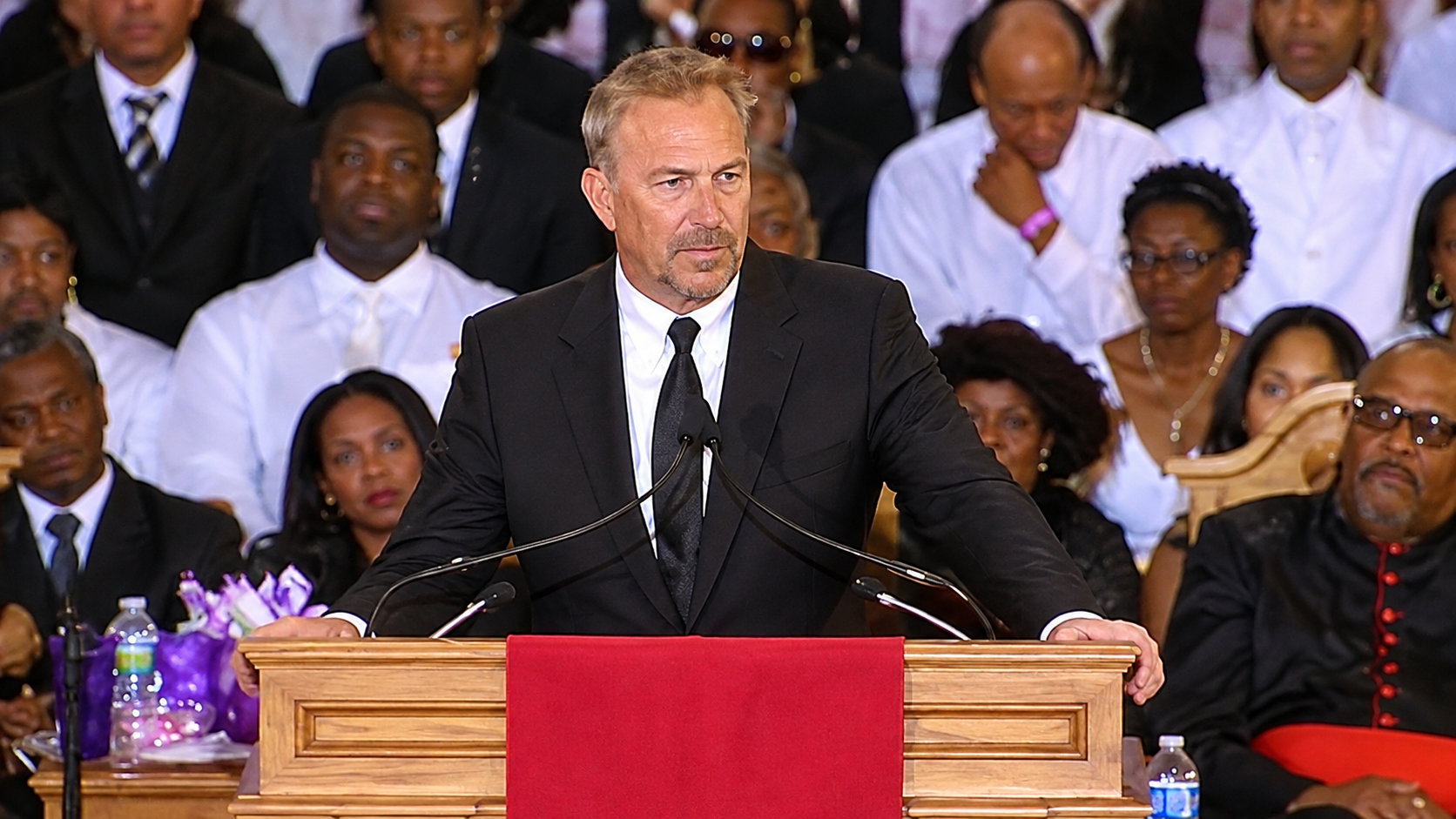
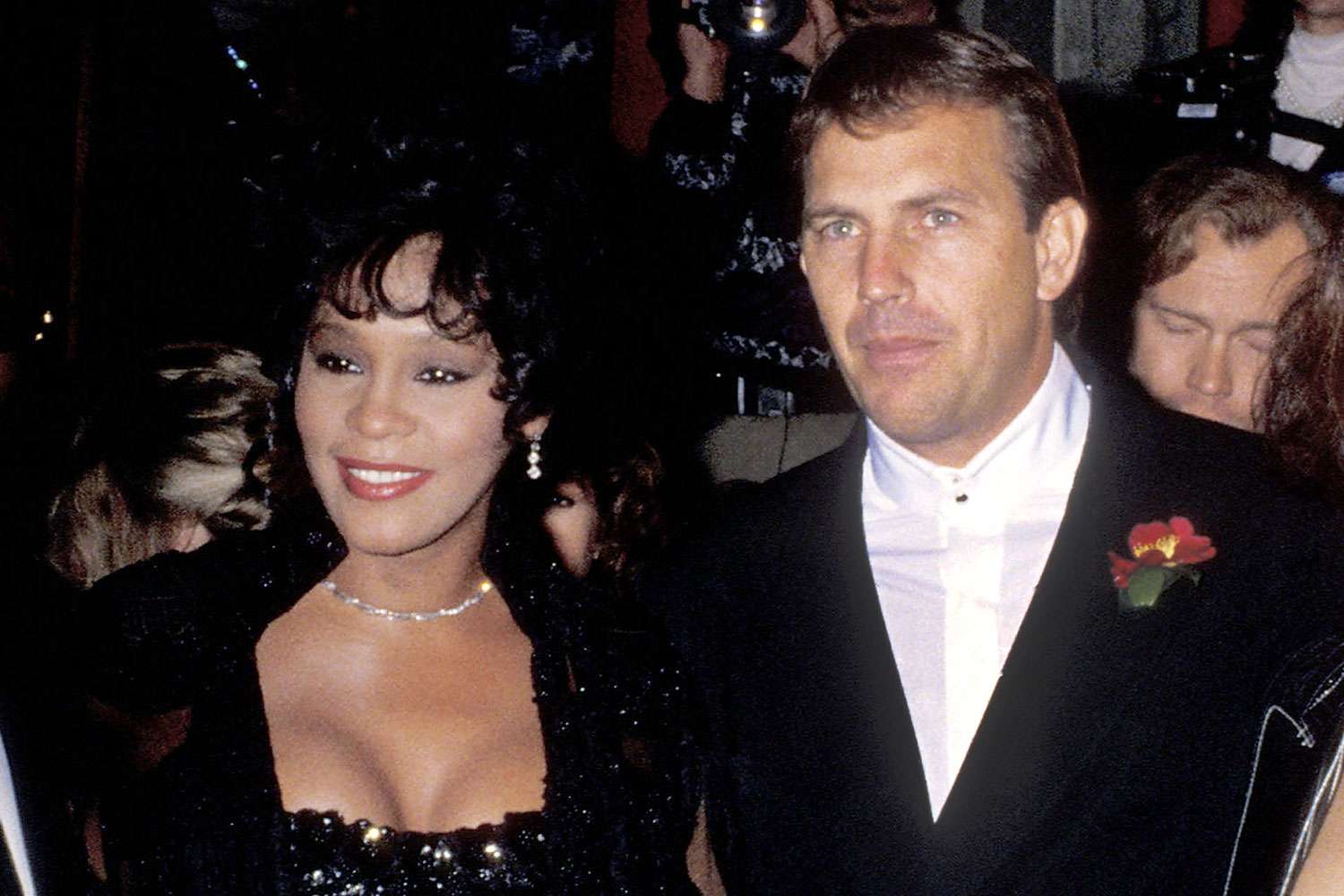
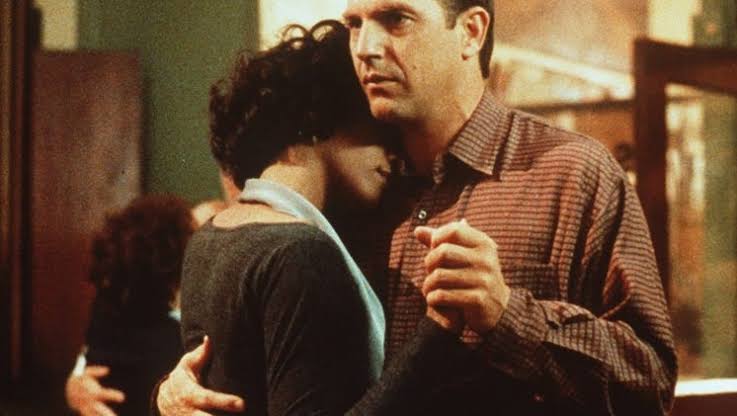
Whitney Houston’s Funeral brought together family, friends, and music legends to remember one of the greatest voices of her generation. Among those asked to speak was Kevin Costner, her co-star in The Bodyguard and a longtime friend. Yet, despite their meaningful connection, Costner initially questioned whether he was the right person to deliver a tribute. A heartfelt phone call from Dionne Warwick ultimately changed his mind, leading to one of the most memorable moments of the service.

Comments 0