When people talk about John Lennon’s greatest achievements with The Beatles, they often mention the obvious landmarks: the emotional force of Help!, the lyrical daring of A Day in the Life, or the public impact of his later peace activism. Yet there is something especially revealing about Strawberry Fields Forever, released in 1967. It is not only one of Lennon’s most beloved songs; it is also one of the clearest windows into the way he transformed memory, anxiety, imagination, and studio experimentation into art.
At first glance, the song seems to come from a simple place: childhood recollection. But the final recording is anything but simple. It is layered, unstable, dreamlike, and technically audacious. It captures Lennon at a moment when he was moving beyond the expectations of pop stardom and into a more personal, more experimental form of expression. To hear it now is to hear a turning point in popular music itself.
In this article, we will follow the path from the real Strawberry Field in Liverpool to the song’s unusual structure, its groundbreaking studio process, and the cultural meaning it has carried ever since. To understand Strawberry Fields Forever is to understand something essential about John Lennon: his gift for turning private memory into public myth.
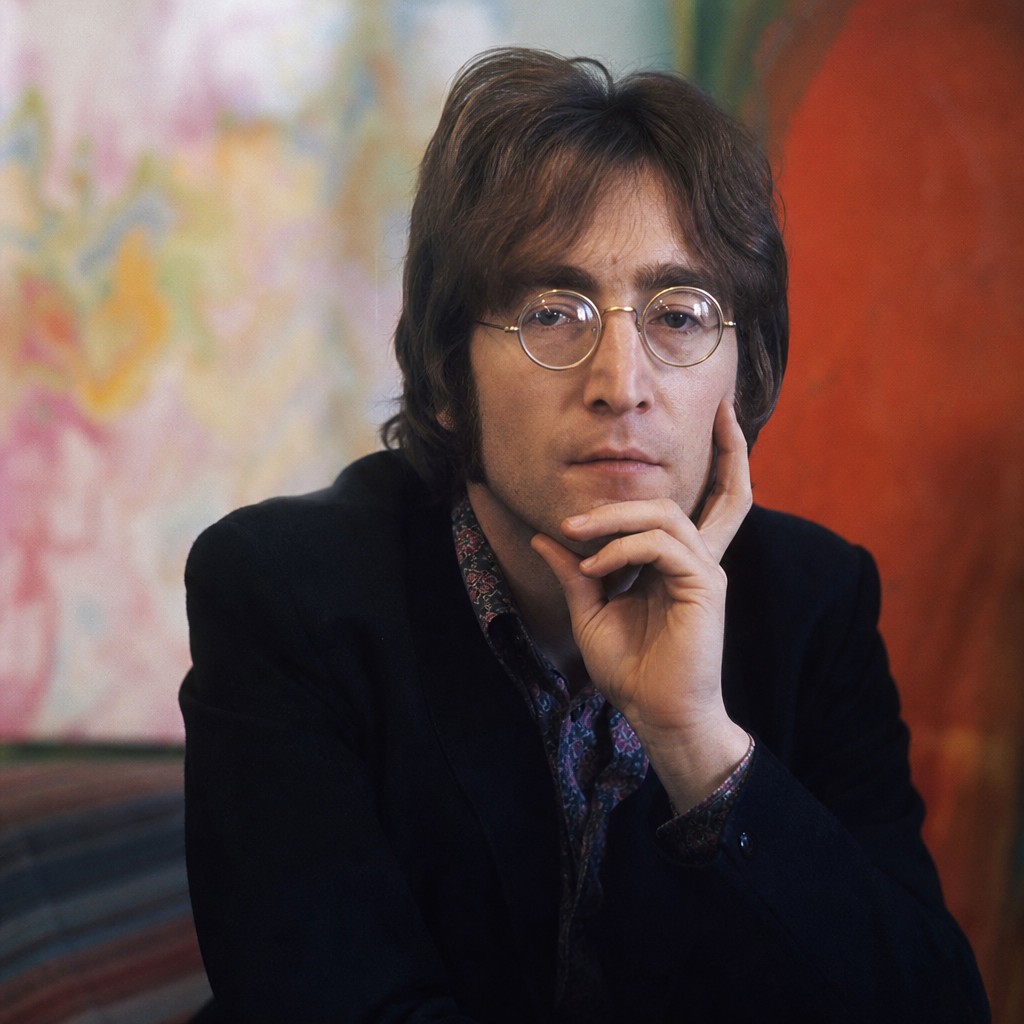
The Liverpool memory behind the song
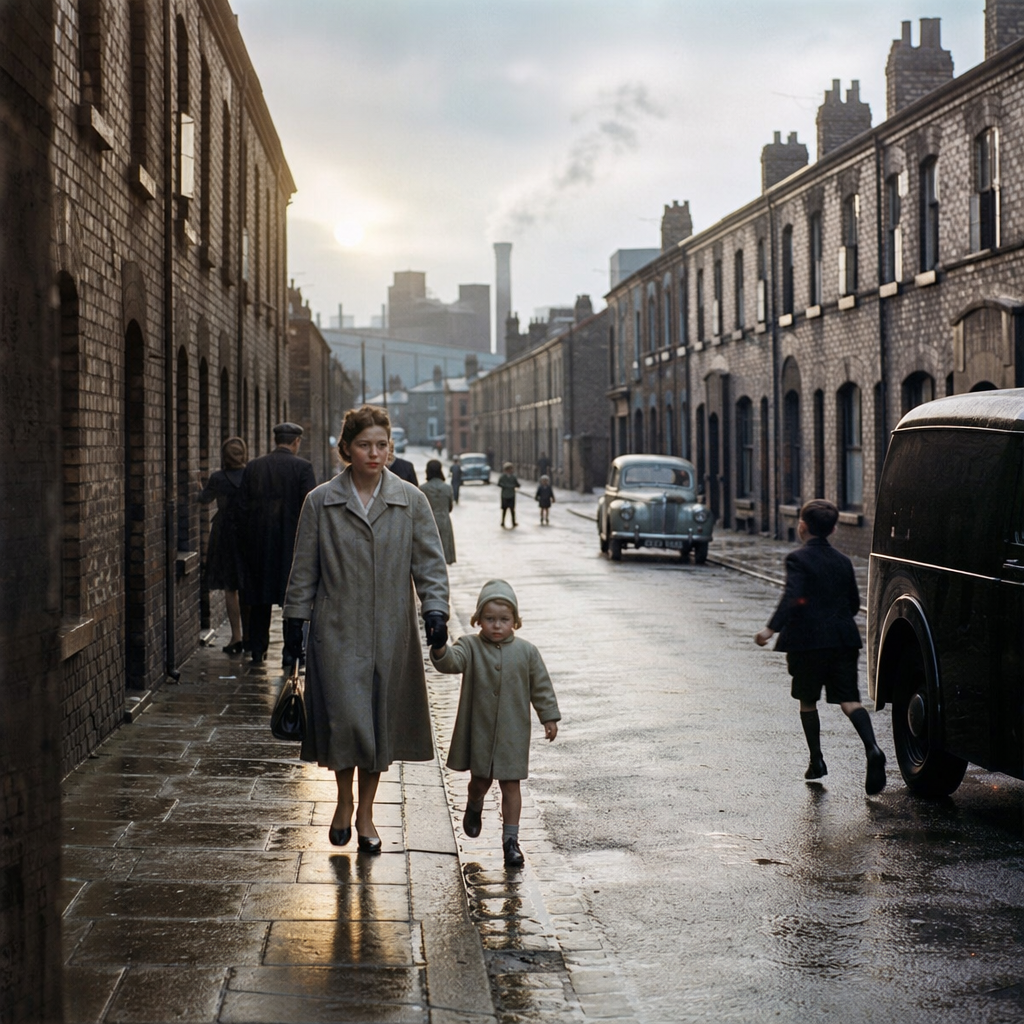
John Lennon was born in Liverpool in 1940 and spent much of his early life in a city shaped by wartime hardship, working-class resilience, and a strong local identity. Like many of his songs, Strawberry Fields Forever begins not with a polished concept but with a fragment of lived experience. The title refers to Strawberry Field, a Salvation Army children’s home near Lennon’s childhood neighborhood in Woolton.
As a boy, Lennon would pass the gates of that home, and the place became part of his internal map of Liverpool. Over time, the memory took on a strange emotional charge. It was not a straightforward symbol of innocence. In Lennon’s hands, it became something more ambiguous: a place where childhood, loneliness, curiosity, and imagination all overlapped.
That ambiguity matters. Lennon did not write nostalgia in a conventional sense. He rarely offered a clean, sentimental version of the past. Instead, he was drawn to memory as a shifting, unreliable space. The song’s famous opening line, “Let me take you down,” sounds inviting, but the destination is not a neat childhood paradise. It is a psychological landscape where the past is felt, questioned, and reassembled.
That approach was deeply Lennon. Even before his most radical post-Beatles work, he often used songs to probe the gap between what seems real and what is remembered. In Strawberry Fields Forever, the childhood setting is less a literal location than a portal into inner life.

Why 1967 was the right moment
By 1967, The Beatles had already changed popular music several times over. They had moved from the clean energy of early Beatlemania to more ambitious songwriting, richer studio arrangements, and increasingly complex lyrical themes. The year 1967, often associated with the “Summer of Love,” was also the year of Sgt. Pepper’s Lonely Hearts Club Band, an album that expanded the idea of what a pop record could be.
For Lennon, this period was both creatively fertile and personally unsettling. He was becoming more introspective and more willing to expose uncertainty in his work. The old model of the confident pop frontman no longer fully fit him. He was interested in dream states, altered perception, and the textures of consciousness. At the same time, he was still writing within the Beatles framework, where every song had to fit into a larger collective project.
Strawberry Fields Forever emerged from that tension. It was not just another single. It was a statement that the Beatles could make records that sounded like inner experience rather than simple performance. This was a radical idea in mainstream pop.
The song was also part of a broader cultural shift. Mid-1960s listeners were beginning to expect more from recorded music: more depth, more surprise, more sonic detail, and more artistic intention. Lennon’s song met that moment perfectly, while also pushing it further than most artists dared.
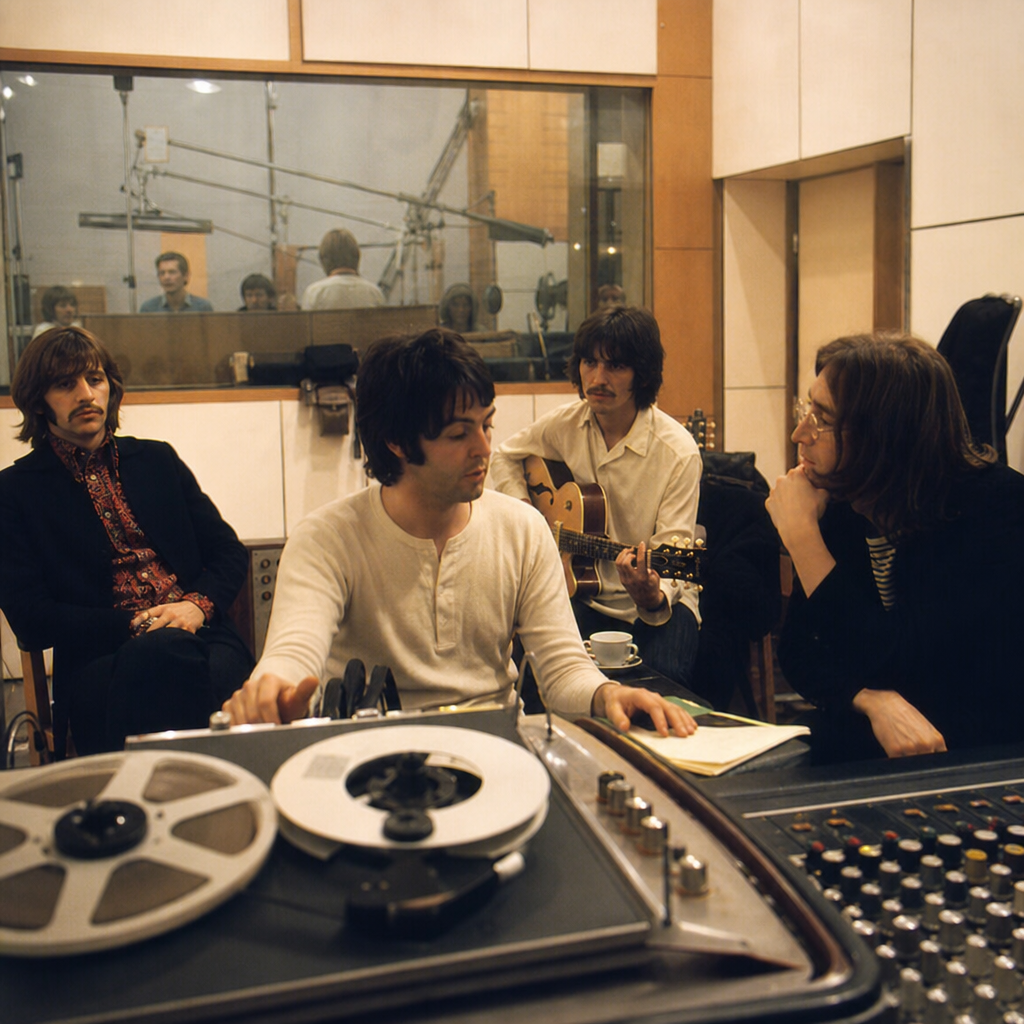
The songwriting: memory, uncertainty, and self-invention
One reason Strawberry Fields Forever remains so powerful is that its lyrics do not behave like a standard narrative. Rather than telling a story from beginning to end, Lennon offers a sequence of impressions and contradictions. He speaks in a voice that feels both intimate and elusive. The song suggests certainty and doubt at the same time.
This is especially clear in the line, “Living is easy with eyes closed, misunderstanding all you see.” It is one of Lennon’s most famous statements, and one of his most paradoxical. On one level, it sounds like a critique of complacency. On another, it hints at the strange comfort of retreating from the world. Lennon was not simply condemning or celebrating that impulse; he was observing it from inside.
That complexity is part of why the song feels so modern. It does not reduce memory to a moral lesson. It allows memory to remain unstable. The recurring question “No one I think is in my tree” has often been interpreted as playful, surreal, or even autobiographical in a broad psychological sense. Lennon himself enjoyed leaving such lines open to interpretation. He was less interested in explaining every image than in creating emotional truth through suggestion.
In this sense, Strawberry Fields Forever is an early example of Lennon’s ability to turn personal confusion into artistic form. He did not tidy up the contradictions. He put them on the record.
How the recording became revolutionary
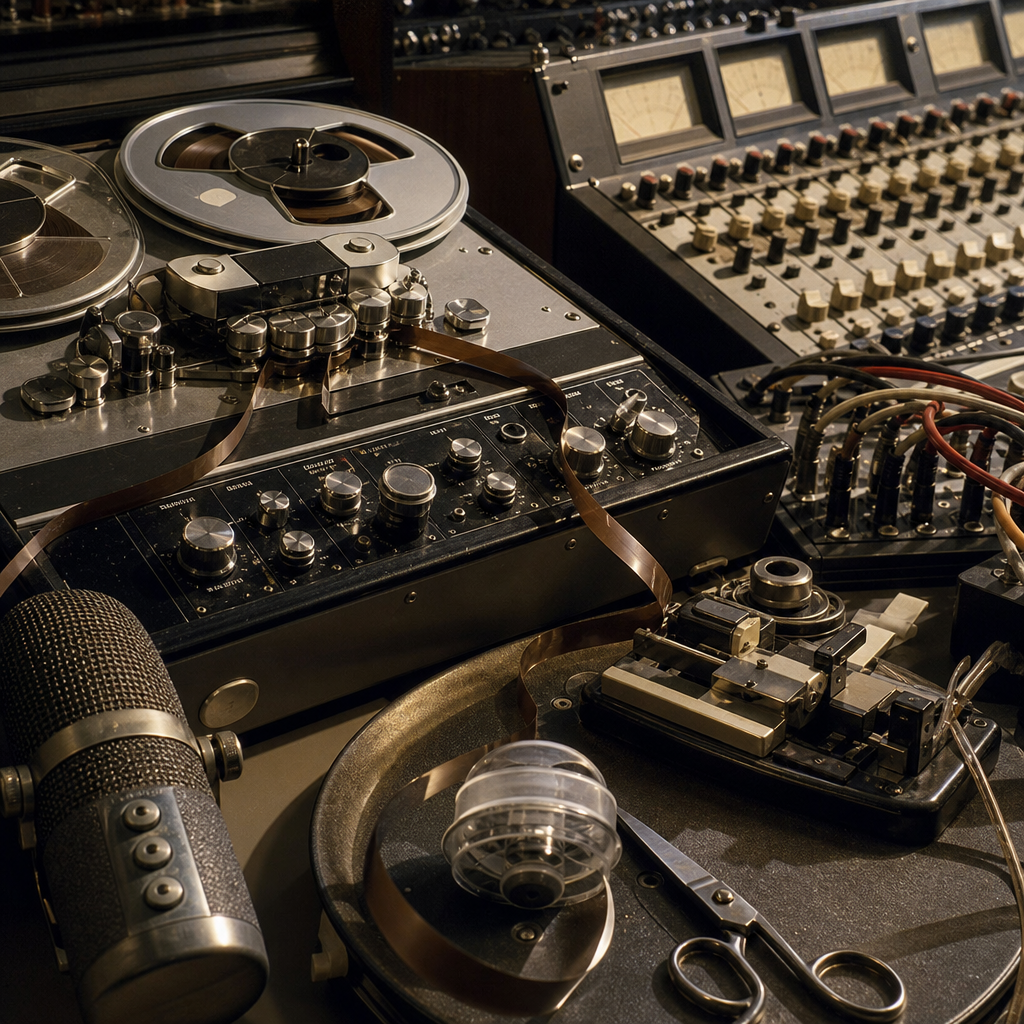
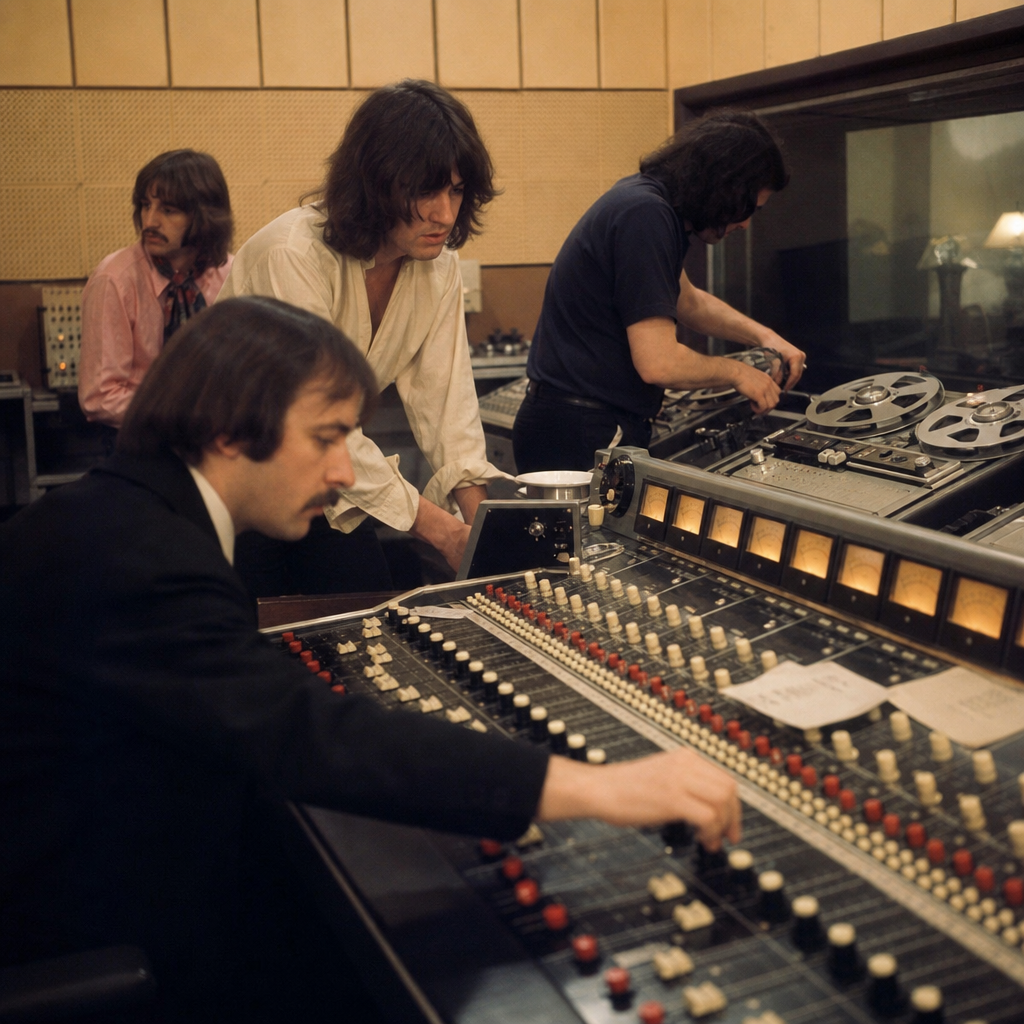
If the lyrics opened a door, the recording process blew the room apart. Strawberry Fields Forever is famous not only for what it says but for how it sounds. The final track was assembled from multiple takes and versions, with producer George Martin and the Beatles’ engineering team using tape manipulation, speed changes, and careful editing to create a seamless but uncanny result.
One of the most celebrated aspects of the recording is the way two different takes were combined, despite being in different keys and tempos. Rather than treating this as a technical obstacle, the team turned it into part of the song’s character. The result is a version of pop music that feels fluid, unstable, and dreamlike. It is polished, but never conventional.
This mattered because the studio itself was becoming an instrument. The Beatles were no longer simply capturing a live performance. They were constructing sound as an artwork in its own right. Lennon, in particular, was open to this approach. He embraced the studio as a place where a song could be reshaped into something stranger and more expressive than the original demo.
For listeners in 1967, the effect was startling. The track sounded unlike the clean, immediate singles that had defined earlier pop eras. It seemed to come from a different mental space. That sense of dislocation was not a flaw. It was the point.

The role of George Martin and the Abbey Road team
John Lennon’s imagination did not work in isolation. A major reason Strawberry Fields Forever became so extraordinary was the collaboration between Lennon, George Martin, and the Abbey Road engineering team. Martin understood that Lennon was not asking for a standard arrangement. He was asking for an atmosphere.
Martin’s contribution went far beyond accompaniment. He helped shape the song’s architecture, translating Lennon’s ideas into a recording that could carry its emotional ambiguity. The orchestration, the subtle layering, and the final blend of acoustic and experimental elements all reflect that partnership.
Abbey Road in the mid-1960s was a place where technical skill and artistic risk met. The Beatles were among the first major pop acts to use studio resources in ways that would later become standard for ambitious rock and pop production. But even among their many experiments, Strawberry Fields Forever stands out. It is precise without feeling rigid, surreal without collapsing into chaos.
That balance is difficult to achieve. It required trust, patience, and a willingness to let the song evolve beyond any single person’s original idea. Lennon had the instinct; Martin helped give it shape.
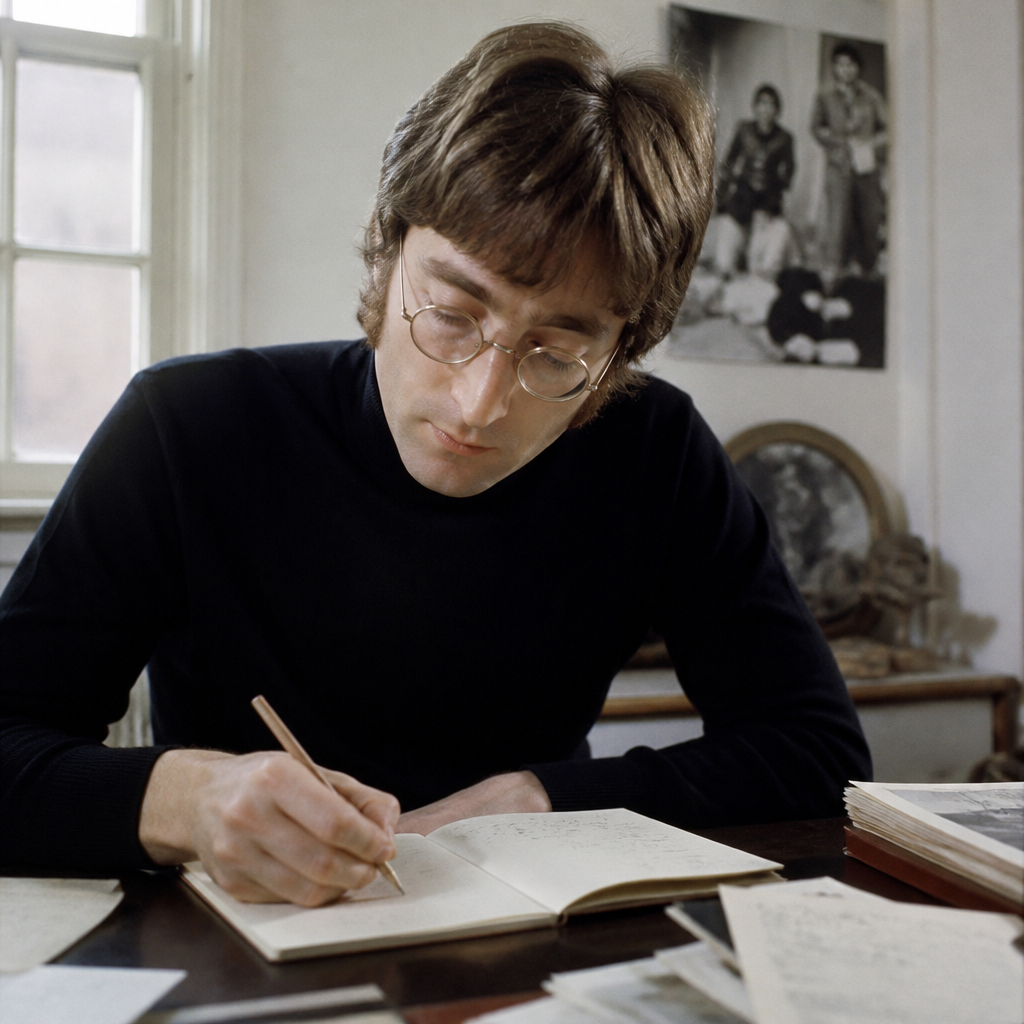
What the song sounds like: dream logic in music form
Part of the song’s lasting fascination lies in how it behaves musically. It does not unfold like a typical verse-chorus pop single. Instead, it drifts, circles, and shifts perspective. The instrumentation, arrangement, and production details all contribute to a feeling that the listener is moving through a dream rather than a fixed structure.
The mellotron intro is especially important. Its flute-like texture gives the song an otherworldly opening, immediately separating it from more conventional rock instrumentation. The sound is both inviting and strange. It signals that the listener is entering a different kind of space.
Vocally, Lennon sings with a fragile, almost conversational quality that suits the song’s uncertainty. He does not project triumph. He sounds reflective, sometimes detached, sometimes emotionally exposed. That vocal approach deepens the song’s meaning. It is not a performance of certainty; it is a performance of searching.
Then there are the production details that seem to bloom and dissolve around the vocal line: reversed sounds, layered textures, and subtle transitions that make the track feel alive in motion. The whole record suggests that memory is not static. It flickers, distorts, and recombines itself.
Why ‘Strawberry Fields Forever’ was so bold for pop music
To call the song bold is not just to praise its artistry. It is to recognize how unusual it was within the commercial music landscape of the time. In 1967, a major pop single was still expected to be immediate, memorable, and radio-friendly. Strawberry Fields Forever certainly has memorable qualities, but it also resists easy consumption. Its structure is unconventional, its atmosphere is dense, and its meaning is deliberately open-ended.
That boldness helped expand the vocabulary of popular music. It showed that a song could be intimate and experimental at once. It demonstrated that mainstream audiences were ready for records that challenged as well as entertained. In that sense, Lennon was not only reflecting the cultural moment; he was helping define it.
The Beatles had already broken many rules by 1967, but this song went further in emotional and sonic terms. It did not merely add sophistication to pop. It questioned what pop could be. Could a single be a psychological portrait? Could a hit record sound like a half-remembered dream? Could a commercial release be as much an art object as a piece of entertainment?
Strawberry Fields Forever answered yes to all of those questions.
The companion track: when the single became a double statement
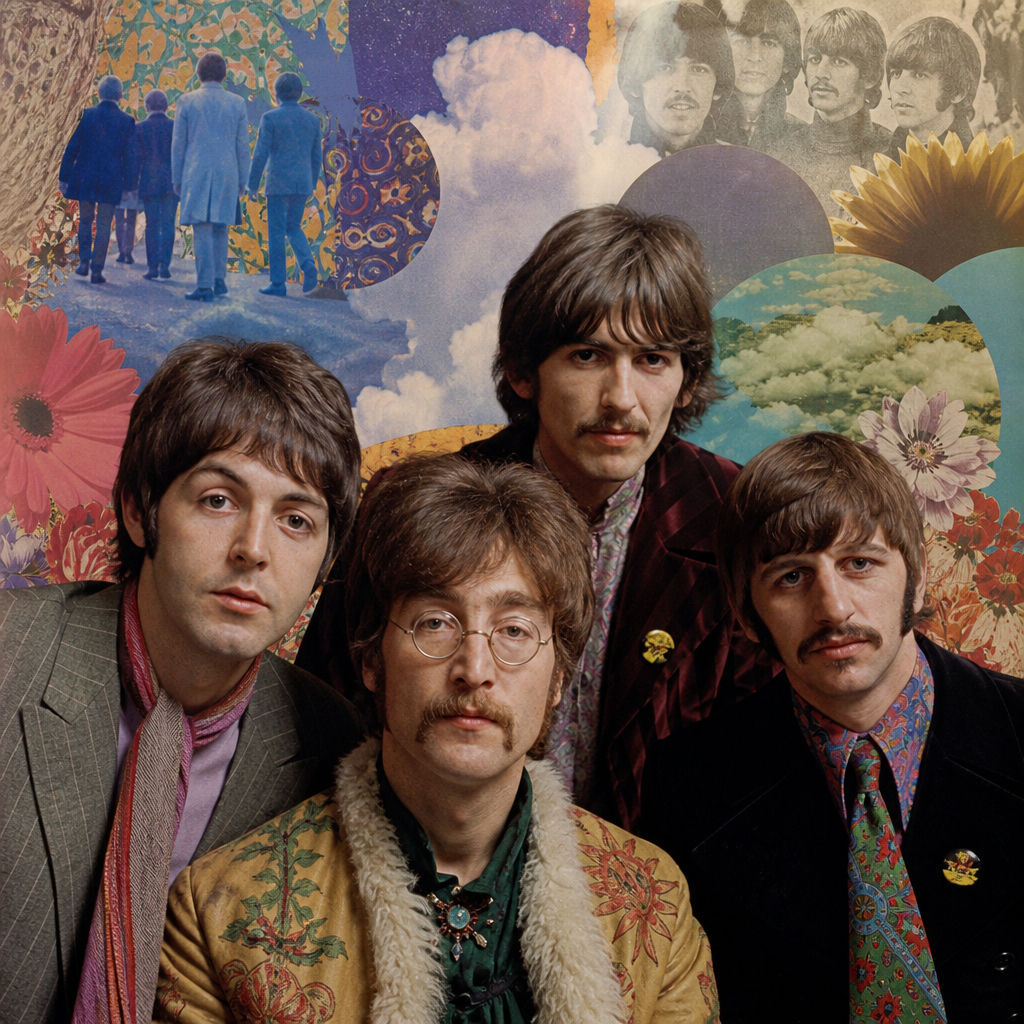
The song is often discussed alongside Penny Lane, another Beatles track rooted in Liverpool memory. The two songs were originally intended to be part of the same release, and their pairing has become one of the great “what if” debates in Beatles history. Each song offers a different emotional angle on childhood and place. Penny Lane is bright, detailed, and outward-looking. Strawberry Fields Forever is inward, dreamlike, and psychologically unstable.
Seen together, they form a remarkable diptych. Lennon and Paul McCartney were both drawing from Liverpool, but they were doing so in distinct ways. McCartney’s memory tends to organize the world into vivid scenes and social detail. Lennon’s memory often dissolves into mood, doubt, and abstraction. The contrast between the two tracks reveals the creative tension that made the Beatles so extraordinary.
Although the release strategy around the songs has long been discussed, what matters artistically is that they capture different modes of remembering. One looks outward at the city; the other turns inward at the self. Together, they show how far Lennon and McCartney had moved from the early days of simple love songs.
By the time listeners encountered them, the Beatles were no longer just a band. They were a laboratory for modern pop imagination.
John Lennon’s emotional state and the song’s hidden tension
Part of the song’s power comes from the emotional tension that runs beneath its beauty. Lennon was never a straightforwardly sentimental artist. Even his most tender songs often contain a shadow of unease. In Strawberry Fields Forever, that unease is central. The song sounds calm on the surface, but the calm is unstable.
This reflects a broader pattern in Lennon’s work. He was often drawn to the gap between inner vulnerability and public persona. As fame intensified, that gap widened. The song can be heard as a response to that condition: a retreat into memory, but also a recognition that memory itself may not provide escape.
The image of “nothing is real” is not just psychedelic decoration. It speaks to a deeper uncertainty about identity and perception. Lennon was beginning to write from a place where confidence and confusion existed side by side. That is one reason his best songs remain so psychologically alive. They do not pretend that the self is simple.
Listeners often respond to Strawberry Fields Forever because it feels emotionally honest without being explicit. Lennon does not explain himself in plain terms. Instead, he builds a sonic environment in which feeling can be sensed rather than decoded.

Reception, legacy, and influence
When the song was released, it immediately stood out as something special. Critics and listeners recognized that the Beatles were operating at a level of ambition far beyond ordinary pop production. Over time, Strawberry Fields Forever came to be regarded as one of Lennon’s defining works and one of the most important recordings in the history of popular music.
Its influence can be heard in countless later artists who treated the studio as a space for exploration rather than mere documentation. Psychedelic rock, art pop, experimental indie, and even certain forms of electronic music owe something to the song’s willingness to blur boundaries. It helped normalize the idea that a single could be dense, strange, and commercially significant.
Beyond music, the song entered cultural memory as a shorthand for inner life and altered perspective. The title itself has become iconic, evoking both childhood and dream logic. It is one of those rare song titles that feels larger than the song alone. It has become a cultural symbol of Lennon’s artistic identity.
That legacy also connects to the broader image of Lennon as a public figure. He was not only a songwriter but also a thinker, provocateur, and peace advocate. While Strawberry Fields Forever is not a political song in the direct sense, it reflects the same independence of mind that later informed his activism. He was willing to challenge conventions, whether musical or social.
What the song tells us about John Lennon
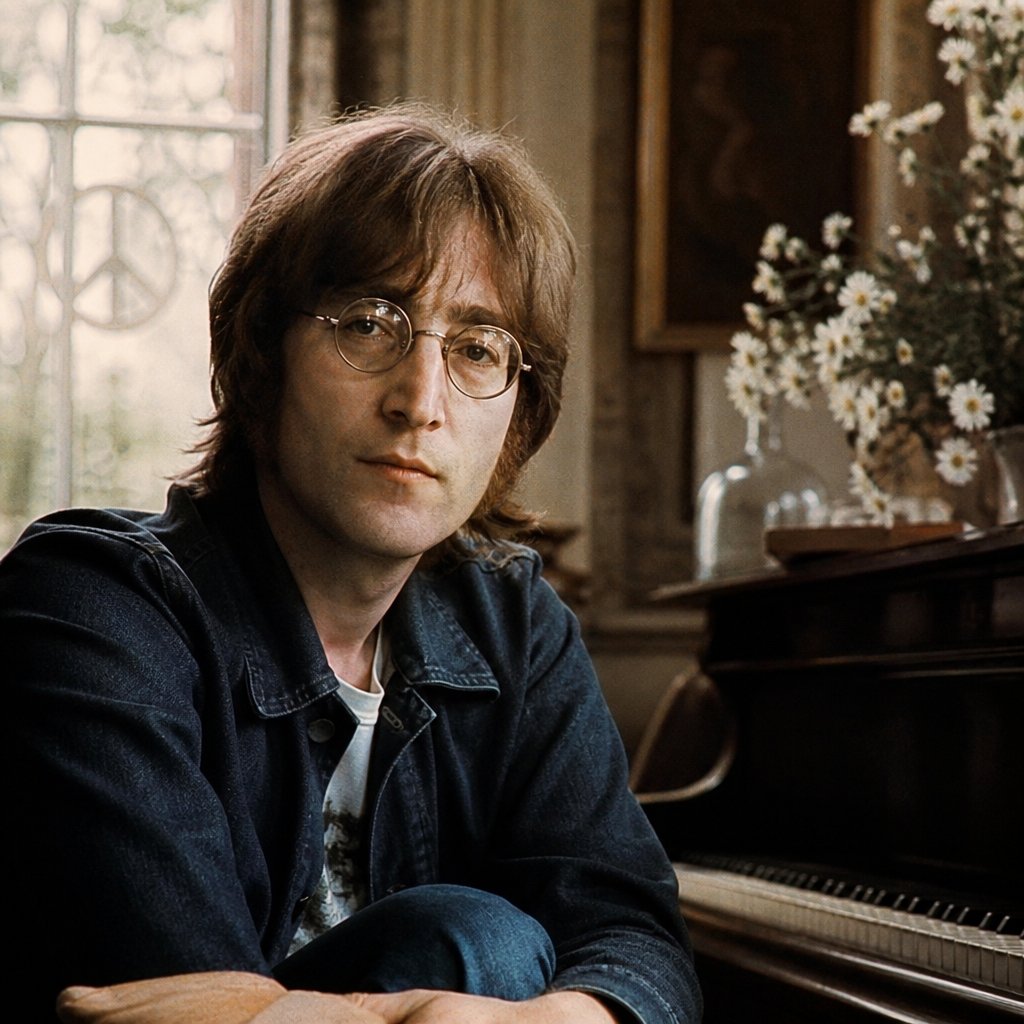
If we want to understand John Lennon beyond the myth, Strawberry Fields Forever is a good place to start. It shows him as a songwriter who could turn memory into mystery, a performer who could sound vulnerable without losing control, and an artist who saw the recording studio as a place for invention.
It also reveals his refusal to keep art neat and easily categorized. Lennon was often at his best when he allowed contradiction to remain visible. He could be playful and serious, intimate and detached, melodic and disruptive. This song contains all of that.
More than fifty years later, Strawberry Fields Forever still feels alive because it does not belong to one mood only. It is nostalgic without being sentimental, experimental without being cold, and personal without being closed off. It invites listeners into a memory, then lets that memory slip into something stranger and more universal.
That may be the deepest reason the song endures. It is not simply about a place in Liverpool. It is about the way the mind revisits the past, reshapes it, and turns it into art. In Lennon’s hands, childhood became sound. And sound became history.
For John Lennon, few songs captured his artistic evolution as clearly as Strawberry Fields Forever. For everyone else, it remains a reminder that popular music can still surprise us when an artist is brave enough to follow memory wherever it leads.
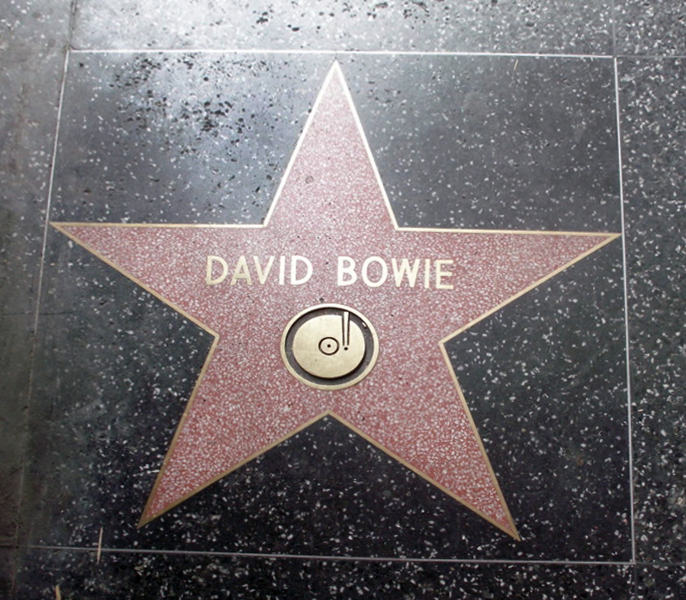
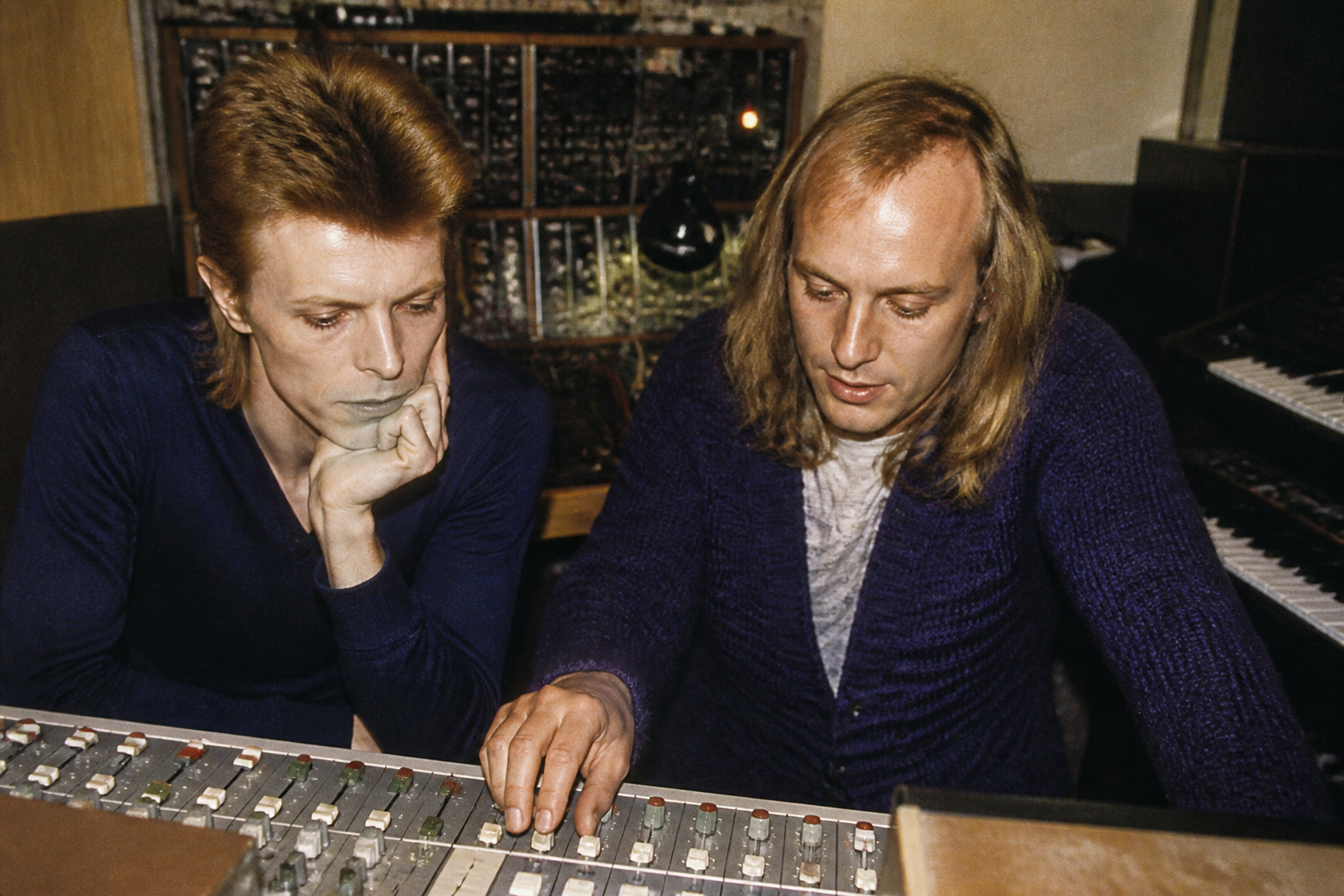
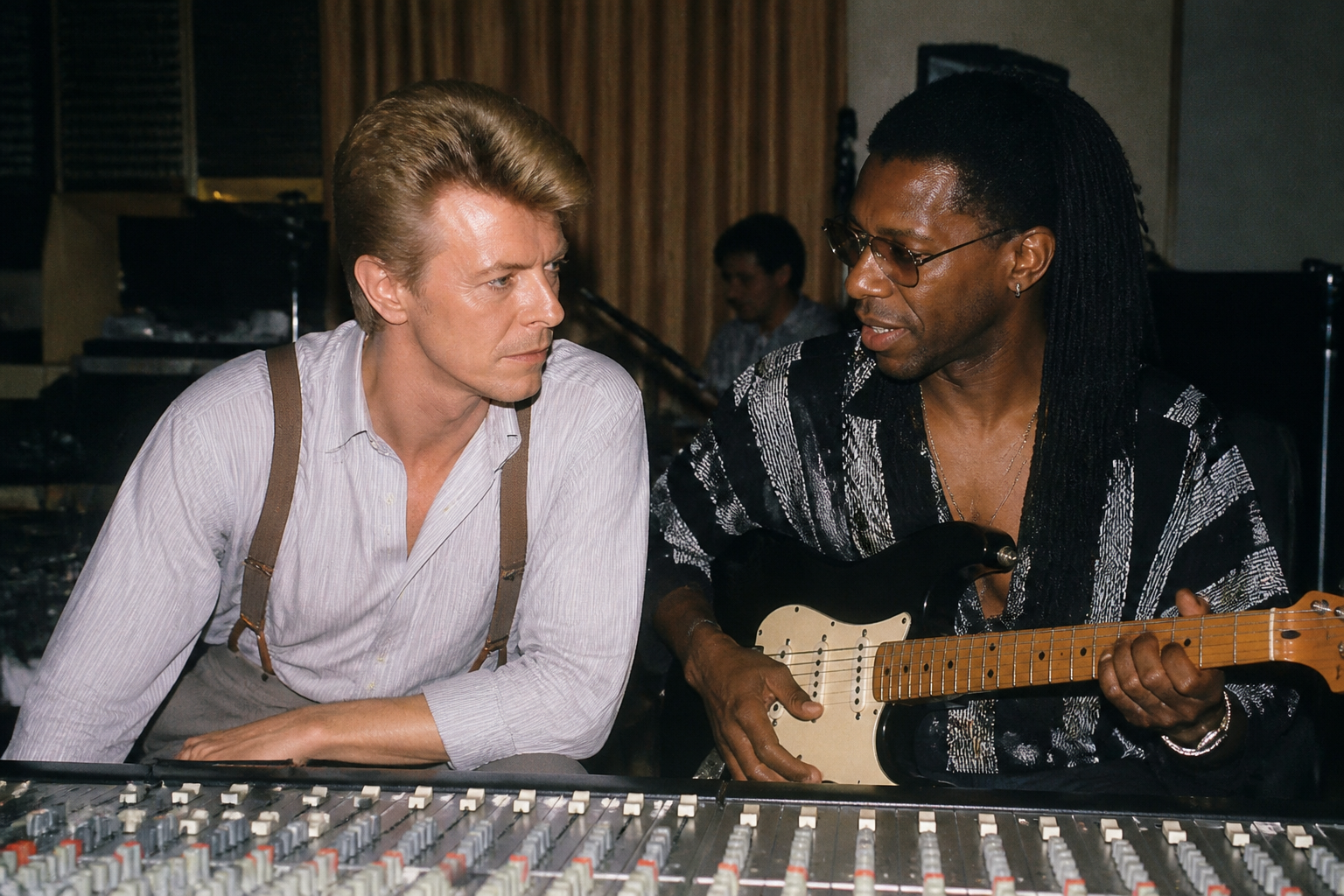
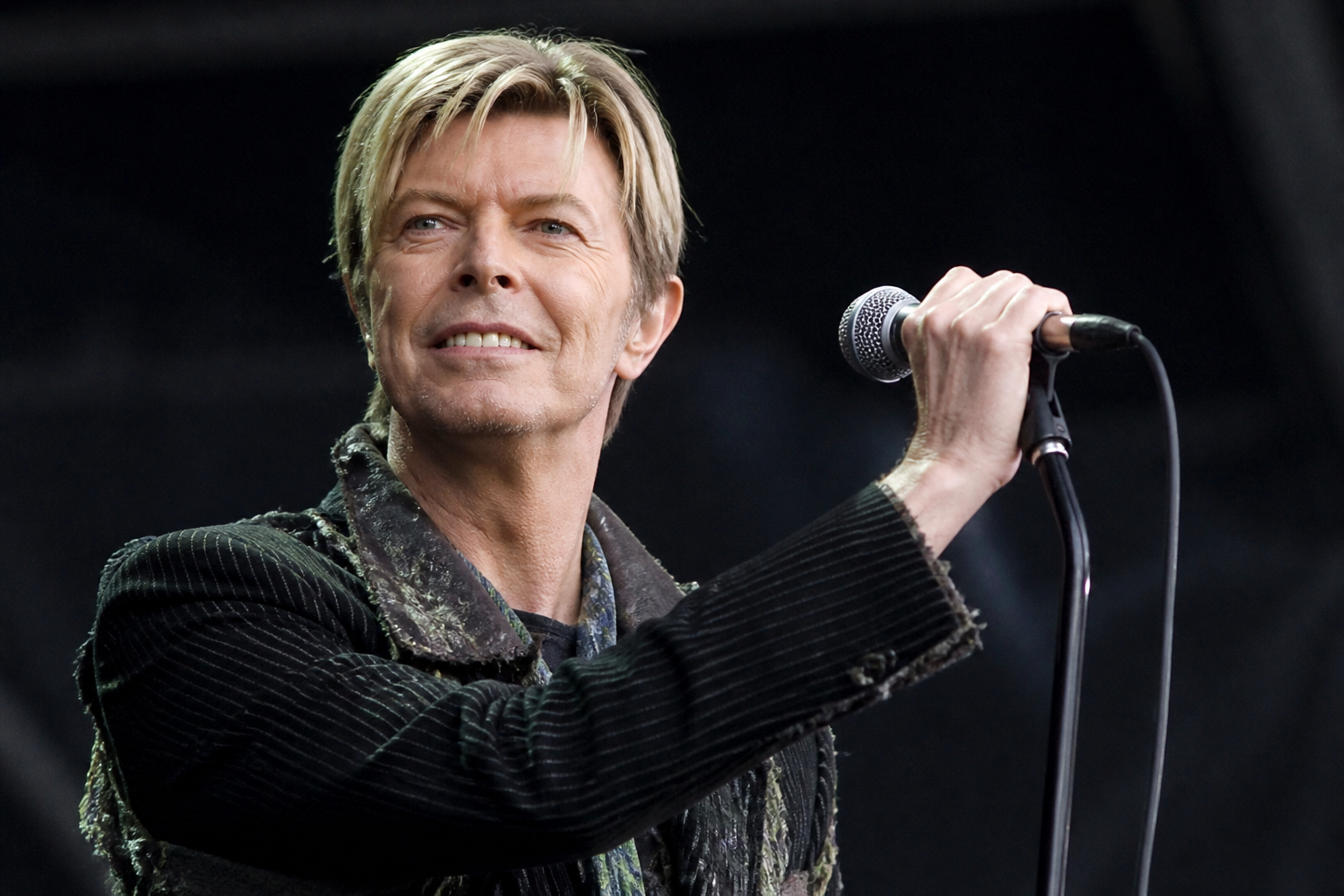
How David Bowie Reinvented Himself and Changed Music Forever

David Bowie made reinvention part of his artistic identity, and popular music has never quite looked the same. Across five decades, he treated image, sound, and performance as connected pieces of one creative vision. That approach made him one of the clearest examples of how a single artist could reshape an era without staying in one place for long.
Comments 0