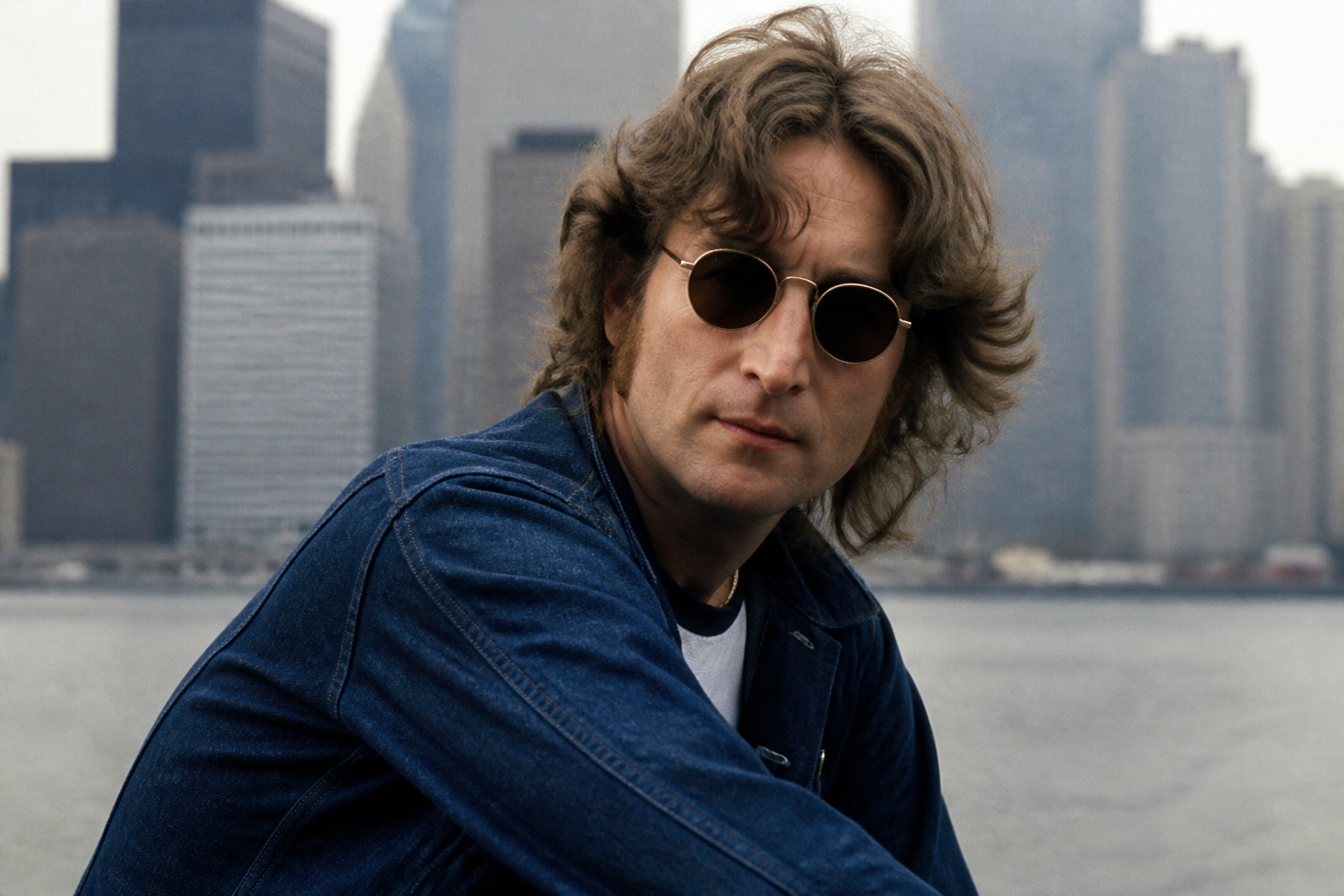
John Lennon spent his last months rebuilding a life that had become quieter and more settled than many people expected. After years away from recording and touring, he returned to the studio in New York and prepared a new album with Yoko Ono. The result was Double Fantasy, released in November 1980.
A return to recording after years away
Lennon had largely stepped back from public music-making during the mid-1970s. By 1980, he was writing again with greater focus, and the songs reflected adult concerns rather than the attitudes of his earlier fame. He worked on the album in New York during the spring and summer, with producer Jack Douglas helping shape the sessions.
The record was designed as a shared project between Lennon and Ono. Their songs alternated across the album, which made the release feel like a dialogue rather than a solo comeback. That format also matched the life they were living, since their home, family, and work were closely connected.
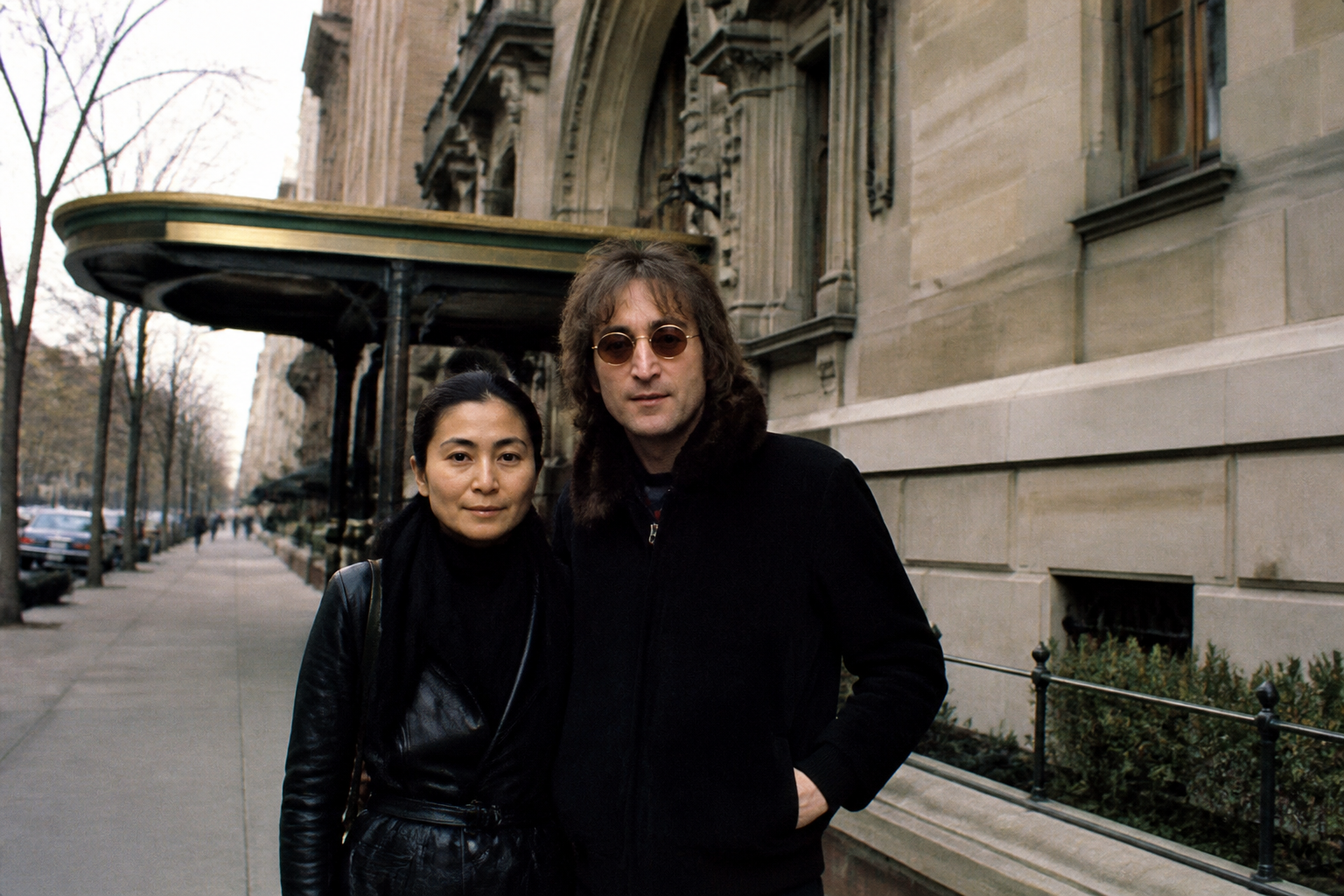
Life at the Dakota
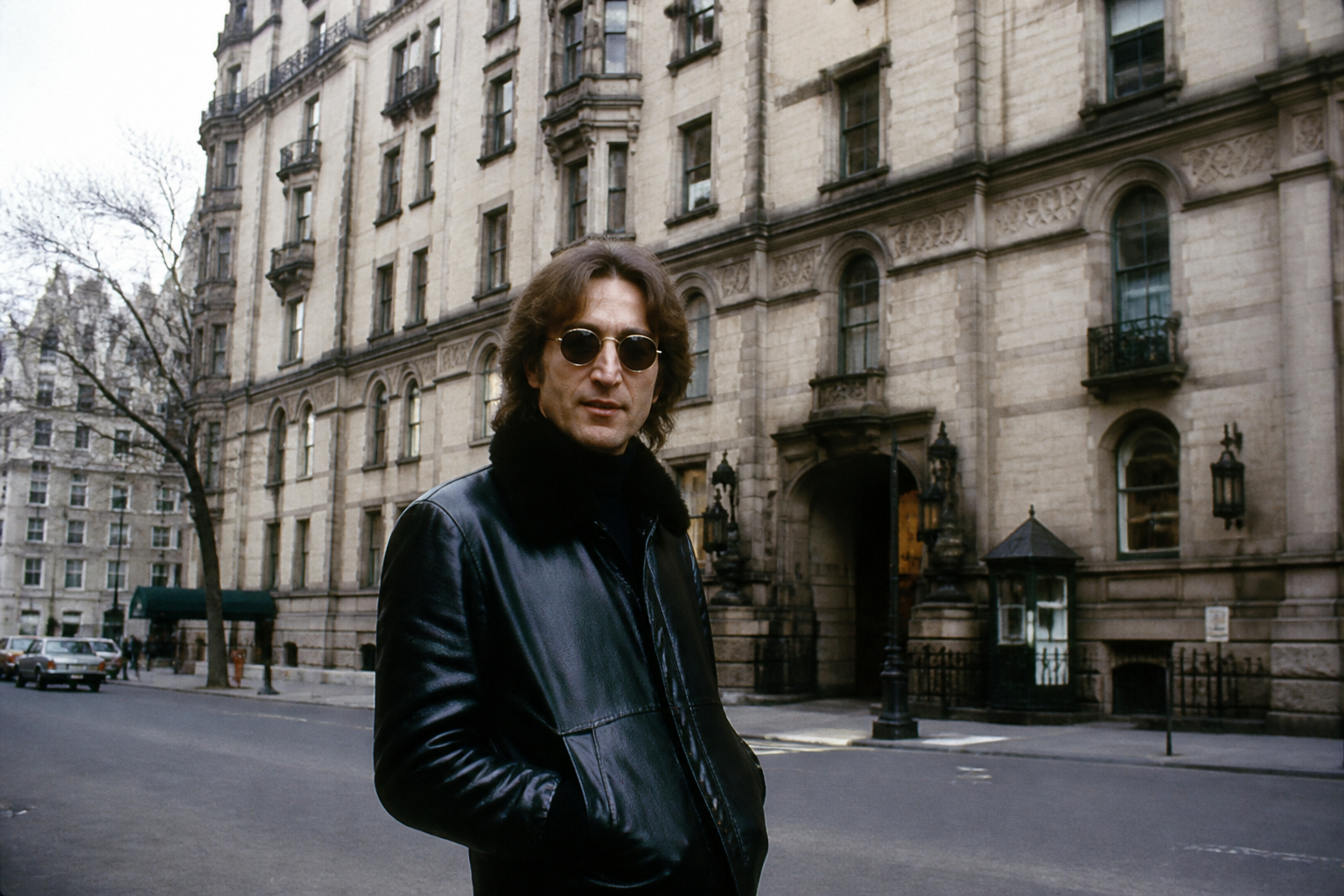
By late 1980, Lennon’s day-to-day life centered on the Dakota, the apartment building on Manhattan’s Upper West Side where he lived with Yoko Ono and their son, Sean Lennon. The setting mattered because it placed his creative return inside an ordinary domestic routine. He was not on tour, and he was not trying to recreate the pace of the Beatles years.
The Dakota became the backdrop for a more private version of Lennon’s public life. He moved between home, interviews, and recording work, but the balance was different from the celebrity cycle that had followed him for much of the 1960s and early 1970s. In this period, the most visible part of his story was his effort to resume work without abandoning family life.
That quieter pattern helps explain why the final months feel so distinct. Lennon was not simply returning to the spotlight for publicity. He was trying to fit music into a life shaped by marriage and parenting, and that made the comeback feel measured rather than theatrical.
Yoko Ono and Sean Lennon
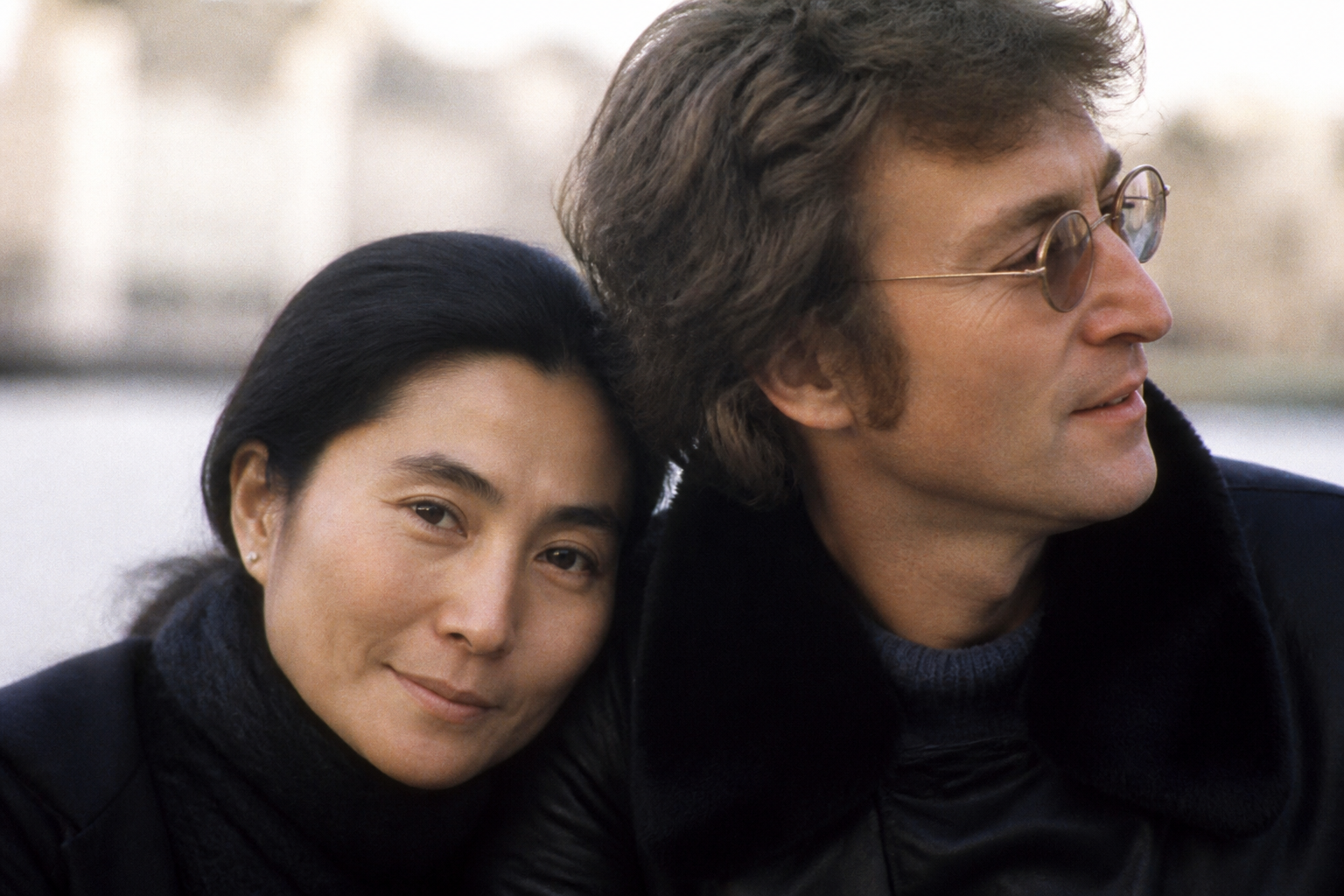
Yoko Ono was central to Lennon’s late-1980 life, both personally and professionally. She was his wife, his creative partner on Double Fantasy, and the person who shared his home and daily routine. Their partnership had already covered music and performance, but this album made it visible in a new and accessible way.
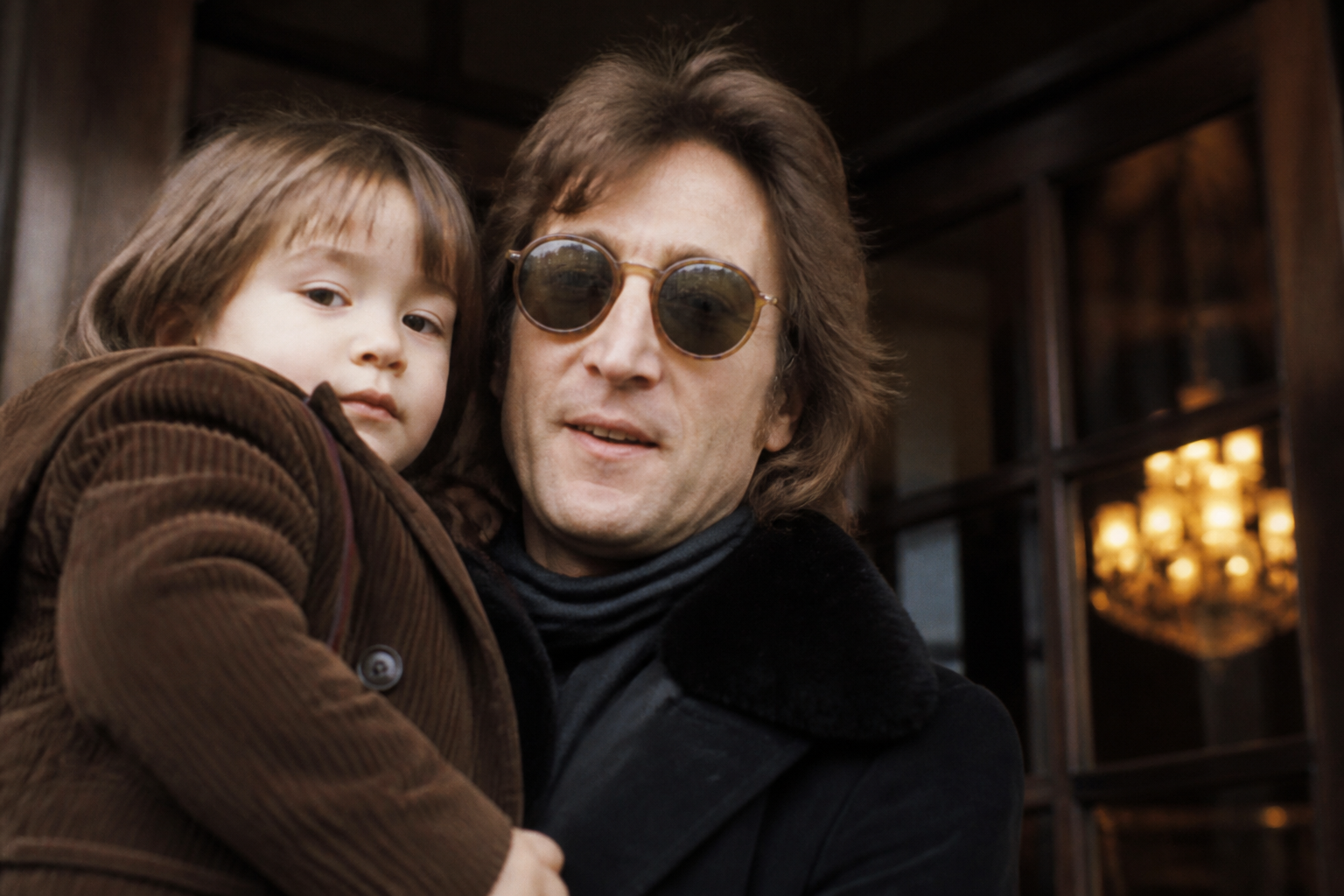
Sean Lennon, born in 1975, also shaped Lennon’s priorities. Lennon had become a father later in life, and he spoke in this period as someone deeply aware of that role. The available record presents him as a parent first in practical terms, even while he was also re-entering the recording world.
The family’s presence is one reason these months have such lasting interest. They show Lennon not as a distant cultural figure, but as someone grounded in ordinary responsibilities. His work and his home life were not separate stories during this time; they were intertwined.
Double Fantasy and the meaning of the comeback
Double Fantasy was the key public event of Lennon’s final months. Released in November 1980, it offered listeners his first new studio album since Walls and Bridges in 1974. The album included songs such as “(Just Like) Starting Over,” “Watching the Wheels,” and “Beautiful Boy (Darling Boy).”
Those songs helped define how people understood the comeback. “(Just Like) Starting Over” presented a fresh beginning, while “Watching the Wheels” reflected patience and withdrawal from public pressure. “Beautiful Boy (Darling Boy)” connected the record directly to fatherhood. Together, they suggested a Lennon thinking seriously about home, aging, and the meaning of returning to work.
The first response to the album was not simple triumph. Some listeners heard a warm and reflective record, while others expected a more forceful statement. Later, after Lennon’s death, the album came to be viewed as his final completed studio statement. At the time, though, it was just the start of what seemed like a new phase.
A more mature public image
Lennon’s return in 1980 did not resemble the confrontational public persona of the 1960s. He appeared instead as an older artist speaking about routine, commitment, and the realities of family life. That shift mattered because it showed how much his priorities had changed over time.
His interviews around the album supported that impression. He discussed the long break from recording and seemed comfortable presenting himself as someone who had chosen a slower pace. The public was seeing a musician who had moved beyond constant reinvention and toward something steadier.
This mature image was not detached from his history. It was shaped by it. Lennon’s earlier fame remained part of the context, but the late-1980 material was rooted in the present tense, which gave it a different emotional weight.
Daily life before the end
In the weeks before his death, Lennon continued moving between home life and the public obligations that came with the album. He was still connected to the promotion of Double Fantasy, and he was still speaking publicly about the work. The record shows a man resuming activity, not one preparing for an ending.
That point is important because later memories can make the period feel predetermined. In reality, the available evidence suggests ordinary continuity. Lennon was spending time with his family, paying attention to the album’s release, and living a structured New York routine.
He also remained at the center of public attention because of who he was. Even during a quiet stretch, his presence carried weight. That made the late-1980 months historically significant, since they preserved a rare view of Lennon in a domestic phase rather than a fame-driven one.
The final weeks of 1980
As December began, Lennon was still living the same basic pattern. He was at the Dakota, connected to the album, and moving through a life that mixed privacy with renewed public visibility. There is no need to attach a dramatic symbolic frame to those days. The record is strong enough on its own.
On December 8, 1980, Lennon was shot outside the Dakota Building by Mark David Chapman. He was taken to Roosevelt Hospital, where he was pronounced dead. That event ended his return to recording and changed the way the preceding months would be remembered.
The killing also closed a story that had only just reopened. Lennon’s comeback was real, but it was still incomplete. He had resumed work, not completed a long new chapter.
Why the final months matter
The importance of Lennon’s last months lies in their contrast with the tragedy that followed. He was not living in isolation, and he was not caught in a simple decline. He was making music, caring for his family, and re-entering public life in a way that felt deliberate and grounded.
That combination gives the period its emotional force. The album, the Dakota, and his family life together show a Lennon who had found a calmer rhythm. The music reflected that state without turning it into sentimentality.
For that reason, the months before his death are worth understanding on their own terms. They reveal a musician whose life had become more settled and whose creative work had returned with purpose. They also show how suddenly that renewed stability was cut short.
John Lennon’s last chapter in context
Seen in context, Lennon’s final months were shaped by both continuity and change. He remained the same artist who had altered popular music, but he was now writing from the standpoint of a husband and father. That shift made the material on Double Fantasy feel intimate and unusually direct.
The public often remembers Lennon through the circumstances of his death, but the months before it tell a fuller story. They show work resumed after a long pause, a family life centered at the Dakota, and a creative partnership with Yoko Ono that still had a clear purpose. Those details matter because they explain what was lost on December 8.
John Lennon’s final months in 1980 were brief, productive, and unexpectedly calm. They stand as the last evidence of an artist who had returned to himself through music, home, and family. That is why the period remains one of the most revealing in his biography.
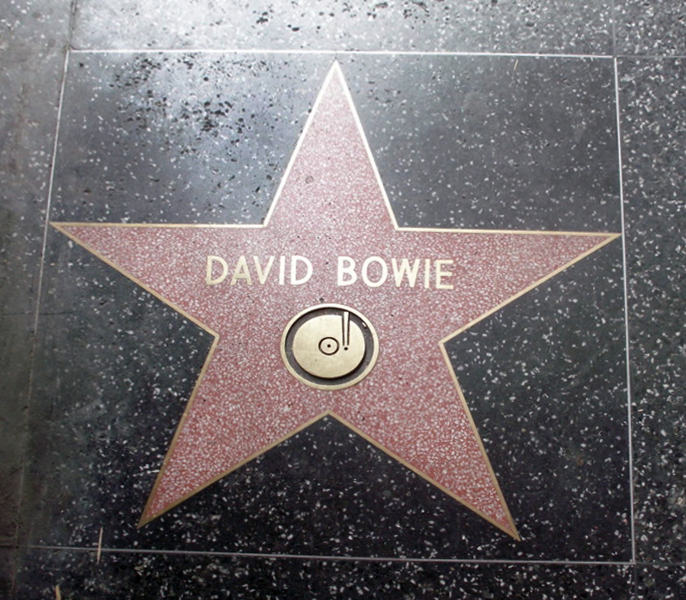
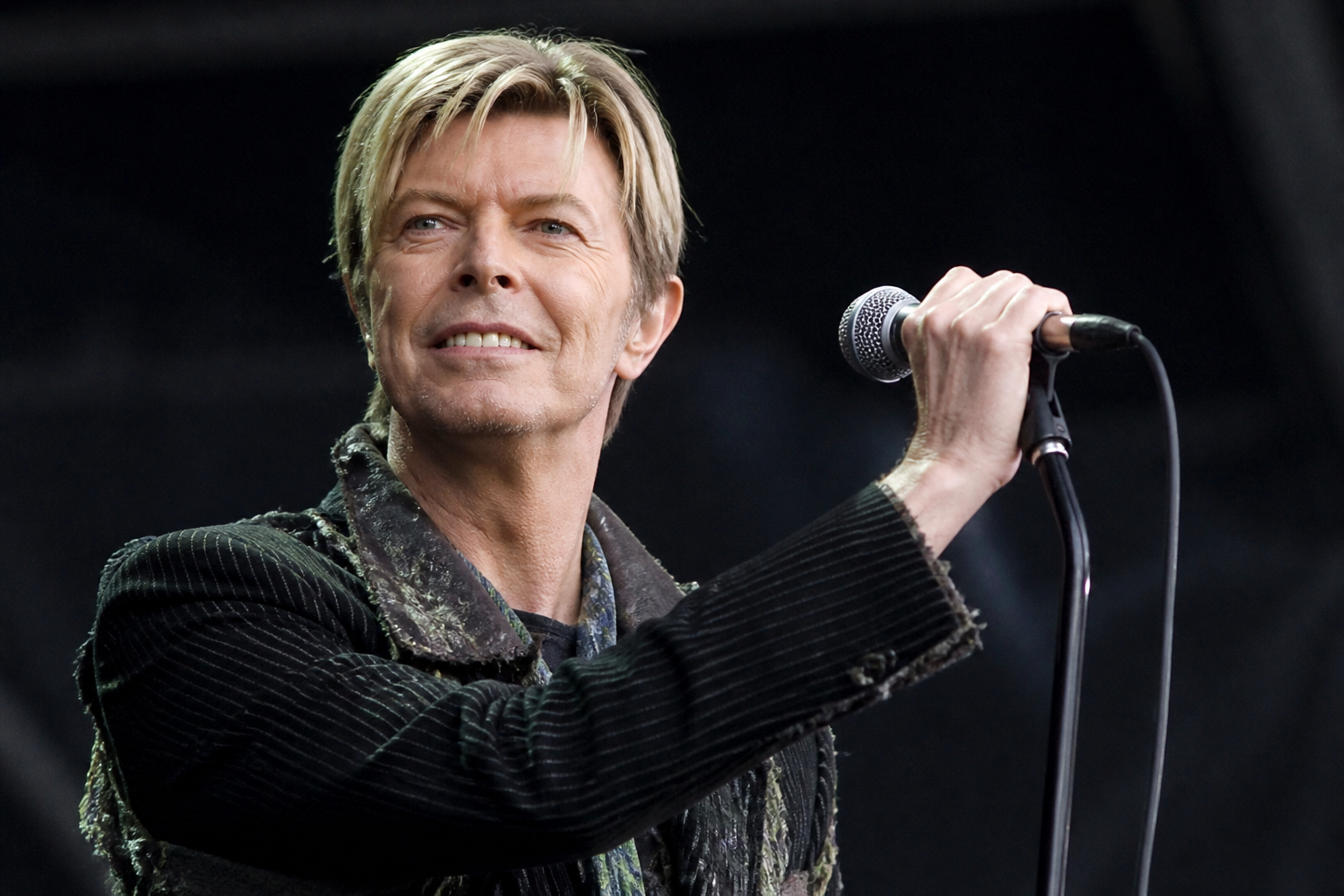
How David Bowie Reinvented Himself and Changed Music Forever

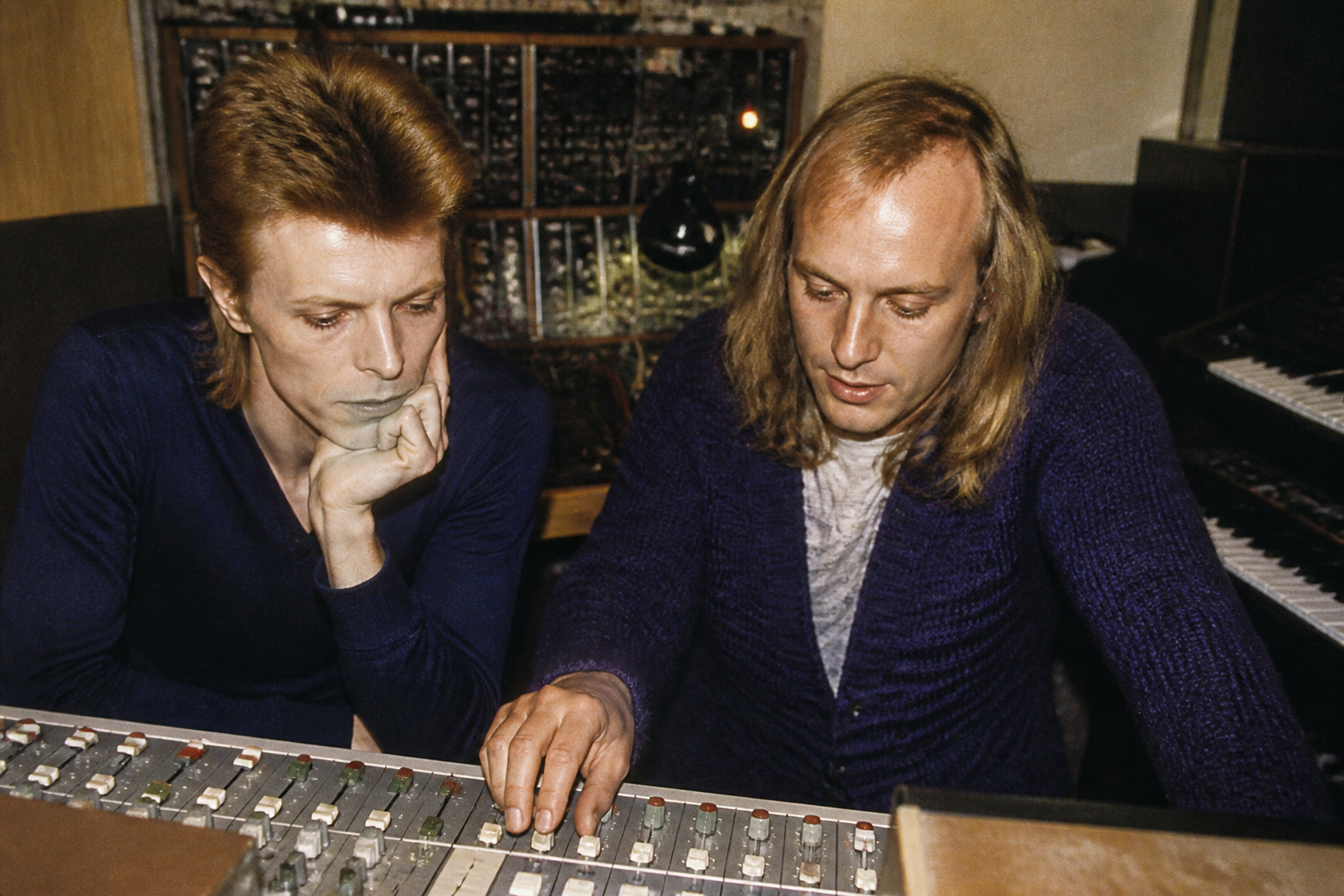
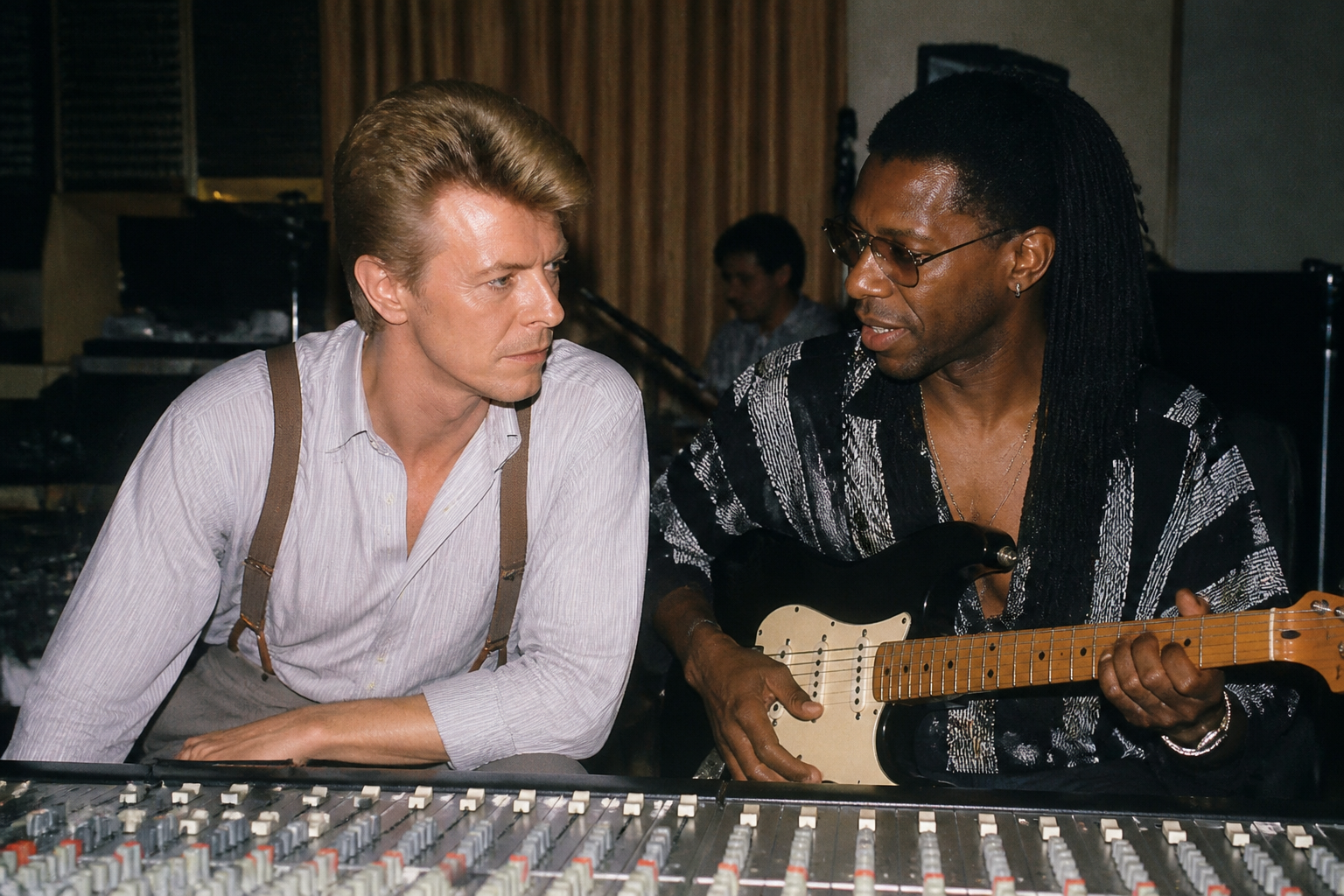
David Bowie made reinvention part of his artistic identity, and popular music has never quite looked the same. Across five decades, he treated image, sound, and performance as connected pieces of one creative vision. That approach made him one of the clearest examples of how a single artist could reshape an era without staying in one place for long.
Comments 0