Kurt Cobain’s final months were shaped by a band that still existed publicly, even as its center was coming apart. Nirvana remained one of the defining rock acts of the 1990s, but by early 1994 the group was under strain from touring exhaustion, public scrutiny, and Cobain’s unstable private life.
The record from this period is uneven but clear enough to trace a final sequence. Cobain was still writing and recording, Nirvana’s European tour ended badly, and a drug-related intervention in Los Angeles exposed how fragile the situation had become. By the time he disappeared in early April 1994, the collapse of the band and the collapse of his public routine were already closely linked.
Kurt Cobain and Nirvana in early 1994
Kurt Cobain entered 1994 as the singer, guitarist, and principal songwriter of Nirvana, the Seattle band whose album Nevermind had turned alternative rock into a global commercial force. The success brought money and influence, but it also made Cobain a constant subject of press coverage, rumor, and interpretation. Nirvana had moved far beyond the club scene that had shaped the band in the late 1980s, and the scale of attention now followed every public move.
Cobain also faced a demanding artistic standard that was partly internal and partly imposed by the audience around him. Nirvana’s second studio album, In Utero, had been released in September 1993, and it was widely read as a less polished, more abrasive answer to the band’s breakthrough success. The album did not remove pressure; it only changed the form of it, because expectations remained high while the band was still trying to keep control of its own image.
His public life at the start of 1994 therefore combined visibility and withdrawal. He remained one of the most recognizable musicians of the era, yet the documented record from the final months shows repeated signs that touring, interviews, and ordinary professional obligations were becoming harder to sustain. The tension between fame and retreat is central to understanding the period before his death.
Courtney Love and the people around him
He married Courtney Love in 1992, and their relationship was already one of the most discussed in popular music by 1994. Love was the lead singer of Hole, and the couple’s life together was covered as celebrity news, music news, and moral panic all at once. Public reporting around them often blurred performance, private life, and accusation, which made it difficult for outside observers to separate fact from commentary.
They had a daughter, Frances Bean Cobain, who was born in 1992. In the final months of his life, Cobain was not living in isolation from people close to him; rather, he was surrounded by a small circle that included his family, bandmates, management, medical professionals, and friends who tried to intervene when his drug use became alarming. The public record is strongest on the existence of those efforts, not on the private details of every conversation.
The relationship should be described carefully because public accounts at the time were often sensationalized. The documented facts are that they remained married, that both were high-profile musicians, and that their relationship drew relentless attention. It is not documented in a reliable way that any single private argument or personal grievance explained the end of Nirvana or his death.
He was also working with his Nirvana bandmates, especially bassist Krist Novoselic and drummer Dave Grohl. The group remained a functioning professional unit in early 1994, but the atmosphere around performances and travel was strained. The band’s members were still appearing onstage, yet the longer the year went on, the more the record reflects exhaustion rather than momentum.
The European tour and the Rome crisis
He and Nirvana began a European tour in February 1994, and the tour quickly became one of the most important sequences in the final chapter of his life. The trip was intended to keep the band active, but the physical and emotional demands of travel were already apparent. The tour included a show in Munich on March 1, 1994, after which Cobain was treated for bronchitis and laryngitis.
He then traveled to Rome, where a major crisis occurred on March 4, 1994. While in Rome, he was found unconscious after an apparent overdose of champagne and the sedative Rohypnol. The public record does not support turning that event into a neat single explanation for his later death; it does show that his condition had become dangerous enough to alarm people around him.
The Rome incident became a turning point because it ended the European schedule. Courtney Love traveled to be with him, and Nirvana’s remaining dates were canceled. The band’s public activity did not simply pause; it began to look increasingly unsustainable, because the episode made the strain visible to the outside world.
His documented condition after Rome matters because it shows how close the situation had come to a breaking point before the last American days even began. By early March, Nirvana was no longer just a band under pressure. It was a band in which one member’s health and dependence had become impossible to ignore.
The intervention and the Los Angeles days
He returned to the United States after the Rome crisis, and the next major public event was an intervention in Los Angeles on March 18, 1994. The intervention was organized by family members, friends, and associates who were trying to get him into treatment for drug abuse. The people involved included Courtney Love, his mother, Wendy O’Connor, and his friend Dylan Carlson, among others.
His response to the intervention was to agree to enter treatment, and he went to a detox facility in Marina del Rey, California. The decision mattered because it was one of the last clear attempts to interrupt the pattern that had already damaged his health and work. It also showed that people around him still believed there was time to stabilize the situation.
He left the Marina del Rey facility after a brief stay, which is part of the public record and one of the clearest signs that the intervention had not solved the underlying problem. His departure was followed by an increasingly opaque stretch in which his whereabouts and intentions became harder to track. From that point on, the timeline moves toward disappearance rather than recovery.
His movement between treatment, home, and travel in late March and early April did not produce a clean public narrative. The available record shows a man pulled between attempts at care and the forces that had already isolated him. The simplest accurate reading is that the intervention slowed events without reversing them.
Disappearance in April 1994
He returned to Seattle in early April 1994, and on or about April 4 he was reported to have left the treatment process and gone missing from ordinary contact. The details of his exact movements in those days are not fully public, and the record does not allow a reliable minute-by-minute reconstruction. What is documented is that people close to him became increasingly concerned when they could not confirm his safety.
His disappearance was not a dramatic public performance. It was a withdrawal from sight, communication, and the routines that had defined him as a working musician. By this point, Nirvana was effectively frozen, because the band could not operate normally while its singer was absent and his status was uncertain.
His final known days were no longer defined by studio work or touring. They were defined by separation, uncertainty, and the inability of those around him to restore contact. This is where the story of Nirvana’s collapse and the story of his private crisis converge most sharply.
Death and the end of Nirvana
He was found dead at his Seattle home on April 8, 1994. Authorities determined that he had died from a self-inflicted gunshot wound. The official finding is the documented basis for any account of his last days, and it should be stated plainly without speculation about alternate causes.
His death did not arrive as an isolated shock detached from the previous weeks. It followed the Rome overdose, the intervention in Los Angeles, the brief treatment attempt, and the disappearance from view. Each step reduced the space in which normal band life could continue, until there was no viable public path left for Nirvana.
His death also marked the practical end of Nirvana. The band had no realistic future after losing its singer and central writer, and the remaining members later moved on to other projects. The collapse was therefore both emotional and structural: the group did not simply lose a frontman, but the person around whom its recent history had revolved.
That final period remains one of the most documented and most argued-over episodes in rock history, partly because it sits at the intersection of fame, addiction, creativity, and public projection. The facts are enough to show a clear chain: success intensified scrutiny, scrutiny did not ease the pressure, treatment came too late to restore stability, and the band’s end followed soon after. What remains unknown is the inner life that led him to each private decision, and responsible history should leave that boundary intact.
Final days in timeline form
The final months can be followed in a short timeline that shows the way events connected. In February 1994, Nirvana toured Europe and he was still performing, even as illness and strain were visible. On March 1, 1994, he was treated in Munich for bronchitis and laryngitis after a show. On March 4, 1994, he was found unconscious in Rome after an apparent overdose involving champagne and Rohypnol.
The next major public turning point came on March 18, 1994, when an intervention in Los Angeles led him to enter detox in Marina del Rey. He left treatment after a brief stay, and by early April he was back in Seattle and no longer in a stable public routine. On April 8, 1994, he was found dead at his home.
The final sequence matters because it shows collapse as a process rather than a single moment. Nirvana did not end because one event suddenly erased the band’s future. Nirvana ended because a series of documented crises removed the conditions needed for the group to continue at all.
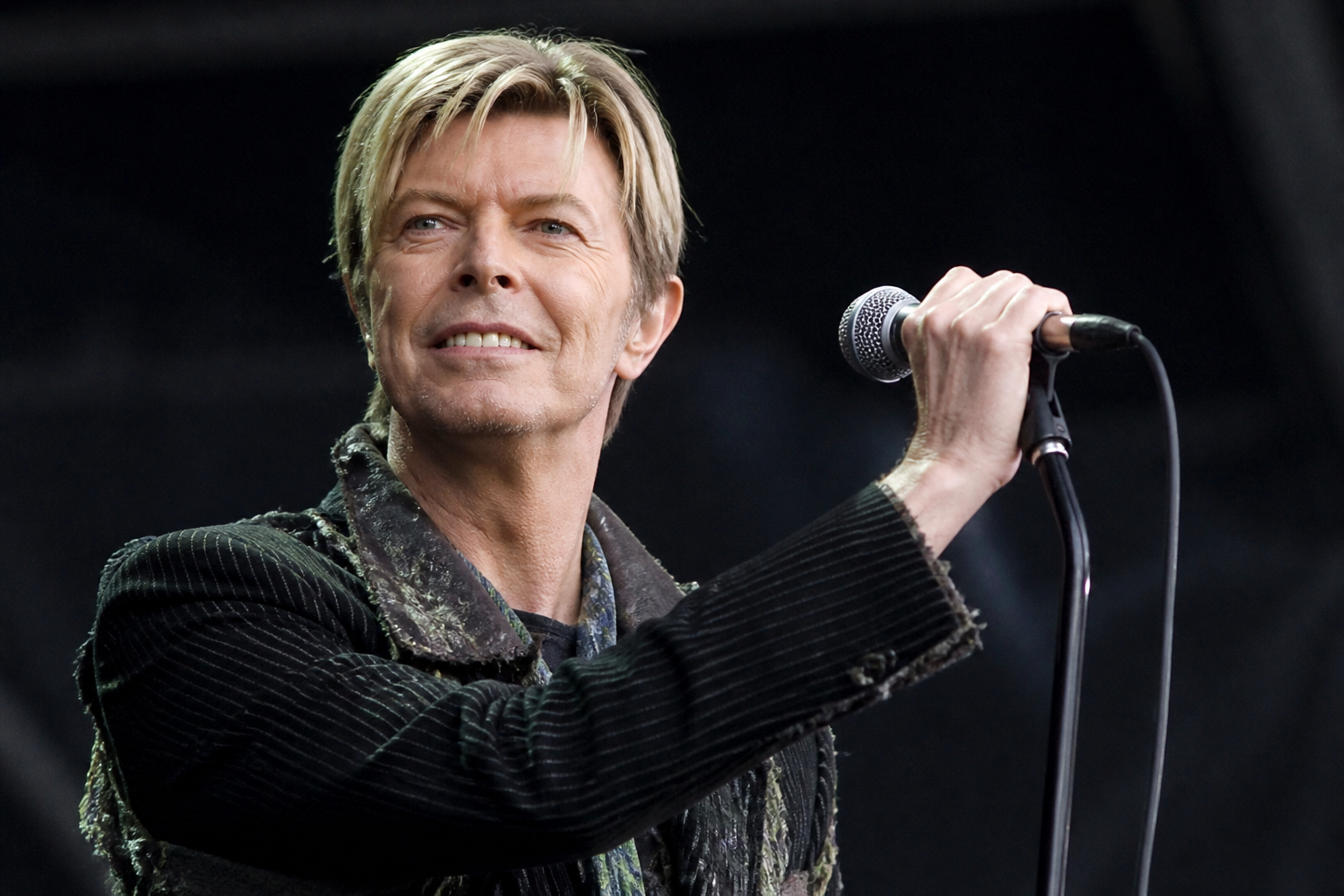
How David Bowie Reinvented Himself and Changed Music Forever
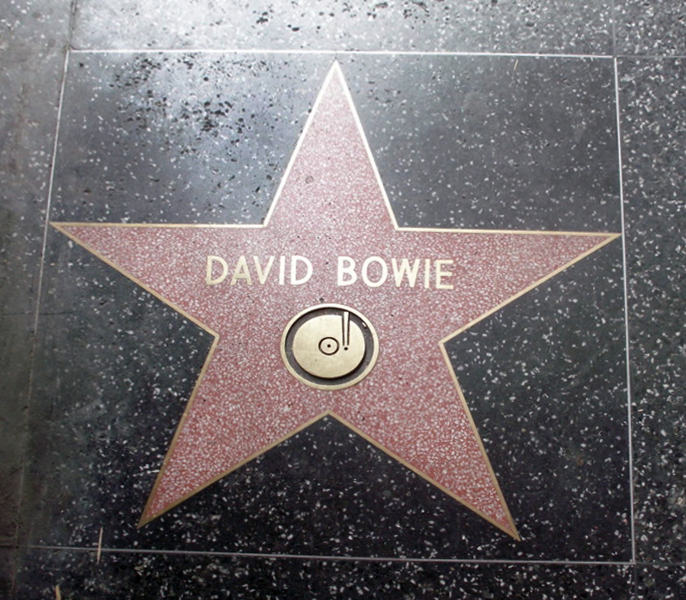
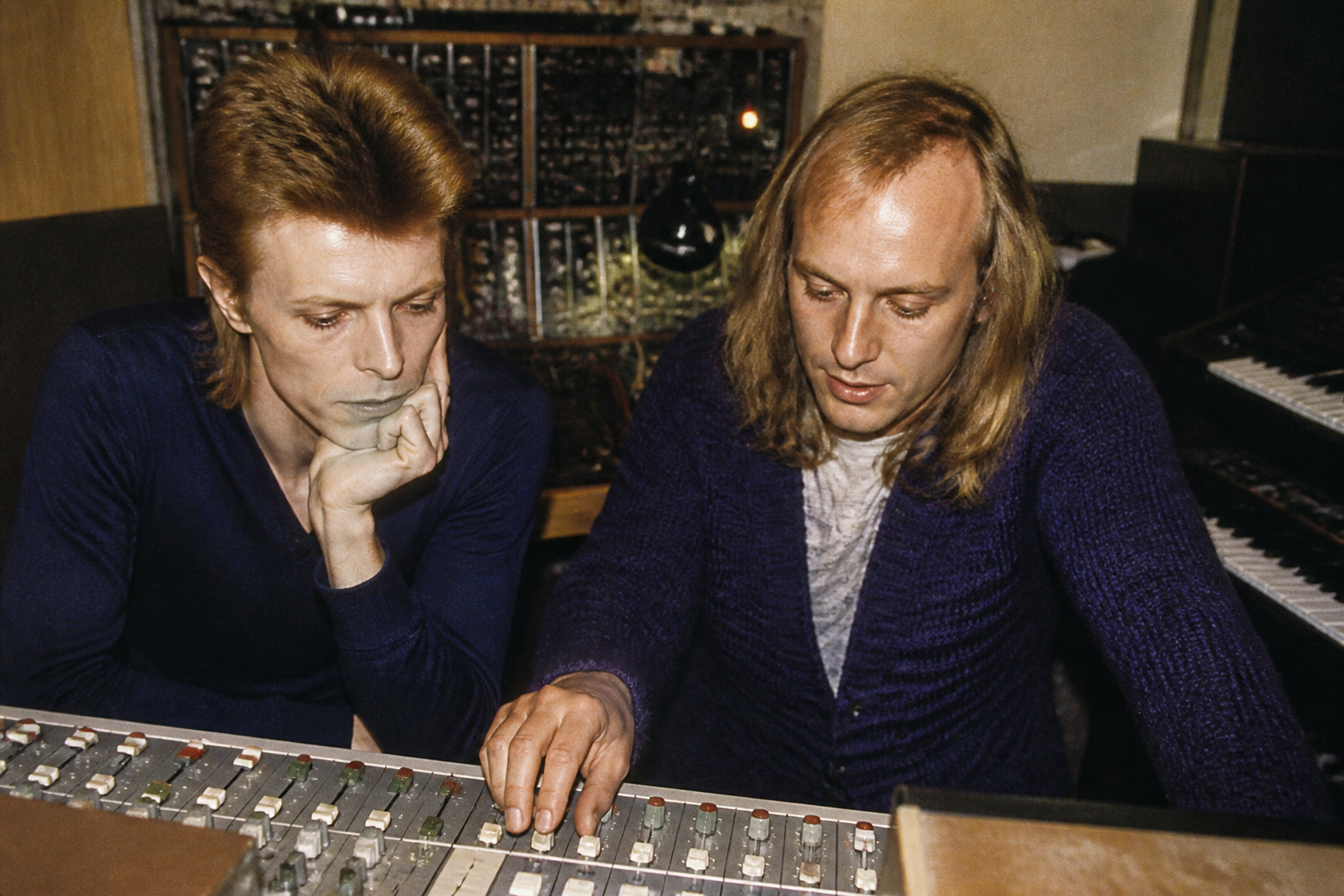
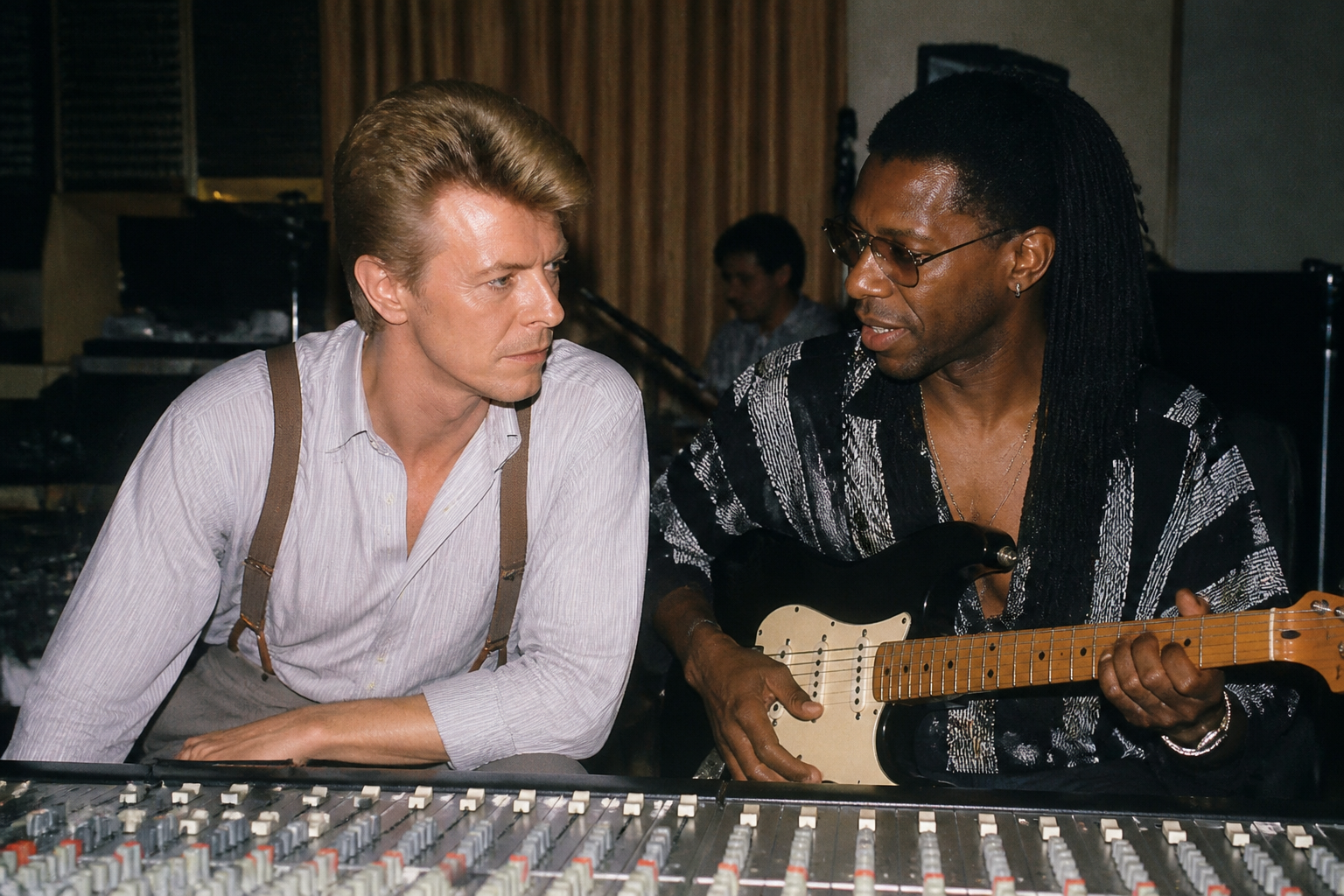
David Bowie made reinvention part of his artistic identity, and popular music has never quite looked the same. Across five decades, he treated image, sound, and performance as connected pieces of one creative vision. That approach made him one of the clearest examples of how a single artist could reshape an era without staying in one place for long.
Comments 0