A Simple Seat Turns Into a Viral Moment
Air travel is full of small, unspoken rules. Who gets the armrest? When is it okay to recline? And perhaps most controversially—who really owns a seat once the plane door closes?
A recent viral story about a plane passenger’s unexpected seating situation has reignited these debates, capturing attention across social media and travel forums. What began as a routine flight turned into a moment of surprise, confusion, and online discussion about courtesy, entitlement, and airline policies.
The incident resonated because it touched a nerve familiar to millions of travelers: the awkward reality of modern flying.
What Happened on the Flight?
According to the account, a passenger boarded a flight expecting a normal journey—assigned seat, carry-on stowed, headphones ready. Instead, they were confronted with an unexpected seating complication that forced them to make a quick decision under social pressure.
Details varied in retellings, but the core issue was clear:
-
The passenger arrived at their assigned seat
-
Another traveler was already occupying or contesting it
-
A surprise explanation followed—one that put etiquette and fairness to the test
Rather than escalating into a loud confrontation, the situation unfolded quietly—but its aftermath exploded online.
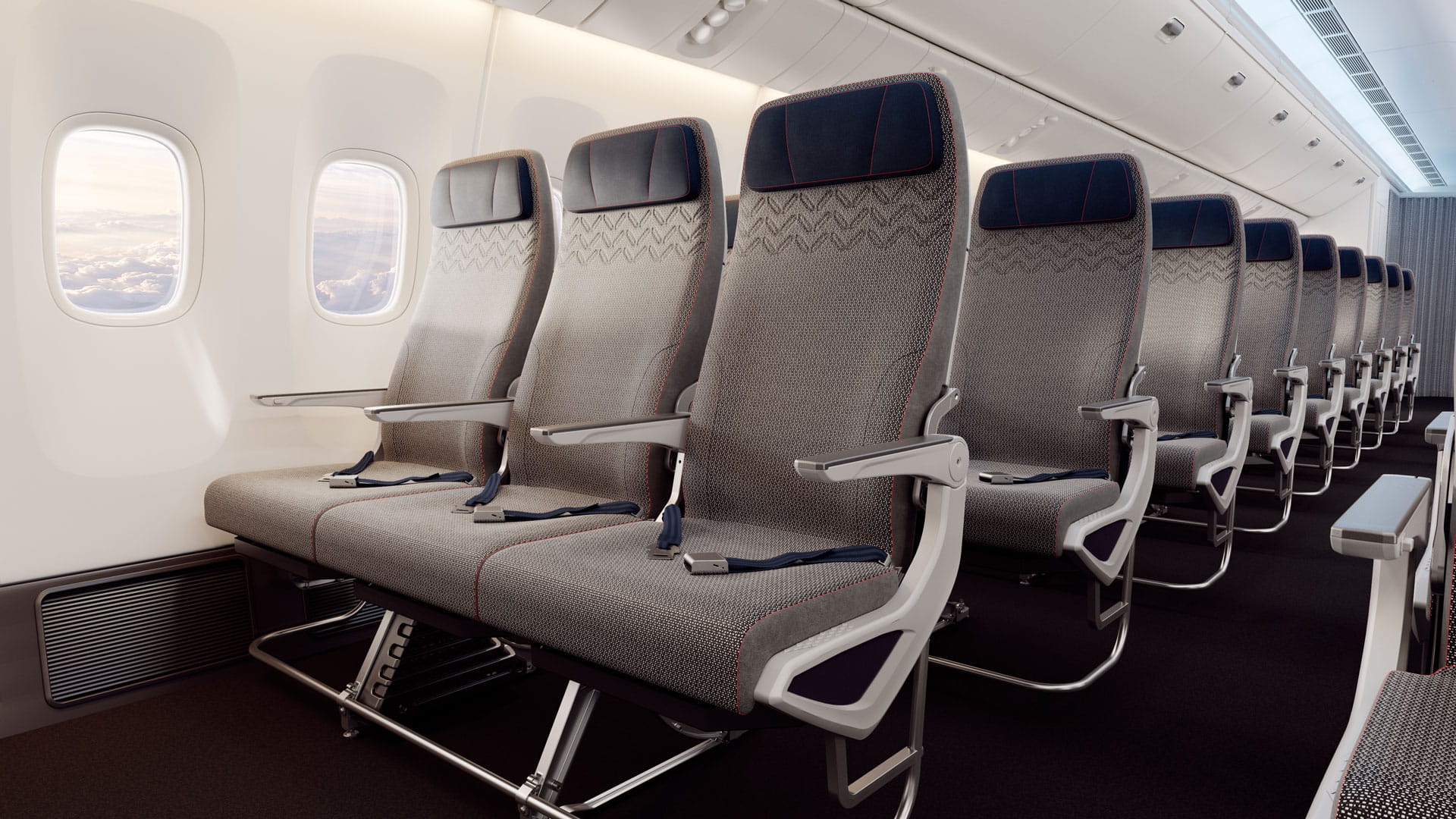
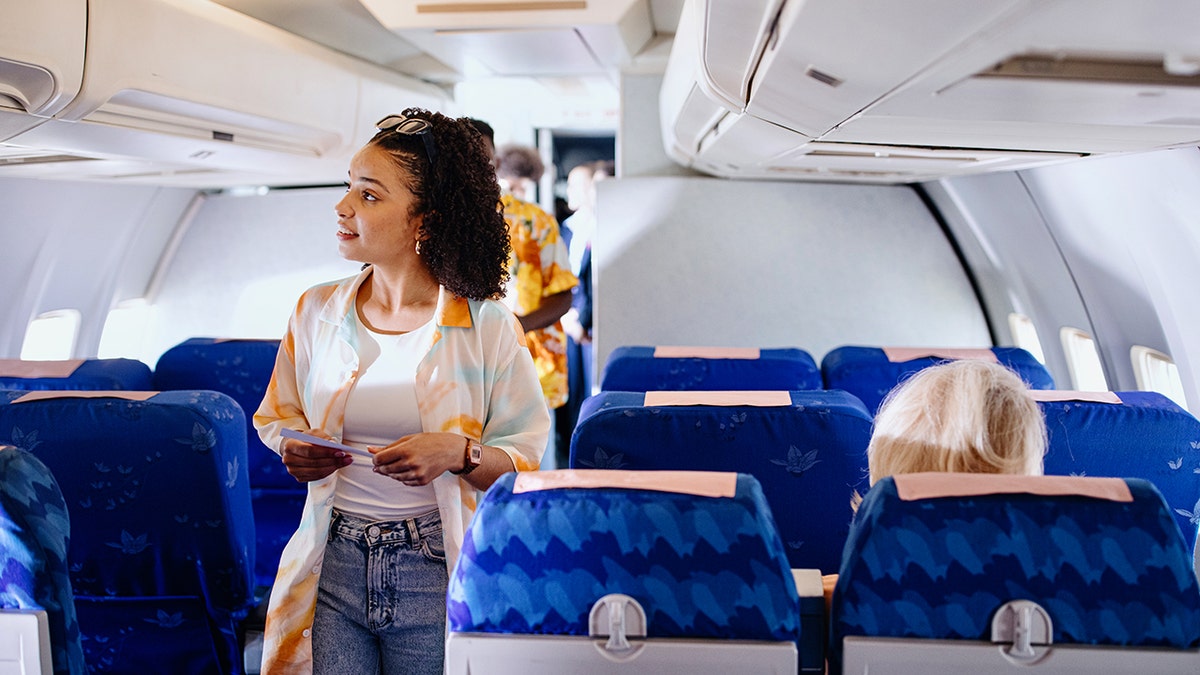
Image: Airplane cabin with passengers boarding and finding seats

Why Plane Seating Is Such a Sensitive Topic
Seats Are Personal Territory
In the tight quarters of an airplane, a seat isn’t just a place to sit—it’s:
-
Personal space
-
Paid-for real estate
-
Sometimes the only comfort on a long flight
When seating expectations are disrupted, emotions can run high quickly.
Airlines Sell Certainty—But Deliver Complexity
Airlines promise clarity with seat numbers and boarding passes. But reality includes:
-
Overbooked flights
-
Aircraft changes
-
Families trying to sit together
-
Passengers hoping for upgrades or favors
This gap between expectation and reality often lands squarely on travelers—not airline staff.
The Surprise Factor: Why This Story Went Viral
What made this story resonate wasn’t yelling or drama—it was relatability.
Many readers immediately thought:
-
“What would I do in that situation?”
-
“Am I obligated to move?”
-
“Would I feel guilty saying no?”
The comments section filled with debates, personal stories, and strong opinions—proof that airplane seating is one of travel’s most emotional topics.
The Unwritten Rules of Airplane Seating
While airlines have official policies, much of in-flight behavior is governed by social norms.
Common Passenger Expectations
-
Your boarding pass equals your seat—no negotiations required
-
Requests to swap seats should be optional, not assumed
-
Window, aisle, and extra-legroom seats are not equal
Where Tension Arises
Problems often occur when:
-
One passenger assumes kindness is mandatory
-
Another feels pressured to give up what they paid for
-
Flight attendants are expected to resolve personal disputes
Seat Switching: Polite Request or Social Pressure?
Seat switching is one of the most divisive issues in air travel.
When It Feels Reasonable
-
Parents wanting to sit with young children
-
Medical or mobility needs
-
Airline-caused seating errors
When It Feels Unfair
-
Asking someone to trade a premium seat for a worse one
-
Expecting strangers to fix poor planning
-
Using guilt or public pressure to get compliance
In this viral case, many commenters argued that kindness should never be compulsory.
How Airlines Contribute to These Situations
While passengers often clash with each other, airlines play a major role.
Common Airline Practices That Create Conflict
-
Charging extra for seat selection
-
Separating families unless fees are paid
-
Overbooking and last-minute seat changes
When airlines monetize certainty, passengers become more protective of what they’ve purchased.
Image: Airline seat map showing different seat classes


What Travel Experts Say
Travel etiquette experts often emphasize one core principle:
“A request is not a requirement.”
Experts suggest:
-
It’s okay to ask politely
-
It’s equally okay to say no
-
No passenger owes another an explanation
They also recommend involving flight attendants if a situation becomes uncomfortable—without escalating emotionally.
Real-Life Scenarios Passengers Face Every Day
The viral story opened the floodgates for similar experiences:
-
A traveler asked to give up a window seat on a 10-hour flight
-
A couple booking middle seats and hoping neighbors would move
-
Solo flyers pressured to accommodate group seating
These scenarios show that the issue isn’t rare—it’s systemic.
Social Media Reactions: A Divided Crowd
Online reactions quickly split into camps:
“Stand Your Ground”
-
You paid for the seat
-
Planning is a personal responsibility
-
Politeness shouldn’t cost comfort
“Be Kind, It’s Just a Seat”
-
Compassion matters more than policies
-
You never know someone’s situation
-
Small sacrifices make travel easier
The divide reflects broader cultural debates about boundaries and empathy.
The Psychology of In-Flight Pressure
Why do people feel so uncomfortable saying no on planes?
Psychologists point to:
-
Fear of public judgment
-
Desire to avoid conflict in confined spaces
-
Social conditioning to prioritize harmony
Airplanes amplify these pressures because there’s no escape until landing.
How to Handle a Seating Conflict Gracefully
If You’re Asked to Move
-
Stay calm and polite
-
Ask clarifying questions
-
Say no confidently if it doesn’t work for you
A simple response like “I’m sorry, I’d prefer to keep my assigned seat” is enough.
If You Need to Ask
-
Ask politely, once
-
Accept no without argument
-
Involve crew only if necessary
Respect goes both ways.
Tips to Avoid Seating Drama Altogether
While not foolproof, these steps can reduce risk:
-
Choose seats early when possible
-
Double-check assignments before boarding
-
Board on time
-
Advocate for yourself calmly
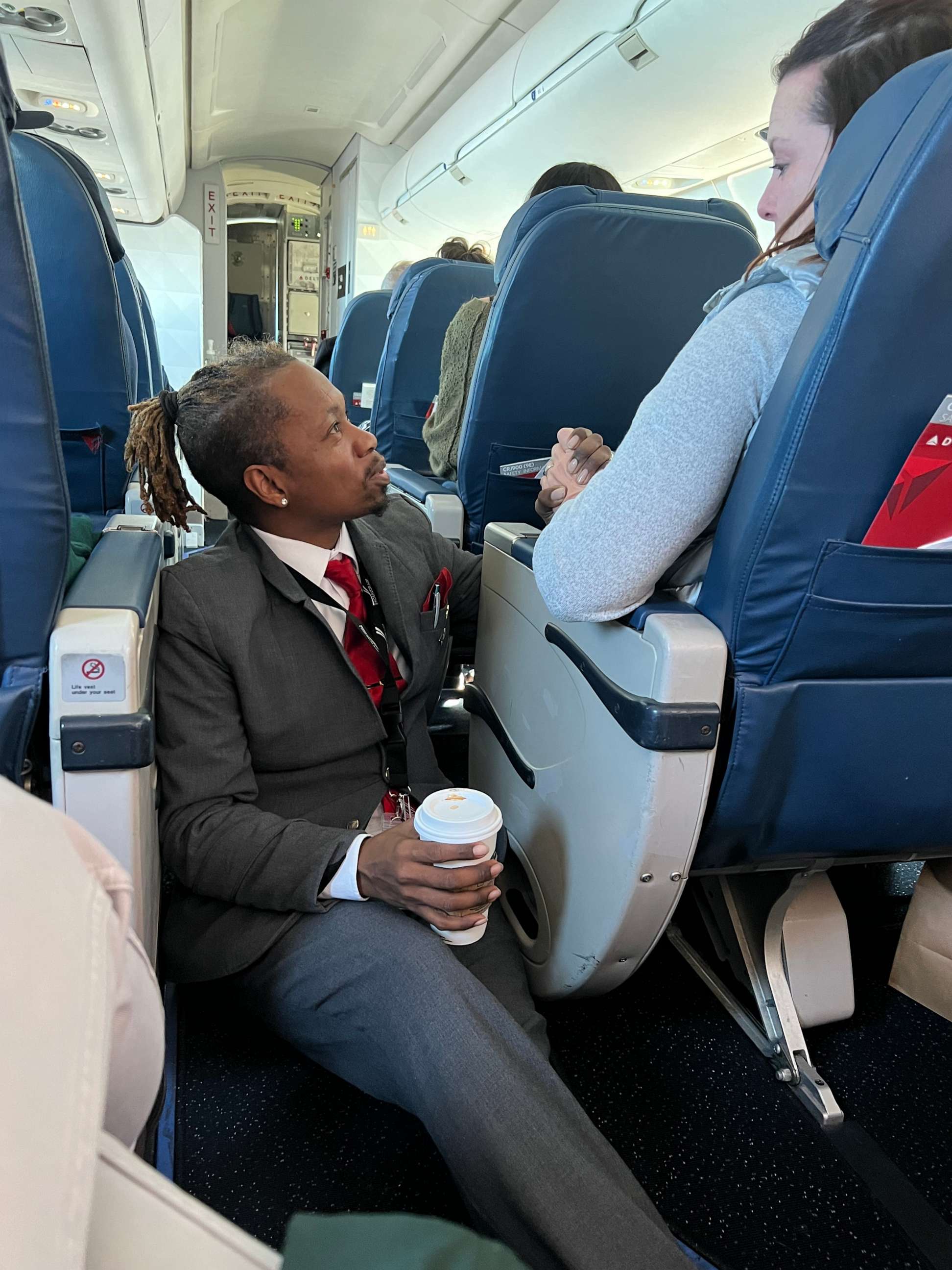
Image: Passenger calmly speaking with flight attendant

What This Story Says About Modern Travel
This seating surprise isn’t just about one flight—it reflects broader changes in air travel:
-
More crowded cabins
-
Fewer free perks
-
Higher stress levels
As flying becomes less comfortable, passengers are more likely to defend their small pockets of space.
Will Airline Etiquette Keep Changing?
As airlines continue to unbundle services, experts predict:
-
More seat-related conflicts
-
Increased reliance on flight attendants
-
Growing demand for clearer policies
Some travelers hope airlines will take more responsibility—especially when families or groups are involved.
Final Thoughts: A Small Seat, A Big Conversation
What made this plane seating story go viral wasn’t outrage—it was recognition.
Nearly everyone who flies has faced a moment where courtesy, comfort, and cost collide. This story reminded travelers that boundaries matter, even at 35,000 feet.
In an age of viral travel moments, the lesson is simple:
-
Be polite
-
Be clear
-
And remember—you’re allowed to sit in the seat you paid for
Sometimes, the biggest debates come from the smallest spaces.
Elvis Nixon Meeting: The Badge Request Behind the Visit
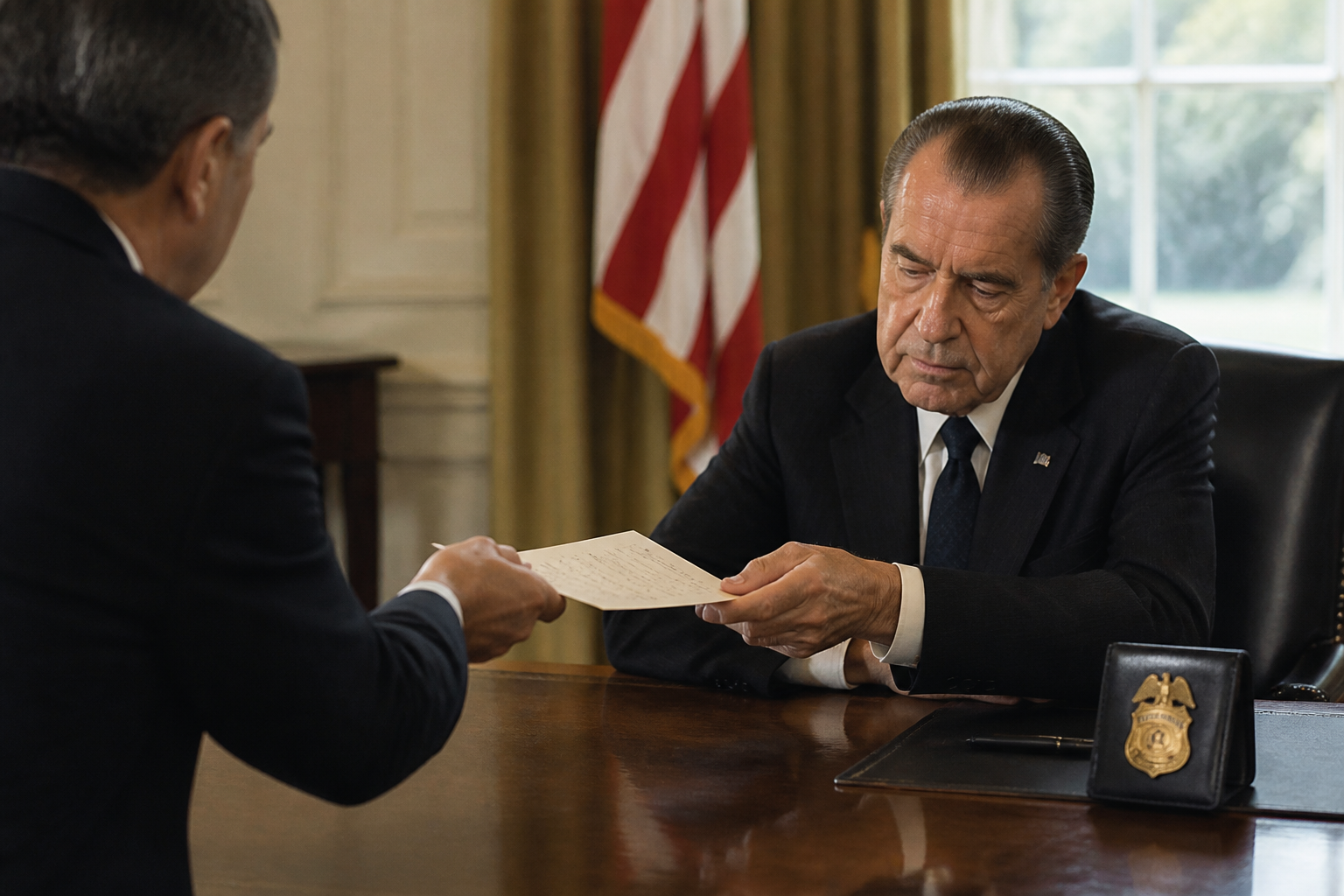
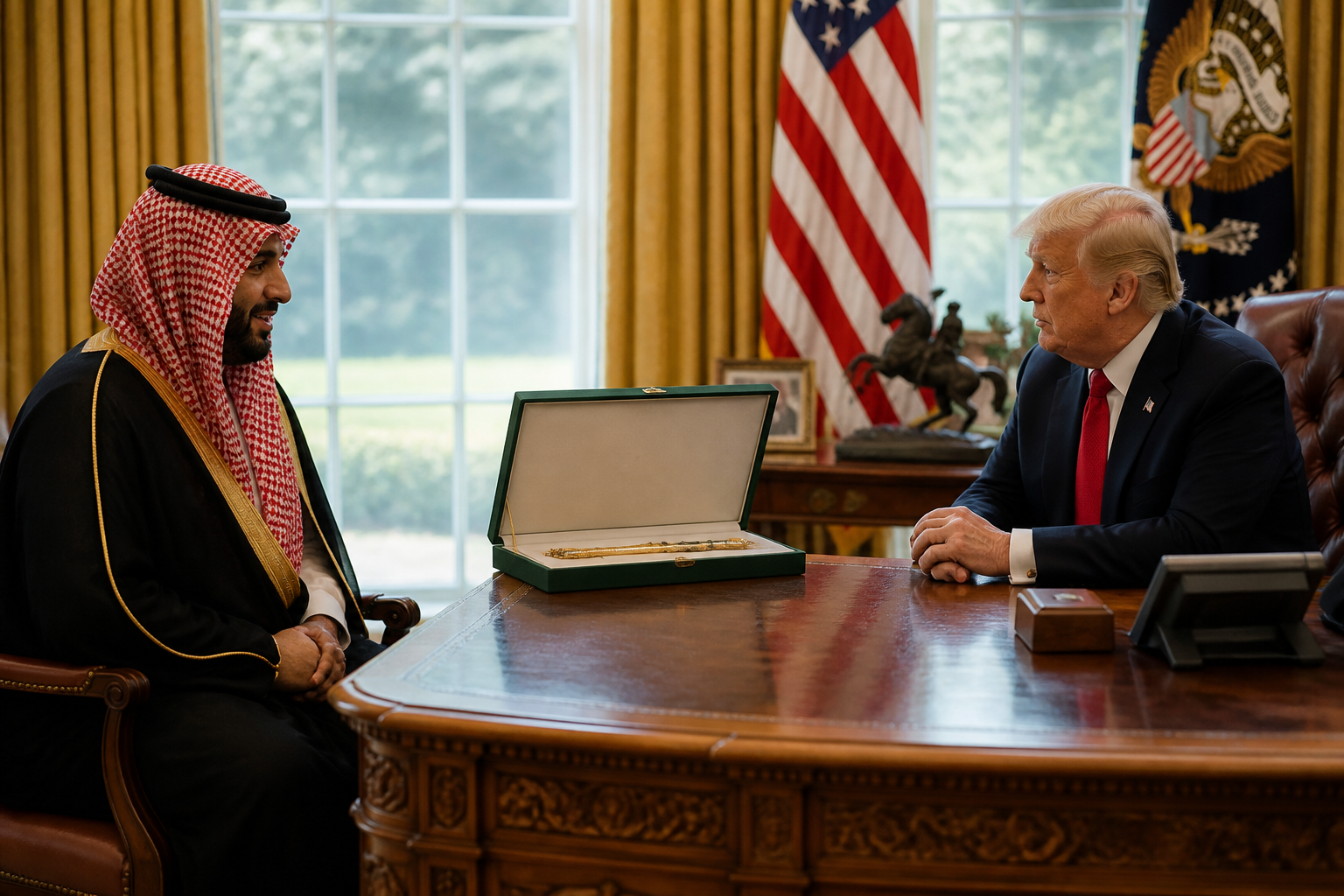
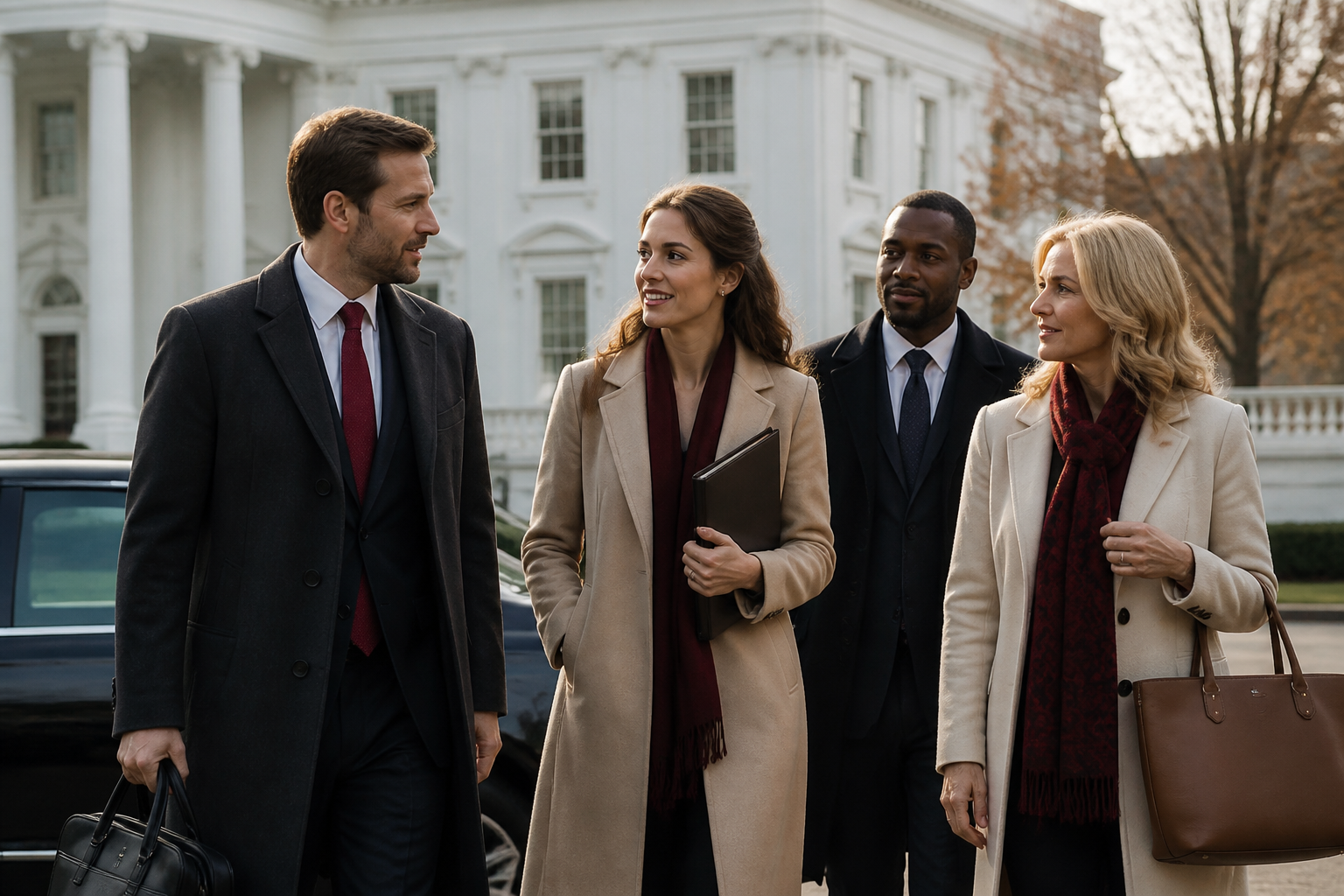
The Elvis Nixon meeting on December 21, 1970 was not a publicity stunt or a casual celebrity stop.
The story is often retold as if it were pure spectacle, but the record shows something more specific. That made the Elvis Nixon meeting unusual even by White House standards.
Comments 0