When fans stream a Taylor Swift song today, they usually think about the melody, the lyric, or the memory attached to it. But in the music business, another question matters just as much: who owns the recording itself? That answer can shape where a song appears, who earns money from it, and how much control an artist has over a catalog. In Swift’s case, the fight over music ownership became one of the clearest modern examples of why masters matter.
The dispute was never about whether Swift wrote the songs. It was about the original sound recordings made early in her career, which were controlled by her label under the terms of her recording agreements. Over time, that conflict grew into a broader discussion about contracts, leverage, and how much power artists should have over the recordings that define their careers. It also pushed the phrase music ownership into mainstream conversation.
What masters are, and why they matter
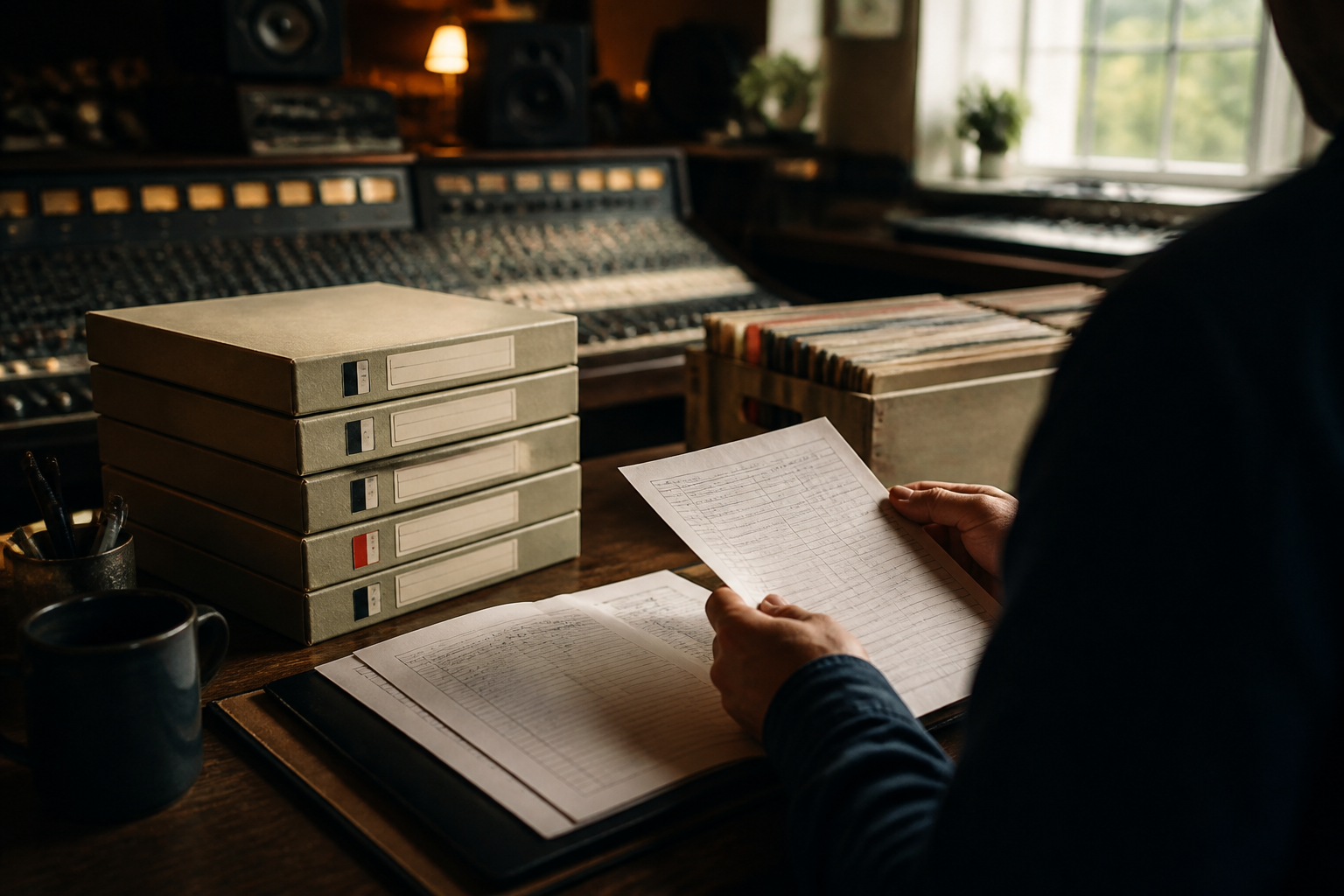
In music, the songwriting copyright and the master recording are different rights. The songwriter may own the composition, while another party — often a record label — owns the specific recording that listeners hear on streaming services, radio, in films, or in ads. For that reason, master ownership can affect licensing, revenue, archival control, and the long-term legacy of a catalog.
That separation is easy to miss if you do not work in the industry, but it is central to the debate around music ownership. Owning masters can mean control over how the recorded performance is used, whether it can be licensed, and what happens when the catalog changes hands.
For artists, the issue is also emotional. Master ownership can determine whether a body of work remains closely tied to the performer who made it or sits in the hands of a company that treats it as an asset. Swift’s story made that abstract idea visible to millions of listeners.

The early contract and the first six albums
Swift signed with Big Machine Records in 2005, when she was a teenager beginning her career in Nashville. Her first six studio albums — Taylor Swift, Fearless, Speak Now, Red, 1989, and Reputation — were released under that deal, and Big Machine controlled the master recordings under the terms of the contract.
That detail matters because the dispute centered on the recordings themselves, not on the songs Swift wrote. The albums helped make her one of the biggest stars in the world, but the masters remained tied to the original agreement she signed before that level of success was certain. In that sense, her case became a classic example of how music ownership can look very different at the start of a career than it does years later.
Swift’s debut album arrived in 2006, and Fearless followed in 2008. By the time she moved from country star to global pop phenomenon, the recordings from those early years were still governed by the label structure that had been in place from the beginning.

Why the 2019 sale became a public controversy
The dispute became much more visible in 2019, when Big Machine’s owner, Scott Borchetta, sold the label to Ithaca Holdings, the company controlled by Scooter Braun. Public reporting and the parties’ statements indicated that the sale included the masters tied to Swift’s first six albums, along with related assets associated with that catalog. The transaction immediately turned a private business deal into a public controversy.
Swift said she had wanted to own her masters and had tried to work out a purchase, but she objected to the terms she was offered. Borchetta disputed parts of her account, and the disagreement became one of the biggest music-business stories of the year. The exact details of the private negotiations were not public, so some aspects of the pre-sale process remain disputed between the parties.
What made the story resonate was that the stakes were easy to understand. A catalog many fans associated with one artist had been transferred through a corporate sale, and the artist said she did not control what happened next. That raised the broader question at the center of music ownership: who should profit from and control the recordings that define an artist’s early career?

What happened after the sale
After the acquisition, the masters changed hands again. In 2020, Braun sold the master recordings and related assets to Shamrock Holdings. Swift later said she had learned of the sale only after it was announced. The catalog’s transfer between companies kept the dispute in the public eye and made the ownership question even more visible.
The fight also continued beyond the sale itself because the masters were only part of the larger conversation. Licensing, public statements, and the future of Swift’s catalog all remained part of the story. As a result, the issue of music ownership stayed in the headlines long after the original transaction.
The dispute mattered to fans because it was not just about business. It was about the identity of the recordings and the sense that a body of work closely associated with one artist had moved beyond her control. That tension helped make the story feel personal as well as commercial.
Why Swift re-recorded her albums
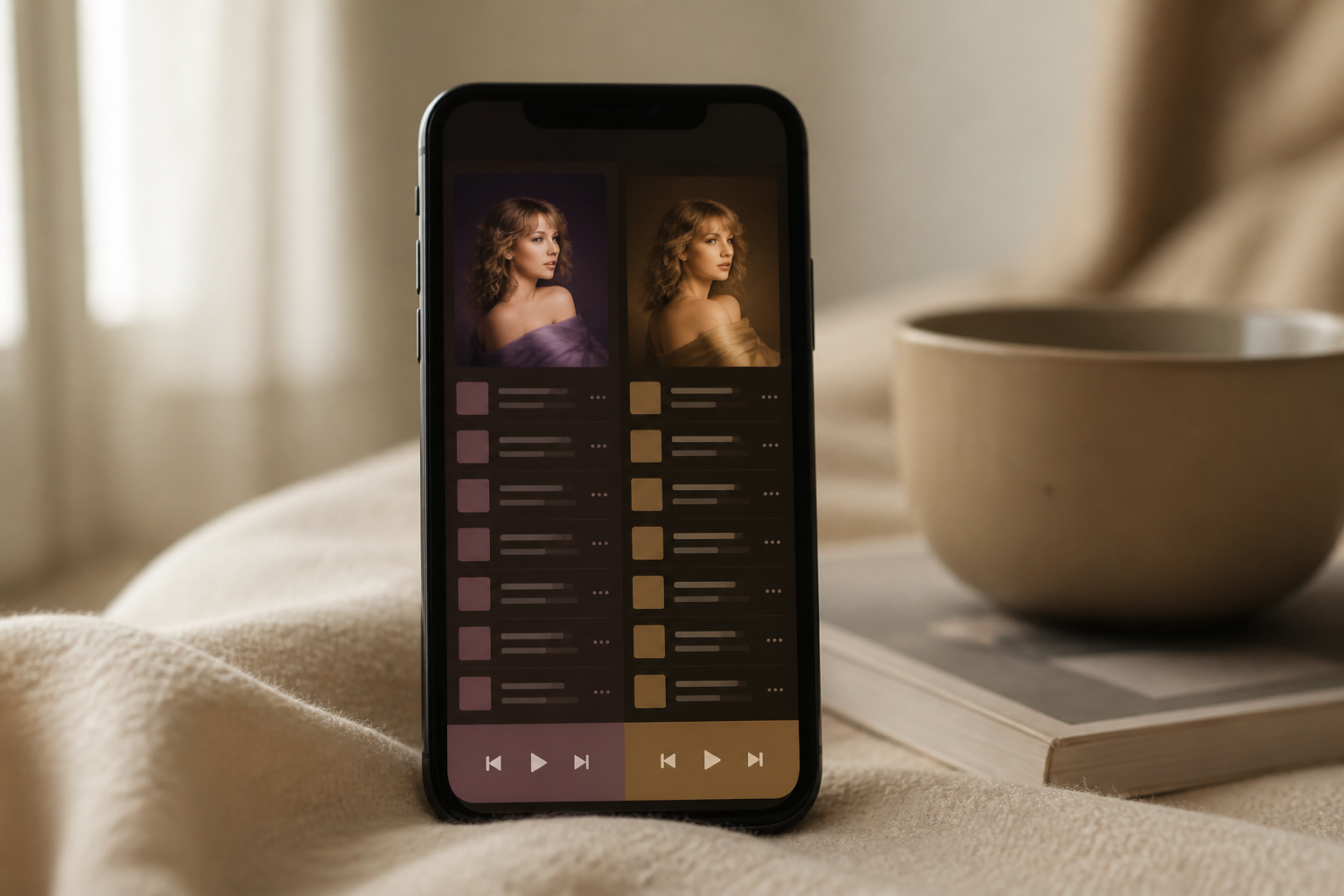
Swift responded by announcing that she would re-record her early albums so she could create new master recordings she owned herself. That plan became one of the most unusual and influential strategies in modern pop music. The re-recordings began arriving in 2021 under the label “Taylor’s Version.”
The idea was both practical and symbolic. Practically, each new recording created a master Swift controlled. Symbolically, it encouraged fans, filmmakers, and advertisers to choose the versions that gave her ownership. The move also showed other artists that there can be alternatives when older masters cannot be recovered on favorable terms.
Her approach turned a business dispute into a long-term catalog strategy. Instead of leaving the original recordings as the only widely available versions, Swift used re-recording to shift attention and value toward the masters she owned. That is one reason the phrase music ownership became inseparable from the “Taylor’s Version” project.

The fan response and cultural impact
Swift’s audience turned the re-recordings into events. Fans streamed the new versions, compared details between the old and new tracks, and treated the releases as both music and a statement of support. The response gave the project a momentum that most catalog reissues never have.
The “Taylor’s Version” label also made the issue easy to understand for casual listeners. It told people, in plain language, which recordings Swift controlled and which ones remained tied to the earlier deal. That simplicity helped turn music ownership from an industry term into a mainstream topic.
The result was unusual: a contractual and legal dispute became part of pop culture storytelling. People who might never read a label contract still learned the difference between songwriting rights and master ownership because the story was tied to songs they already loved.
What the dispute revealed about the music industry
Swift’s fight resonated because many artists sign early deals before they have leverage. Labels often finance recording, marketing, and distribution, and in return they may negotiate ownership of the masters. That structure can feel ordinary when an artist is starting out, even if it later seems restrictive or costly.
The controversy made many listeners and musicians ask basic questions about who benefits from a recording over time. It also drew attention to the way catalogs can be bought, sold, and bundled into larger deals that may move ownership far from the performer who made the music. In that sense, Swift’s experience became a highly visible example of a long-standing industry model and of the stakes of music ownership.
Other artists publicly said the situation changed how they thought about their own contracts. Some spoke more openly about masters in interviews, while others used the debate to push for more favorable terms. The broader effect was a stronger public awareness of what artists do — and do not — control.
How the conversation changed
Before this dispute, many listeners did not separate songwriting from master ownership. Afterward, that distinction became part of mainstream music conversation. Fans began discussing licensing, publishing, and catalog control with a level of attention that had once been rare outside the industry.
The story also changed how people talked about power in pop music. Swift was already one of the most successful artists in the world, but the dispute showed that even major stars can be bound by earlier agreements. That made the issue feel less like celebrity drama and more like a lesson in how the business really works.
At the same time, Swift’s response offered a model for action. Instead of treating the loss of control as final, she built a new path through re-recording and redirected attention toward the masters she could own. That is a large part of why her story remains central to music ownership discussions.
What happened in 2025, and what can be verified
Because ownership documents were not fully public, the transaction should be described carefully and based on Swift’s announcement and subsequent reporting rather than as a fully documented legal record available to everyone.
That development marked a major turning point in a dispute that had lasted for years. It meant that the original catalog was no longer outside her control, while the “Taylor’s Version” recordings remained part of her broader strategy. It also closed the loop on one of the most closely watched music-business stories of the decade.
By that point, the dispute had already changed how fans, artists, and executives talk about recording rights. The long arc of the story showed that the real issue was never only one sale in 2019. It was about who should own the work artists spend years creating, and why music ownership matters so much.
Legacy of the fight
Swift’s masters battle became one of the defining music-business stories of the modern era because it was easy to understand and hard to ignore. It involved famous names, but the logic behind it applies to many artists with far less power. That combination gave the story lasting reach.
The dispute also helped turn a technical industry topic into a cultural one. Fans now more often understand why masters matter, why re-recordings can be strategic, and why catalogs are not just nostalgia assets. In that sense, the story changed both vocabulary and expectations around music ownership.
What made the fight especially influential was the way it blended art, law, and business. Swift did not just object to a deal; she responded with a strategy that changed how the industry and the public think about master recordings. That is why her fight over music ownership remains one of the most important artist-control stories in recent music history.
How David Bowie Reinvented Himself and Changed Music Forever

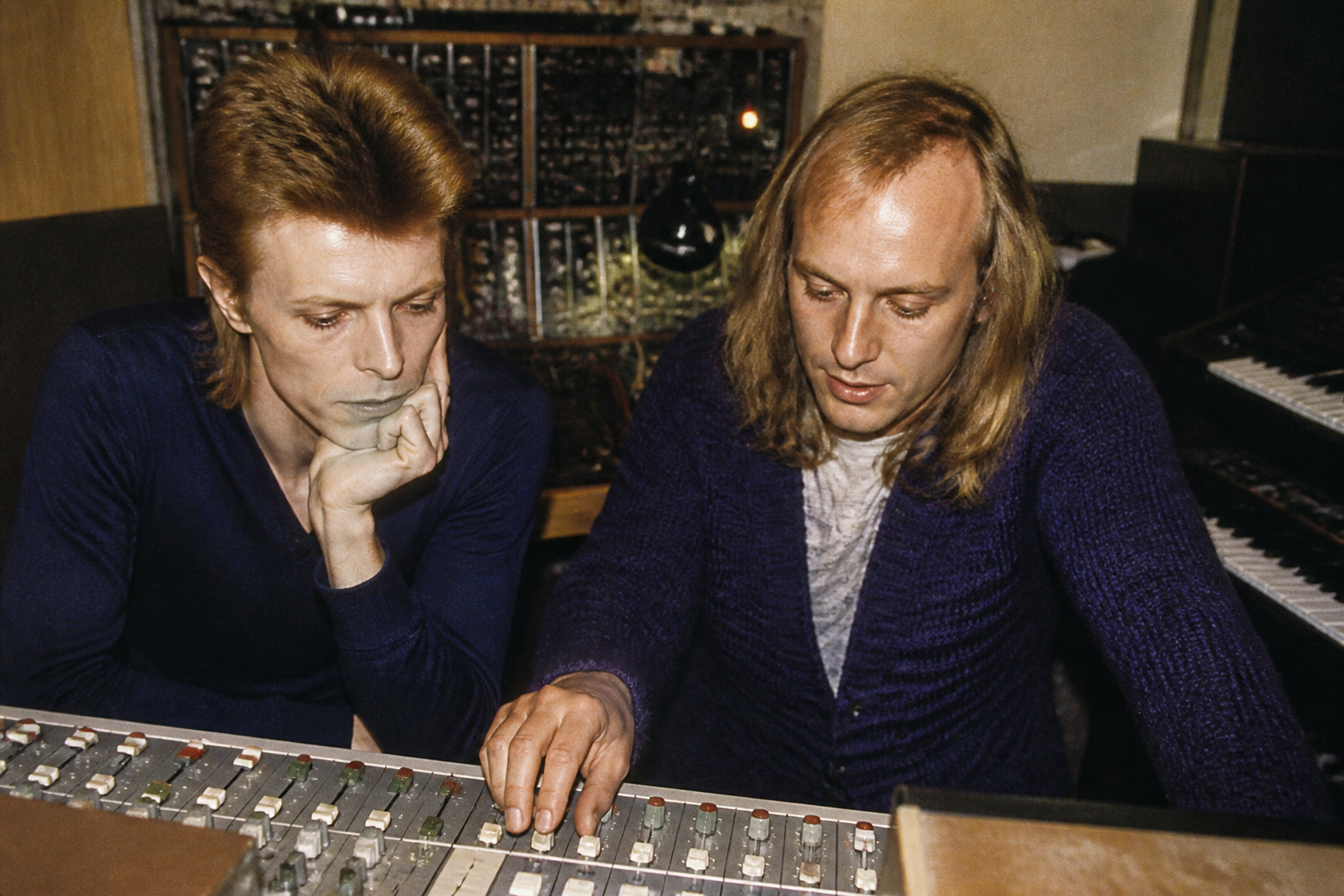
David Bowie made reinvention part of his artistic identity, and popular music has never quite looked the same. Across five decades, he treated image, sound, and performance as connected pieces of one creative vision. That approach made him one of the clearest examples of how a single artist could reshape an era without staying in one place for long.

Comments 0