For Taylor Swift, the masters dispute with Big Machine Records was never just a business disagreement. It became a public fight over who controls an artist’s earliest recordings, who profits from them, and how much leverage a superstar can regain after a contract has already been signed. The answer unfolded over years, through label changes, a high-profile sale, re-recordings, and a later buyback that changed the ending.
The contract at the center of the masters dispute
Swift signed with Big Machine Records in 2005, when Scott Borchetta was building the Nashville label. Under that deal, Big Machine owned the master recordings to her first six studio albums. That arrangement was common in the industry, but the masters dispute later showed how much power that structure can give a label over an artist’s early career.
At the time, Swift was a teenage country artist still on the rise. Her early success made Big Machine a major player, and her first albums helped make her one of the label’s defining acts. The recordings included Taylor Swift, Fearless, Speak Now, and Red, which became central to her identity as both a country and pop artist.
The masters dispute became understandable to a wider audience because it exposed a basic music-industry split. Songwriting rights and master ownership are separate, and an artist can own one without owning the other. Swift’s situation made that distinction feel immediate, concrete, and personal.
The masters dispute widens after the 2019 sale
By 2018, Swift had left Big Machine and signed with Republic Records, which gave her ownership of new master recordings going forward. Her future releases would be controlled differently, but her earlier catalog remained tied to Big Machine. That separation set up the next stage of the masters dispute.
The sale reportedly gave Braun control of the masters, videos, and artwork connected to Swift’s first six albums. Borchetta disputed her account and said she had declined an earlier opportunity.
The masters dispute quickly moved beyond a private transaction. Swift said she had been blindsided, and she publicly described Braun as an “incessant, manipulative bully.” Braun and Borchetta defended the deal and the rights structure behind it. Once the story entered the public sphere, it became a broader argument about ownership, loyalty, and the value of an artist’s legacy.
The timing also mattered. In 2019, music ownership and catalog sales were already getting more attention as streaming reshaped the industry. Swift’s masters dispute gave those abstract business issues a face and a storyline that listeners could follow. It turned a contract clause into a culture-wide conversation.
What happened behind the scenes in the masters dispute
As the masters dispute escalated, Swift said she wanted to perform her older songs at the 2019 American Music Awards and use them in her documentary Miss Americana. She said those requests became part of the conflict.
The exchange showed how quickly a masters dispute can spill into public relations, broadcast permissions, and competing narratives.
Swift’s response went beyond criticism. She announced that she would re-record the albums she no longer controlled, so she could own the new master recordings herself. That decision changed the masters dispute from a one-time fight into a long-term strategy. Instead of waiting for the old catalog to change hands, she began creating alternatives that fans could actively support.
The move was both practical and symbolic. Re-recordings are a legal tool available to some artists under contract terms, but Swift used them at a scale few performers could match. She did not ask the market to forget the original masters. She offered another version of them, and then asked listeners to choose.
Why the masters dispute became a re-recording campaign
The deal reportedly included a condition that Braun would continue to profit from the recordings.
At that point, the masters dispute had become larger than any single owner. Swift was no longer only fighting over access to her old recordings. She was also building a competing catalog that could weaken the value of the original masters over time. That approach depended on fans, streaming platforms, radio programmers, and licensing partners accepting the new versions.
Red (Taylor’s Version) arrived in November 2021, followed by other re-recordings. These releases were more than technical replacements. They came with vault tracks, refreshed artwork, and intense attention that kept the masters dispute in the news.
The re-recordings also proved that the old catalog still had major commercial value. Songs such as “Love Story (Taylor’s Version)” and “All Too Well (10 Minute Version) (Taylor’s Version)” showed that the project could generate both cultural momentum and strong audience response. In business terms, Swift had converted the masters dispute into a parallel revenue stream and a public statement of control.
That response mattered because many artists never have the power to do what Swift did. Most performers do not have the catalog size, fan loyalty, or industry leverage to rebuild their early work. The masters dispute showed how unusual her position was, while also making the problem visible for artists with far less bargaining power.
The masters dispute and the wider industry conversation
The masters dispute arrived when artists were already questioning old label models. Swift’s case made those questions visible to a mass audience, not just to lawyers and executives. It forced many listeners to think about what they were hearing when they streamed a song, bought an album, or licensed music for film and television.
The public could understand the stakes because the storyline was so clear. A label owned the masters.
The artist objected to the sale. She responded by making new recordings and encouraging fans to support them. The simplicity of that arc made the masters dispute unusually effective as a public-facing industry lesson.
Other artists later pointed to Swift’s example when discussing re-recordings or master ownership. Each artist’s situation remained different, but the masters dispute changed the conversation. It helped make catalog rights, ownership, and control part of everyday music discourse, not just industry jargon.
The dispute also changed how Swift’s older songs were heard. A “Taylor’s Version” release is not just another album version. It is a business choice as well as a listening choice, because every stream or purchase can support the master recording Swift owns instead of the earlier label-owned version. That shift gave her fans a direct way to participate in the masters dispute.
That fan relationship was one of the most important consequences. Swift did not simply ask listeners to enjoy new music. She invited them into an ownership story, where supporting the re-recordings also meant supporting the artist’s control of her own work. The masters dispute became a rare case where a catalog battle became part of fandom itself.

The 2025 resolution of the masters dispute
That statement did not erase the history of the masters dispute, but it did close the central loop.
The buyback mattered because it completed a story that began with a teenage signing in 2005. The masters dispute moved through a label sale, a public backlash, a re-recording campaign, and a final purchase of the original recordings. It was a rare case in which an artist’s long-term response changed the end result as much as the original contract had shaped it.
For fans, the resolution carried emotional weight. The original masters and the re-recordings were no longer locked in a battle for relevance. For the industry, the masters dispute became evidence that artist leverage can grow over time if the artist has enough capital, patience, and public support. That lesson may not apply to every performer, but it has become hard to ignore.
The broader meaning is simple. Big Machine’s ownership of Swift’s first six albums was legal under the contract she signed. But the masters dispute showed that legal ownership is not the same thing as cultural control. Swift spent years narrowing that gap, then used market power, fan loyalty, and re-recordings to close it.
That is the hidden story behind the headlines. The masters dispute was not just about one sale or one buyer. It was about what happens when the recordings that built an artist’s career are sold without her approval, and how that artist can push back in public until the balance changes.
How David Bowie Reinvented Himself and Changed Music Forever

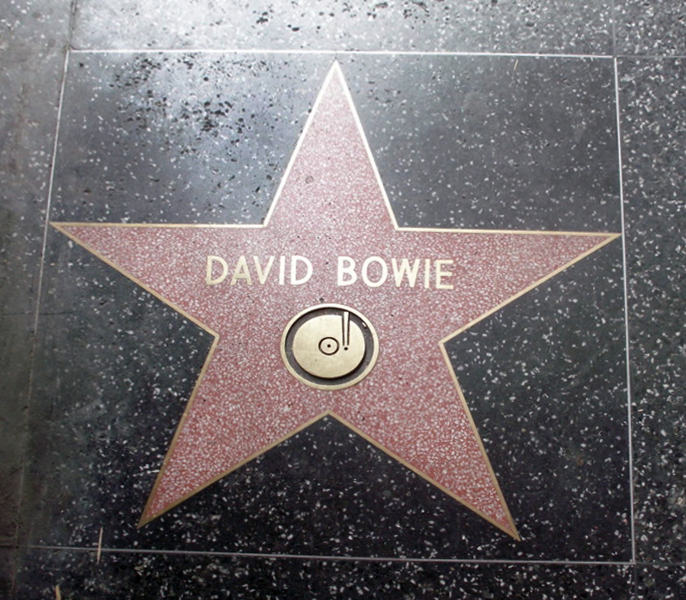
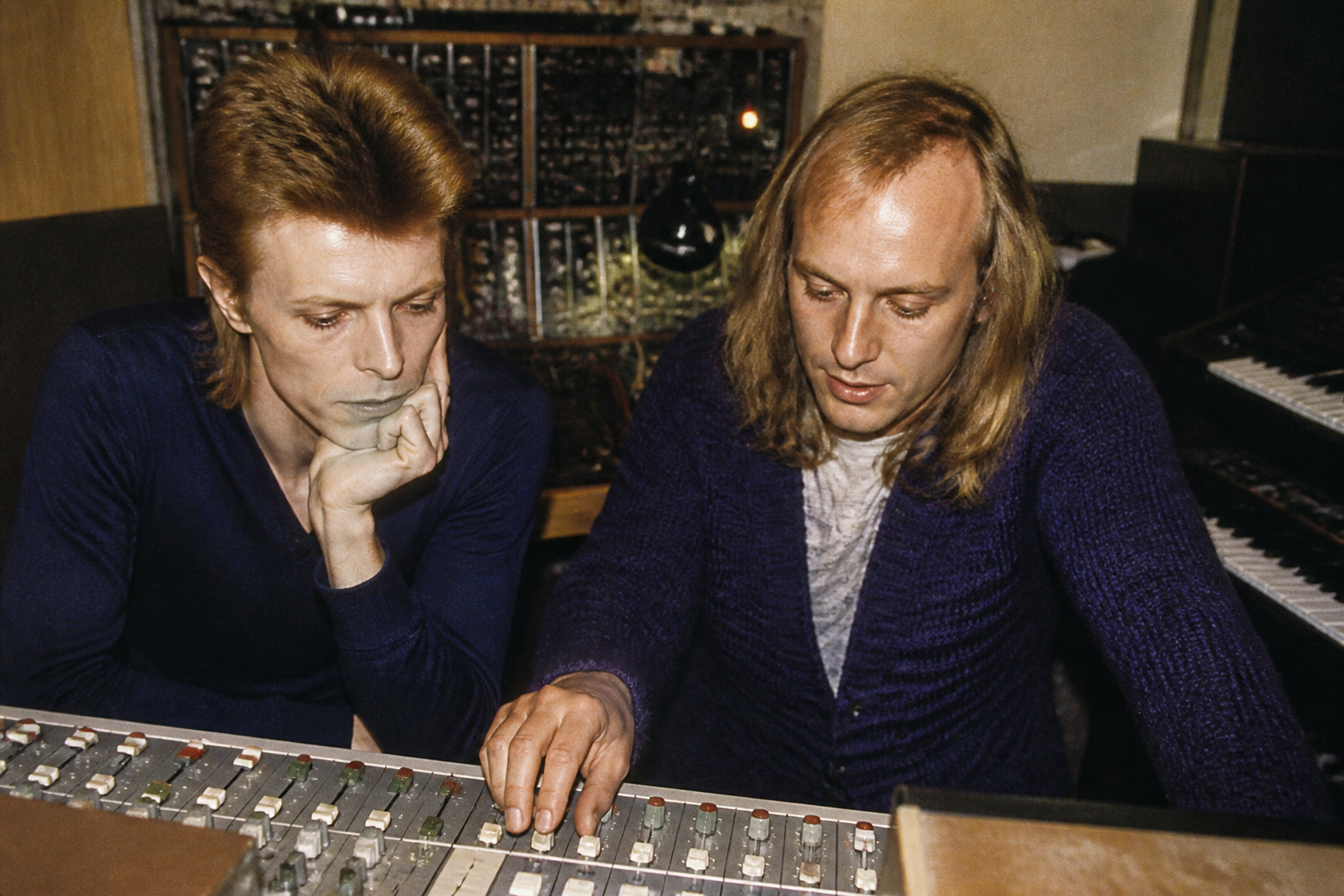
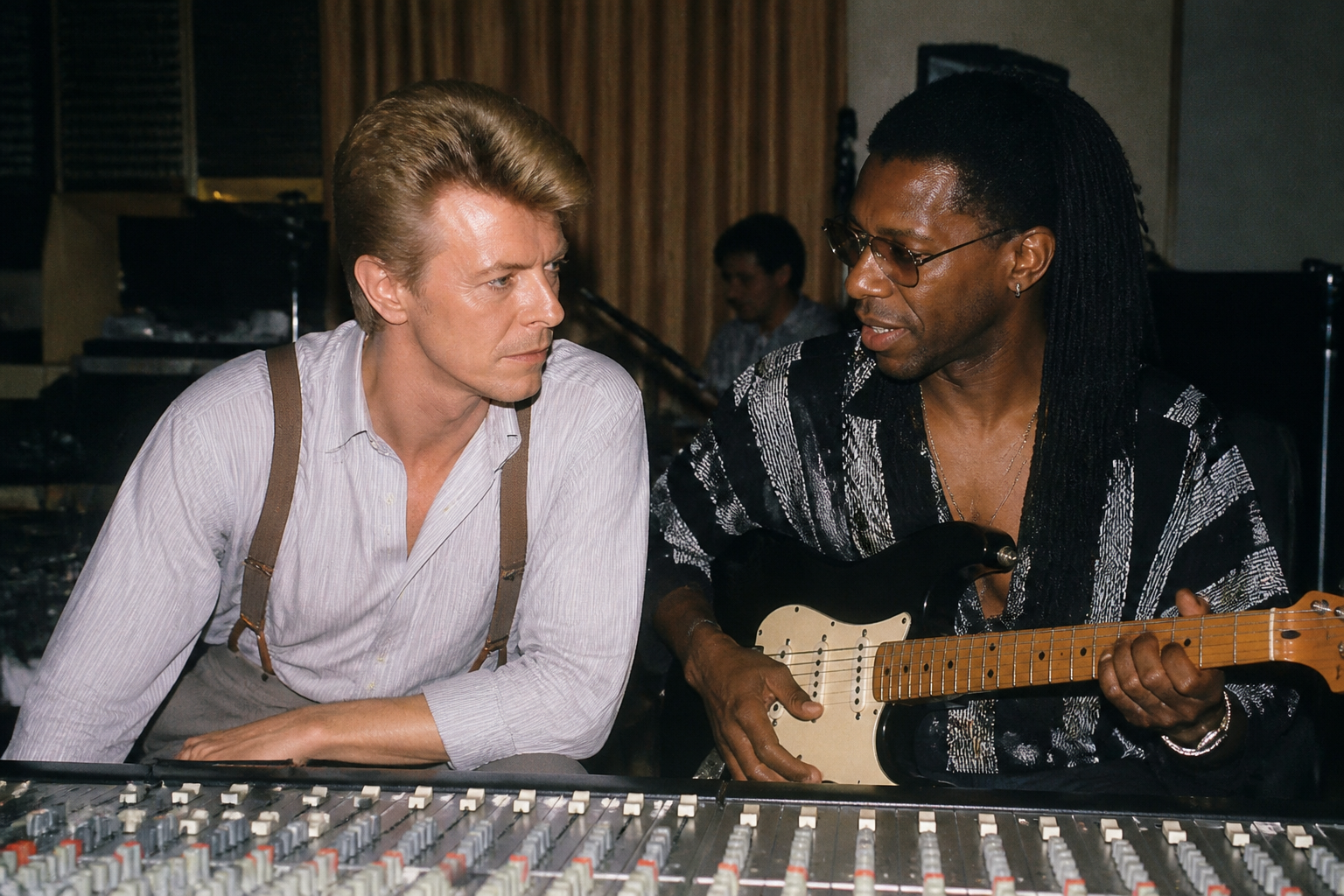
David Bowie made reinvention part of his artistic identity, and popular music has never quite looked the same. Across five decades, he treated image, sound, and performance as connected pieces of one creative vision. That approach made him one of the clearest examples of how a single artist could reshape an era without staying in one place for long.

Comments 0