Taylor Swift’s relationship with Joe Alwyn became one of the most closely watched hidden stories in modern pop, partly because it unfolded during her years away from the spotlight. The romance began in 2016, after a public backlash had already pushed Swift toward privacy, and it continued until their reported split in April 2023. For much of that time, the Taylor Swift relationship was not presented as a media narrative, yet it quietly influenced her music, her public image, and the way fans understood her career.
How the Taylor Swift relationship fit into a bigger retreat
The timeline matters, because the Taylor Swift relationship with Joe Alwyn did not cause Swift’s retreat from public life. Her pullback followed the 2016 wave of controversy surrounding the Taylor Swift–Kanye West feud and the backlash that intensified after Kim Kardashian posted edited phone clips that changed the public conversation around Swift. The result was a period in which Swift faced intense scrutiny and spent far less time in the public eye.
By the time her relationship with Alwyn began later in 2016, Swift was already moving differently. She had spent years being treated as a constant media subject, and that experience made privacy feel less like a luxury than a strategy. The Taylor Swift relationship that emerged in this period was therefore shaped by the world around it, including a harsher tabloid climate and a new understanding of how quickly public narratives could harden.
Why privacy became the defining feature of the Taylor Swift relationship
Joe Alwyn, born in 1991, was still early in his acting career when the relationship began. He would later appear in films such as The Favourite, Boy Erased, and Harriet, along with the series Conversations with Friends. But during the first years of the Taylor Swift relationship, his profile was far smaller than Swift’s, and that difference helped keep the romance out of the usual celebrity cycle.
Swift and Alwyn did not turn the relationship into a public rollout. They did not build it around red-carpet appearances, social-media announcements, or interviews that framed it as content. Instead, the Taylor Swift relationship became visible mostly through rare sightings, brief reporting, and the songs listeners later connected to it. That absence of official storytelling made the relationship unusually hard to pin down, which only increased public interest.
The choice fit Swift’s circumstances. After 2016, she had strong reasons to protect parts of her life from instant commentary. A private relationship offered a way to preserve something real while avoiding the churn of headlines that had previously defined her personal life. In that sense, the Taylor Swift relationship with Alwyn was not simply hidden; it was carefully contained.
The Taylor Swift relationship as a creative partnership
The most important behind-the-scenes consequence of the Taylor Swift relationship was musical. In the credits for Folklore and Evermore, Alwyn appears under the pseudonym William Bowery. He is credited as a co-writer on “Exile,” “Betty,” “Champagne Problems,” “Coney Island,” the title track of Evermore, and “Sweet Nothing.”
That credit trail matters because it turned the Taylor Swift relationship into something more than a private romance. It became part of the documented creative process behind two of Swift’s most distinctive albums. The concealment was real, but so were the credits.
The collaboration was especially significant because these albums were made during a period of isolation and disruption. Touring had stopped, the music industry had slowed, and Swift was working in a different mode from the one that had fueled her stadium-era output. The Taylor Swift relationship, in this context, was one source of intimacy inside a body of work that already felt private and self-contained.

How Folklore and Evermore changed the public reading of the Taylor Swift relationship
Folklore arrived on July 24, 2020, and Evermore followed on December 11, 2020. Both were surprise releases, and both shifted Swift’s artistic image toward quieter storytelling, indie-folk textures, and a more restrained visual world. For listeners and critics, that shift made the Taylor Swift relationship with Alwyn feel woven into the albums’ atmosphere, even when it was never the subject of direct promotion.
Fans noticed the William Bowery credits and began connecting them to the songs themselves. That public decoding became part of the albums’ afterlife, because the Taylor Swift relationship was now embedded in a major artistic reinvention. The romance was still private, but the music offered evidence that it had shaped the work from the inside.
This also changed how Swift’s silence was understood. Earlier in her career, privacy could look like distance or retreat. During the Taylor Swift relationship years, however, restraint became a creative tool. Swift showed that she could control the frame without giving up visibility altogether, and that made the music feel more deliberate and self-possessed.
In that way, the Taylor Swift relationship mattered beyond gossip or curiosity. It helped define a phase in which Swift’s public persona and artistic identity were both being rebuilt. The albums did not simply reflect romance; they demonstrated how a private life could shape a public artistic statement without being turned into a spectacle.
The Taylor Swift relationship and the meaning of “hidden” in a celebrity era
Across those years, the Taylor Swift relationship became a recurring subject of fan interpretation, even though the couple rarely addressed it directly. That distance made the relationship unusual, especially for an artist whose work had often invited close lyrical reading.
The hidden-story angle is important because this was not a case of total secrecy. It was a relationship lived in public only at the edges. Fans could see the outcomes in the music, but not the full process behind it. That balance between revelation and restraint gave the Taylor Swift relationship its lasting fascination.
It also affected Swift’s public image. After the 2016 backlash, she was often discussed in terms of control, trust, and overexposure. The Taylor Swift relationship with Alwyn suggested another path, one in which she could keep a meaningful part of life separate from performance. That choice did not stop speculation, but it did change the terms of the conversation.
For Alwyn, the relationship also sat alongside an active acting career. He continued to work in film and television throughout those years, which meant the Taylor Swift relationship did not define his professional life, even if it became the most widely known part of his public profile. The couple’s shared preference for compartmentalization was unusual, but it was consistent.
Why the Taylor Swift relationship still matters after the split
The breakup did not erase the years that came before it, because the Taylor Swift relationship had already left a detailed record in the music and credits. What ended in 2023 was a chapter, not the significance of the chapter itself.
The breakup also prompted a fresh look at the albums and the period that produced them. That backward glance is common in pop history, but it felt especially strong here because so much of the Taylor Swift relationship had been hidden while it was unfolding. When the relationship ended, the songs and credits became even more important as the clearest evidence of what had happened behind the scenes.
Just as important, the relationship helps explain a larger shift in Swift’s career. Her years away from the spotlight were not a simple disappearance. They were a deliberate move toward control, quiet, and artistic independence after a bruising public moment. The Taylor Swift relationship with Joe Alwyn existed inside that shift and helped give it shape.
That is why this story still matters. It is not a broad biography, and it is not a rumor-driven celebrity recap. It is a documented account of how the Taylor Swift relationship intersected with a period of retreat, creative reinvention, and carefully managed privacy. In Swift’s career, that combination made the hidden story just as important as the visible one.
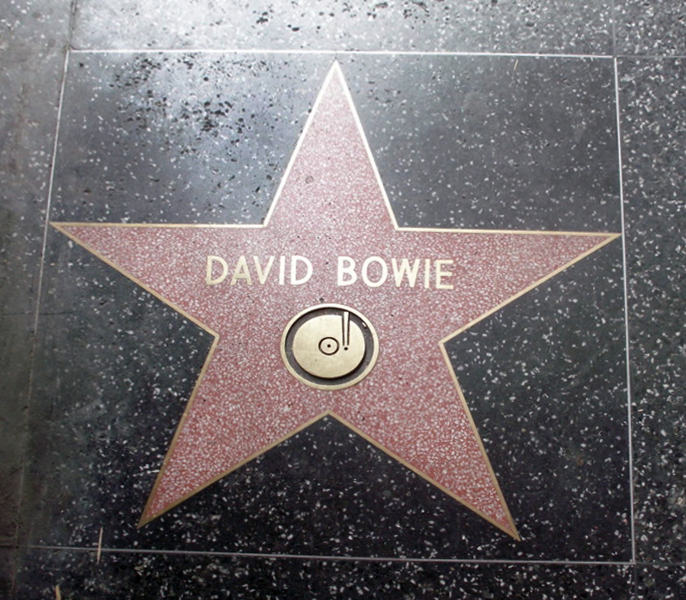
How David Bowie Reinvented Himself and Changed Music Forever

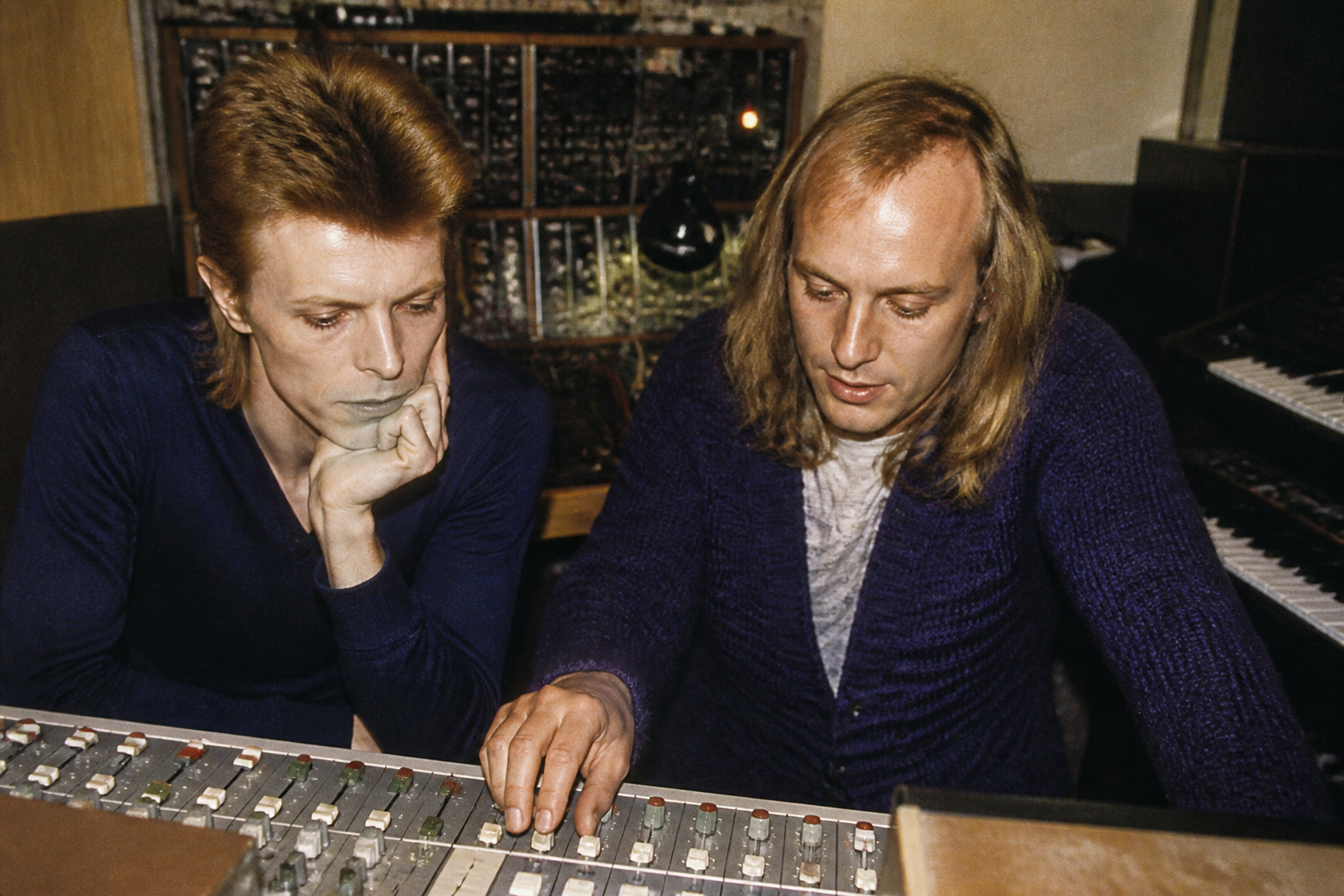
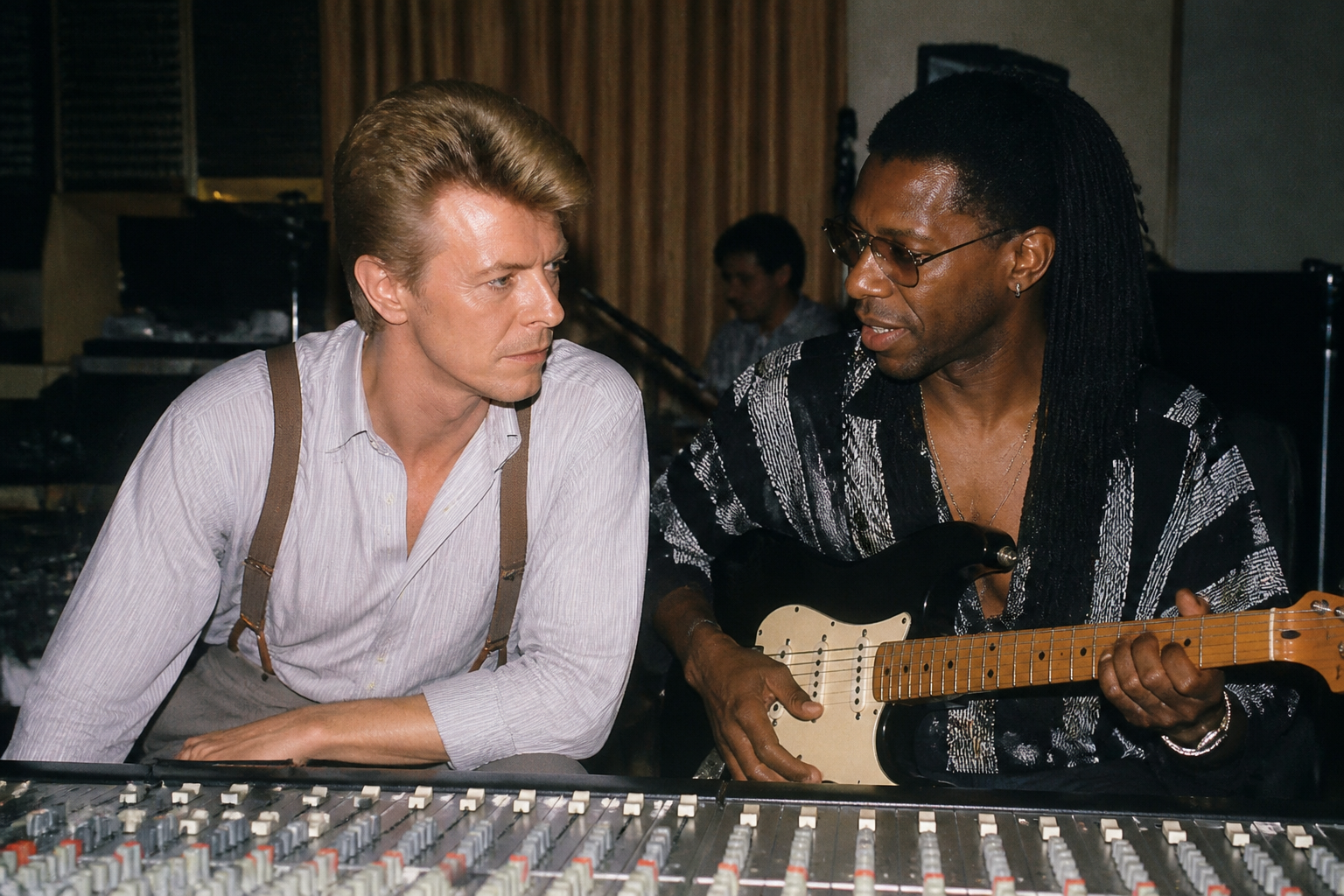
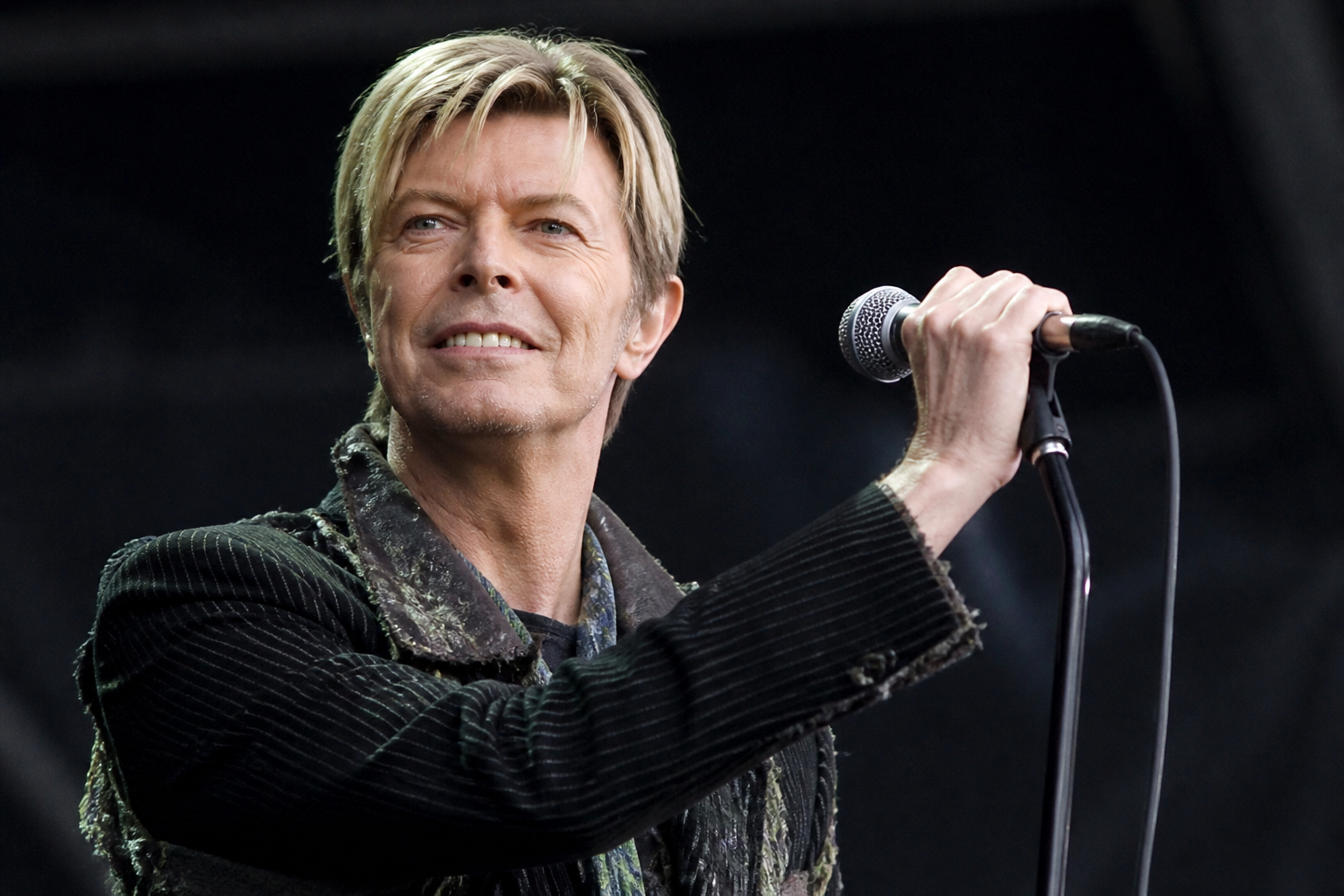
David Bowie made reinvention part of his artistic identity, and popular music has never quite looked the same. Across five decades, he treated image, sound, and performance as connected pieces of one creative vision. That approach made him one of the clearest examples of how a single artist could reshape an era without staying in one place for long.
Comments 0