Taylor Swift’s Reputation era was not just an album cycle. It was the moment she turned a public backlash into a tightly controlled artistic statement, then used that statement to reset her image on her own terms. The Reputation era matters because it shows how a modern pop star can answer scandal, silence, and saturation without stepping outside the spotlight.
The backlash that set the stage for the Reputation era
By 2016, Swift’s public image had changed sharply from the “America’s Sweetheart” framing that followed her early country success. She had already become one of pop’s biggest names, but that visibility brought harder scrutiny. Her disputes with Kanye West and Kim Kardashian, plus years of tabloid attention on her dating life, helped turn her into a symbol of celebrity overexposure.
At the time, the edited clip made Swift look calculating to many observers, and online backlash spread quickly. She became associated with the “snake” insult and the “IsOverParty” hashtag, showing how fast internet culture could turn a pop star into a target during the Reputation era.
That backlash did not stay in the realm of gossip. It shaped press coverage, fan discourse, and the broader narrative around her career. As documented in the public record, Swift stepped back from interviews and social media during 2016 and 2017, a period often described as a hiatus. Public image of Taylor Swift helps explain how her celebrity identity was built up, then pulled apart, in public view.
A retreat from visibility, then a deliberate Reputation era return
It created room for a new record, and that record became Reputation, released on November 10, 2017. She has described the album as a response to the atmosphere around her, and the songs are built around self-protection, defiance, and the idea of being seen through a hostile lens.
The album was written during a 2016–2017 hiatus, when Swift was out of sight far more than usual. According to the documented record, she treated that seclusion as a way to rethink both her state of mind and the narrative attached to her name. The result was not a public apology or a direct rebuttal. It was a concept-driven pop album that used character, confrontation, and romance to process the backlash from within.
This is where the Reputation era theme becomes more than a title. The album’s structure matters because it mirrors a real career decision: instead of trying to restore the old image, Swift built a new one around the damage.
That strategy also fit the cultural moment. In the mid-2010s, social media made celebrity narratives faster, sharper, and harder to escape. For Swift, that meant the same platforms that once amplified her popularity could also harden into a mechanism of attack. The Reputation era answered that environment with polish, distance, and a clear sense of authorship.
How the Reputation era turned image into material
Reputation is an electropop and synth-pop album with trap-pop, R&B, and hip-hop elements. Those sounds matter because they support the album’s persona: harder edges, heavier pulses, and a more defensive tone than her earlier records. The production was handled by Swift, Jack Antonoff, Max Martin, and Shellback, and the result was built for confrontation as much as radio.
The opening sequence establishes the logic immediately. “...Ready for It?” frames romance through criminal imagery, while “End Game” and “I Did Something Bad” lean into the language of reputation and retaliation. “Delicate” is the pivot point, where the narrator starts asking whether a damaged public image can survive a new relationship.
Swift later explained that she was writing from the perspective of the person others had decided she was. That distinction is central to understanding the Reputation era. Rather than denying the caricature, she dramatized it, then used the songs to expose the limits of that caricature. The move made the album feel both confessional and theatrical.
The song’s image of the “old Taylor” being “dead” was a direct signal that this cycle would not be an attempt to return to innocence. It was a declaration that the public would meet a revised version of her, whether it liked it or not.
The blackout that became part of the Reputation era message
Before the release, Swift cleared her website and social media accounts, a move that drew immediate attention. That disappearance was not a random pause. It functioned as a promotional device and as a symbolic break from the highly visible, highly readable pop persona she had cultivated for years.
The rollout stood out because it reversed the normal logic of pop marketing. Instead of constant posting, interviews, and teasers, Swift used absence to generate anticipation. When she reappeared, she did so on her own schedule, through tightly managed visuals and a single overriding concept. The social media blackout became part of the story the Reputation era told.
The campaign used scarcity and surprise at a time when overexposure was becoming a public concern for major celebrities. In that sense, the Reputation era was not only about image repair. It was also about the business of attention.
In the United States, it sold more than one million copies in its first week and became Swift’s fourth consecutive album to do so.
What the Reputation era music says about the person behind the image
For all its armor, Reputation is not a one-note revenge record. The later songs carry a noticeable emotional turn toward private life, friendship, and trust. That shift matters because it shows the Reputation era was not just about conflict with the media or former adversaries.
Swift has said that during the battle raging around her, she found comfort in quiet moments with loved ones and began building a private life on her own terms. That context helps explain why the album’s second half feels less like a public confrontation and more like a search for stability. The point is not that the controversy vanished. The point is that the album gives the narrator a place to stand inside it.
The romantic material also matters because it shows continuity with Swift’s earlier writing. Even when the surface changed, her work still focused on love, narrative detail, and emotional consequence. The Reputation era did not abandon the qualities that made her successful. It recontextualized them inside a darker public frame.
That blend of resentment and tenderness is one reason the record remains important. It documented a moment when the public story threatened to overwhelm the artist, and then turned that threat into a coherent artistic language. The album does not ask to be misunderstood less. It insists on being understood differently.
The Reputation Stadium Tour that completed the reinvention
The Reputation Stadium Tour extended the album’s message into performance. It began on May 8, 2018, in Glendale, Arizona, and ended on November 21, 2018, in Tokyo. It was Swift’s first all-stadium tour, a scale that matched the confidence of the record and the size of the comeback story around it.
The staging used snake imagery, which directly engaged with the insult that had circulated during the backlash. That choice was not subtle, and it was not accidental. By bringing the symbol into the show, Swift reclaimed it and folded it into the visual language of the Reputation era.
Its set list mixed Reputation material with songs from earlier albums, and the production used large-scale visuals without losing the intimacy of acoustic moments. Critical responses often noted that the show felt both theatrical and personally direct, a balance that has long defined her live performances.
Commercially, the tour was a major success. It drew 2.88 million attendees and grossed $345.6 million, making it the highest-grossing U.S. and North American tour at the time. Those numbers matter because they turned a story of backlash into one of dominance.
Why the Reputation era still matters
The Reputation era remains important because it captured a modern celebrity dilemma with unusual clarity. A star built by visibility had been punished by visibility, then answered by taking control of the frame. That arc is why the era still feels studied, not just remembered.
It also changed the template for how Swift would be read afterward. The record made it harder to treat her as only a romantic songwriter or a spotless pop brand. It positioned her as an artist who could absorb a public crisis and convert it into form, marketing, and narrative.
That shift influenced later discussions of her career. Critics and scholars have since treated the album as a key example of how media scrutiny, fan loyalty, and commercial strategy can intersect. In practical terms, the Reputation era proved that a setback could become a stylistic reset without sacrificing scale.
For the “Taylor Swift Hidden Stories” series, this is the crucial lesson. The hidden story is not that Swift became controversial overnight, or that she simply changed her image. It is that she responded to a damaging public cycle by designing an album, a blackout, and a tour that turned damage into authorship. The result was not a return to the old image, but the creation of a new one that the public would have to reckon with on her terms.
The public image change, in plain terms
What changed during the Reputation era was not just how Swift looked or sounded. What changed was the relationship between her and the story being told about her. Before 2017, the public often treated her as a familiar, highly visible celebrity who could be read easily. After Reputation, that reading was more complicated.
The era showed that Swift understood the difference between being seen and being understood. She did not try to make herself invisible forever. She used invisibility as a tool, then returned with an album that admitted the cost of fame while still asserting control over it.
That is why the era remains one of the most documented and discussed turns in her career. The evidence is in the album, the rollout, the tour, and the commercial results.
Swift turned the machinery of scandal into a narrative about survival, and then she performed that narrative at stadium scale. Few artists have made a public correction feel so carefully planned, so commercially successful, and so central to the meaning of an era.
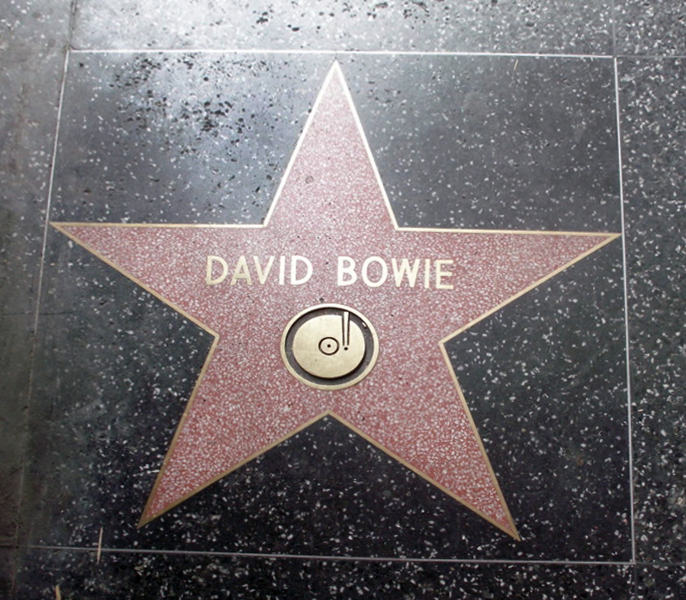
How David Bowie Reinvented Himself and Changed Music Forever

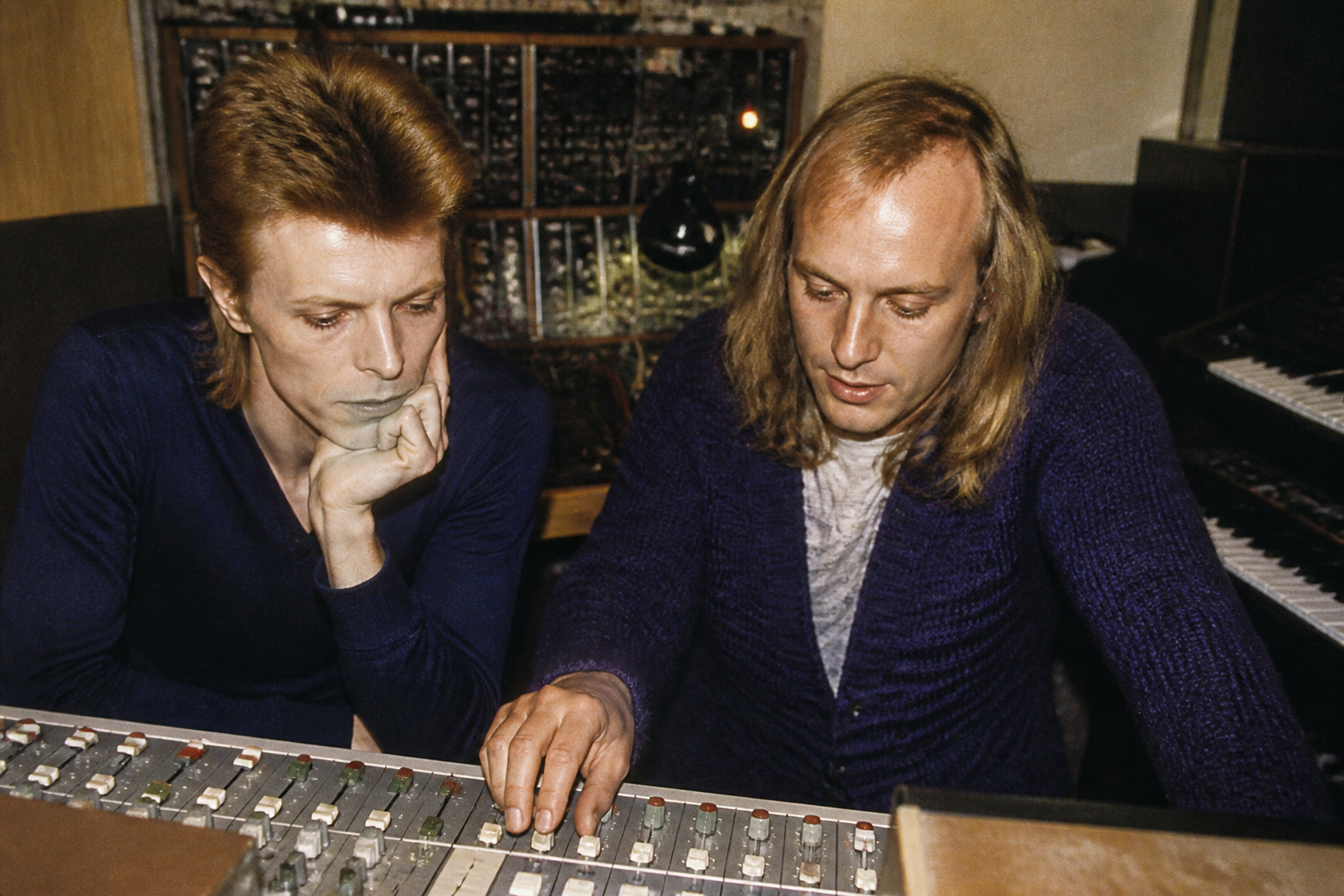
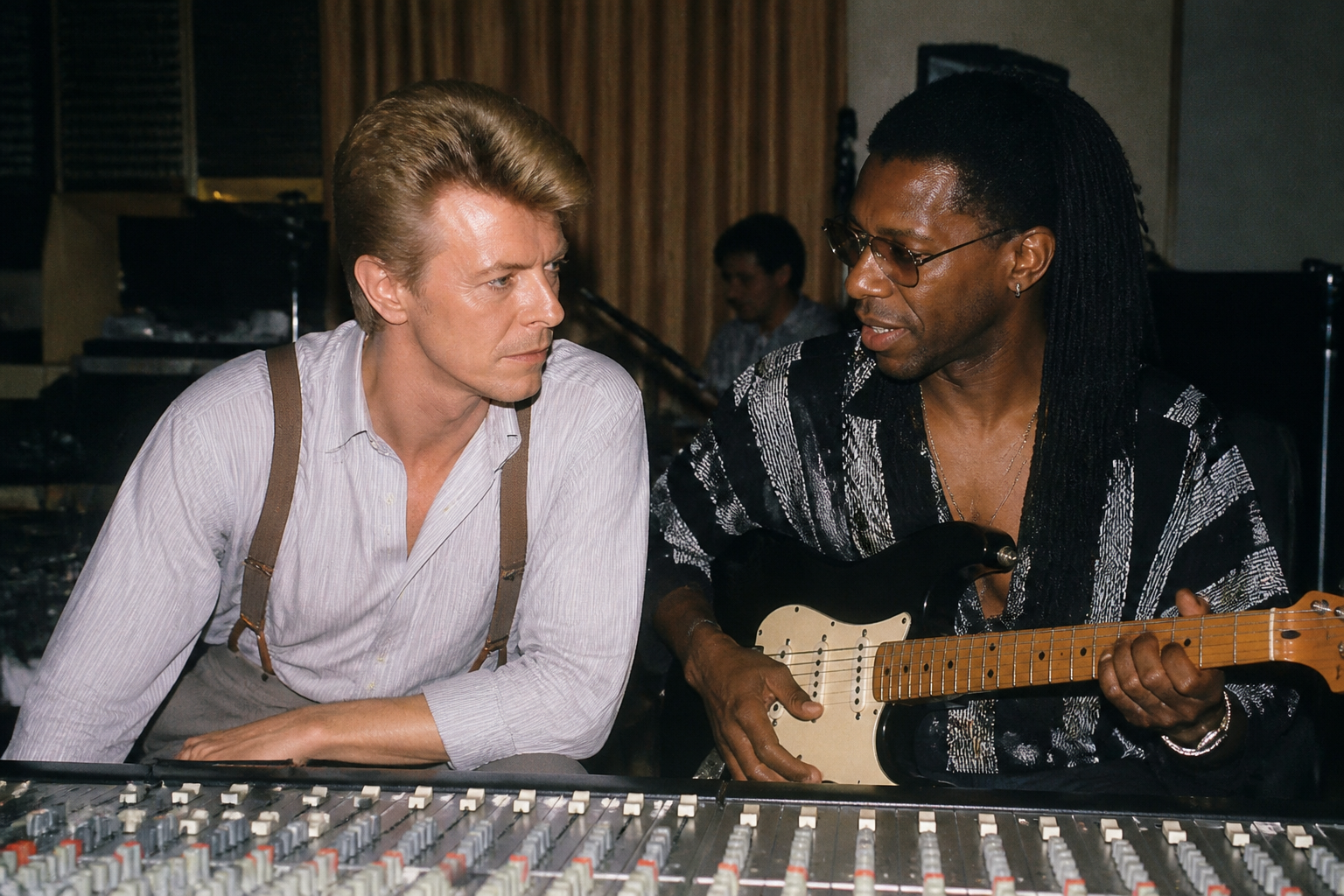
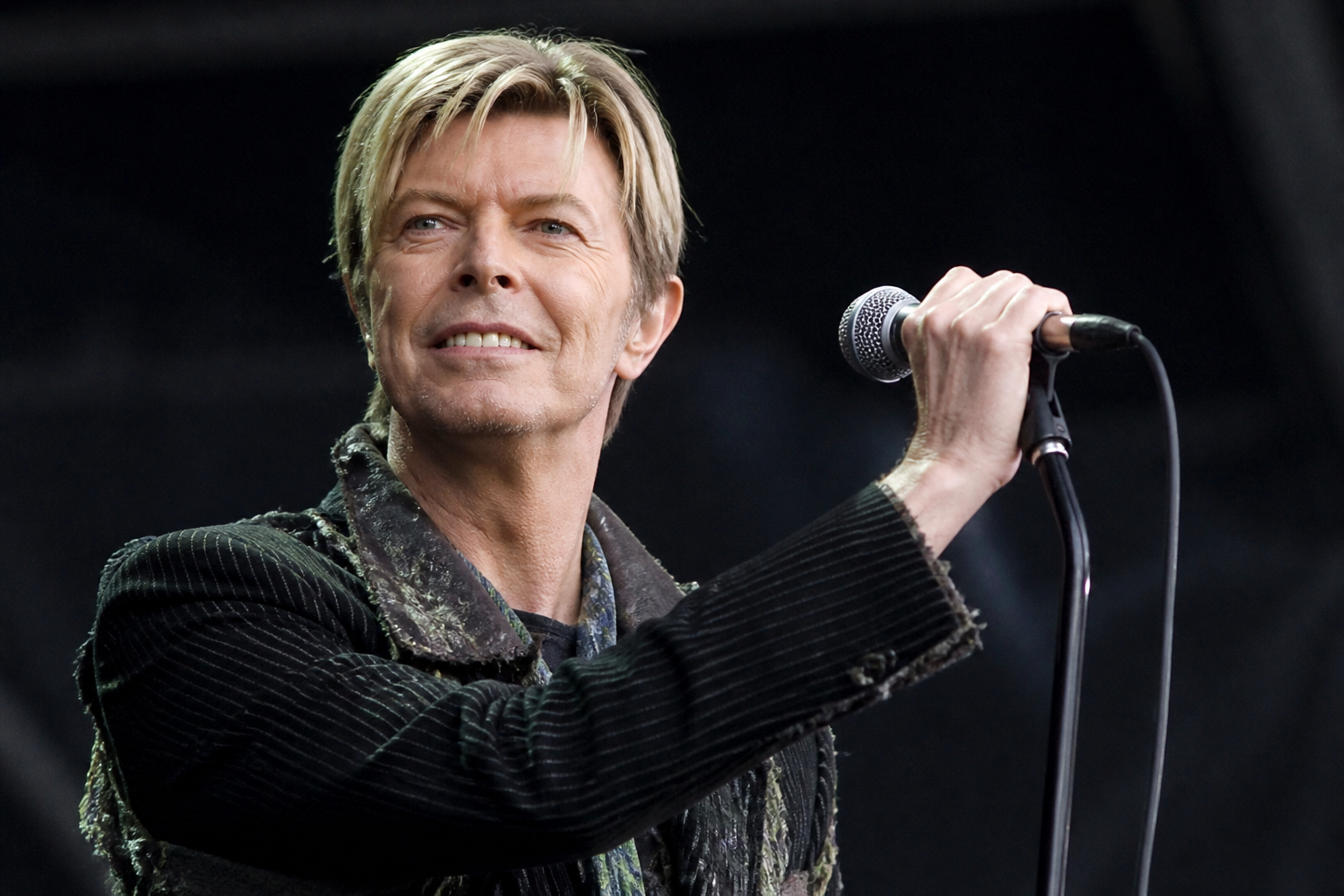
David Bowie made reinvention part of his artistic identity, and popular music has never quite looked the same. Across five decades, he treated image, sound, and performance as connected pieces of one creative vision. That approach made him one of the clearest examples of how a single artist could reshape an era without staying in one place for long.
Comments 0