The Beatles’ Friendship Behind the Fame
The Beatles’ friendship is often described through fame, conflict, and myth. Yet the more useful story is quieter and more human. John Lennon, Paul McCartney, George Harrison, and Ringo Starr built a bond through work, jokes, pressure, rivalry, and shared history. This article explains what is documented, what should not be exaggerated, and why their private connections still matter to music fans today.
Why The Beatles’ Friendship Still Fascinates Fans
The Beatles’ friendship attracts attention because it sits behind one of the most famous creative runs in popular music. Their story was not a simple tale of four inseparable friends. It was a working friendship, shaped by youth, ambition, personality, money, and public attention.
That mix makes the subject more interesting than a sentimental legend. The Beatles knew each other before global fame transformed their lives. They also kept working together after success placed unusual strain on every decision.
Their friendship mattered because the music depended on trust. Harmonies, jokes, studio experiments, and disagreements all required a shared language. That language came from years spent traveling, performing, and learning each other’s habits.
The Beatles were also very young when they became central figures in modern Entertainment. Lennon was the oldest, born in 1940, while Harrison was born in 1943. They were still forming adult identities while the world treated them as symbols.
Liverpool Roots and the Start of a Shared Identity
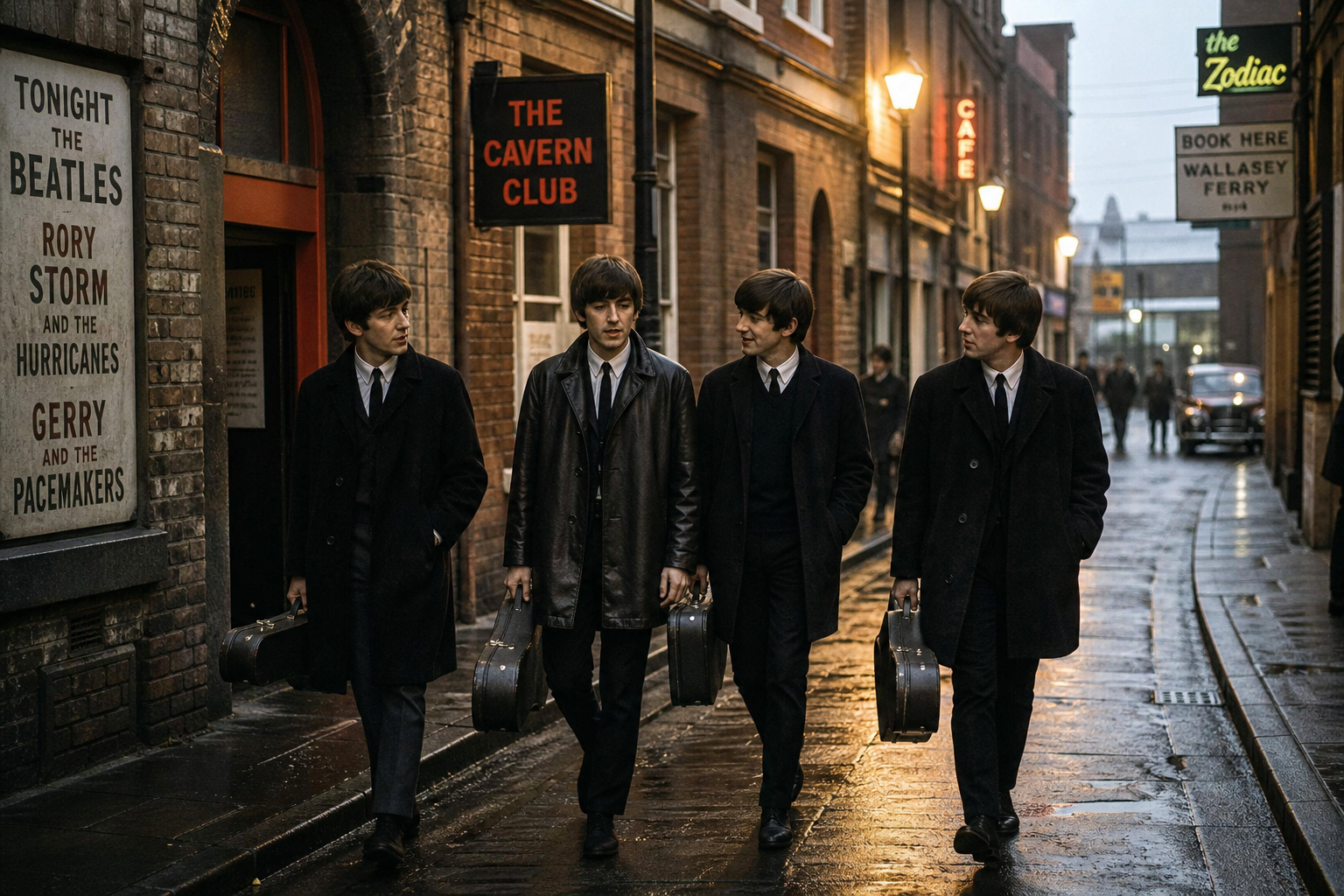
The roots of The Beatles’ friendship began in Liverpool, a port city with a lively postwar music culture. Lennon formed the Quarrymen as a skiffle group before meeting McCartney in 1957. McCartney soon joined, and Harrison followed after impressing Lennon and McCartney with his guitar playing.
Those early relationships were not formed in luxury. They were built through practice, local gigs, and teenage determination. The group changed names and lineups before becoming The Beatles.
Liverpool mattered because it gave them a shared tone. Their humor was sharp, quick, and often defensive. That kind of wit helped them face interviews, boredom, and pressure later.
The city also gave them distance from London’s music establishment. They arrived with a regional confidence that felt fresh to many listeners. Their bond included pride in being outsiders who had earned attention through relentless work.
The Beatles’ friendship was never only personal. It was also practical. They needed each other to become the band they imagined, and that need created loyalty before fame arrived.
Hamburg, Hard Work, and the Discipline of Togetherness
The Beatles’ long engagements in Hamburg were central to their growth as performers. They played for long hours in clubs and learned to command difficult rooms. This period helped turn friendship into endurance.
Hamburg also tested the band’s ability to live together under pressure. They were away from home, working late nights, and navigating adult spaces while still young. The experience forced them to become more professional.
Musically, the long sets expanded their range. They had to play rock and roll, rhythm and blues, standards, and requests. Repetition made them tighter, but it also demanded patience with each other.
That pressure did not create a perfect brotherhood. It created familiarity. Familiarity can produce comfort, irritation, and deep trust at the same time.
The Beatles’ friendship grew because they survived those conditions together. Shared hardship can become a private reference point. For the Beatles, it became part of their internal history.

The Lennon-McCartney Bond: Friendship, Rivalry, and Craft
Any discussion of The Beatles’ friendship must address Lennon and McCartney. Their partnership became one of the most famous songwriting relationships in popular music. It began as a friendship between two young musicians who recognized each other’s talent.
They were not identical writers. Lennon often brought a sharper, more direct edge. McCartney often leaned toward melodic clarity and musical versatility, though both could move beyond those patterns.
The strength of the partnership came from contrast. Each could challenge the other without needing long explanation. They shared enough background to communicate quickly, even when they disagreed.
Their friendship included competition. That competition could be productive, because each writer pushed the other to improve. It could also become difficult when the band’s internal balance changed.
After manager Brian Epstein died in 1967, the Beatles faced new business and leadership pressures. McCartney often tried to keep projects moving, while Lennon’s interests and priorities shifted. Those differences affected the emotional tone of the group.
Still, reducing Lennon and McCartney to rivals misses the larger truth. Their best work shows deep mutual awareness. Even when songs were written mainly by one partner, the shared credit reflected an early agreement that shaped their public identity.
What Made Their Creative Friendship Work
The Lennon-McCartney connection worked because it combined speed, memory, and trust. They had absorbed many of the same early rock and roll influences. They also knew how to finish ideas inside a band setting.
Their friendship benefited from directness. They could be blunt about weak lines, unfinished structures, or performance choices. That honesty helped the songs survive the studio.
It also depended on humor. Their interviews often show how jokes became a shield and a bonding tool. Humor allowed them to manage attention without exposing every private feeling.
The Beatles’ friendship was strongest when creative momentum gave everyone a role. When roles felt less clear, personal friction became harder to contain. That pattern appeared more often in the later years.
George Harrison’s Place in the Friendship
George Harrison was the youngest Beatle, and that shaped his early role. He entered a group where Lennon and McCartney had already formed a central partnership. For years, he was often treated as the junior member.
Harrison’s musicianship, however, was vital from the start. His guitar lines helped define the group’s sound. As he matured, his songwriting became more important to the band’s later albums.
The Beatles’ friendship looked different through Harrison’s experience. He shared history and affection with the others, but he also struggled for creative space. That tension became more visible as his writing developed.
Harrison’s temporary departure from the sessions filmed for what became the Let It Be project is well documented. He returned after discussions and after conditions changed. That episode shows how fragile the group had become by 1969.
Yet Harrison’s story is not only about frustration. He remained part of the musical conversation that produced Abbey Road. His songs “Something” and “Here Comes the Sun” became central parts of the album’s legacy.
The Beatles’ friendship included admiration that could coexist with resentment. Harrison’s growth made the band richer. It also exposed limits in an old hierarchy that no longer fit.

Ringo Starr and the Stabilizing Power of Personality
Ringo Starr joined the Beatles in 1962, replacing Pete Best shortly before the group’s national breakthrough. His arrival completed the best-known lineup. He brought a steady drumming style and an easy public charm.
Starr’s role in The Beatles’ friendship is sometimes underrated. He gave the group a different kind of emotional balance. Many accounts describe him as approachable and less combative than the others.
His drumming served the songs without unnecessary display. That musical restraint supported the band’s identity. It also made room for vocal harmonies, guitar parts, and studio experimentation.
Starr also faced moments of strain. He briefly left during the White Album sessions in 1968. The others welcomed him back, and flowers were reportedly placed on his drum kit.
That episode is revealing because it shows that friendship did not prevent hurt. It did allow repair, at least for a time. The group could still recognize when one member felt excluded.
The Beatles’ friendship needed Starr’s warmth as much as it needed Lennon’s edge or McCartney’s drive. His presence helped the band remain human under extreme attention. His later relationships with the others also show that bonds outlasted the breakup.
Friendship Under Beatlemania
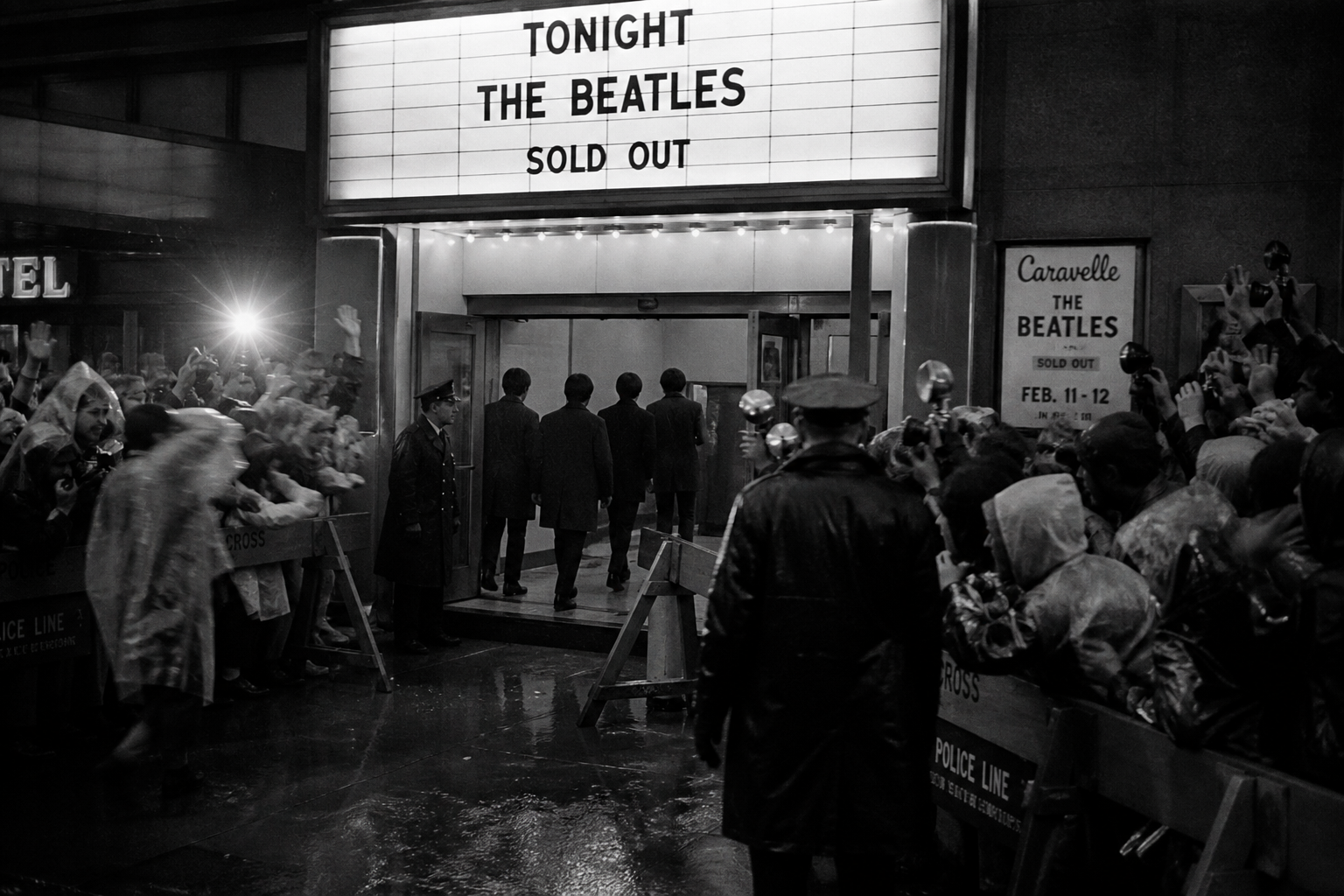
Beatlemania changed the conditions of The Beatles’ friendship. From 1963 onward, their public life became increasingly intense. Concerts, television appearances, press events, and travel limited ordinary privacy.
Fame can isolate people from normal feedback. For the Beatles, the group itself became a protected circle. Few people could understand what it felt like to be inside that storm.
This made their friendship more necessary. They could mock the absurdity together and rely on shared routines. At the same time, constant closeness made irritation unavoidable.
The band stopped touring after their 1966 concerts. Several factors contributed, including poor sound conditions, exhaustion, and growing concern about security. Studio work then became the main arena for their collective energy.
That shift changed The Beatles’ friendship again. Touring required endurance and unity in public. Studio work required patience, imagination, and negotiation over details.
The public saw matching suits, synchronized bows, and witty press conferences. Behind that image were four individuals with different needs. Their friendship had to carry both the image and the reality.

The Studio Years: Trust, Experimentation, and Control
The Beatles’ studio years deepened their artistic reputation. Albums such as Rubber Soul, Revolver, Sgt. Pepper’s Lonely Hearts Club Band, The Beatles, and Abbey Road showed rapid development. Their friendship gave them a base for risk.
Studio experimentation required confidence in each other. Tape effects, unusual instruments, and changing song forms could have failed without group patience. Producer George Martin and the engineering staff also played essential roles.
The Beatles did not invent every technique they used. Their importance came from how they combined ideas within popular songs. They made experimentation sound direct, memorable, and emotionally accessible.
Friendship helped because they understood each other’s strengths. McCartney could pursue ambitious arrangements. Lennon could push for strange textures or stark emotional force.
Harrison brought new colors, including interest in Indian music and spirituality. Starr provided rhythmic stability and a distinctive vocal presence when songs suited him. Each contribution widened the group’s identity.
The Beatles’ friendship also faced new stress in the studio. More complex recordings meant longer sessions and more waiting. Creative control became a bigger issue as individual ambitions grew.
This pattern is common in band history. The same trust that enables risk can intensify conflict. When everyone cares deeply, every choice can feel personal.
How Songwriting Credit Shaped Perception
The Lennon-McCartney credit shaped how fans understood The Beatles’ friendship. It suggested unity, even when individual songs came mainly from one writer. That public unity became part of the Beatles brand.
Harrison’s growing catalog complicated that image. He was no longer just the lead guitarist with occasional songs. He became a writer whose strongest work could stand beside Lennon and McCartney material.
Starr’s songwriting contributions were fewer, but his performances mattered. “With a Little Help from My Friends” gave him one of his most beloved vocal moments. The title itself has often been linked with the group’s friendly public image.
The Beatles’ friendship was therefore heard through credits, voices, and arrangements. Fans did not only follow personal stories. They heard relationships inside the records.
Humor as a Survival Tool
One reason The Beatles’ friendship remains vivid is their humor. Their interviews show fast timing, playful deflection, and group rhythm. They often handled intrusive questions by turning them into jokes.
That humor should not be dismissed as decoration. It helped them stay in control during public situations. It also kept the four members connected when fame became strange.
Humor can create a private room inside a public event. The Beatles often seemed to speak to each other as much as to reporters. Their jokes reminded audiences that the group had its own internal world.
That internal world came from shared references. Liverpool wit, road experience, and musical shorthand all played a part. Their friendship was partly a language outsiders could observe but not fully enter.
Other major performers faced different versions of public pressure. The contrast with American rock and roll stars is useful, especially when studying studio turning points like Elvis Presley’s RCA Session That Cut “Heartbreak Hotel”. The Beatles, however, faced fame as a unit, not as one central solo figure.
That group identity protected them for a while. It also trapped them inside expectations. The world wanted the four friends to remain forever unchanged.

Brian Epstein, George Martin, and the Circle Around the Four
The Beatles’ friendship did not exist in isolation. Manager Brian Epstein helped shape their presentation and guided their early career. His death in 1967 left a major gap in their professional structure.
Epstein’s role mattered because he handled many pressures outside the music. Without him, business questions became more immediate for the band. Those questions tested personal trust.
George Martin also mattered deeply. As producer, he helped translate ideas into recordings. His training and openness allowed the group to grow beyond conventional arrangements.
These outside figures affected the emotional balance among the four. Strong support allowed the Beatles to focus on music. When that support changed, friendship had to carry more weight.
The Beatles’ friendship was therefore part of a larger working ecosystem. It included managers, producers, engineers, assistants, partners, and families. The core bond remained central, but it was never the only force.
Understanding that context prevents simple explanations. The band did not break apart only because friends stopped caring. Business strain, personal growth, artistic independence, and exhaustion all contributed.
Women, Partners, and Public Misunderstanding
Discussions of The Beatles’ friendship often drift into blame. That is especially true when people discuss the partners in their lives. Simple blame is not fair or historically useful.
By the late 1960s, the Beatles were adults with serious relationships and changing priorities. Their personal lives naturally affected the band. That does not mean any one person caused the breakup.
Yoko Ono is often singled out in popular mythology because of her relationship with Lennon. This framing ignores the wider pressures already affecting the group. It also reduces complex adult decisions into gossip.
Linda McCartney, Pattie Boyd, Maureen Starkey, Cynthia Lennon, and others were part of the Beatles’ broader world. Their presence reflected ordinary life moving forward. Fame made that ordinary growth appear dramatic.
The Beatles’ friendship changed because the members changed. Marriage, parenthood, new artistic interests, and different social circles all mattered. These are normal developments, even when they happen under abnormal attention.
A responsible account should resist turning partners into symbols. The evidence supports a broader view. The band ended through many pressures, not one outside influence.
Conflict Without Caricature
The Beatles’ friendship included real conflict. That fact should not surprise anyone who has worked in a demanding creative group. Close collaboration often produces both intimacy and resentment.
The later Beatles years included disputes over management, recording methods, and leadership. The choice of Allen Klein as manager was one major point of division. McCartney favored different representation, which deepened the split.
Financial and legal issues also became more difficult. Apple Corps, the company the Beatles launched in 1968, reflected ambition and idealism. It also created challenges that required business discipline.
Conflict became public after the band ended. McCartney announced his departure in 1970 through materials connected with his first solo album. Legal steps followed, and the partnership was formally dissolved later through court proceedings.
Even here, the story is not only bitterness. Former bandmates still had shared memories and musical respect. Personal relationships shifted over time rather than staying frozen in 1970.
The Beatles’ friendship is best understood as a bond that changed shape. It was not destroyed in one moment. It moved through affection, distance, anger, nostalgia, and occasional repair.
After the Breakup: Friendship in Separate Lives
After the breakup, each former Beatle built a separate career. Lennon released solo work that reflected politics, personal searching, and domestic life. McCartney formed Wings and continued writing widely popular songs.
Harrison released All Things Must Pass in 1970, which included songs developed during and after his Beatles years. Starr recorded solo albums and also acted. Their separate paths proved that each had an identity beyond the band.
The Beatles’ friendship did not disappear after the legal and emotional split. Lennon and McCartney had periods of tension, but they also had contact later. Harrison and Starr maintained a connection that appeared in musical collaborations.
Starr played on solo recordings by the others at different times. Harrison worked with Starr and supported him musically. These connections showed that friendship could continue without the Beatles as a functioning band.
The loss of Lennon in 1980 changed the story permanently. His murder in New York ended any possibility of a full reunion. It also deepened the public’s emotional view of the Beatles’ bond.
Harrison died in 2001 after cancer. McCartney and Starr have both spoken publicly over the years about love, memory, and loss connected with their bandmates. Their survival has made them guardians of a shared history.
What Their Songs Reveal About Connection
Songs should not be treated as direct diaries unless evidence supports that reading. Still, the Beatles’ catalog reflects many forms of connection. Listeners hear friendship in harmonies, call-and-response vocals, and instrumental restraint.
Early records often show the excitement of a band moving together. Later records show individual voices inside a shared frame. That contrast mirrors the development of The Beatles’ friendship.
“With a Little Help from My Friends” is an obvious example because Starr sings from a position of friendly dependence. The song does not explain the band’s private life. Yet its warmth fits the public feeling many fans attach to the group.
Abbey Road offers another kind of evidence. The album includes individual songs, but its second side moves through a famous medley. That sequence shows how separate fragments could still become a collective experience.
Music history often rewards simple stories, but records preserve complexity. The Beatles could sound unified when they were personally strained. That is one reason their work remains powerful.
The Beatles’ friendship can be heard as a creative method. They listened, adjusted, teased, competed, and responded. Those actions are present in the sound, even when biography remains complicated.
How The Beatles Compared With Other Music Legends
The Beatles’ friendship also stands out when compared with other major artists. Solo stars often carry fame alone, while bands distribute both pressure and credit. That distribution can protect members and create conflict.
Elvis Presley, for example, became a central solo figure whose image carried enormous weight. A Beatles comparison helps clarify how unusual their shared fame was. Readers interested in another major rock legacy may enjoy Elvis Presley’s 1969 “Suspicious Minds” Session.
Aretha Franklin offers another useful contrast. Her power as a vocalist could transform a live setting through individual authority and spiritual depth. Her gospel performance history shows a different kind of musical leadership.
That context does not diminish the Beatles. It shows why their group dynamic remains so studied. Their fame depended on the chemistry of four recognizable personalities.
Many bands have talent, but fewer create a public friendship that becomes part of cultural memory. The Beatles did that without keeping the friendship simple. Their appeal includes the visible tension between unity and individuality.
The Beatles’ friendship became a lens for thinking about collaboration itself. Fans ask how people can create beauty together while disagreeing. The Beatles remain a famous case study because the work survived the strain.
Common Myths About The Beatles’ Friendship
Searches about The Beatles’ friendship often lead to simplified claims. Some myths make the story too sweet. Others make it too bitter.
A balanced view avoids both extremes. The Beatles were friends, colleagues, rivals, and business partners. Those roles overlapped in ways that could not stay easy forever.
Myth 1: They Were Always Like Brothers
The Beatles sometimes used family-like language, and fans often describe them that way. Yet friendship and family are not the same as constant harmony. Their bond included affection, but it also included sharp disagreements.
Calling them brothers can be useful as a metaphor. It becomes misleading when it hides ambition and frustration. The evidence shows a bond that was deep, not flawless.
Myth 2: One Person Broke Up the Band
No serious account should reduce the breakup to one person. The band faced business disputes, creative differences, personal changes, and exhaustion. Those pressures had accumulated over years.
The one-person explanation remains popular because it is easy. It gives fans a villain and protects the ideal image of the group. History is more complicated and more interesting.
Myth 3: Conflict Means the Friendship Was Fake
Conflict does not prove that The Beatles’ friendship was false. Many long relationships include anger, disappointment, and distance. The Beatles had an extraordinary version of ordinary human strain.
Their later collaborations and public reflections show that feeling remained. Friendship can survive in altered form. It does not always return to its original shape.

Lessons Modern Creative Teams Can Learn
The Beatles’ friendship offers practical lessons for creative teams. The first lesson is that chemistry needs structure. Early managers, producers, schedules, and performance routines helped convert talent into results.
The second lesson is that roles must evolve. Harrison’s increasing songwriting strength needed more room. When a group does not adapt, old patterns can become sources of resentment.
The third lesson is that humor helps, but it cannot solve everything. Jokes can relieve pressure and strengthen identity. They cannot replace clear decisions about money, credit, and authority.
The fourth lesson is that success increases stress. Public praise does not remove private conflict. It often makes conflict harder to address honestly.
The fifth lesson is that endings do not erase value. The Beatles ended as a band, but their work remains central to music history shaped by unforgettable performances. Their friendship produced art that outlived its original conditions.
Modern teams can learn from both their success and their strain. Trust should be protected before crisis arrives. Creative partnerships need honest renewal, not only shared memories.
Why The Beatles’ Friendship Still Feels Personal
The Beatles’ friendship feels personal because listeners meet it through songs, images, and interviews. Fans watch four faces change from energetic young men to complex adults. That visible development invites emotional investment.
The music also crosses generations. Parents introduce children to songs they first heard decades earlier. Each new listener discovers the group as if the story is still unfolding.
There is also a universal question inside the Beatles story. Can friendship survive ambition? Can people grow without losing what once joined them?
The Beatles do not provide a neat answer. They show that bonds can be real and still break under pressure. They also show that creative trust can leave evidence long after daily closeness ends.
This is why the story resists closure. Lennon and Harrison are gone, while McCartney and Starr continue to represent living memory. The friendship remains partly documented and partly felt through the records.
The Beatles’ friendship endures because it was neither a fantasy nor a failure. It was a human bond intensified by fame. That makes it more moving, not less.
Conclusion: The Human Bond Behind the Legend
The Beatles’ friendship was built through Liverpool beginnings, Hamburg discipline, shared humor, studio trust, and public pressure. It included loyalty, rivalry, hurt, and repair. The fame was extraordinary, but the human pattern was recognizable.
Seeing the band clearly does not weaken the legend. It makes the music more meaningful because it came from real relationships. For fans, the best next step is simple: listen again, and hear the friendship inside the sound.
How David Bowie Reinvented Himself and Changed Music Forever

David Bowie made reinvention part of his artistic identity, and popular music has never quite looked the same. Across five decades, he treated image, sound, and performance as connected pieces of one creative vision. That approach made him one of the clearest examples of how a single artist could reshape an era without staying in one place for long.

Comments 0