In 1967, David Bowie was still a young artist trying to separate himself from the crowded world of British pop. One of the clearest early signs of that ambition came during the making of Love You till Tuesday, a promotional film designed to present him as a new face with commercial promise. Instead of treating it like a routine publicity piece, Bowie approached the project with a theatrical intensity that reportedly made the production uneasy.
That tension is the real story here. Rather than a dramatic claim that Bowie was definitively fired, the more carefully documented point is that his surreal, offbeat performance style on the film set created friction with the team behind the project. The incident matters because it shows Bowie already testing the limits of what a pop performer could be in public. He was not yet a star with total freedom. He was a young musician learning that originality could be both an advantage and a liability.
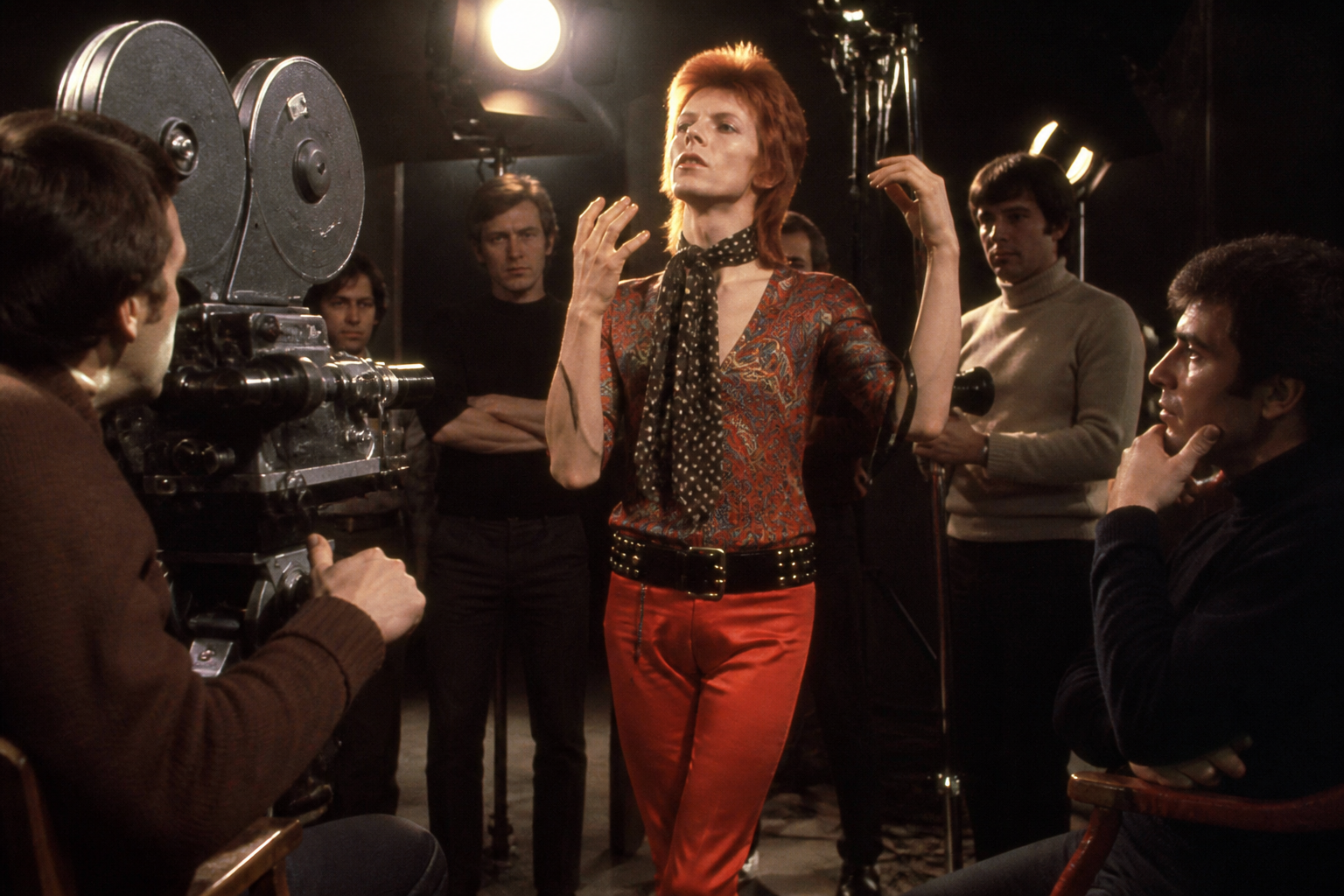
A Promotional Film With Bigger Ambitions Than a Standard Promo
Love You till Tuesday was made to help sell Bowie’s music, but it was more ambitious than a simple performance clip. The film combined songs, visuals, and character-based staging in a way that let Bowie present himself as something more than a conventional singer. For a young performer trying to break through, that was a smart move. British pop in the late 1960s was crowded, and being memorable mattered as much as being polished.
Bowie clearly understood that. Even before the famous transformations of his later career, he seemed interested in making the camera part of the performance itself. Instead of standing still and delivering a straightforward promotional appearance, he used gesture, expression, and mood to make the material feel stranger and more deliberately shaped.
That instinct was ahead of its time, but it also created a practical problem. A promotional film has a job to do. It is supposed to support the songs and present the artist in a way that helps the audience understand why the artist should be watched, heard, and booked. When the performer starts pushing the tone toward the surreal, the people responsible for the project have to decide whether the result is distinctive or simply difficult.
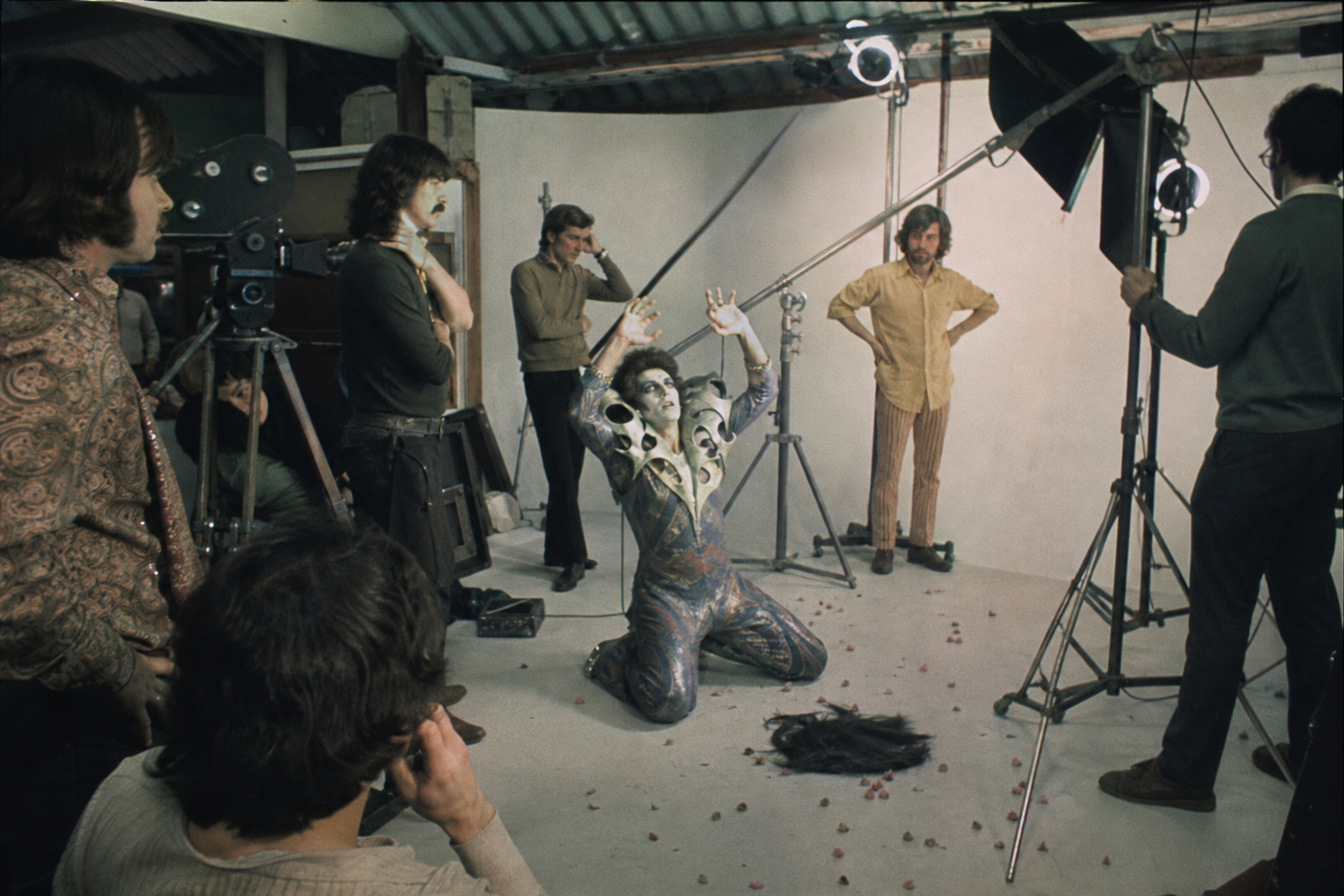
Why Bowie’s Performance Unsettled the Set
The key point is not that Bowie failed to cooperate, but that he was already operating with a level of theatricality that could be hard to manage in a small production. Accounts of the shoot describe a performance that was unusually strange and committed to that strangeness. That sort of approach may later look visionary, but in the moment it can create uncertainty for a crew trying to keep a project on schedule.
Film sets depend on control. Lighting cues, camera setups, editing plans, and performance continuity all work best when everyone understands the intended tone. Bowie’s instinct, by contrast, was to make the tone unstable. He did not behave like a straightforward pop singer providing a tidy promotional image. He behaved like an artist determined to create a persona, even if that persona made people uneasy.
That is why the story has endured. The useful historical fact is not a melodramatic claim about a confirmed firing. It is the narrower, more believable truth that Bowie’s performance style alarmed people enough to raise real concern about the shoot. In a 1960s music industry that still preferred its new talents to be attractive, legible, and manageable, that was no small thing.
At the time, Bowie had not yet become the master of reinvention who could make eccentricity look inevitable. He was still testing the line between charisma and disruption. The set of Love You till Tuesday became one of the first places where that test was visible to other people.
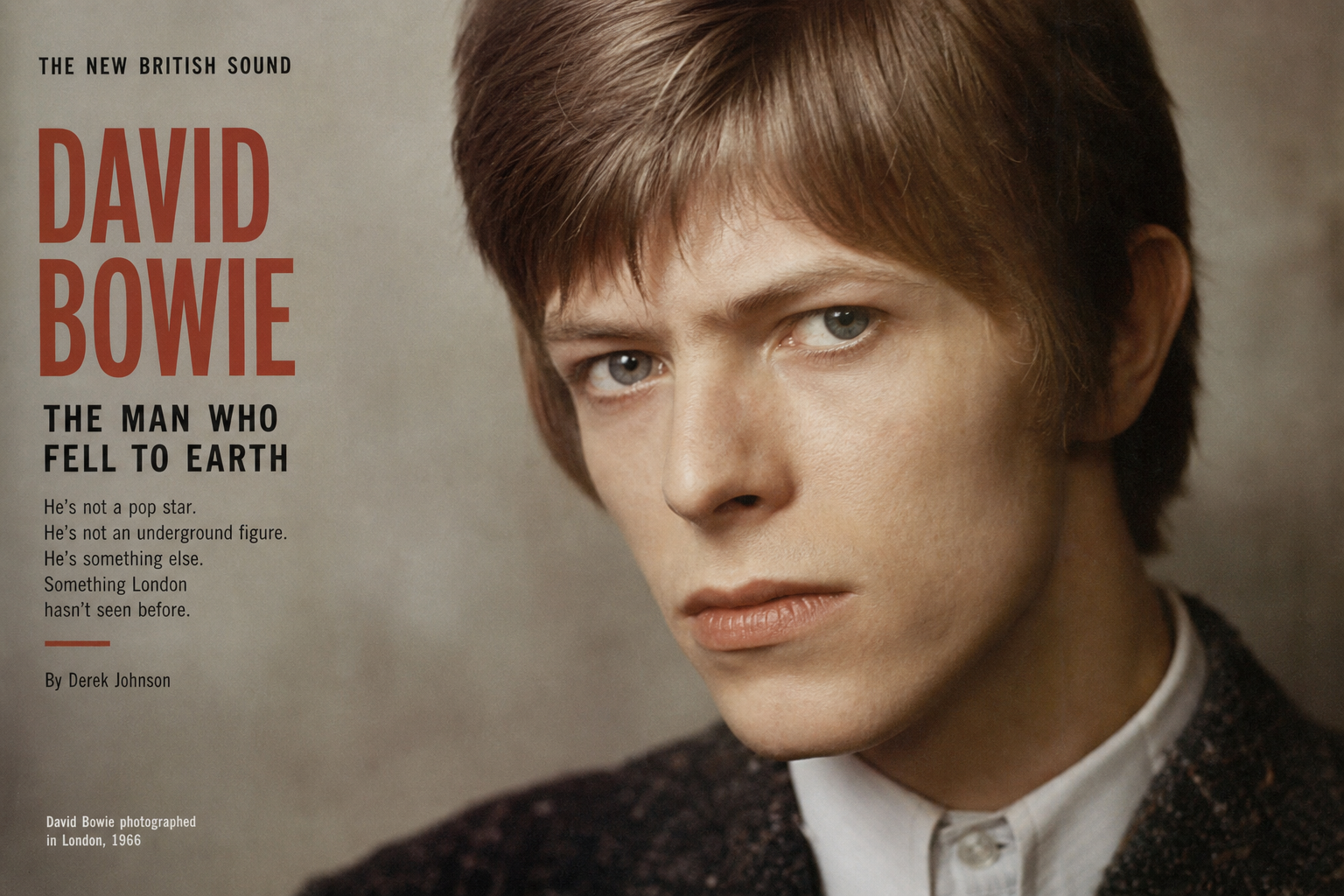
What the Incident Reveals About Bowie in 1967
What makes this episode so useful to music history is that it captures Bowie before fame gave his instincts a ready-made explanation. Later in his career, audiences would expect him to be elusive, stylized, and a little unsettling. In 1967, those same qualities could look like a production problem.
That gap between perception and legacy is the heart of the story. Bowie was already fascinated by image, character, and transformation. He understood that a performer could become more compelling by appearing slightly outside the normal frame. He also understood that a visual medium could help a song feel larger than itself. But those ideas were not yet part of his public reputation. They were just beginning to take shape.
So when the filming of Love You till Tuesday produced concern, it was not simply because Bowie was being difficult. It was because he was already acting like an artist who wanted to use pop promotion as a form of self-invention. That was unusual enough to unsettle people who expected a cleaner, safer result.
The episode also helps explain why Bowie’s later career felt so deliberate. The flamboyance did not come from nowhere. He was learning early that image could be built, manipulated, and made to carry meaning. The fact that the process made some people nervous was part of the price.
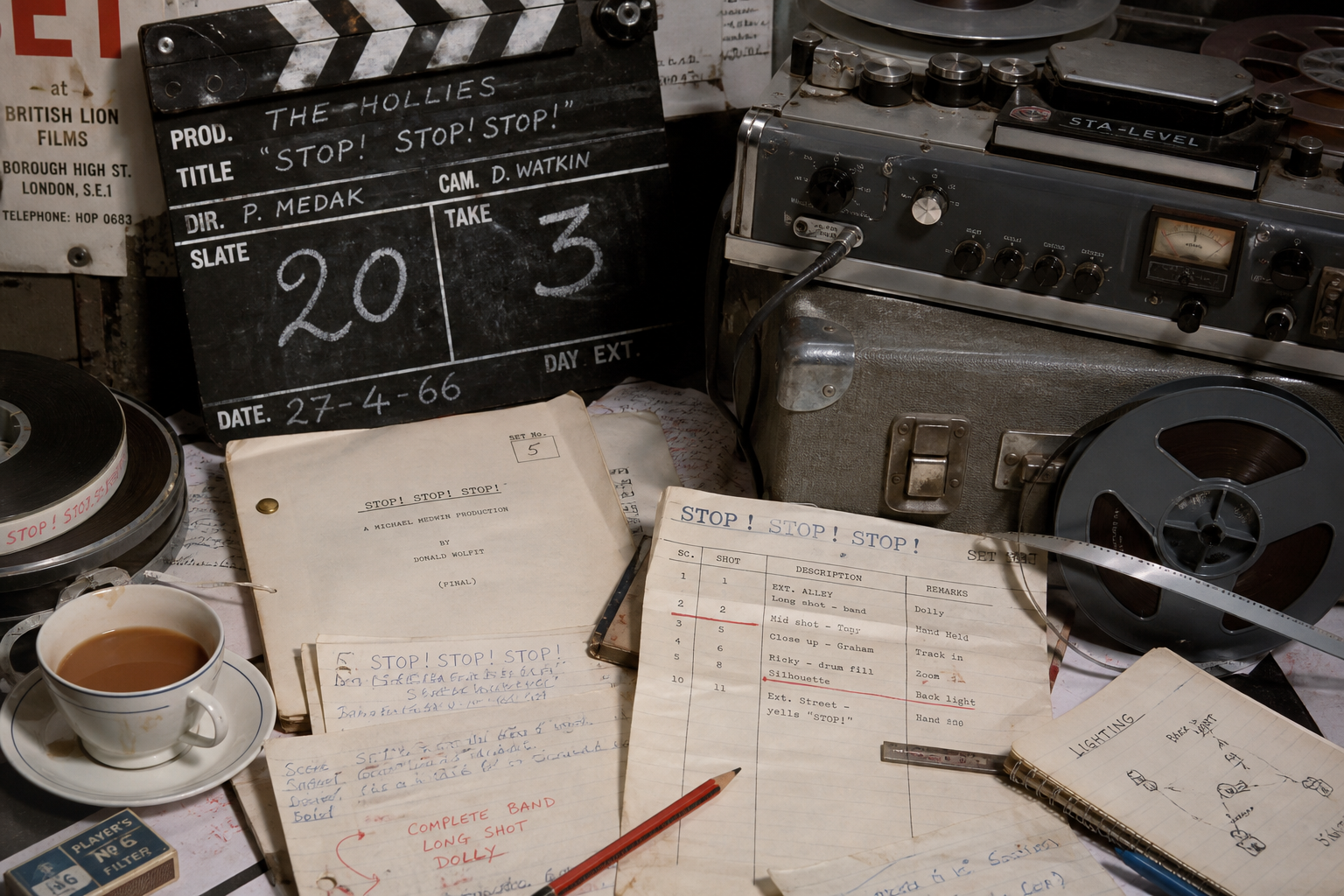
How Love You till Tuesday Fits Into His Early Career
Love You till Tuesday sits at an important point in Bowie’s development. He had not yet found the breakthrough that would make him a household name, but he was already moving away from the idea of being just another singer trying to break into the market. The film shows an artist thinking visually and conceptually before the public had any reason to expect that from him.
That makes the project historically valuable. It is not just an obscure promo film. It is a record of Bowie learning, in real time, how far he could push presentation without losing the room entirely. The production team wanted a usable promotional piece. Bowie seemed interested in something stranger: a performance that would suggest a larger identity than the songs alone could convey.
That tension is easy to miss when looking backward, because Bowie’s later success makes experimentation seem inevitable. But in 1967 it was risky. A young artist who seemed too odd could be dismissed. A young artist who seemed too conventional could be forgotten. Bowie was trying to split the difference by making oddness itself memorable.
That approach links him to a broader history of performers who changed pop by turning image into part of the songwriting experience. It also helps explain why his career would later feel so coherent even when it moved through very different styles and characters. The seed of that method is visible here, in a small project that could have gone badly if the team had decided his strangeness was more trouble than it was worth.
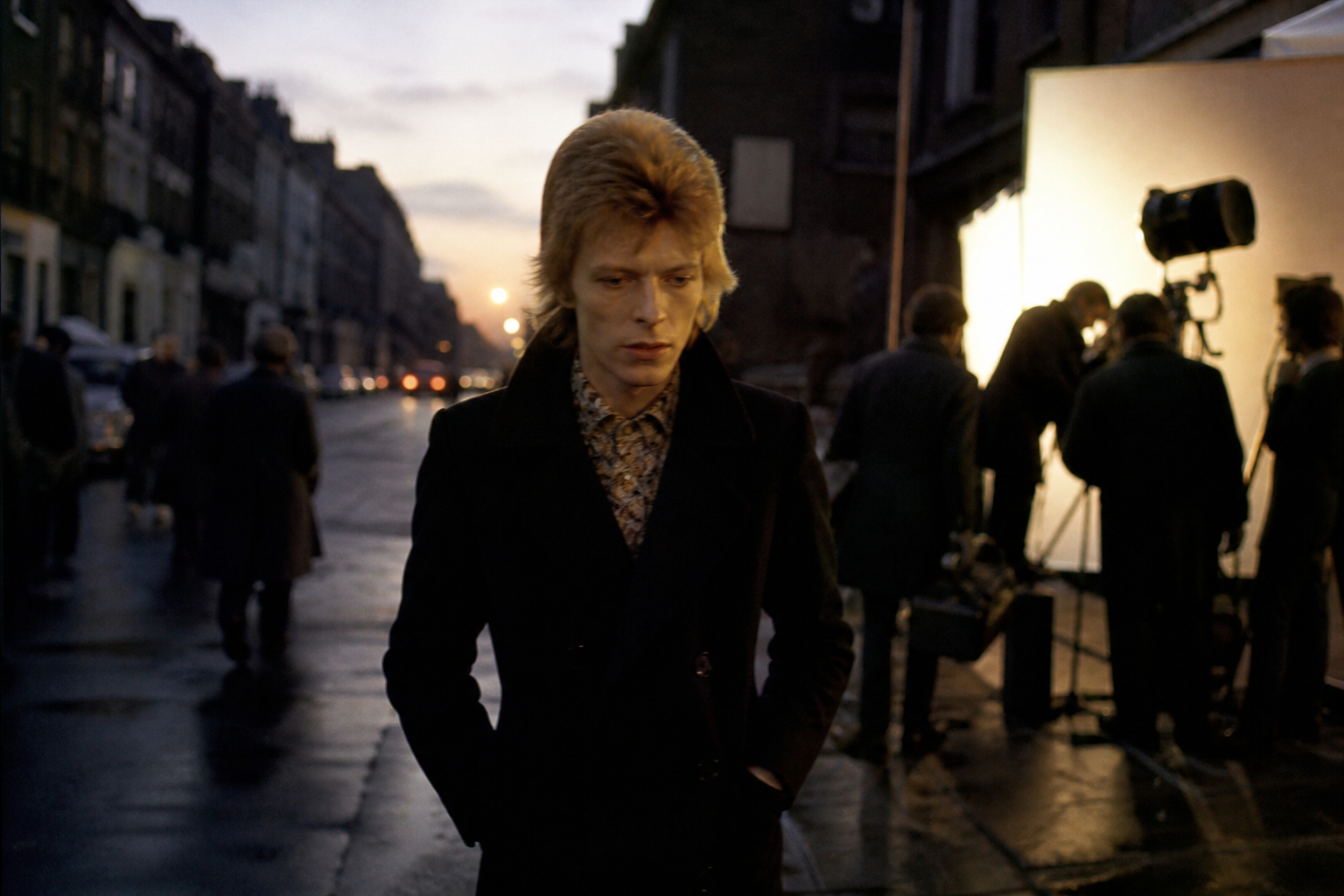
Why This Story Still Matters
The value of this episode is not in exaggerating it. Bowie was not derailed, and the evidence does not support the simple headline version that he was definitively fired and then saved at the last second. What the historical record does support is something subtler and more revealing: his surreal approach to the film unsettled the people around him enough to show how early he was already challenging pop expectations.
That makes the story a useful example of how careers are shaped. Before an artist becomes a legend, there are often moments when their instincts look impractical. The exact same qualities that later define the legend can initially appear to threaten the work in front of them. Bowie’s experience on Love You till Tuesday fits that pattern perfectly.
It also offers a reminder that innovation rarely arrives in a clean, polished way. Often it shows up as discomfort in the room. A director or producer sees a young artist doing something difficult to categorize and has to decide whether the risk is worth it. In Bowie’s case, the answer was complicated, but the incident helped reveal just how far his imagination was prepared to go.
Looking back, the unsettling quality of the performance feels less like a mistake than a preview. Bowie had already learned that he could make people notice by refusing to be ordinary. On this set, that instinct nearly became a problem. Soon enough, it would become the point.
That is the real story behind the 1967 Love You till Tuesday shoot: not a sensational firing that may not have happened, but an early, documented moment when David Bowie’s appetite for the surreal made clear that he was not planning to be an easy pop star. He was already becoming something harder to contain.
How David Bowie Reinvented Himself and Changed Music Forever
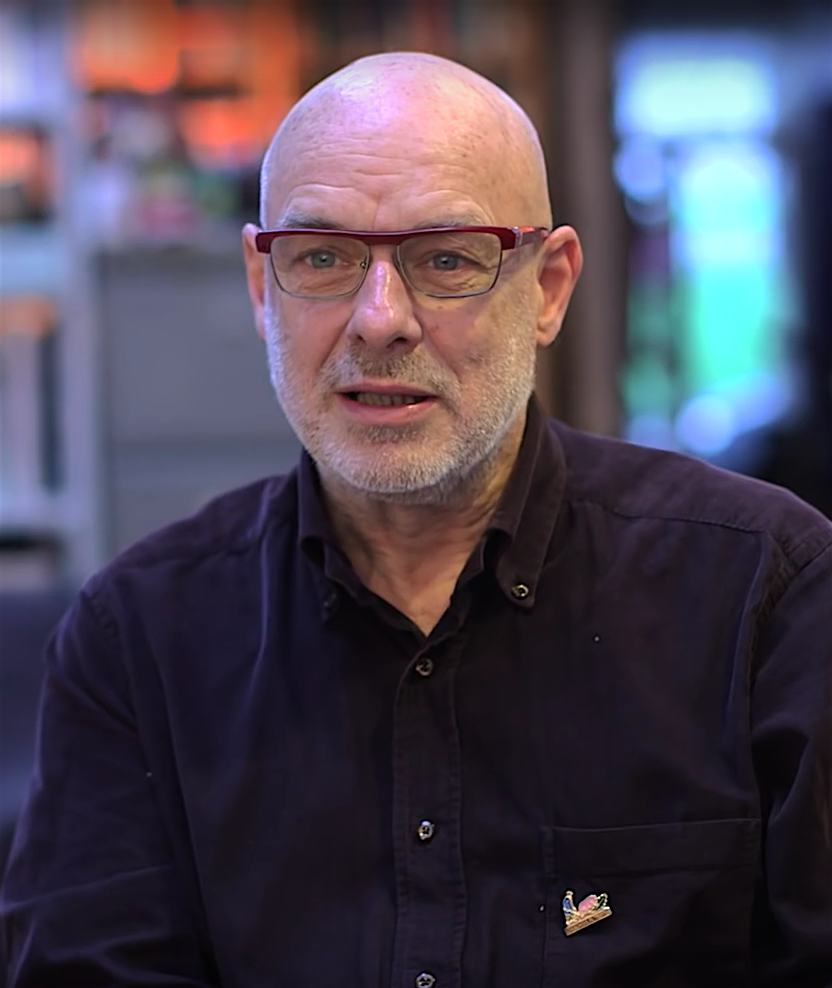
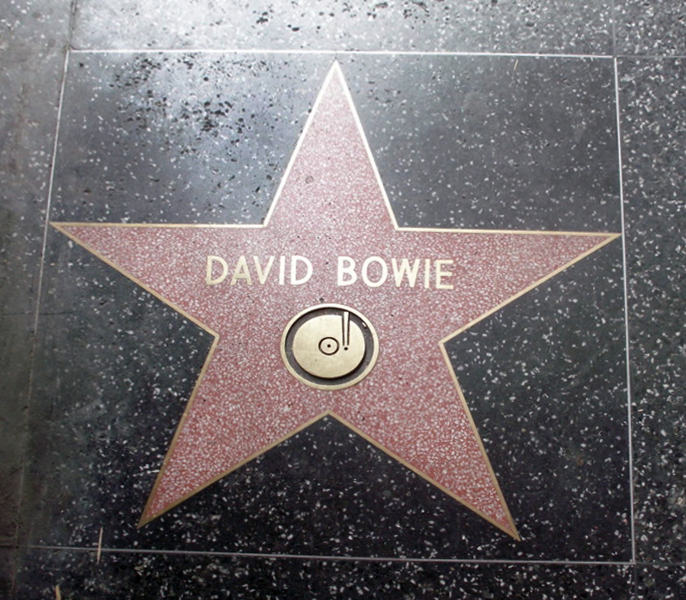
David Bowie made reinvention part of his artistic identity, and popular music has never quite looked the same. Across five decades, he treated image, sound, and performance as connected pieces of one creative vision. That approach made him one of the clearest examples of how a single artist could reshape an era without staying in one place for long.
Comments 0