Tina Turner’s rise began inside one of rhythm and blues’ most famous acts, but her story is also one of leaving, rebuilding, and refusing to disappear. The history matters because it shows how a celebrated performer could be trapped by private violence while still appearing unstoppable on stage. Her life after the split became one of popular music’s clearest examples of reinvention under pressure.
Tina Turner and Ike Turner: the rise that made the name famous
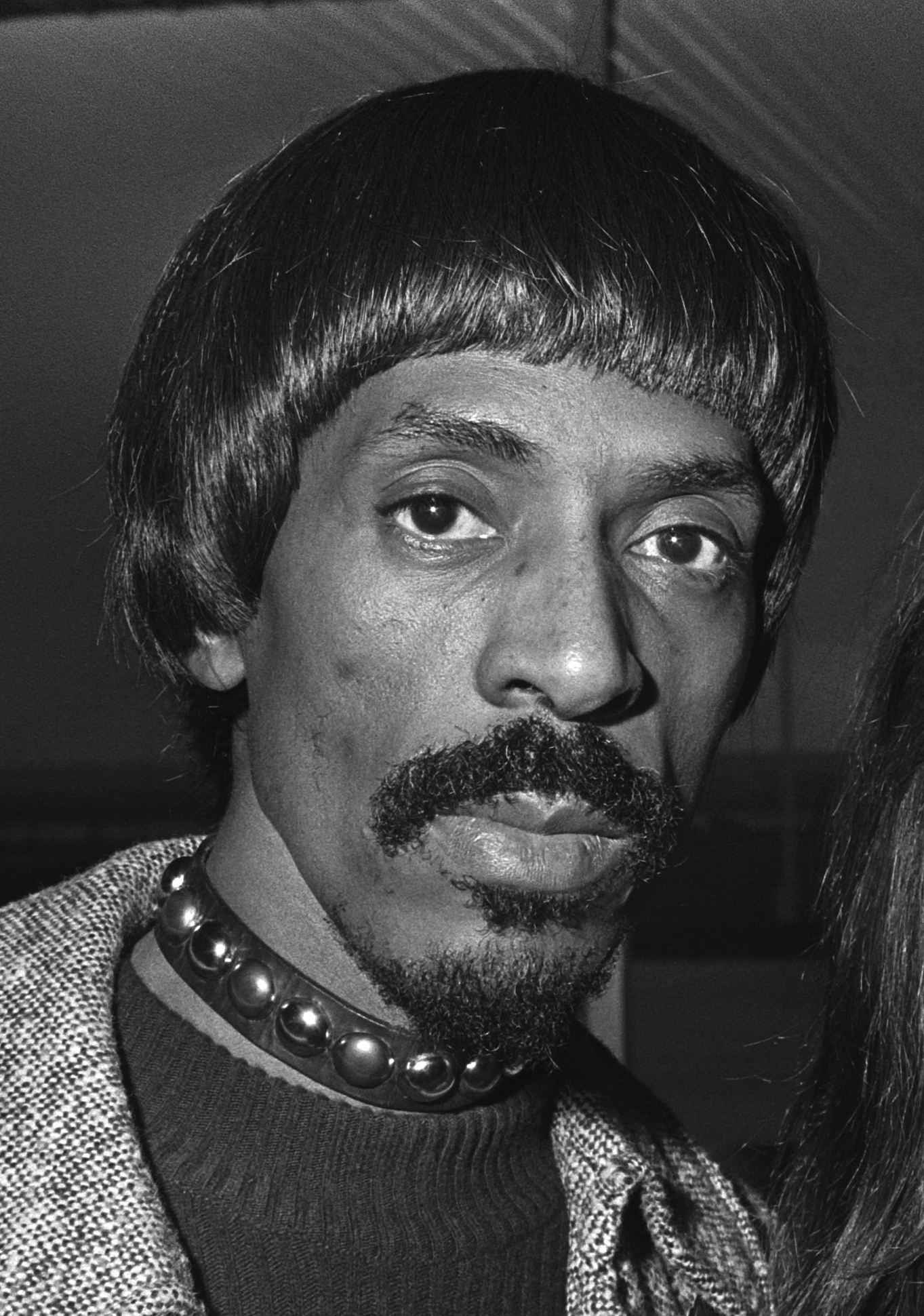
Tina Turner was born Anna Mae Bullock in Nutbush, Tennessee, in 1939, and she entered the music world through the band led by Ike Turner. His Kings of Rhythm became the setting where Anna Mae Bullock developed the stage identity Tina Turner, and the pair began recording and touring together in the early 1960s. Their partnership produced a public image of precision, energy, and tight vocal teamwork, and it placed her before mass audiences who often saw only the result, not the strain behind it.
Turner’s early rise with Ike Turner included records that became part of the wider history of popular music, including the 1966 hit “River Deep – Mountain High,” which was produced by Phil Spector and later recognized as an important recording in her catalog. She also became known for hard-driving live shows with the Ike & Tina Turner Revue, where the stage act depended on relentless touring and a disciplined performance style. The public saw a powerful duo, but the partnership itself was already marked by control, instability, and a dependence on Ike Turner’s authority over the act.
Tina Turner’s name reached a wider audience through songs and performances associated with the Revue, and the group’s visibility grew during the 1960s and early 1970s. The duo’s success brought them onto major stages and into the broader entertainment mainstream, but the public image did not reflect the private conditions that Turner later described in interviews and in her memoir. The gap between fame and reality became central to her life story.
The private cost of public success
Turner later said publicly that her marriage to Ike Turner was abusive, and her account became one of the most widely discussed examples of domestic violence in the history of popular music. In her 1986 memoir, I, Tina, she described years of mistreatment and control inside the marriage and the working partnership. Those claims became part of the documented public record, and later reporting and interviews treated them as central to understanding her departure from the marriage.
Her experience inside the marriage was not visible in the polished image of the Revue, and that contrast shaped how the public later understood her resilience. The abuse she described has been discussed for decades by journalists, biographers, and Turner herself, while the details of many private moments remain known only through her own account. The safest historical reading is the public one: she was married to Ike Turner, she later said the relationship was abusive, and she eventually left.
Her separation from Ike Turner became the turning point that changed both her personal life and her career. She has said in public accounts that she left him in 1976 with little money and that she later struggled to support herself. The financial hardship after leaving was part of what made her comeback unusually difficult, because she had to rebuild without the machinery that had once carried the duo’s success.
The decision to leave the marriage was not an isolated celebrity breakup story. It was the break with the professional structure that had given her fame, income, and a name recognized around the world. The move mattered because it forced her into a new phase where she had to prove she could survive as a solo artist after years of being marketed as part of a pair.
After the marriage: leaving, starting over, and surviving
Her life after leaving Ike Turner involved immediate uncertainty, because the split ended a relationship and also severed a career model that had defined her adult life. She has said in public interviews that she worked to find gigs and support herself, and that the early solo years were far less secure than the years when she toured with Ike Turner. The image of a star in transition is accurate, but the better phrase is survival rather than glamour.
Turner’s post-marriage years also showed how difficult it was for a Black female performer to reenter a music industry that had already decided who she was supposed to be. She could not simply resume the same act under a new arrangement, because the old brand had been built around the partnership she had left. What followed was a long period of smaller opportunities, determined appearances, and gradual redefinition.
Her memoir and later interviews made her one of the most prominent public voices about domestic abuse in the entertainment world. The book I, Tina gave the public a first-person account of her marriage and escape, and it helped shift how people understood the cost of her earlier fame. Her story mattered not only as celebrity history, but as a documented example of a performer breaking away from a violent private reality.
Her courage after leaving Ike Turner should be understood in practical terms. She had to find work, maintain momentum, and present herself to audiences who still associated her with the old duo. She did not emerge instantly into superstardom; she moved through years of uncertainty before the next chapter arrived.

The difficult road back to solo success
Turner’s solo career took years to gain real commercial traction, and that delay is essential to any honest account of her comeback. She recorded and performed after the split, but the breakthrough did not come immediately, and much of the 1970s and early 1980s were defined by persistence rather than chart dominance. The record shows a working artist fighting for relevance in a changing music business.
Her breakthrough as a solo star came with the 1984 album Private Dancer, which restored her to the center of popular music. The album included “What’s Love Got to Do with It,” which became her signature solo hit and won the Grammy Award for Record of the Year. That success was not a sudden accident; it was the result of years of rebuilding after her separation from Ike Turner.
Her solo renaissance also brought a new visual and professional identity. She appeared to audiences as a mature performer with a distinct style, separate from the Revue years and separate from the role the industry had assigned her in the 1960s. Her comeback was powerful because it did not erase the past; it reframed it as the foundation of her independence.
Her return to prominence showed how long-term endurance can matter more than a single comeback moment. She became a major solo act in the 1980s, and the success of Private Dancer proved that her audience extended far beyond the memory of her earlier partnership. The reinvention was complete only because it lasted.

Tina Turner as a global icon
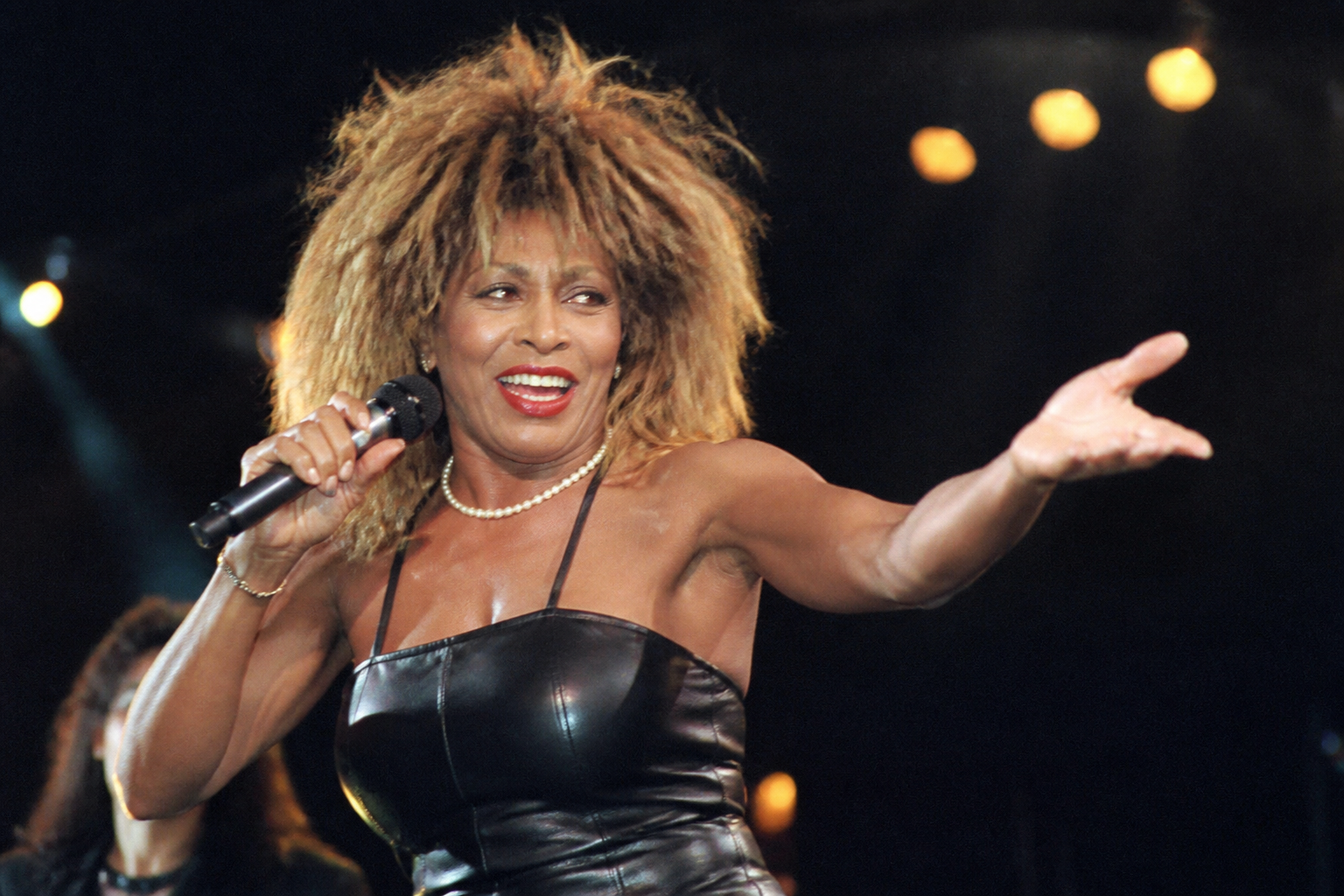
Tina Turner’s later career turned her into a global figure whose name stood for performance power and survival. She followed the success of Private Dancer with major concerts, international recognition, and a catalog that remained central to pop and rock audiences. The stage image she created in the 1980s and beyond was built on experience, not fantasy.
Her 1980s and 1990s prominence included songs such as “The Best” and appearances that confirmed her as a cross-generational star. She also became associated with the 1993 film What’s Love Got to Do with It, which dramatized part of her life story and brought her history to a new audience. The film helped fix the public memory of her escape, though it remained a dramatization rather than a literal record of every event.
Her global reputation was built on more than sales or awards. She became a symbol of survival because her public history included both enormous success and a widely discussed escape from abuse. That dual legacy gave her rare cultural force: she was seen not only as a singer, but as a performer who had rebuilt herself after being written off.
Her later honors, farewell performances, and continued influence confirmed her place in music history. By the time she retired from touring, she had already become one of the most recognizable voices and stage presences in popular music. The scale of her later fame makes sense only when the earlier struggle is kept in view.
Legacy of escape and reinvention
Her legacy rests on the factual arc of her life: early partnership, private abuse, departure, hardship, and eventual triumph. The story is compelling because each stage is documented and each stage changed what the public thought a survivor could become. Her career after the marriage was not a footnote; it was the proof that her identity extended beyond the role she was handed in the beginning.
Her public record also changed how later generations discussed abuse in the entertainment industry. She did not become famous for speaking in generalities, but her own account made the reality of her marriage impossible to ignore. The significance of her story lies in its specificity: she left, she rebuilt, and she eventually became one of the best-known performers in the world.
Her life remains a reminder that public success can conceal private suffering. The separation from Ike Turner was not just a personal choice; it was the decisive act that allowed a new career and a new self to emerge. Her place in music history now belongs as much to what she escaped as to what she sang.
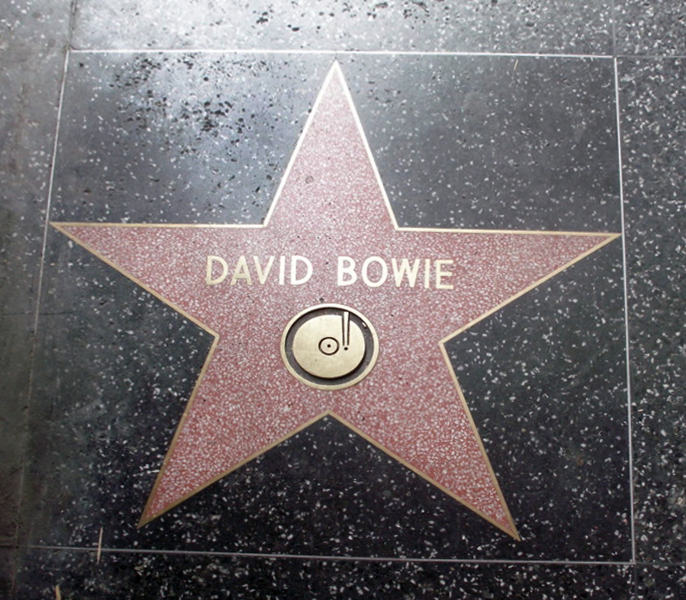
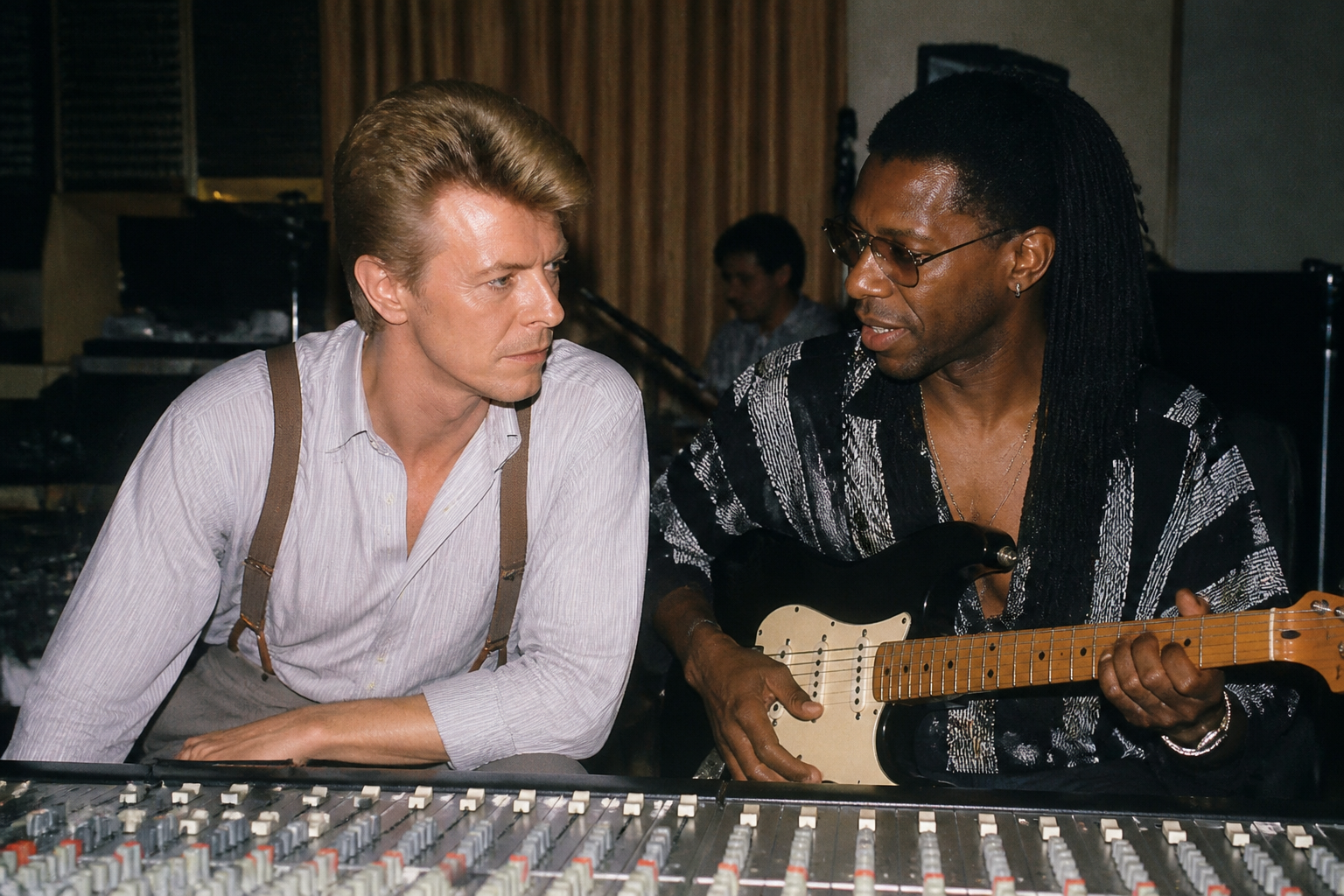
How David Bowie Reinvented Himself and Changed Music Forever

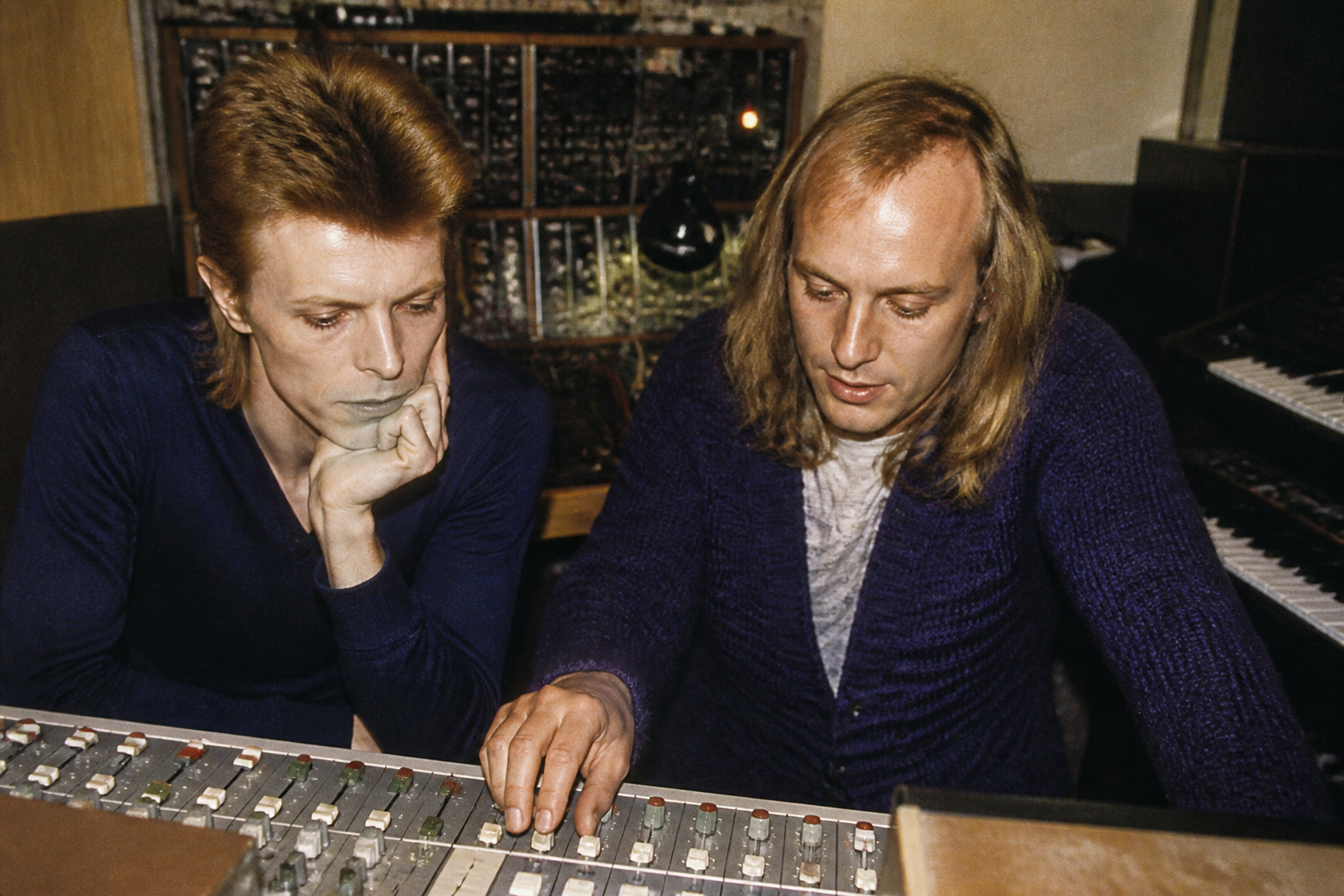
David Bowie made reinvention part of his artistic identity, and popular music has never quite looked the same. Across five decades, he treated image, sound, and performance as connected pieces of one creative vision. That approach made him one of the clearest examples of how a single artist could reshape an era without staying in one place for long.

Comments 0