The story of The Beatles begins in Liverpool, but it does not end there. It stretches across continents, generations, and nearly every part of modern popular music. Four young men from a working port city became the most influential band in rock history, not because they arrived fully formed, but because they kept changing. They started in small clubs, learned by playing live, and then turned the recording studio into a place for invention.
To understand The Beatles is to understand how pop music grew up. Their songs were catchy enough for radio, but their albums also rewarded close listening. Their image was playful, but their work often carried real emotional depth. They helped shape the sound of the 1960s, yet their influence still reaches far beyond that decade. If you want the clearest possible overview of The Beatles, this guide follows their story from early Liverpool days to their breakup and enduring legacy.
The Beatles in Liverpool: how the band began
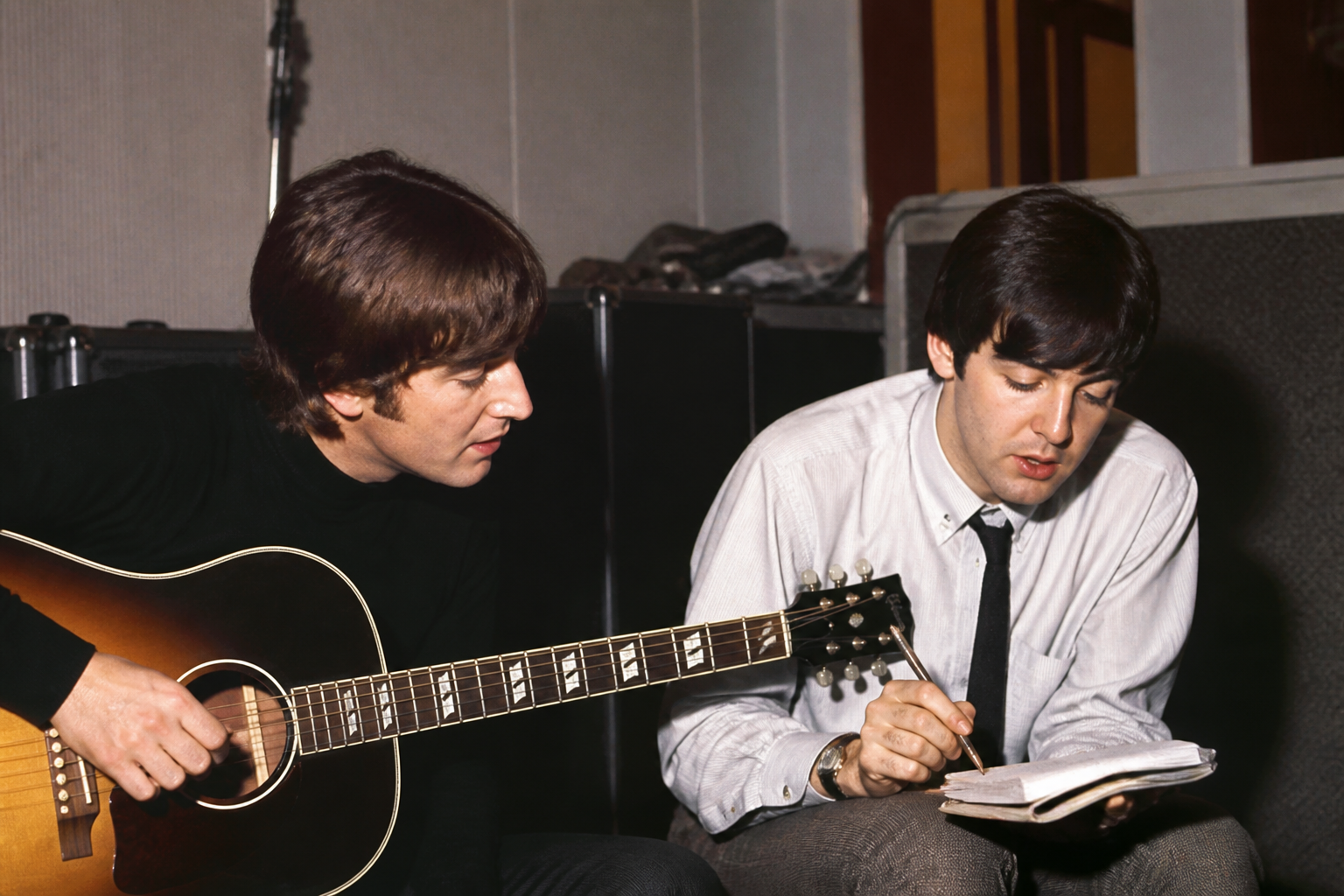
The Beatles did not start under that name. In 1957, John Lennon was performing with a skiffle group called the Quarry Men. At a church fête in Woolton, he met Paul McCartney. McCartney impressed Lennon with his ability to play and remember songs, and the two quickly formed a musical bond. George Harrison joined later, after McCartney recommended him. Their early years were shaped by rehearsal, local gigs, and the long apprenticeship of playing live night after night.
Like many bands of the era, they changed names and lineups as they searched for an identity. They eventually settled on The Beatles, a name that combined a playful sound with a nod to beat music. Their development was tied to Liverpool clubs and to the discipline of extended engagements in Hamburg, where they played for hours at a time. That experience sharpened their timing, stamina, and stage presence in ways no studio session could have matched.
By 1962, the classic lineup was complete: John Lennon, Paul McCartney, George Harrison, and Ringo Starr. Ringo, whose real name is Richard Starkey, joined after Pete Best was replaced. The change completed the group’s most famous formation. Lennon brought edge and wit, McCartney brought melodic precision, Harrison brought growing musical depth, and Starr brought rhythmic steadiness. Together, they created a sound that was tight, flexible, and immediately recognizable.

The early Beatles years before worldwide fame
The Beatles’ first recordings came at a time when British pop was still closely tied to live performance and radio singles. Their early work drew from rock and roll, rhythm and blues, and the energy of the Merseybeat scene. In 1962, they recorded “Love Me Do,” followed by “Please Please Me,” which helped establish them as a rising force in Britain. Their first album, Please Please Me, was released in 1963 and captured the urgency of their live sound.
That year and the next brought a wave of Beatlemania. Crowds screamed, radio stations played their records constantly, and television appearances made them impossible to ignore. Their wit in interviews mattered almost as much as their music. They seemed youthful without being empty, polished without seeming manufactured. In an era that often asked pop stars to be simple, The Beatles were already more complicated than the industry expected.
Their 1964 arrival in the United States marked a turning point. Their appearance on The Ed Sullivan Show introduced them to a massive American audience and helped ignite the British Invasion. Soon afterward, they were not just a successful band but a cultural event. Their music crossed borders quickly because it was built on something both familiar and fresh: strong hooks, memorable harmonies, and a sense of joy that felt immediate.
It is also useful to remember the musical world they entered. Artists such as Elvis Presley had already transformed rock and roll into a cultural force, and The Beatles built on that foundation while pushing it in new directions. They were part of a larger story, not an isolated miracle. Their rise mattered because it connected what came before to what came next.
The four members and the chemistry that made The Beatles different
John Lennon
John Lennon often gave the band its sharper edges. His voice could sound biting, playful, or vulnerable depending on the song, and his writing often balanced irony with emotional honesty. He helped define The Beatles’ early swagger and later became central to their more experimental work. He was also one of the group’s primary public faces, known for humor, candor, and a willingness to challenge expectations.
Paul McCartney
Paul McCartney brought an extraordinary instinct for melody and structure. He could write songs that sounded effortless even when they were carefully built. His bass playing became increasingly inventive, and his interest in arrangement pushed the band toward more sophisticated studio work. McCartney’s gift was not only for writing hits, but for making songs feel complete, balanced, and emotionally direct.
George Harrison
George Harrison started as the quiet one, but his role deepened as the years passed. He was an attentive guitarist and a songwriter who developed steadily within the band. His interest in Indian music, especially the sitar, expanded The Beatles’ palette and helped introduce many listeners to sounds beyond Western pop conventions. Harrison’s growth as a writer became one of the group’s most important late-period developments.
Ringo Starr
Ringo Starr gave the band its pulse. His drumming was economical, musical, and often subtly inventive. He was not about flash; he was about feel. That quality made the band’s recordings breathe. Starr also contributed a grounded, approachable presence that balanced the intensity of the other three. In a group often defined by creative tension, his steadiness mattered.
Together, these four personalities created a chemistry that no one member could have produced alone. The Beatles worked because the differences were real. Lennon and McCartney formed the famous songwriting partnership, Harrison expanded the musical horizon, and Starr held the whole thing together with rhythm and personality. Their unity was never simple, but it was powerful.
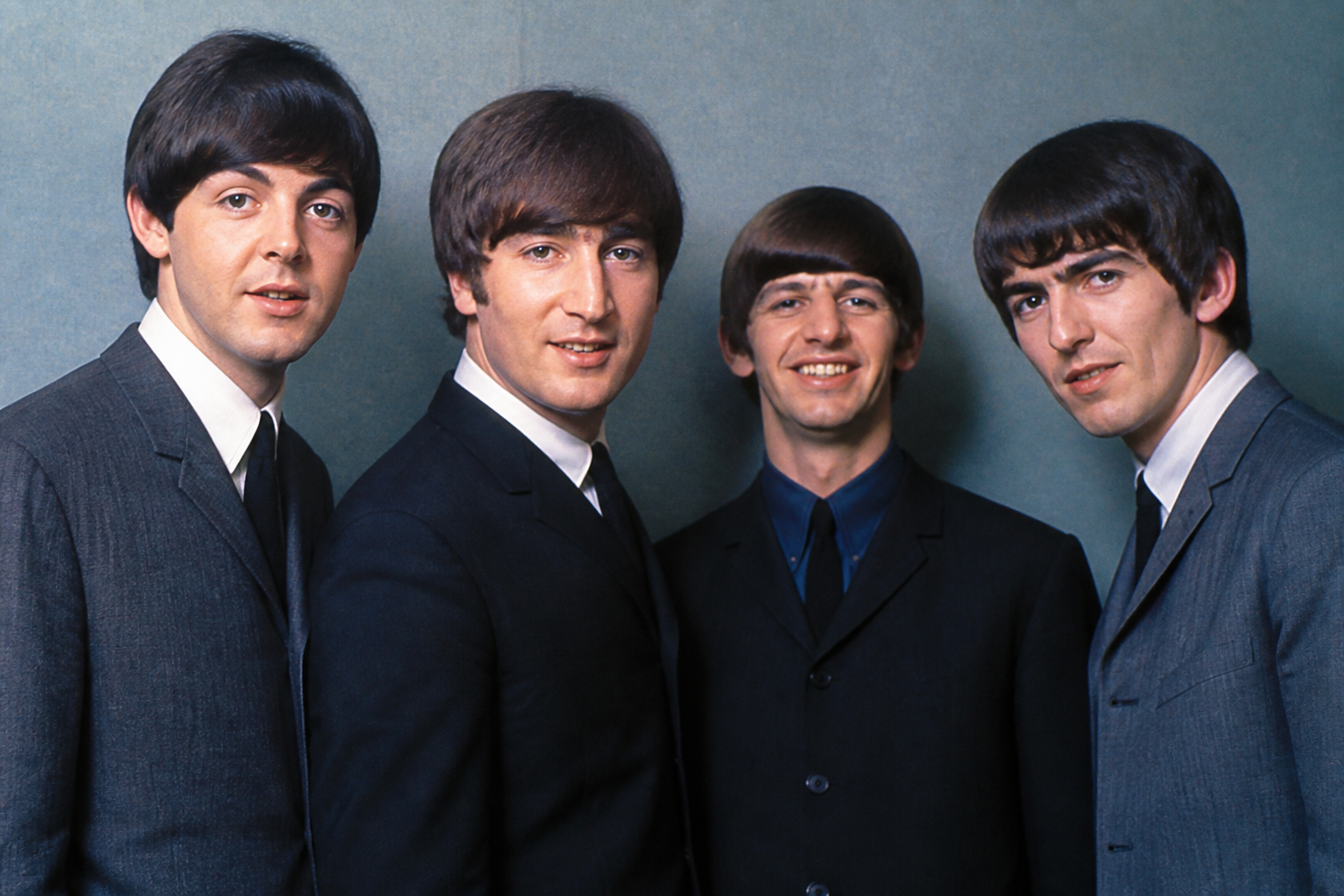
Beatlemania and the rise to global fame
By 1964, The Beatles were more than a band. They were a worldwide phenomenon. Their films, television appearances, and relentless chart success made them central figures in youth culture. A Hard Day’s Night captured their energy and the public’s fascination with them. Help!, released in 1965, continued that mix of comedy, music, and image-making. These projects helped turn the band into a multimedia force.
Their early albums and singles moved quickly from energetic pop toward greater ambition. Songs like “She Loves You,” “I Want to Hold Your Hand,” and “Can’t Buy Me Love” became anthems of a generation. The melodies were catchy, but the writing was never careless. Even their simplest hits had craft behind them. That balance helped The Beatles appeal to teenagers and adults alike.
As their fame grew, so did their creative confidence. They began to use the studio not just as a place to capture performances, but as an instrument in itself. This shift changed popular music. Recording techniques, layering, tape effects, and arrangement choices became part of the artistic process. The band’s success gave them room to experiment, and they used that room aggressively.
Studio innovation and the Beatles’ middle years
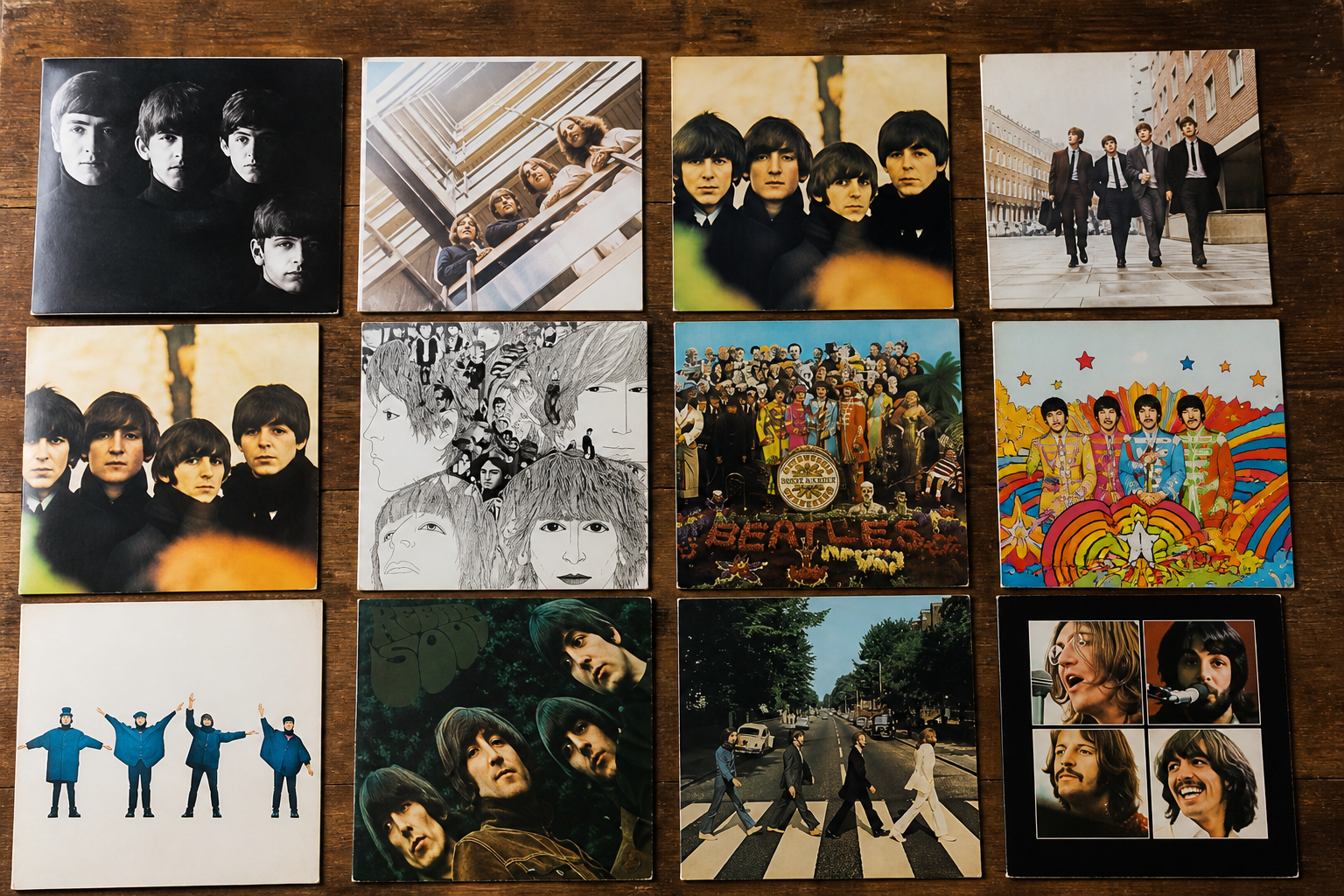
By 1965 and 1966, The Beatles were no longer making only straightforward pop records. Albums such as Rubber Soul and Revolver showed a band thinking more deeply about texture, theme, and form. Rubber Soul suggested a more unified artistic direction, while Revolver pushed further into studio experimentation, lyrical complexity, and sonic invention. The band was changing in public, and listeners could hear it happening.
One reason The Beatles remain so studied is that their evolution was so visible. They did not stay in one lane. They moved from love songs and youthful excitement to introspection, satire, and broader musical exploration. That transformation was not random. It reflected the members’ growing experience, their exposure to new ideas, and the changing culture of the 1960s. Their records became documents of that shift.
For readers interested in the songwriting side of that transformation, Lennon’s work on songs like “Strawberry Fields Forever” shows how far the band had moved from their earliest days. The song’s structure and atmosphere were unlike the compact singles that first made them famous. It is one of many examples of how The Beatles turned personal memory and studio innovation into something larger than either one alone.
Another landmark from this period is “A Day in the Life”, which closed Sgt. Pepper’s Lonely Hearts Club Band in 1967. The song joined Lennon’s and McCartney’s contrasting ideas into a single, startling whole. It remains one of the clearest examples of their partnership at its peak. The album as a whole became a symbol of the album era, when records could be understood as complete artistic worlds rather than just collections of singles.
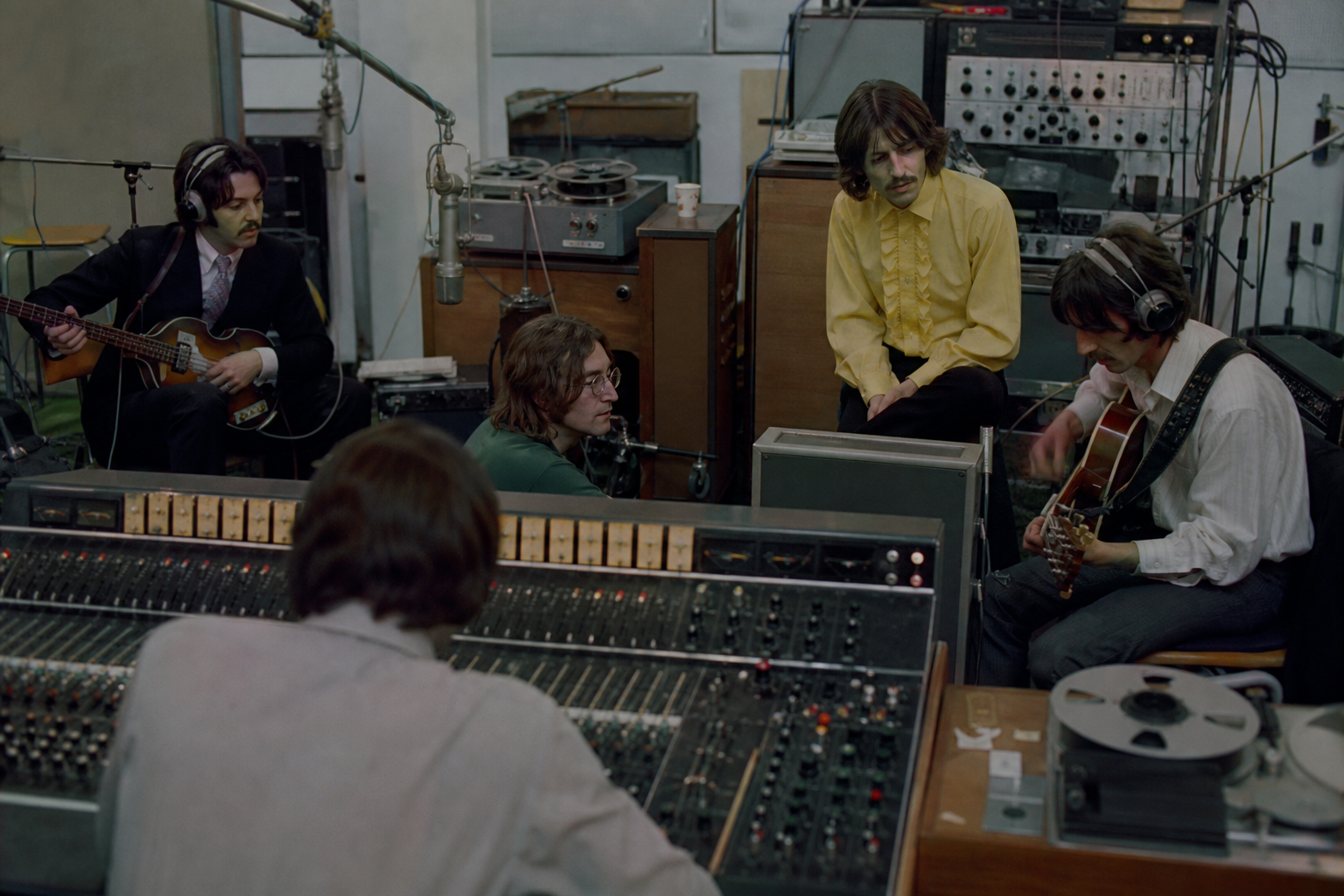
Sgt. Pepper and the height of Beatles ambition
Sgt. Pepper’s Lonely Hearts Club Band arrived in 1967 and quickly became one of the most famous albums in popular music. Its impact came from more than its songs. The cover art, sequencing, production choices, and conceptual framing all helped make it feel like a cultural event. Whether one sees it as the band’s greatest statement or one of several peaks, its importance is hard to dispute.
The album reflected a band willing to think beyond the standard pop format. It also captured the optimism and experimentation of the late 1960s, even as the world around them grew more complicated. The Beatles were now operating at a level where their releases were treated as major cultural moments. That pressure could inspire brilliance, but it also added strain.
Not every experiment landed cleanly, but the willingness to try mattered. The band’s later 1960s work included a wide range of styles, from orchestral pop to folk influence to harder-edged rock. Their music kept absorbing new ideas, and their audience followed because the songs still felt emotionally immediate. Even when the arrangements became more elaborate, the core remained human and memorable.
Change, tension, and the widening cracks
As the decade advanced, the same forces that made The Beatles extraordinary also made them difficult to sustain. They had become an institution, and institutions are hard to keep flexible. Personal relationships changed, business disagreements grew sharper, and the shared direction that once felt instinctive became harder to maintain. The death of manager Brian Epstein in 1967 also removed a stabilizing presence.
The band’s later years included important work, but also visible friction. During the Let It Be project, the atmosphere was often tense. The sessions were filmed, and the footage later made the strain plain to see. Yet even in conflict, The Beatles could still produce strong music. That paradox is part of their legacy: some of their greatest work came while the group itself was coming apart.
The 1968 White Album is often remembered for its breadth and contrast. It contains songs that feel playful, intimate, abrasive, and experimental. It also reflects a band increasingly working more as four individuals than as a single unit. The variety is one of the album’s strengths, but it also signals a change in how the group functioned.
By the time they recorded Abbey Road in 1969, the end was near, even if the music still sounded polished and strong. The album’s side-two medley is one of the clearest examples of the band’s ability to turn fragments into a cohesive musical arc. It also stands as a final reminder of how well they could work when the pieces still fit together.
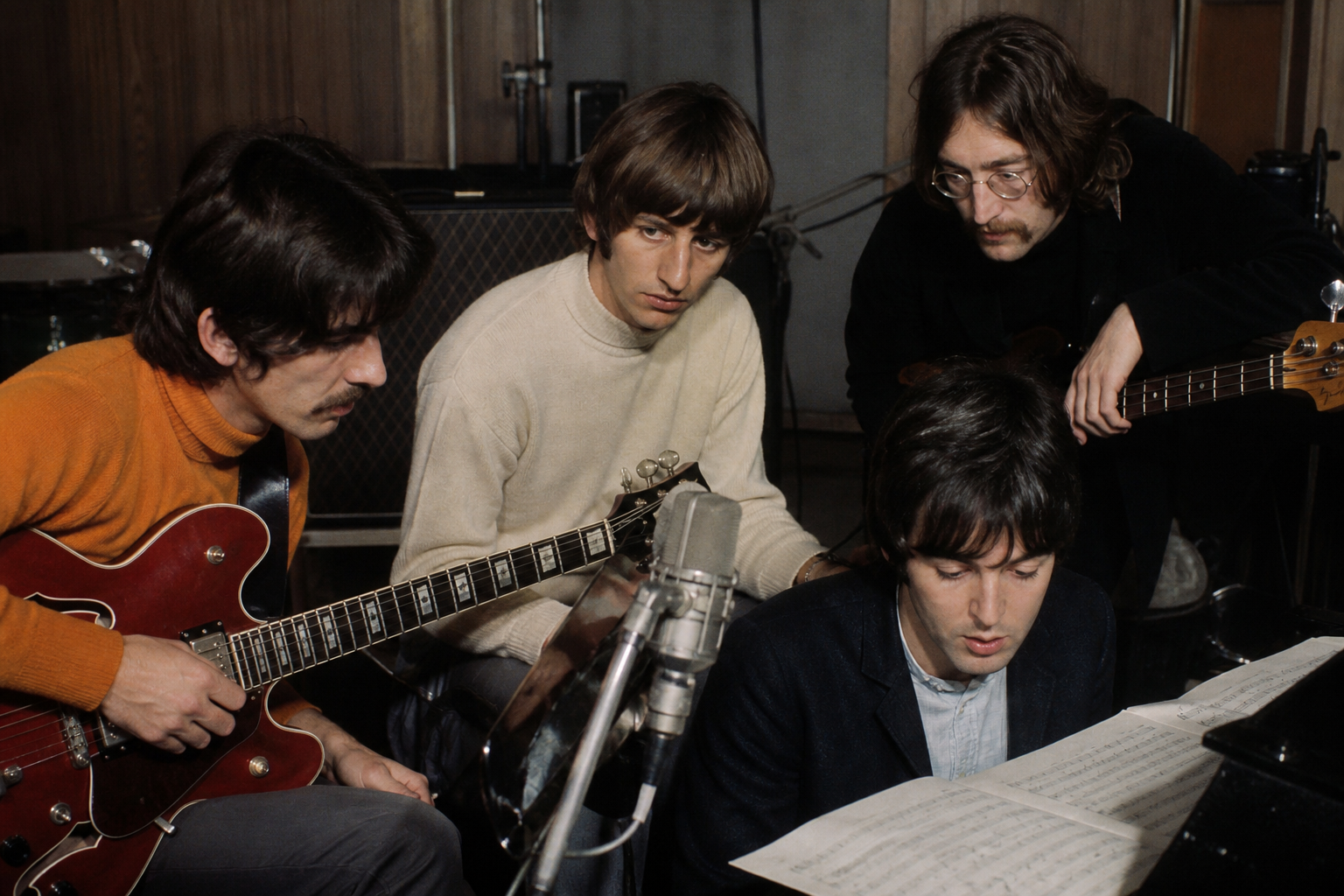
The Beatles breakup in 1970
The breakup of The Beatles was not a single dramatic moment so much as the conclusion of a long unraveling. Business disputes, personal differences, and creative exhaustion all played a part. The group effectively ceased operating as a unit in 1970, though the legal and public story unfolded over time. For a detailed look at the final stage, readers can explore The Beatles Break Up: What Really Happened In Their Final Meetings?
The release of Let It Be in 1970 came after the group had already fractured internally. The album and film presented a band trying to finish, even as the old partnership no longer held in the same way. Soon afterward, the members moved into separate careers. The breakup was painful, but it was also the end of a chapter that had already changed music history.
It is worth remembering that the breakup did not erase what came before. Instead, it fixed the band in cultural memory at the moment of maximum influence. The Beatles remained so present in public imagination that their ending became part of the myth. Yet the facts are simpler than the legend: four artists, after years of extraordinary collaboration, could not continue together.
What the members did after The Beatles
After the breakup, John Lennon pursued a solo career that combined music with activism. His work after The Beatles continued to draw attention for both artistic and political reasons. For a fuller portrait, see John Lennon: Life, Music, Activism, and Lasting Legacy. His solo output showed a different side of his writing, often more direct and personal.
Paul McCartney formed Wings and became one of the most successful solo artists of the post-Beatles era. George Harrison released acclaimed solo material, including the landmark All Things Must Pass in 1970, which demonstrated how much songwriting he had held back within the group. Ringo Starr also built a solo career and remained a familiar figure in popular music. Each member found a path forward, even if none of those paths replaced the chemistry they had shared.
The post-Beatles years also showed how different their strengths really were. Lennon could be confrontational and reflective, McCartney prolific and melodically gifted, Harrison spiritually curious and steadily mature, and Starr charmingly direct. Their individual careers confirmed that The Beatles had been a rare convergence of distinct talents rather than a single interchangeable unit.
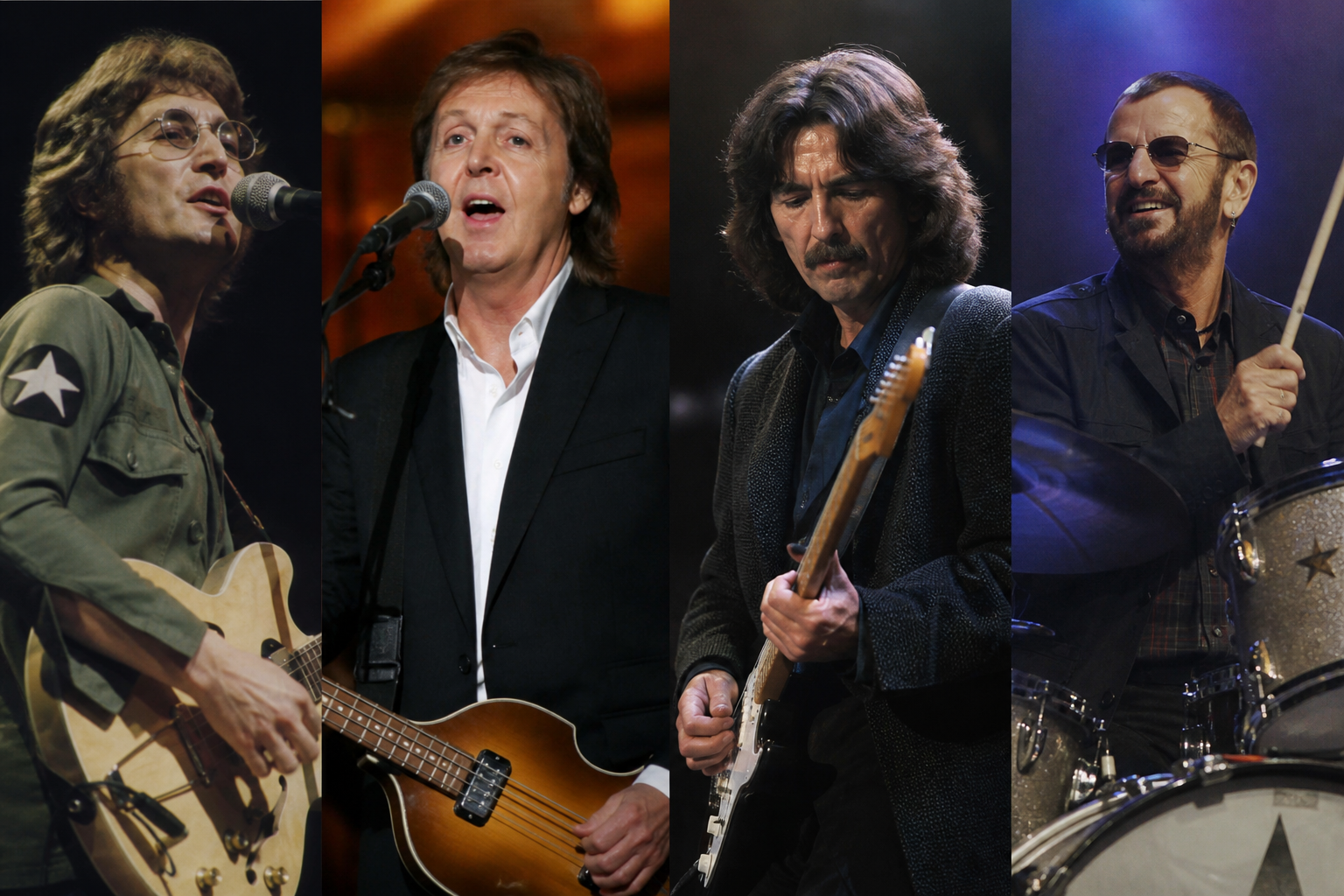
The Beatles’ lasting legacy
The Beatles changed popular music in ways that are still visible. They helped make the album a serious artistic form, expanded what a pop band could sound like, and showed that mainstream success and experimentation did not have to be opposites. They influenced recording practices, songwriting standards, band identity, and the global music market. Their impact can be heard in countless artists who followed.
They also changed culture beyond music. Their hair, clothing, humor, and public image helped define a generation. They were part of the 1960s, but they also helped create the version of the 1960s that people remember. That is a rare kind of power. Few bands become a reference point for an entire era.
Even now, The Beatles remain a starting point for anyone trying to understand modern popular music. Their catalog still draws new listeners because the songs are strong on first hearing and deeper on later ones. That combination is one reason their legacy endures. They were not just successful in their time. They built work that keeps finding new audiences.
If you want to follow one thread through the band’s story, it is this: four musicians from Liverpool learned how to play together, learned how to write together, and then learned how to grow apart without losing the scale of what they had made. That arc is part of why The Beatles remain so compelling. Their story is not only about fame. It is about artistic change, human tension, and the strange, brief moment when everything aligned.
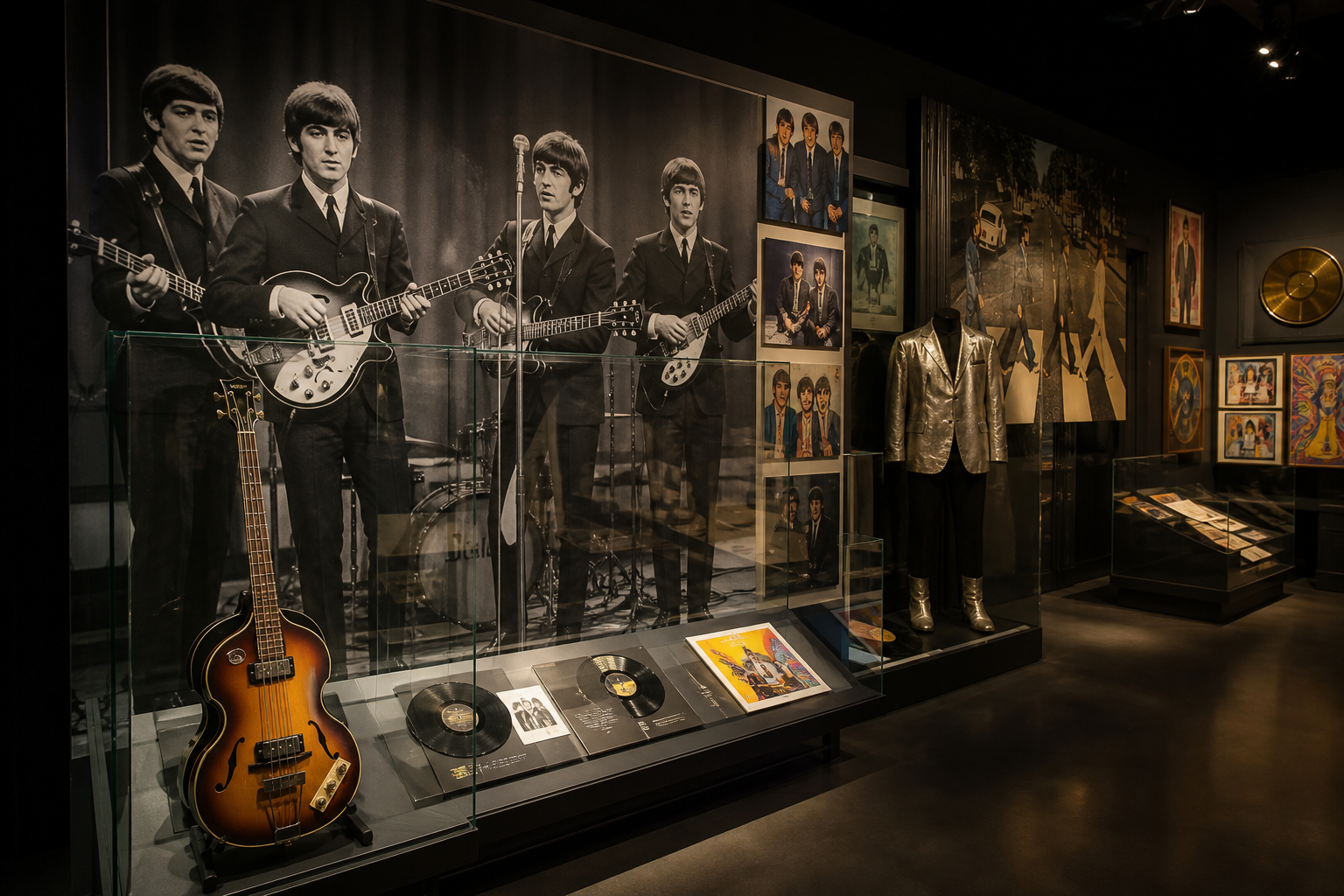
Key milestones in The Beatles story
- 1957: John Lennon meets Paul McCartney in Liverpool.
- Late 1950s: George Harrison joins the group; the band develops through live performances and Hamburg residency work.
- 1962: Ringo Starr replaces Pete Best, completing the classic lineup.
- 1963: Please Please Me and Beatlemania establish them in Britain.
- 1964: American breakthrough and global fame follow their U.S. television exposure.
- 1965–1967: Rubber Soul, Revolver, and Sgt. Pepper’s Lonely Hearts Club Band expand their sound.
- 1968: The White Album reflects both creative range and internal strain.
- 1969: Abbey Road becomes a final high point.
- 1970: The band breaks up and each member begins a separate career.
The Beatles’ story is often told as a myth of genius, but the real history is more interesting than myth. It is the story of hard work, timing, friendship, disagreement, and invention. That is why it still matters. The band did not simply arrive as legends. They became legends one record, one performance, and one decision at a time.
Why The Beatles still matter today
Ask why The Beatles still matter, and the answer is not only that they were famous. Many famous acts fade into history. The Beatles remain because their music still feels alive. Their songs still sound immediate, their albums still invite close listening, and their story still offers a clear lens on how modern pop culture works.
They also matter because they were never static. A listener can follow their growth from youthful drive to studio sophistication, from simple love songs to layered reflections on fame, memory, and change. That progression is rare. It gives their catalog a narrative shape that many bands never achieve.
For readers exploring the broader world of music history, The Beatles stand beside the most important names in the twentieth century. They absorbed what came before them, reimagined it, and left behind a blueprint that others still study. That is the essence of their legacy: not just popularity, but transformation.
In the end, The Beatles were four individuals who found a common language and used it to change the sound of the modern world. Their rise began in Liverpool, but their influence belongs to everyone who has ever listened to a pop song and expected it to be more than background noise.

Frequently asked questions about The Beatles
Who were the four members of The Beatles?
The classic lineup was John Lennon, Paul McCartney, George Harrison, and Ringo Starr.
Where did The Beatles form?
The band formed in Liverpool, England, and developed further through live work in places including Hamburg.
When did The Beatles break up?
The group effectively broke up in 1970, after years of growing business and creative tensions.
What made The Beatles so influential?
They combined strong songwriting, vocal harmonies, studio innovation, and cultural impact on a scale few bands have matched.
For anyone approaching The Beatles for the first time, the best path is to hear the story in order. Start with the early singles, move into Rubber Soul and Revolver, then listen to Sgt. Pepper’s Lonely Hearts Club Band, the White Album, and Abbey Road. The progression reveals how quickly they evolved and how much they changed the possibilities of popular music.
That progression is also what makes their history so rewarding. The Beatles were not just a band that had hits. They were a band that kept becoming something new. And that, more than anything, is why their name still carries weight.
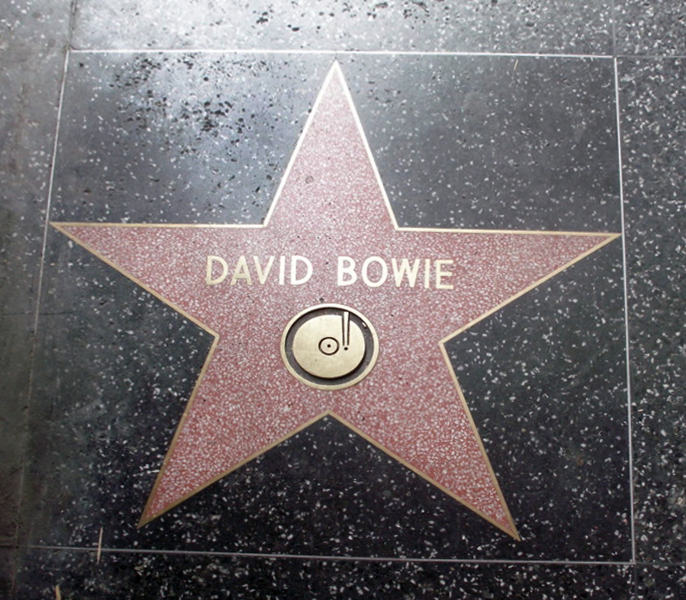
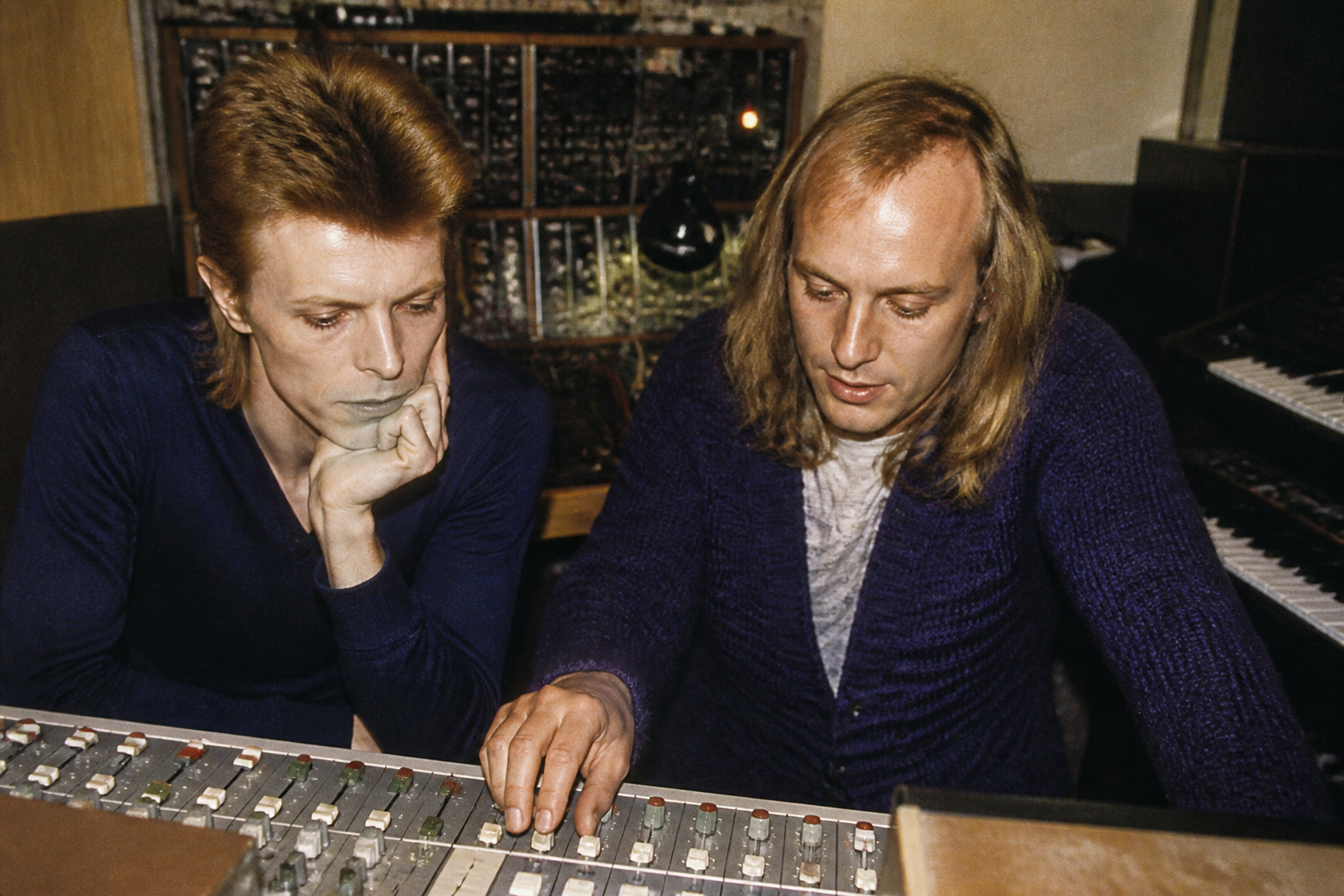
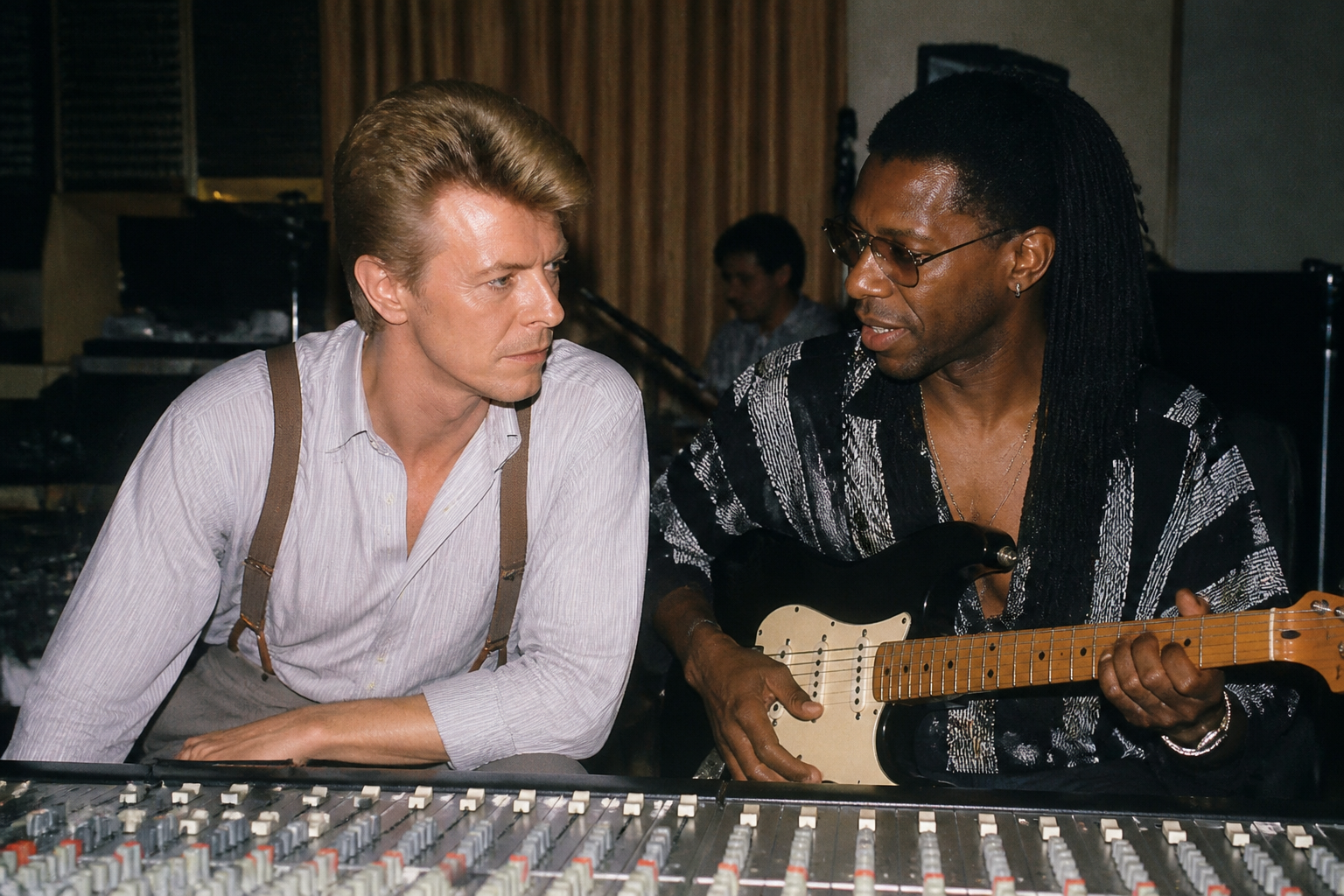
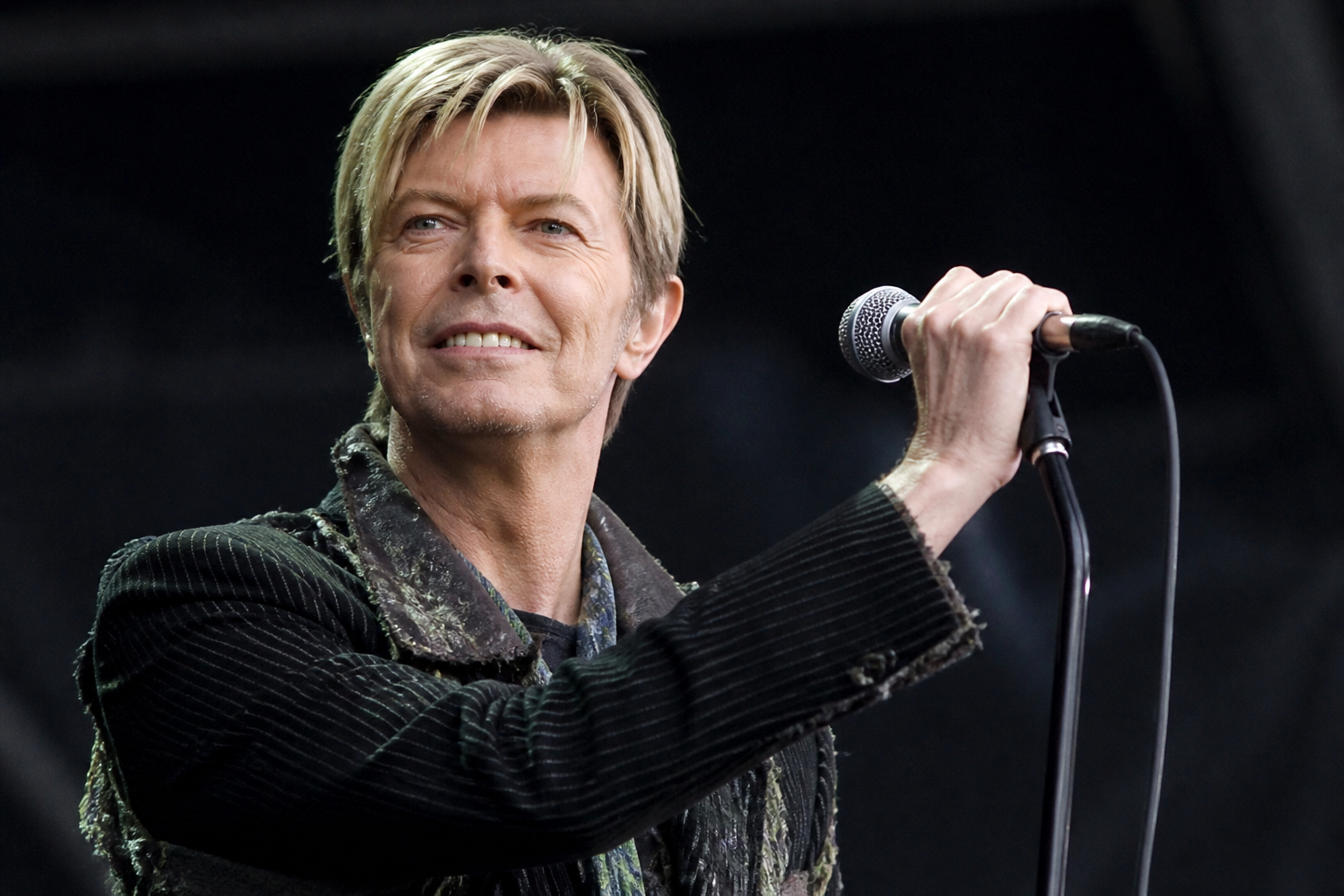
How David Bowie Reinvented Himself and Changed Music Forever

David Bowie made reinvention part of his artistic identity, and popular music has never quite looked the same. Across five decades, he treated image, sound, and performance as connected pieces of one creative vision. That approach made him one of the clearest examples of how a single artist could reshape an era without staying in one place for long.
Comments 0