Elvis' Death: What Happened, Why It Still Matters
Elvis Presley’s death is one of the most searched moments in music history, and for good reason. It marked the end of an era, triggered immediate public mourning, and left behind a long trail of questions, rumors, and enduring fascination.
In this article, we’ll look at what is known about Elvis’ death, the official timeline, the medical context, the reaction from fans and the media, and why his legacy remains so powerful. If you want a clear, accurate overview, you’re in the right place.
What happened on August 16, 1977?
Elvis Presley died on August 16, 1977, at the age of 42. He was found at Graceland, his home in Memphis, Tennessee, and his death was later ruled to have been caused by a heart attack, though the broader medical picture was more complicated.
According to the official findings, the immediate cause was a cardiac arrhythmia associated with coronary artery disease. Over time, reporting and medical discussion also pointed to the role of prescription drugs and other health problems, but the exact balance of factors has been debated for decades.
For readers interested in the wider story of his final period, it helps to look at the pressures of his late career, including his demanding schedule and declining health. You can also read more about Elvis Presley’s Last Concert: The Untold Story for a closer look at the months before his death.
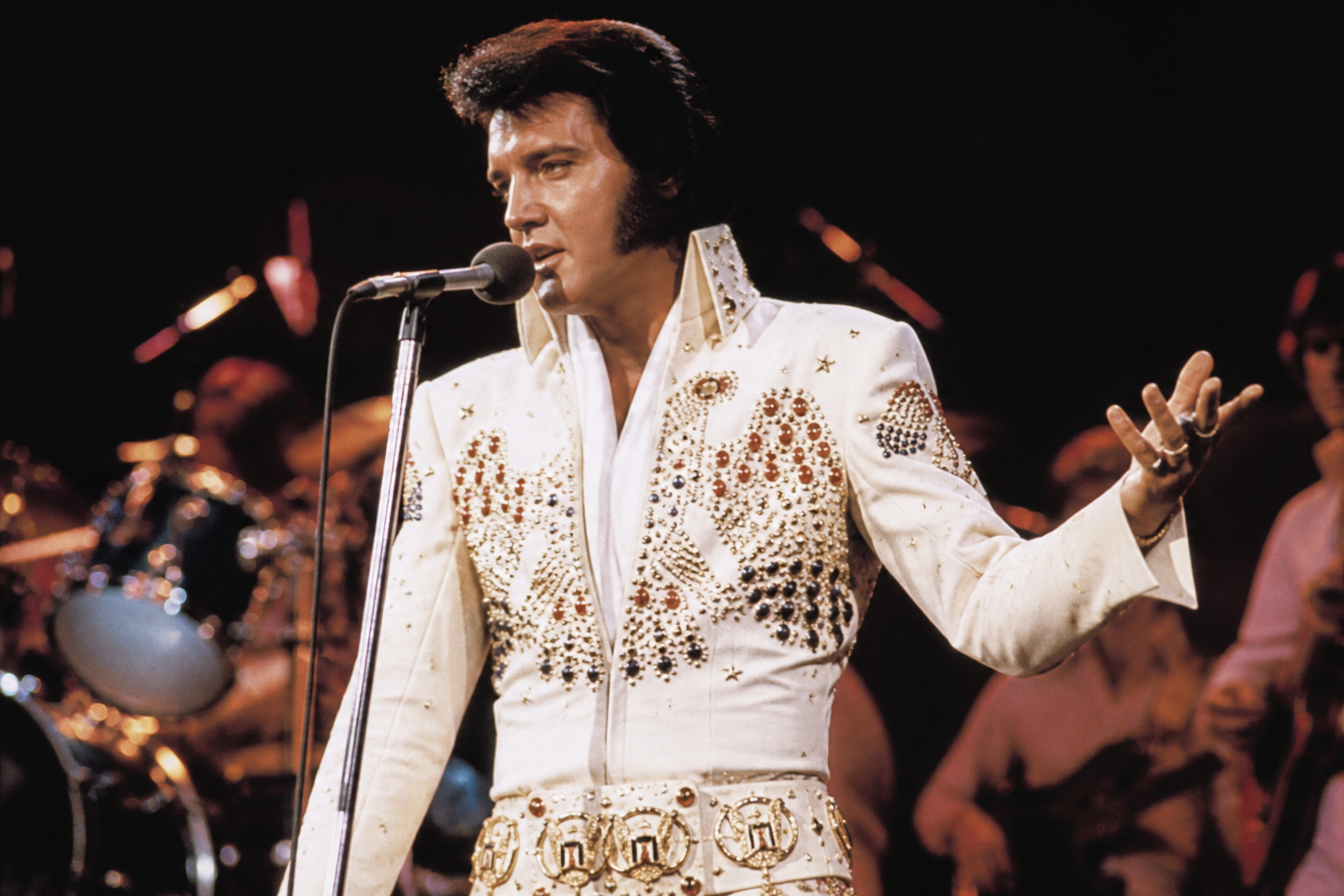
The official medical explanation
Elvis’ autopsy and death certificate led to a conclusion that his death was linked to heart disease. Reports from the time and later accounts noted that he had significant health issues in the years before he died, including weight gain and a heavy reliance on medications.
It is important to be careful here: while many summaries mention drug use, the precise medical role of each medication is not always presented the same way in every source. What is clear is that his health had been in decline, and the final event was not a sudden mystery to the people closest to him.
Why the case still draws attention
People continue to study Elvis’ death because it sits at the intersection of celebrity, medicine, and media history. He was one of the most famous entertainers in the world, so his death became a global event almost instantly.
The public also remains interested because the story reflects a broader truth about fame: success does not protect anyone from illness, stress, or the consequences of an unhealthy lifestyle. That makes the topic both historically important and deeply human.
How the news spread
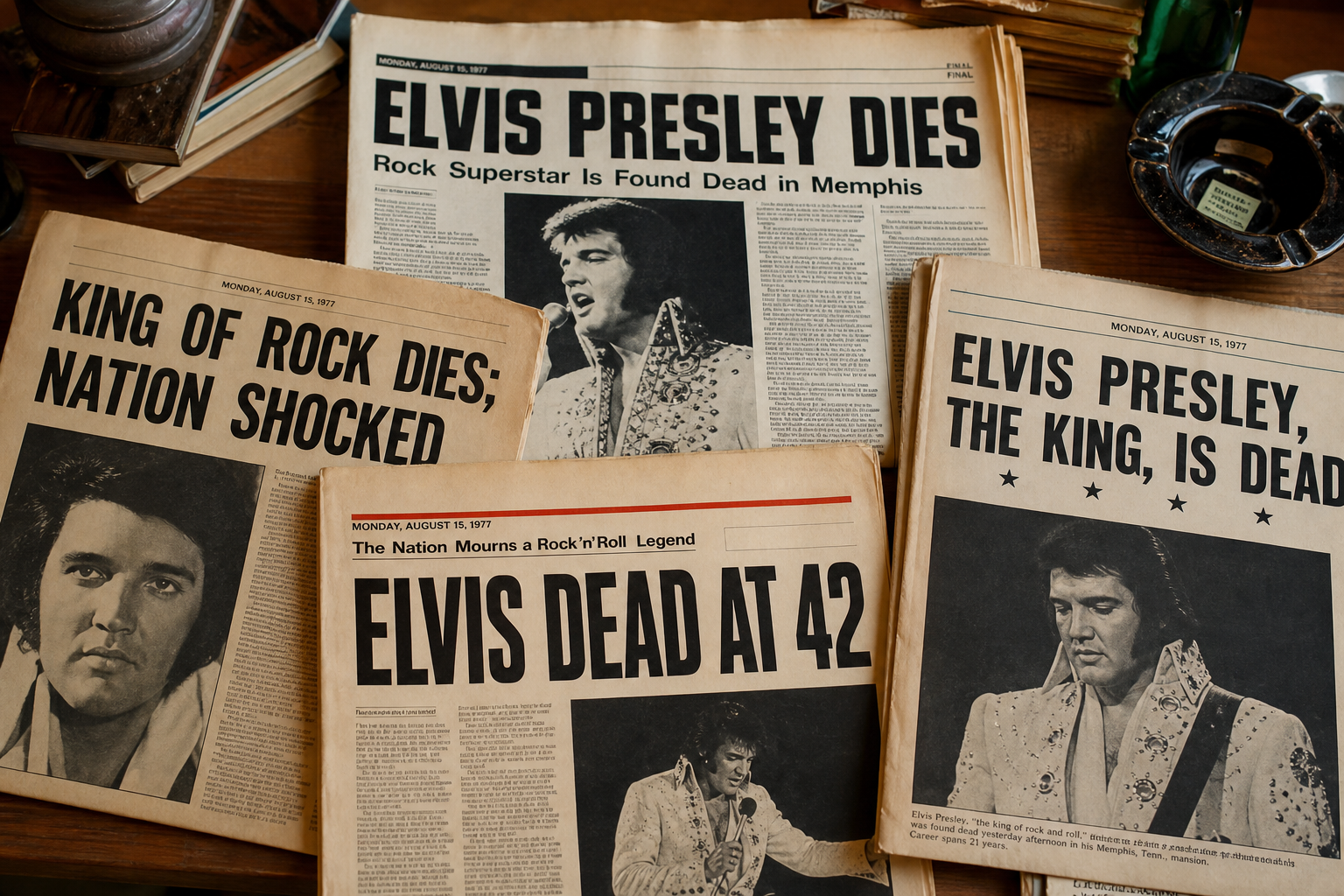
News of Elvis’ death moved quickly through the press and radio, and the reaction was immediate. Fans gathered outside Graceland and at other public places connected to his career, while newspapers and broadcasters treated the story as a major cultural loss.
For many people, the shock was not just that Elvis had died, but that the person who had seemed larger than life was suddenly gone at such a young age. The scale of the reaction showed how deeply he had shaped American music and popular culture.
If you are interested in the broader cultural context, it can also help to revisit The Beatles: A Complete History of the Band and John Lennon: Life, Music, Activism, and Lasting Legacy, two other stories that show how major artists can become part of public memory.

Public mourning and the Graceland effect
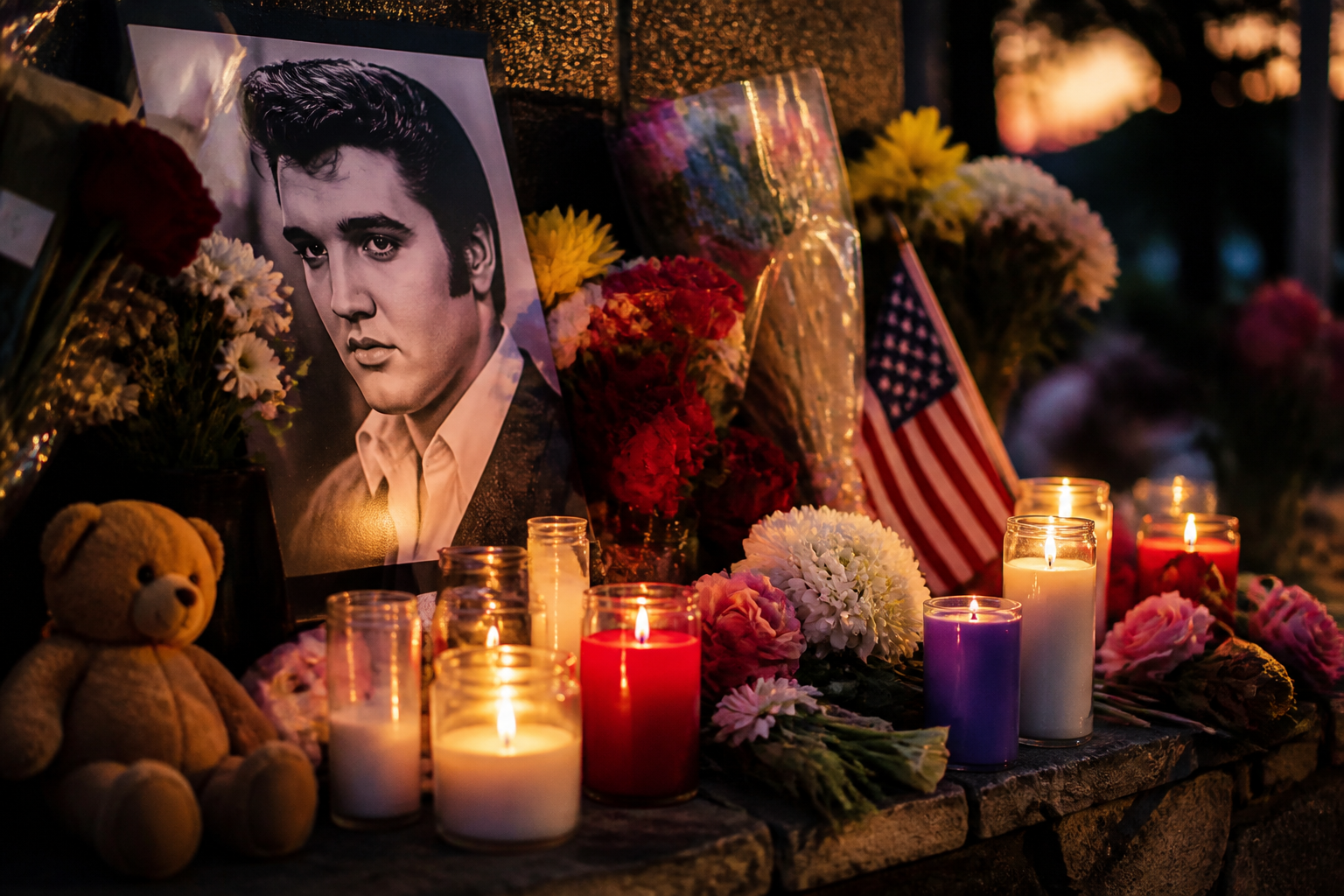
Graceland quickly became the center of mourning. Fans arrived with flowers, notes, and personal tributes, and the home took on a memorial role that it has continued to carry ever since.
That response helped turn Graceland into more than a house. It became a place where fans could connect with Elvis’s life, his career, and the emotional impact of his death in a direct and lasting way.
Why fans felt such a strong connection
- Elvis had been a dominant figure in music for more than two decades.
- His songs were tied to personal memories for millions of listeners.
- His image had become a symbol of American entertainment itself.
- His death came during a period when many fans still saw him as active and present.
Elvis’ death and the legacy of his final years
To understand Elvis’ death, it helps to understand the demands of his final years. He continued performing, recording, and living under intense public pressure, even as his health became more fragile.
His career had already produced landmark moments, and his influence was secure long before 1977. Still, the end of his life changed how many people viewed those later performances, adding a layer of sadness to the legacy.
For a deeper look at his artistry and place in music history, see Entertainment and related coverage of Whitney Houston’s Iconic Star-Spangled Banner Performance, which also explores how unforgettable performances can shape a lasting public image.
Common questions about Elvis’ death
Was Elvis found at Graceland?
Yes. He was found at Graceland in Memphis on August 16, 1977.
How old was Elvis when he died?
He was 42 years old.
What was the official cause of death?
The death was attributed to a heart attack, with the medical explanation tied to cardiac arrhythmia and coronary artery disease.
Did his death happen suddenly?
It was sudden in the public sense, but his health problems had been visible before his death.
Why Elvis’ death still matters today
Elvis’ death still matters because it changed the way people remember him. He was already a legend, but his passing froze that image in time and helped build the myth that surrounds him.
It also remains a reminder that fame can hide serious health problems. Behind the stage lights and the global attention was a man dealing with real physical strain, which makes the story more sobering than sensational.
His music, image, and influence continue to live on through recordings, tributes, and fan culture. In that sense, the story is not only about an ending, but also about how a legacy keeps growing after death.
Conclusion
Elvis’ death on August 16, 1977, was a turning point in music history. The official explanation points to heart disease, while the broader story includes years of declining health, public pressure, and intense attention.
What remains clear is that his passing shocked the world and deepened the legend around him. If you want to understand Elvis as both a performer and a cultural icon, his final chapter is an essential part of the story.
Keep exploring his life, music, and legacy to see why Elvis still matters so much today.
How David Bowie Reinvented Himself and Changed Music Forever

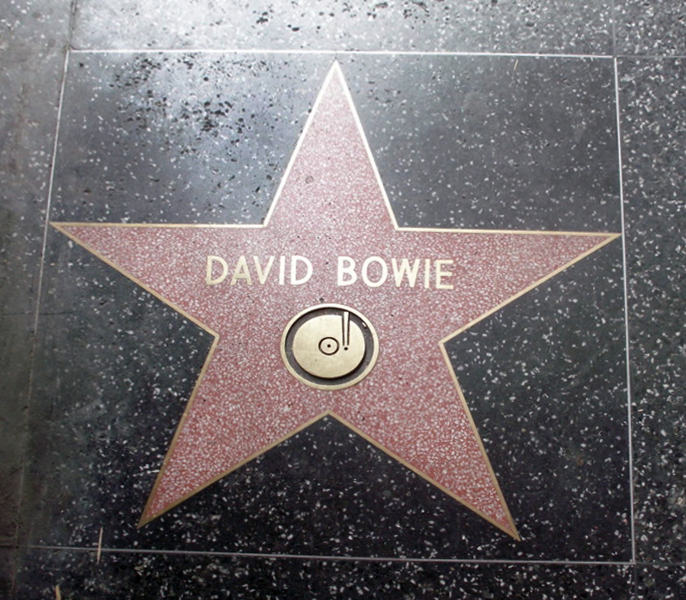
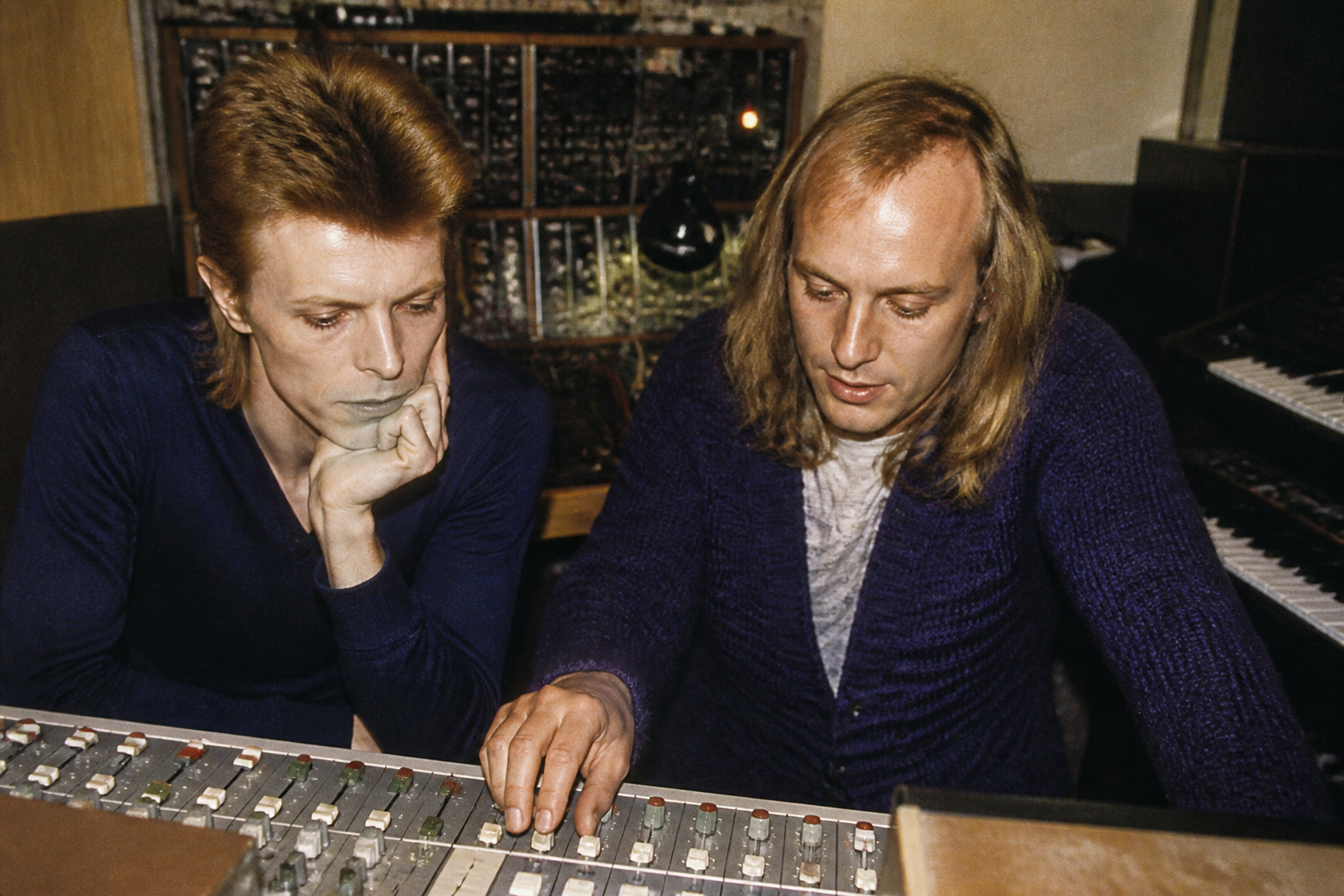
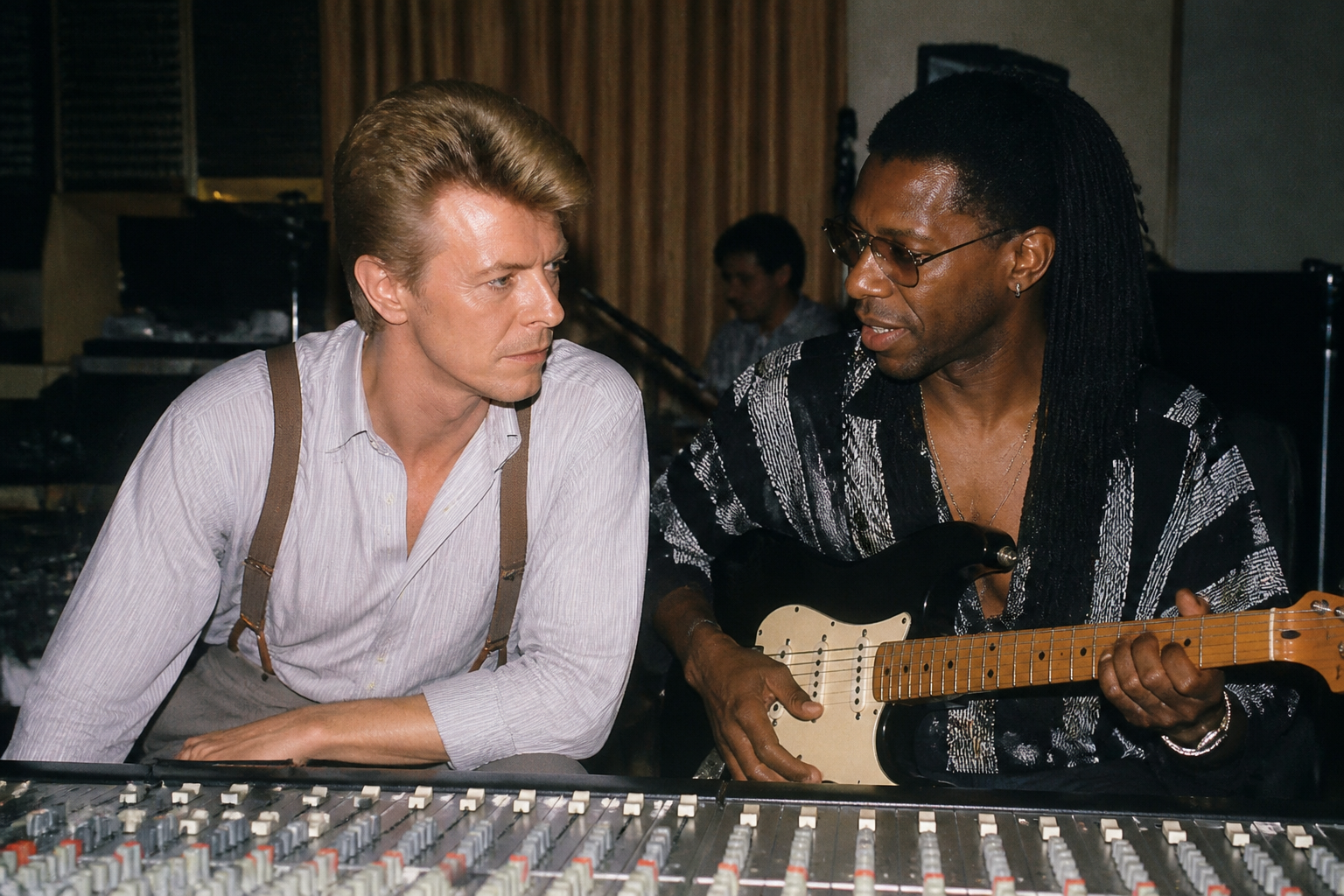
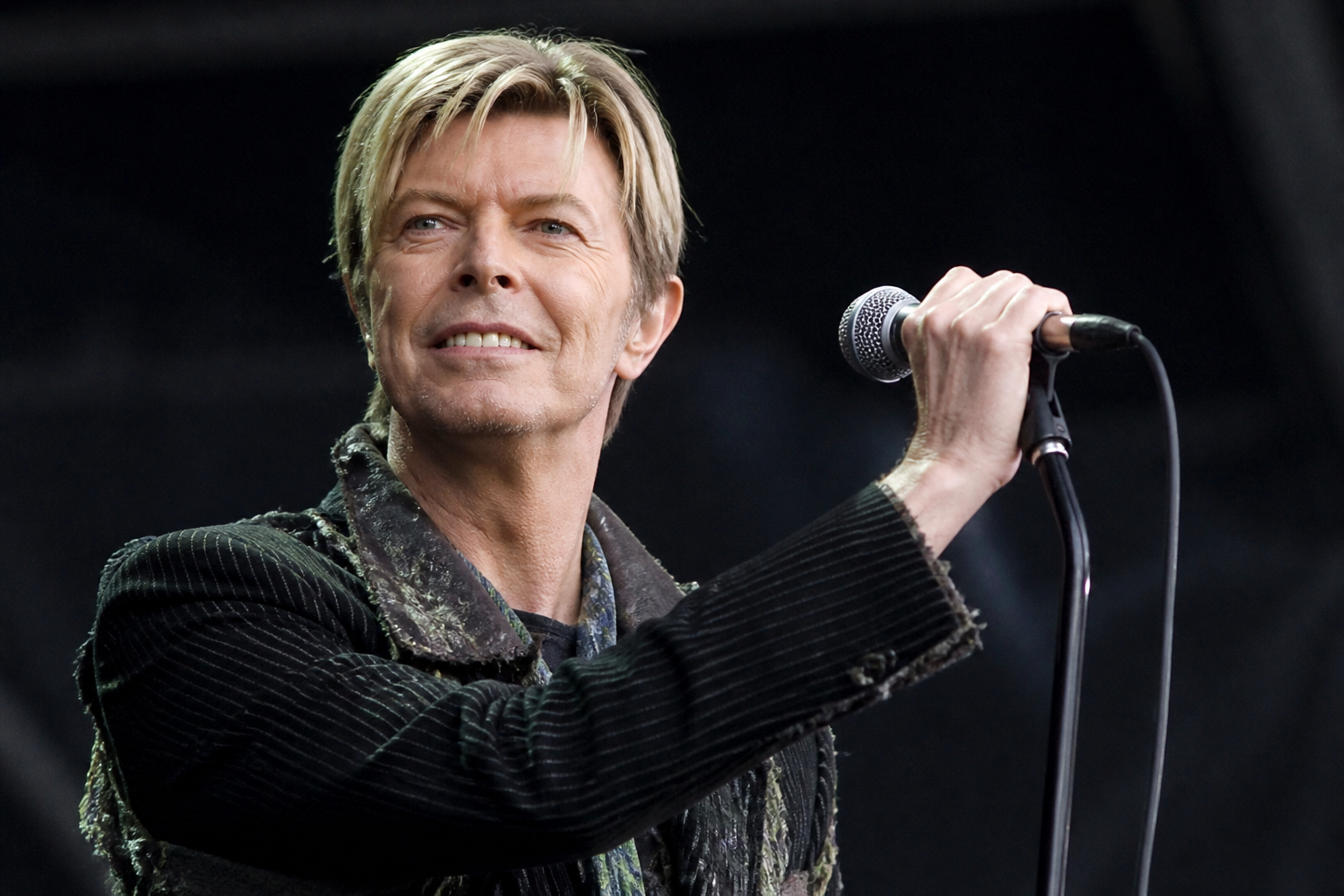
David Bowie made reinvention part of his artistic identity, and popular music has never quite looked the same. Across five decades, he treated image, sound, and performance as connected pieces of one creative vision. That approach made him one of the clearest examples of how a single artist could reshape an era without staying in one place for long.
Comments 0