The Beatles’ friendship behind the fame is one reason their story still feels human rather than merely historic. Before they became a global symbol of youth, wit, and musical invention, John Lennon, Paul McCartney, George Harrison, and Ringo Starr were working musicians from Liverpool who learned to rely on one another through long sets, poor sleep, constant travel, and the demanding craft of making songs work in front of real audiences.
The public image was dazzling: matching suits, quick jokes, screaming crowds, film cameras, and a run of records that changed popular music. Behind that image was a more complicated relationship. The Beatles were friends, colleagues, rivals, and, at times, frustrated witnesses to one another’s growing independence. Their bond included loyalty, grief, humor, envy, affection, impatience, and a shared past that no later argument could fully erase.
Understanding that friendship does not reduce the legend. It deepens it. The records sound different when heard as the work of four distinct people who were not always at peace, but who often brought out qualities in one another that none of them could have produced in quite the same way alone.
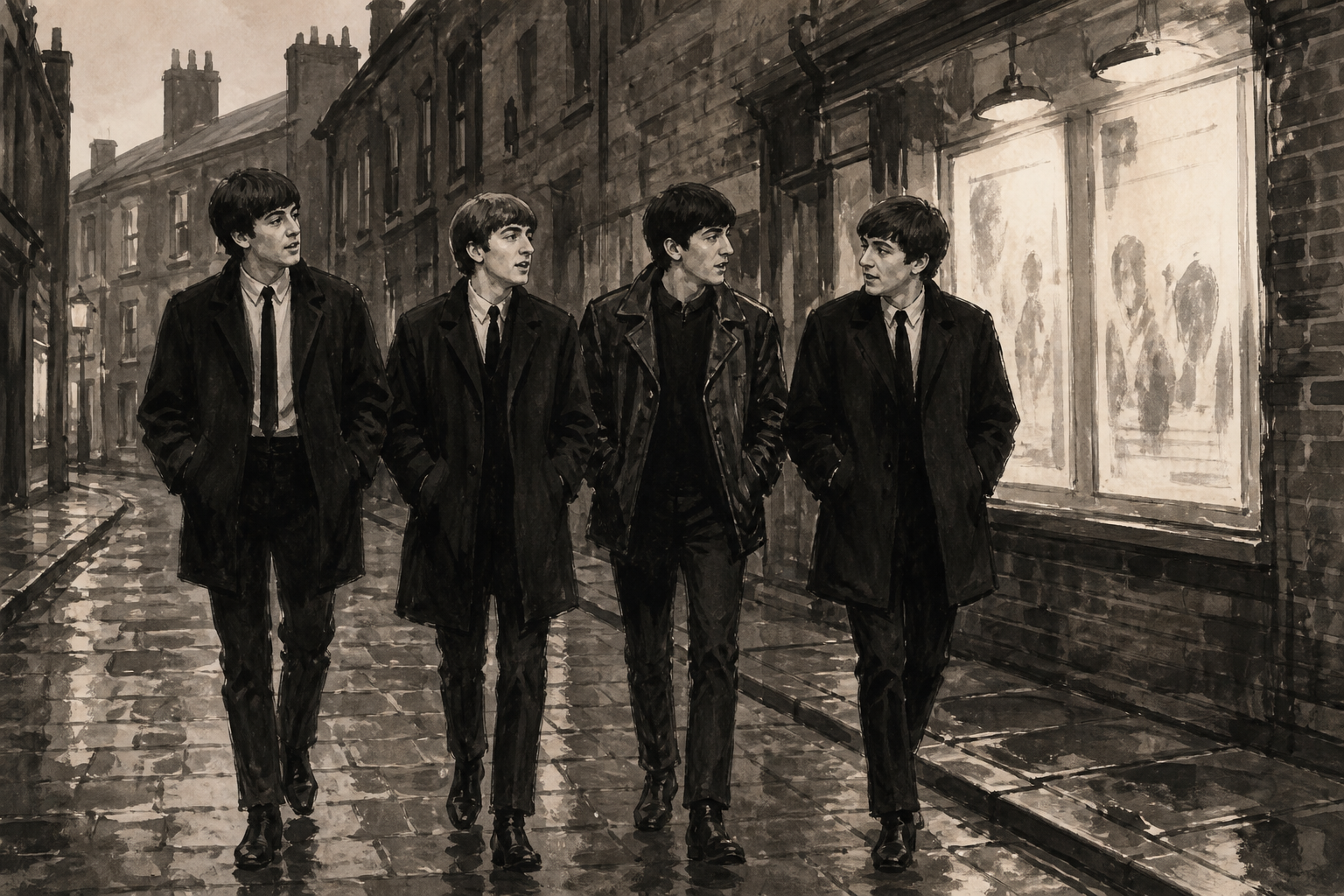
The friendship began before the legend
To understand The Beatles’ friendship behind the fame, it helps to begin before the band had a fixed identity. Their roots were in Liverpool’s postwar youth culture, skiffle groups, American rock and roll records, local dance halls, and the hunger of teenagers who sensed that music could offer a larger life. For a broader chronology of the group’s rise and aftermath, see The Beatles: A Complete History of the Band.
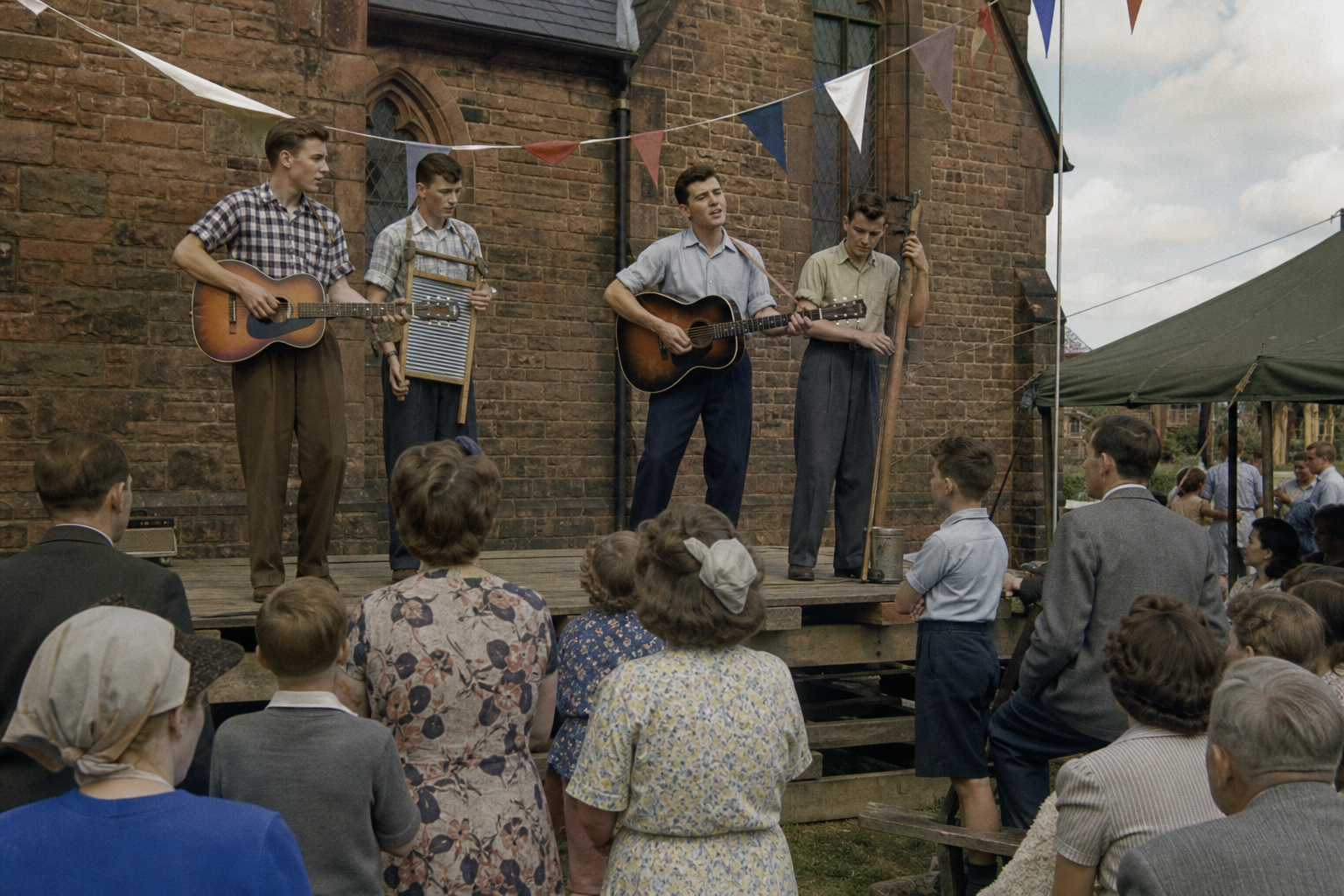
John Lennon and Paul McCartney first met on 6 July 1957 at St Peter’s Church fête in Woolton, Liverpool, where Lennon’s group, the Quarrymen, performed. McCartney impressed Lennon with his ability to play and remember rock and roll songs. The meeting did not instantly create the most famous songwriting partnership in popular music, but it did begin a relationship built on admiration, challenge, and a shared musical appetite.
George Harrison, a younger school friend of McCartney’s, entered the circle in the late 1950s. His guitar ability mattered, but so did his temperament. George could be quiet in public, but he was not passive. He was dry, observant, stubborn, and musically serious. Because he was younger than John and Paul, and because their bond was already strong, he spent years both learning from them and trying to win a fuller place within the group’s creative center.
Ringo Starr joined in August 1962, replacing Pete Best shortly before The Beatles’ first major recording success. Ringo had already gained experience with Rory Storm and the Hurricanes, and he brought a steadier, more distinctive drumming style to the group. Just as importantly, he brought an emotional tone the others needed: humor without self-importance, resilience under pressure, and a gift for making the group feel complete.
Liverpool, Hamburg, and the making of a private language
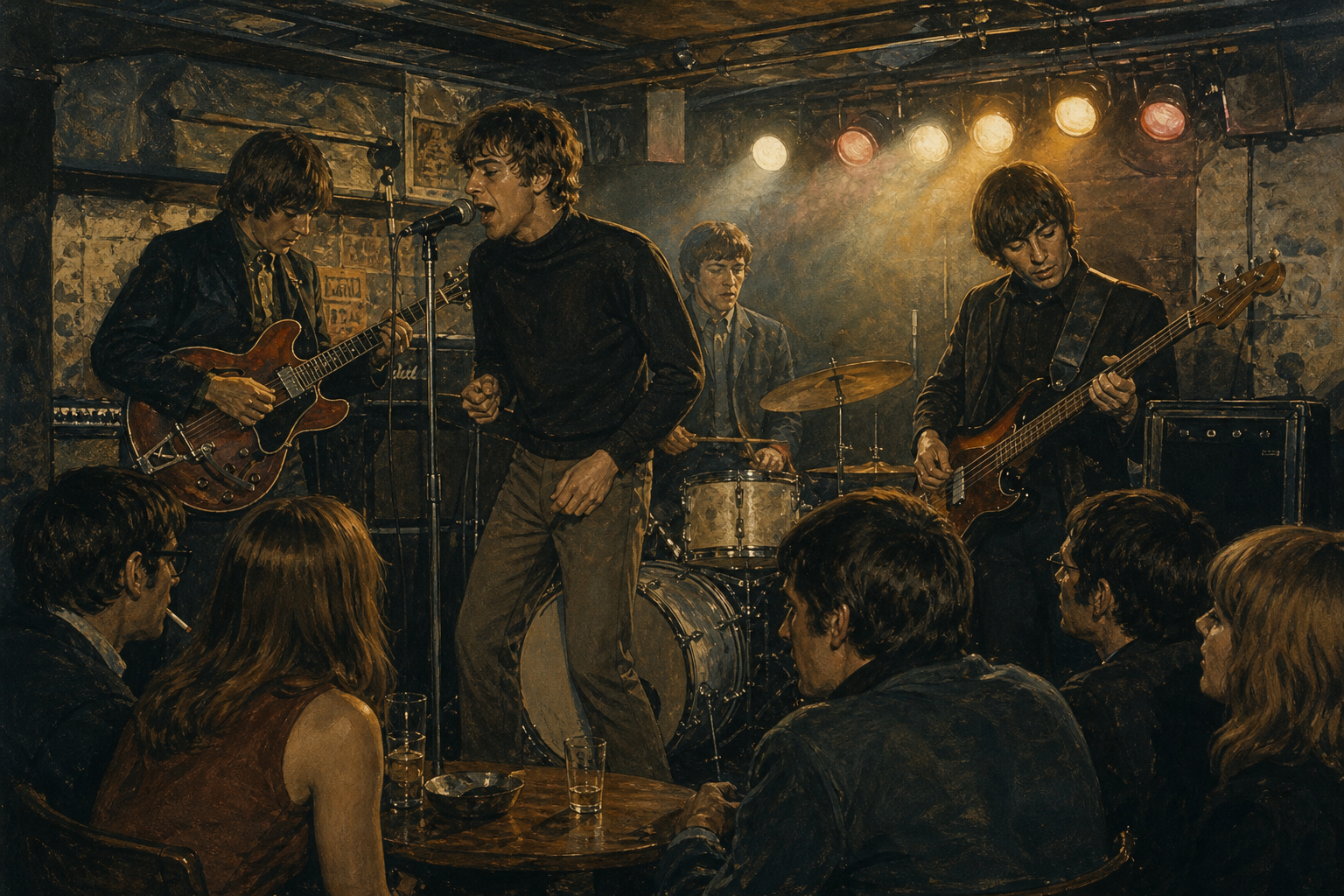
The Beatles’ friendship was not formed in comfort. It was formed through work. Before international fame, they played long club sets in Liverpool and Hamburg, especially during the early 1960s. Hamburg was crucial because the group had to perform for hours, repeat and expand its repertoire, hold the attention of demanding audiences, and become tougher than a casual local band could ever be.
That pressure created musical discipline. It also created a private language. On stage, they learned to read glances, cover mistakes, stretch songs, end together, change energy quickly, and rescue one another when a room began to drift. They developed timing not only as musicians but as friends. The jokes, the looks, and the shared instincts came from repetition and necessity.
Those early experiences are important because they made the later phenomenon possible. Managers and record companies could polish an image, but they could not manufacture the chemistry produced by hundreds of hours in close quarters. By the time the world discovered The Beatles, the four men already had memories and habits that outsiders could not fully enter.
Why their early bond mattered
The pre-fame friendship mattered because it gave The Beatles a foundation fame could not easily destroy, even when it later strained them. Their early bond was not sentimental in a simple way; it was practical, musical, and emotional all at once.
- They developed trust under pressure. Long performances taught them to depend on one another musically and socially.
- They built humor into survival. Wit helped them handle boredom, exhaustion, awkward interviews, and eventually mass attention.
- They shared a memory bank. Liverpool and Hamburg became reference points that linked them long after their lives changed.
- They learned creative friction early. Disagreement was part of the band before fame magnified every difference.
Beatlemania turned friendship into a shield
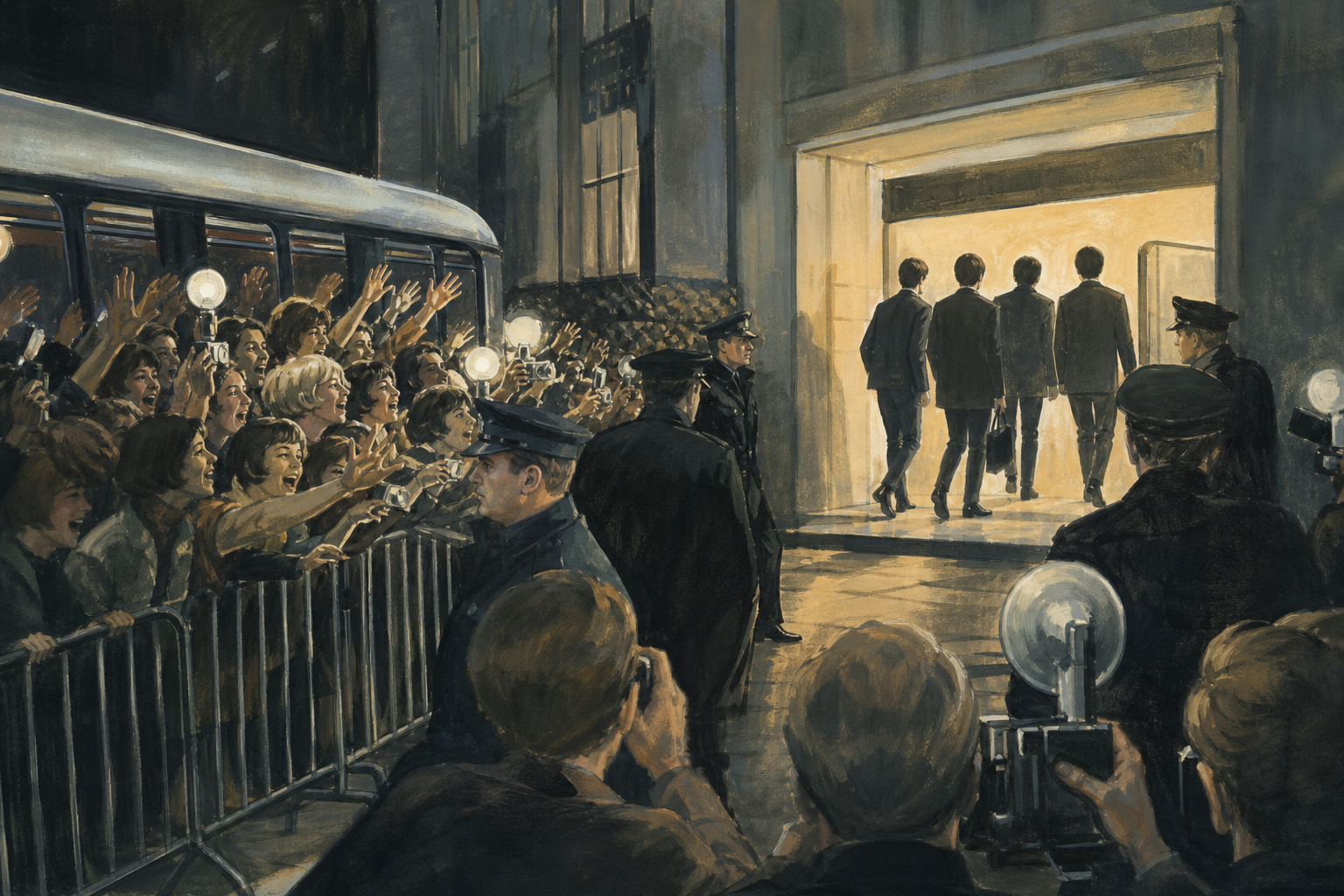
When Beatlemania arrived, The Beatles became more than a successful band. In Britain, their breakthrough accelerated in 1963. In the United States, their appearances on The Ed Sullivan Show in February 1964 became defining moments in twentieth-century popular culture. They were suddenly surrounded by screaming crowds, photographers, reporters, police escorts, hotel rooms, airplanes, and schedules that left little room for ordinary life.
Fame changed the function of their friendship. It was no longer only about rehearsing, writing, and performing. It became a shield. The four of them were among the few people who could understand what the experience felt like from the inside. They were watched constantly, but being watched is not the same as being known.
Their press conferences show this clearly. The Beatles’ collective wit was entertaining, but it was also defensive. If a question was intrusive, repetitive, or foolish, one Beatle could deflect it and another could extend the joke. Their speed as a unit protected the individuals. They turned public pressure into performance.
That group identity helped them endure the impossible scale of attention, but it also came at a cost. The more famous they became, the harder it was for each of them to be seen as a full person rather than as one part of “the four Beatles.”
The cost of being “the four Beatles”
The public labels were convenient: John the sharp wit, Paul the charming craftsman, George the quiet one, and Ringo the approachable drummer. Those images contained elements of truth, but they were far too small. John could be tender as well as cutting. Paul could be ambitious, experimental, and demanding as well as melodic and charming. George was not simply quiet; he was thoughtful, funny, spiritual, and increasingly assertive. Ringo was not merely good-natured; he was an essential musician navigating the same machinery as the others.
As the years passed, each man wanted more room than the public roles allowed. John wanted artistic and personal change. Paul often focused on musical structure, productivity, and keeping the band moving. George wanted fuller recognition as a songwriter and creative voice. Ringo, although often remembered as the least combative Beatle, also had to live with the pressure, confinement, and uncertainty of the group’s final years.
The friendship behind the fame was therefore never a simple fairy tale. It was a relationship tested by an abnormal level of public attention. The surprise is not that they sometimes fought. The surprise is how much music, humor, and mutual support they managed to create while carrying that pressure.
John and Paul: affection, rivalry, and creative dependence
The Lennon-McCartney relationship remains one of the most studied partnerships in popular music. It was a friendship, a rivalry, a writing credit, and a creative engine. John and Paul did not simply agree with each other; they challenged each other, sharpened each other’s ideas, and often raised the standard by making the other want to do better.
Their differences were central to the chemistry. Lennon often brought bite, emotional directness, verbal play, and a willingness to puncture sentiment. McCartney brought melodic range, arrangement sense, instrumental versatility, and a remarkable work ethic. These are broad descriptions, and each man could move beyond them, but the contrast helped make the songs more dynamic.
Their bond also carried deep personal meaning. Both lost their mothers when they were young: McCartney’s mother, Mary, died in 1956, and Lennon’s mother, Julia, died in 1958. That shared experience is often discussed as one emotional thread in their connection. It should not be treated as the single explanation for their friendship, but it helps explain why the relationship could feel unusually intense.
For readers interested in Lennon’s wider artistic and political life, John Lennon: Life, Music, Activism, and Lasting Legacy offers a focused look at his life beyond the band.
Competition made the songs sharper
Friendly competition between John and Paul often pushed the music forward. If one wrote something strong, the other had a reason to answer. Not every song was equally collaborative; many Lennon-McCartney songs were written mainly by one partner, even while carrying the shared credit. Still, the knowledge that the other person would hear, judge, and possibly improve the idea mattered enormously.
Their creative bond can be heard from the early singles through the more experimental recordings of the late 1960s. “A Day in the Life”, released on Sgt. Pepper’s Lonely Hearts Club Band in 1967, is often discussed because Lennon’s and McCartney’s contrasting sections combine into a larger, stranger whole. “We Can Work It Out” and “Getting Better” are other examples in which different emotional instincts create tension inside a single song.
“Strawberry Fields Forever,” recorded in late 1966 and released in 1967, shows Lennon’s memory, imagination, and studio ambition converging with the band’s collective experimentation. The song grew from Lennon’s childhood associations with Strawberry Field, a Salvation Army children’s home near where he lived in Liverpool. More context is available in John Lennon and “Strawberry Fields Forever”.
George Harrison was never just “the quiet Beatle”
George Harrison’s place in The Beatles’ friendship behind the fame deserves careful attention. The familiar label “the quiet Beatle” can be misleading. George was a guitarist, songwriter, humorist, seeker, and increasingly independent thinker whose growth changed the internal balance of the band.
In the early years, George’s position was shaped by age and hierarchy. John and Paul were the dominant writers, and their partnership defined much of the band’s creative identity. George contributed lead guitar, harmonies, stage presence, and a dry wit that was central to the group’s personality. Over time, he also developed as a songwriter in ways that made the old hierarchy harder to sustain.
His friendship with John and Paul included admiration and frustration. He had learned from them, traveled with them, and shared the same astonishing fame. Yet he also had to fight for space. By the late 1960s, songs such as “While My Guitar Gently Weeps,” “Something,” and “Here Comes the Sun” made it clear that he was a major creative figure in his own right.
George’s growing interest in Indian music and spirituality also broadened The Beatles’ world. His relationship with sitarist Ravi Shankar influenced his musical direction, and his search for meaning beyond pop stardom affected the group’s atmosphere. That search did not always make band business easier, but it added depth to the Beatles story and to George’s place within it.
George and Ringo: an underrated bond
George and Ringo shared a particularly interesting friendship. Ringo’s steady temperament and George’s dry humor often complemented each other. After The Beatles, they continued to appear in one another’s musical lives, which is one sign that the relationships did not end neatly when the band ended.
Ringo also had moments of strain inside the group. During the 1968 sessions for The Beatles, commonly known as the White Album, he temporarily left the band. He later returned, and the others welcomed him back. The episode is revealing because it shows both pressure and affection. Leaving was possible; so was return.
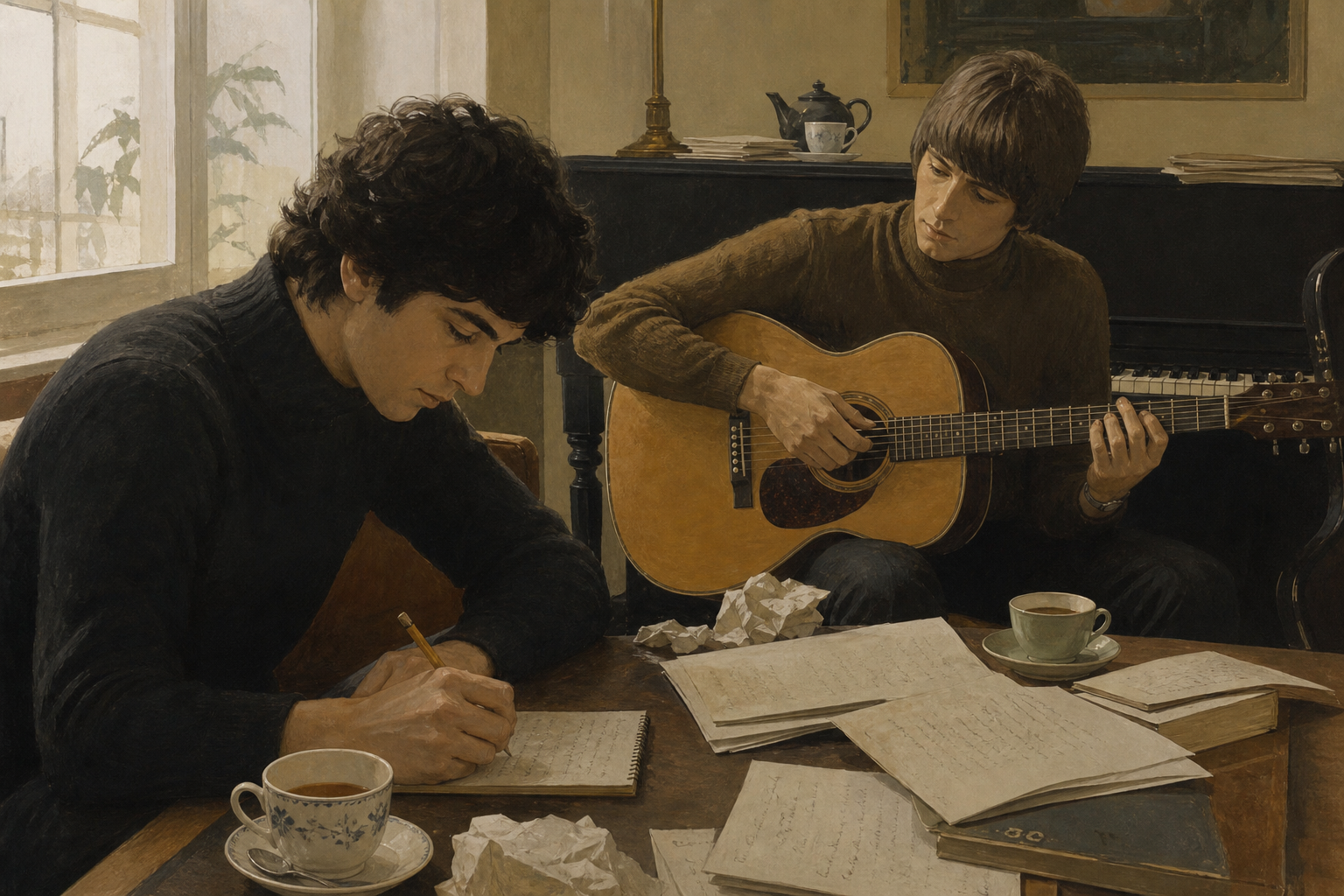
Ringo Starr’s role as emotional ballast
Ringo Starr’s contribution is sometimes underestimated when the discussion centers on songwriting. Yet friendship inside a band is not measured only by who writes the most famous songs. Ringo’s drumming, timing, humor, and temperament helped define both the sound and the internal balance of The Beatles.
Musically, Ringo served the song. His parts were rarely showy for their own sake, but they were distinctive, inventive, and memorable. He had a gift for finding drum patterns that belonged to the record rather than calling attention away from it. That restraint was part of The Beatles’ chemistry.
Personally, Ringo helped soften some of the band’s sharper edges. Many accounts of the group’s dynamic point to him as someone who could remain likable across divides. He was not outside the tensions, and he had his own frustrations, but his presence often made the group feel less brittle.
His outsider-insider position mattered too. Because he joined last, he entered a band with an existing history. Yet he became essential quickly. Fans’ acceptance of him after Pete Best’s departure was not guaranteed, but Ringo’s personality and performance helped establish the final lineup as the one the world came to love.
The drummer who completed the circle
Ringo gave the group more than rhythm. He gave it a fourth public personality that completed the famous balance. The Beatles’ interviews, films, and public appearances worked partly because each member contributed a different comic and emotional note. Ringo’s deadpan style and approachable presence were central to the group’s charm.
In friendship terms, that matters. A band under extreme pressure needs more than talent. It needs people who can reduce tension, absorb stress, and keep the atmosphere from collapsing. Ringo often filled that role, and the affection the others showed him at different points in their lives suggests how important that role was.
Fame, managers, and the loss of ordinary friendship
The Beatles’ friendship changed as the business around them grew. Brian Epstein, who became their manager in 1962, helped shape their professional presentation and guide their rise. Producer George Martin played a crucial role in their recording career. As the operation expanded, the four friends became the center of an enterprise involving contracts, publishing, touring, films, press demands, and enormous financial stakes.
With success came distance from ordinary life. They could not easily walk down streets, visit clubs, or socialize without attention. They lived through a version of celebrity culture that was intense even before the internet made fame more immediate and invasive. Their shared experience was bonding, but it was also exhausting.
This is where The Beatles’ story connects to wider entertainment history. Major stars often become public symbols before they can fully understand what fame is doing to their private lives. The mythology around Elvis Presley, for example, remains tied to questions of pressure, vulnerability, and public fascination, whether in accounts such as Elvis Presley’s Las Vegas close call with a suspected gunman or reflections on why Elvis’ death still matters.
The Beatles’ circumstances were different, but the broader lesson is similar: fame can magnify talent while shrinking private space. For a friendship, that trade-off is dangerous. The very closeness that helped the band survive fame could also become confining when each man needed a separate identity.
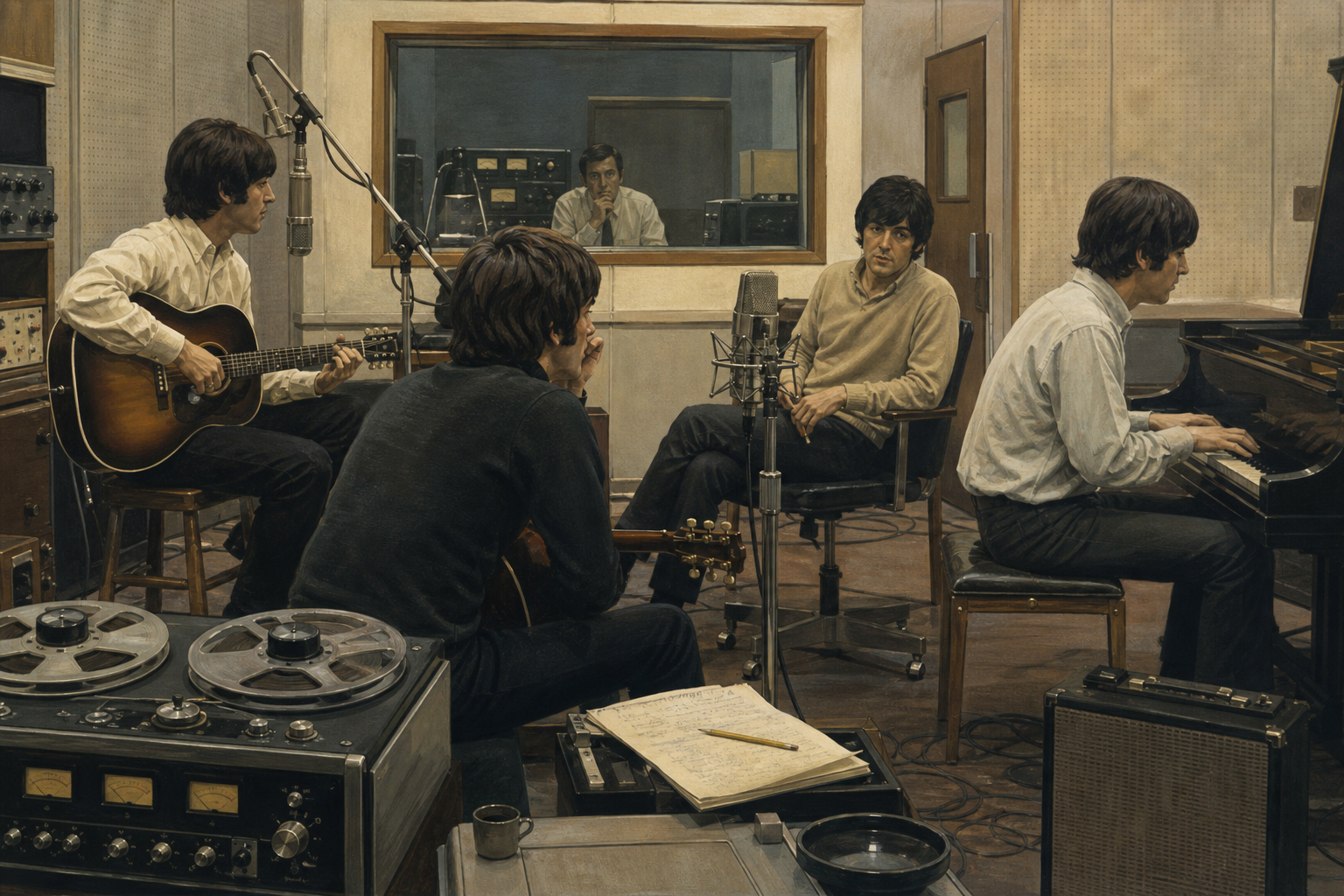
Studio collaboration made their friendship audible
After The Beatles stopped touring in 1966, the studio became their main creative arena. Their last scheduled commercial concert took place at Candlestick Park in San Francisco on 29 August 1966, though they later performed publicly on the roof of Apple Corps in London in January 1969. The end of touring changed the nature of their friendship. Instead of surviving stage chaos together, they spent more time constructing recordings piece by piece.
Studio collaboration required trust. One member might bring in a song, another might suggest a part, and the group would test possibilities until the record took shape. George Martin and engineers including Geoff Emerick were important to realizing many of the band’s studio ideas, especially during the mid-to-late 1960s.
The friendship is audible in the way Beatles recordings often feel collective even when a song began with one writer. Harmonies, bass lines, drum fills, guitar textures, piano parts, tape effects, and arrangement decisions turned individual ideas into group records. The Beatles’ genius was not only composition; it was transformation. A song could enter the room as one person’s idea and leave as something stamped by all four.
When collaboration became conflict
The same studio environment that enabled masterpieces also exposed fractures. As each member became more artistically self-aware, patience could wear thin. George wanted more room for his songs. John’s interests and personal life were changing. Paul often pushed sessions forward, which could be productive but could also irritate the others. Ringo sometimes had to wait through long stretches that did not immediately involve drums.
The friendship did not disappear, but the working relationship became harder. A young band can survive on momentum. A mature band must negotiate identity, credit, leadership, money, and personal relationships. By the late 1960s, The Beatles were doing all of that while the world watched for signs of unity or fracture.
The breakup did not erase the friendship
The Beatles’ breakup was not caused by one single event. It involved management questions after Brian Epstein’s death in 1967, financial and legal disagreements, diverging artistic goals, personal relationships, and accumulated fatigue. Reducing the breakup to one person or one argument oversimplifies a complicated history.
Yet the breakup did not erase the friendship behind the fame. It changed it. After the split became public in 1970, the former Beatles sometimes criticized one another in interviews and songs. There were legal disputes and emotional wounds. There were also reconciliations, collaborations, private gestures, and signs of continuing affection.
John Lennon’s early solo work included songs that revealed vulnerability, anger, and self-examination. “Jealous Guy,” released on the 1971 album Imagine, is not a Beatles song, but it shows Lennon’s capacity for regret and emotional candor. For more context, read John Lennon and “Jealous Guy”.
The post-Beatles relationships were uneven. George and Ringo worked together at various times. Ringo played with John, George, and Paul in different contexts after the breakup, though never as a full Beatles reunion. Paul and John’s relationship improved from the most bitter early post-breakup period, even if it remained complex. These later connections matter because they show that the friendship had not been imaginary. It had been damaged, but not erased.
Why the end still hurts fans
Fans often experience The Beatles’ breakup as more than a business ending because the band represented friendship itself. The image of four young men facing the world together was central to their appeal. When that image fractured, listeners felt they had lost not only a band but also a symbol of unity.
That reaction is understandable, but it can obscure the human truth. Friendships change. Creative partnerships become strained. People grow in different directions. The Beatles’ story is powerful because it contains both extraordinary closeness and painful separation.

What The Beatles’ friendship teaches about creative partnerships
The Beatles’ friendship behind the fame remains useful because it shows how great creative work often depends on relationships that are both supportive and difficult. The band was not great because everyone always agreed. They were great partly because different personalities collided inside a shared musical purpose.
Their example offers several lessons for understanding collaboration in music, film, business, and other creative fields.
- Shared history builds resilience. Liverpool, Hamburg, and early touring gave The Beatles memories that helped hold them together during fame.
- Differences can strengthen the work. John, Paul, George, and Ringo did not bring the same talents, which is why the whole became distinctive.
- Recognition matters. George’s frustration reminds us that creative groups must make room for growth.
- Humor is not trivial. The Beatles’ wit helped them survive pressure and maintain identity.
- Success does not remove emotional needs. Fame can intensify insecurity, loneliness, and conflict.
- Endings do not cancel beginnings. The breakup was real, but so were the years of loyalty and shared creation before it.
The myth and the reality of The Beatles as friends
There are two common mistakes in discussing The Beatles as friends. The first is to romanticize them as four inseparable brothers whose bond was destroyed only by outside forces. The second is to reduce them to rivals who merely tolerated one another for success. Neither view is adequate.
The reality is richer. John and Paul loved, competed with, irritated, and needed each other. George admired the others but resisted being limited by them. Ringo helped hold the group’s emotional center while dealing with his own frustrations. They were friends, colleagues, rivals, and witnesses to one another’s transformation.
Their fame makes the story larger, but the emotional pattern is recognizable. Many people know what it is like to grow up with friends, build something together, and then discover that adulthood changes the terms. The Beatles lived that experience at a scale few people can imagine.
Why the friendship still feels alive
The friendship still feels alive because it is preserved in the records. Listen to the harmonies, the jokes in interviews, the collective energy of early performances, and the studio risks of the later years. Even when a track is associated mainly with one writer, the recording often carries the fingerprints of the group.
It also feels alive because the surviving Beatles and the estates of Lennon and Harrison have periodically introduced the music to new generations through reissues, documentaries, and archival projects. These projects cannot recreate the original friendship, but they can reveal how much work, humor, and feeling existed behind the public image.
Frequently asked questions about The Beatles’ friendship
Were The Beatles really friends?
Yes. The Beatles were friends as well as bandmates, though their relationships changed over time. Their early years involved deep shared experience, humor, travel, and creative dependence. Later, fame, business pressures, and artistic differences made those friendships more complicated.
Who were the closest friends in The Beatles?
John Lennon and Paul McCartney had the most famous creative partnership, but closeness in the band shifted depending on the period. George Harrison and Ringo Starr also shared a meaningful bond, and all four had moments of warmth and tension with one another.
Did fame cause The Beatles to break up?
Fame was one factor, but it was not the only cause. The breakup involved management issues, financial disputes, creative differences, personal changes, and years of pressure. It is more accurate to see fame as an intensifier rather than a single cause.
Did John and Paul reconcile before John Lennon’s death?
John Lennon and Paul McCartney’s relationship improved after the most bitter post-breakup period, though it remained complex. They were not active songwriting partners again, but later accounts and reflections indicate that the relationship had softened before Lennon was killed in 1980.
Why does The Beatles’ friendship matter today?
It matters because the music was shaped by human connection. Their friendship, rivalry, humor, and conflict helped produce records that still influence musicians and listeners. Understanding the bond behind the fame makes the songs feel more alive, not less legendary.
Conclusion
The Beatles’ friendship behind the fame was never simple. It began in Liverpool ambition, hardened through Hamburg and club work, became a shield during Beatlemania, and grew complicated as creativity, money, ego, and adulthood pulled the members in different directions. Yet the friendship was real, and its traces remain in the music.
To hear The Beatles clearly is to hear four distinct people learning, arguing, supporting, and challenging one another. Their story endures not because it was flawless, but because it was human. Revisit the songs with that human story in mind, and the legend becomes even more powerful.
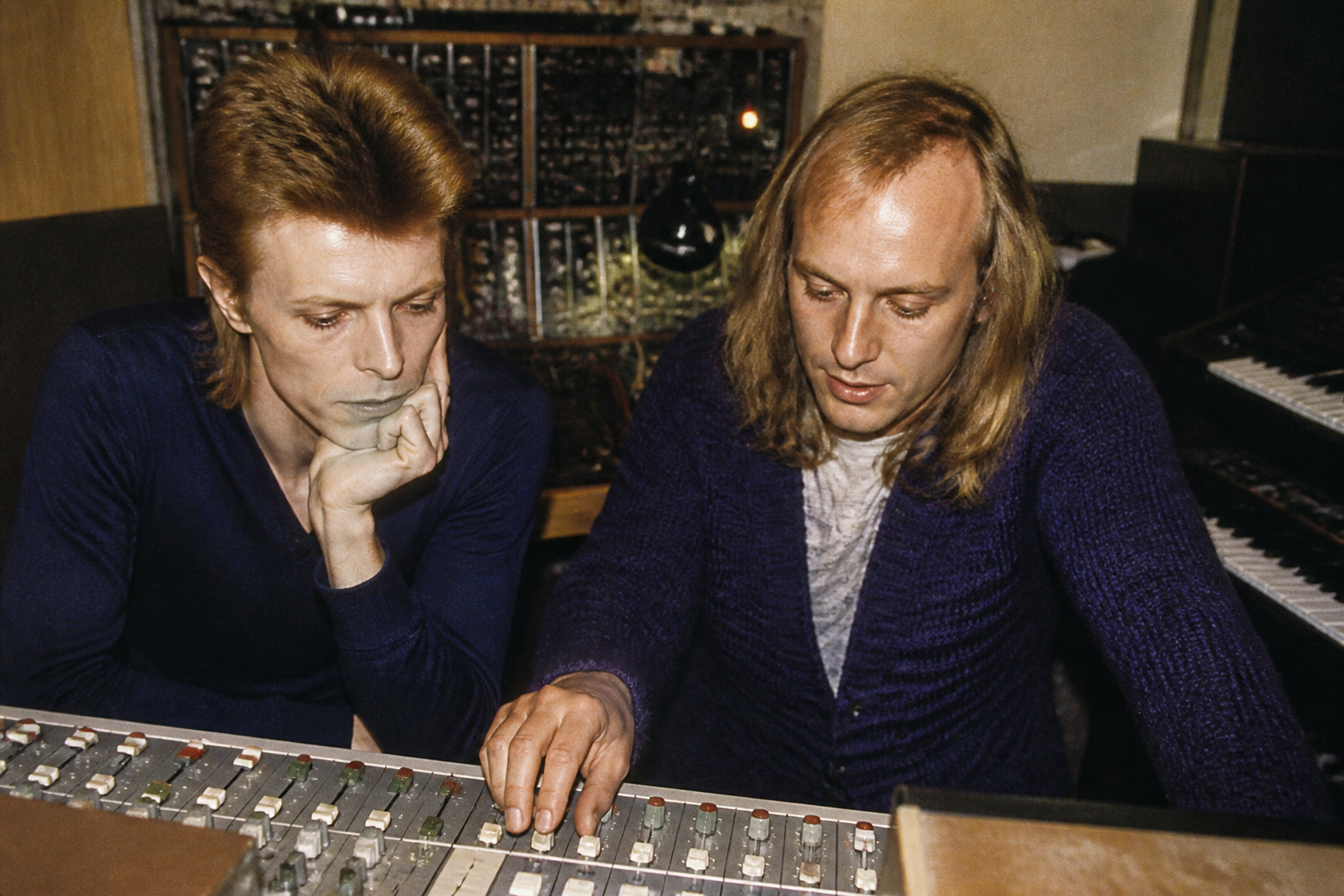
How David Bowie Reinvented Himself and Changed Music Forever

David Bowie made reinvention part of his artistic identity, and popular music has never quite looked the same. Across five decades, he treated image, sound, and performance as connected pieces of one creative vision. That approach made him one of the clearest examples of how a single artist could reshape an era without staying in one place for long.
Comments 0